founder-development
(7)
Chase Adam and the work before the wave
He helped build Watsi from a volunteer project into Y Combinator’s first nonprofit. Now Chase Adam is working on the part of startup life that rarely makes the pitch deck: how founders learn to lead.

Jack Jay and the surprisingly ordinary shape of the future
Jackson Jesionowski built Persist around people waiting for a chance to build. At Open Droids, he is taking that same argument into the physical world, one wheeled robot at a time.
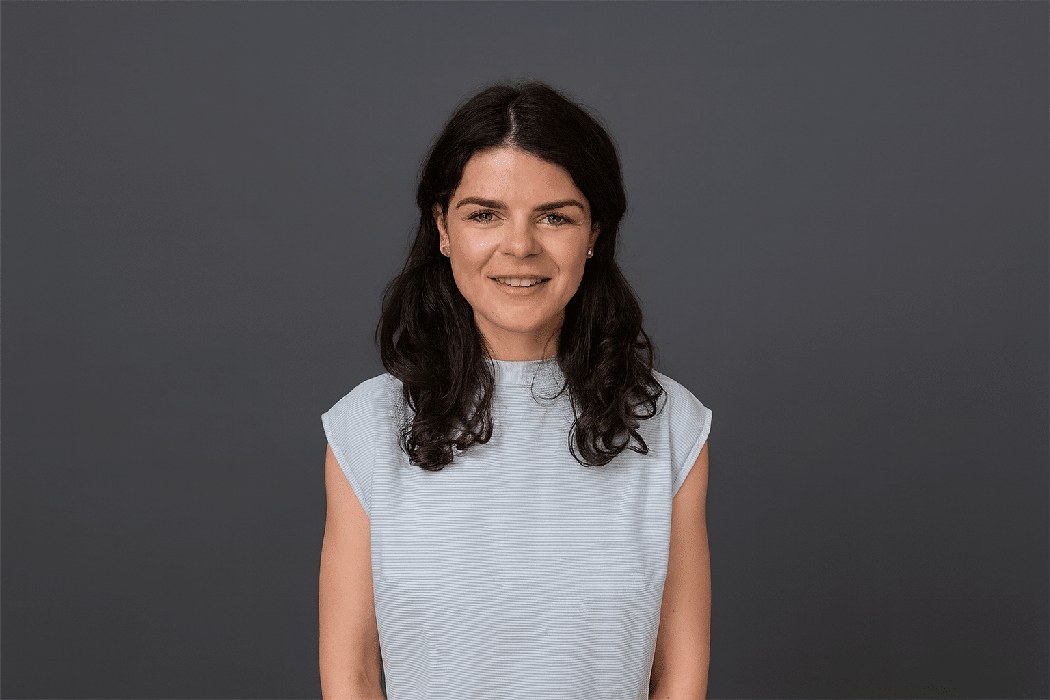
Alice Bentinck and the career that nobody could explain
She passed up a job at Google to help strangers start companies. Now Alice Bentinck is taking that experiment from London to San Francisco, asking who gets to become a founder in the first place.

Chris Burry and the distance between an idea and a company
From Avanade’s founding team to startup classrooms across borders, Chris Burry has spent his career working on a stubborn problem: helping capable people become capable founders.
A$20,000. No equity. A room full of people who ask difficult questions.
Melbourne Accelerator Program gives selected startups cash, coaching and a place to work without taking a stake. The more interesting bargain is what founders owe the community afterwards.
Nuclio builds startups. Then it builds the people.
The Barcelona venture builder recruits founders for business ideas tested abroad. Its bigger bet is that schools, headhunters and shared services can make the hard parts of starting up a little less lonely.

Praxis Wants Founders to Count the Cost of Doing Good
The Christian venture builder pairs startup coaching with a demanding idea: someone has to bear the cost of helping others. Its fees, funding, and one unusual pivot show how that idea becomes a business decision.