At Sunriver Resort, the merchandise was already there. Experiences, goods, services: plenty of things a guest might want alongside a bed. The difficulty was getting those things out of departmental silos and into the guest’s shopping path. A resort can have an abundance problem. It owns more things worth buying than its booking journey knows how to show.
- Aven runs the SynXis reservation and commerce platform.
- Its new booking engine keeps checkout inside hotel websites.
- Its retailing tools help hotels sell beyond the room.
That small disconnect explains a surprisingly large software business. Aven Hospitality, formerly Sabre Hospitality Solutions, supplies the systems that help hotels distribute inventory, take reservations and sell extras. The company says it serves more than 35,000 hotels across over 190 countries. Most travelers will encounter the hotel’s brand, not Aven’s. Behind that familiar logo, someone still has to keep the rates straight.
Thirty years inside a new name
The name arrived on January 27, 2026. The machinery had been working for decades. SynXis, Aven’s core platform, traces its origins to 1996. Sabre acquired it in 2005. By the time TPG bought Sabre’s Hospitality Solutions business for $1.1 billion in a transaction that closed in July 2025, the purchase included a mature hotel technology operation, not an idea waiting for customers.
MCR, a hotel owner-operator, made a strategic minority investment. Teresa Mackintosh became chief executive. Previously a leader at enterprise software businesses including Trintech, she inherited two assignments: separate the company from Sabre and decide what hotel software should become. The ownership change supplied a new operating context. It also made the hotel business its own management priority.

In a February 2026 PhocusWire interview, Mackintosh described a shorter planning horizon, measured in months rather than years. Her leadership model balances customers, employees and investors. That sounds tidy until the customers depend on your software to keep selling rooms while you modernize it. Aven’s practical challenge is to improve the shop without interrupting the cash register.
“You’re setting a three or six-month strategy.”
Teresa Mackintosh / PhocusWire, February 2026
Keep the guest. Lose the detour.
A hotel booking is a chain of handoffs. The website must show an appealing room. The reservation system must know whether it is available. Distribution channels need consistent rates. Payments must work. A property management system needs the resulting reservation. Aven says SynXis coordinates hotel information across more than 600 integrations. Its expertise lies in making these connections commercially useful.
In June 2026, Aven introduced a rebuilt Booking Engine embedded directly within hotel websites. It offers dynamic room and rate displays, a flexible cart and a responsive interface. The premise is wonderfully ordinary: someone who wants to book should not have to negotiate an awkward redirect. Aven also claims page loads more than three times faster for the new engine.
Early adopter Navarino Services reported revenue growth above 30% during its first pilot month, without additional demand-generation activity. That is a customer report from an early deployment, rather than a forecast for every hotel. Still, it points toward a useful management question. Before buying more traffic, how much of the traffic already arriving can actually finish buying?
The work behind 81 percent
Sunriver’s approach supplies a more detailed answer. Working with Aven’s Retailing product, the resort improved layouts, images and product descriptions. It curated offers by season, room type and rate plan. Departments gained controls for pricing, inventory and variants. Monthly sessions with Aven’s Retail Growth Team kept the work moving. The intervention involved both software and the unglamorous discipline of reviewing what sold.
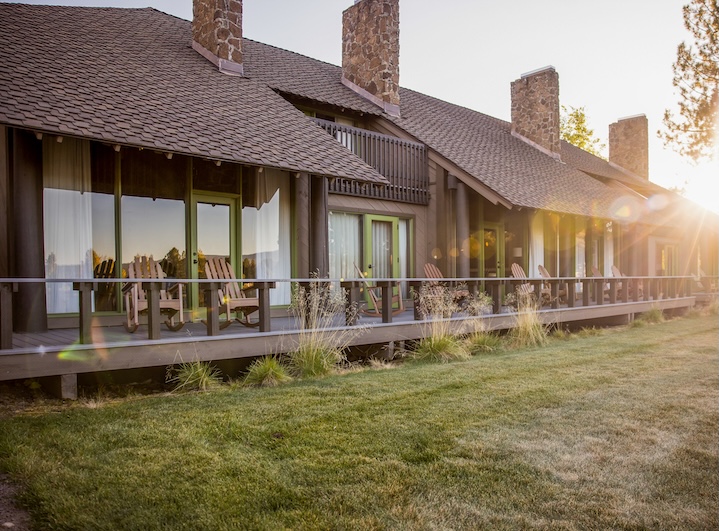
In Aven’s case study, Sunriver reported 81% more retail revenue and 53% more units sold in January-July 2026 than in the same months of 2025. Average order value rose from $108 to $130. These are reported operating results, without a control group that isolates the software’s contribution. The useful lesson is in the method: improve visibility, make offers relevant and give departments ownership.
An assistant is only as good as its answers
The same logic extends to guest questions. Ying’nFlo, part of Langham Hospitality Group, deployed Aven’s Concierge for Booking and named the assistant Sam. Connected to SynXis, Sam could answer common questions with live information. Aven’s case study reports more than 31 hours of manual work saved per month at the property. Complex questions still went to people. The useful unit of progress was staff time.
Aven’s March 2026 announcement of Model Context Protocol enablement addresses another handoff: sharing verified rates, availability and content with AI discovery tools. It described a phased early-access program. The proposition is that individual hotels should not need separate custom connections for every emerging channel. Accurate hotel data remains the underlying requirement, whatever interface a traveler happens to use.
The sale starts before the room
Aven sells B2B software and related services to properties, chains and representation partners. Its scope includes payments, digital marketing, travel-agent distribution and retailing. Alternatives such as Amadeus iHotelier and Cendyn occupy comparable territory. Aven’s case rests on combining these commercial functions around the established SynXis platform. Buyers need to compare the complete workflow, including integrations and implementation, alongside the booking screen.
The acquisition price bought a business. A hotel evaluating its products has a different calculation: software, implementation, staff effort and the value of additional sales. Sunriver’s experience makes the staff effort visible. Monthly reviews and departmental decisions were part of the intervention. A buyer should treat those activities as part of the operating plan, rather than assume a new cart does the work alone.
The transferable lesson is pleasantly concrete. List what guests can buy. Check whether they can find it. Assign someone to keep each offer accurate and deliverable. Review the results. A wider catalog helps only when the hotel can fulfill it; a connected platform depends on connected, reliable data. At Sunriver, the opportunity began with things the resort already had. Sometimes the next sale needs a clearer path.