Mike Burshteyn had a useful complaint about his accelerator. He had spent too much time pitching corporations. In a 2019 interview, the CryptoMove co-founder recalled visiting teams that enjoyed the startup scenery without becoming customers. Alchemist called it “corporate tourism.” A room full of interested executives could still be a room without a buyer.
This was hardly a dismissal. Burshteyn credited Alchemist with introducing CryptoMove to its first investor, Tim Draper and Draper Associates, and its first customer, the Department of Homeland Security. The same network produced opportunity and distraction. Learning to tell them apart was part of the education.
- Alchemist coaches technical founders whose companies earn revenue from enterprises.
- The flagship lasts six months; most participants grant 5% equity, with flexible terms.
- Its practical promise: better customer conversations, relevant introductions and fundraising preparation.
01 / The person who signs
Founded by Ravi Belani in 2012, Alchemist occupies a specific corner of the startup market. Its organizing question is who pays. The portfolio includes LaunchDarkly, which helps software teams manage releases, and Rigetti, which builds quantum computers. Those businesses share little on a laboratory bench. Both fit an accelerator concerned with enterprise revenue.
That focus gives the program a recognizable customer: a technical founding team with something difficult to build and a commercial problem still to solve. A working product does not tell you which department owns a budget, whose security approval matters or why a buyer would change suppliers. An enterprise founder needs answers to all three.
Organization-reported homepage totals, checked October 2026. Alumni fundraising is a portfolio measure, not Alchemist’s revenue.
Alchemist’s homepage reports more than 750 startups accelerated and more than $5 billion raised by alumni. Those totals describe reach. They cannot tell an applicant how much an introduction will be worth, or whether a particular company would have succeeded anyway. The more revealing evidence lives in the smaller encounters.
02 / An introduction needs homework
The flagship combines weekly gatherings, individual mentoring, investor feedback sessions and a concluding Demo Day. Founders can participate remotely, although Alchemist encourages time in the Bay Area and describes an in-person opening week. The curriculum gives founders repeated opportunities to explain their business, hear objections and revise the pitch.
Its expertise comes from operators as well as investors. The mentor roster includes enterprise executives, founders and sales coaches. Walter Roth, for example, brings engineering and Oracle sales experience to diagnosing deals and pipelines. That combination matters for a founder who understands the architecture but has never qualified a prospect.
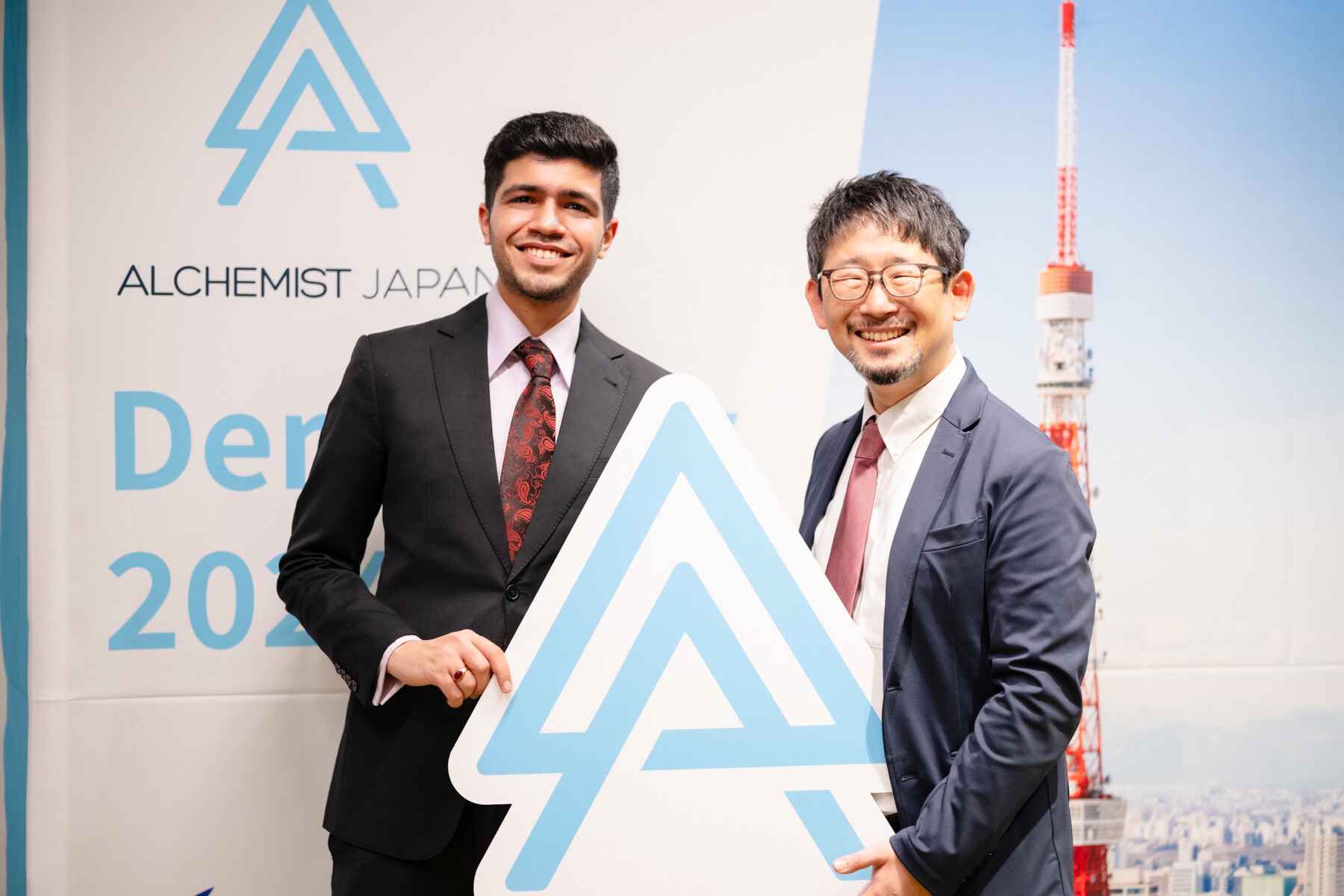
Belani brought a teaching background to the job. Stanford describes his work as a lecturer in management science and engineering and his earlier years at venture firm DFJ. That history helps explain the combination: this is a program about building companies that can attract venture capital, with customer development treated as a skill founders can practice.
Compare accelerators by asking which mentors know your buyer, which alumni faced similar procurement obstacles and whether introductions match your stage. A network’s relevance matters more than its size.
Culture shows up in those routines: candid peer feedback, tailored coaching and relationships that continue after graduation. It also shows up in the permission to question a flattering meeting. Burshteyn’s account is unusually useful because he remembers the wasted cycles alongside the valuable introductions.
“When we were working on our product and asking users for feedback, that was the most valuable thing.”
Mike Burshteyn · CryptoMove · 2019
03 / Read the price tag twice
The flagship’s published economics deserve attention. Alchemist lists average investment proceeds of $30,000 after an offset for its required tuition fee. The cash investment is optional and often takes the form of a SAFE, an agreement for future equity. Most companies grant 5% equity; actual terms vary.
An applicant should therefore examine the investment and the common-equity grant together. Alchemist’s knowledge bank explains that it can hold both investment-linked preferred equity and common equity from the grant. It also says coaches are compensated from Alchemist’s allocation during the program. Founders should not be handing out additional equity to those coaches.
Optional investment; tuition offset; flexible terms. Read the complete offer together.
Partner credits can reduce expenses, but their advertised value is useful only when a startup would otherwise buy those services. They cannot pay salaries. The investment decision is partly a judgment about access: can this program help reach buyers and investors the team would struggle to reach alone?
04 / The laboratory joins the sales call
The model now travels through local partnerships. In July 2025, Alchemist and the University of Chicago’s Polsky Center announced Alchemist Chicago, aimed at quantum, AI, cleantech, robotics and other deep tech ventures. The university contributes research connections and commercialization expertise; Alchemist contributes its founder and investor network.
Tokyo provides another test. Alchemist Japan combines an in-person program with a pathway into the flagship. In its June 2026 announcement, Glidely CEO Shu Oikawa described moving from an interesting AI demonstration toward an enterprise procurement product. He credited practical feedback with sharpening positioning and partner introductions with opening access to enterprise decision-makers.
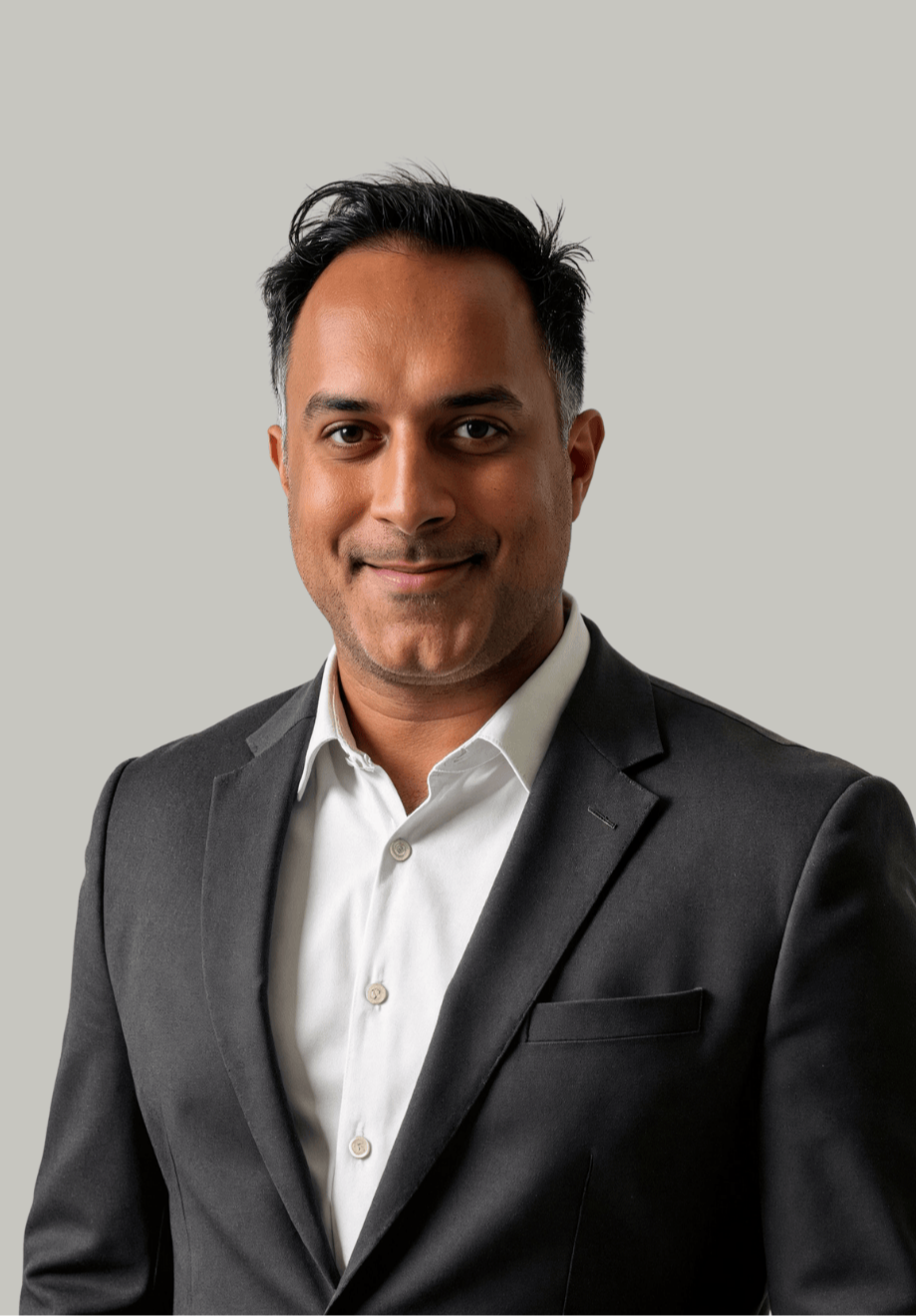
These programs also explain the broader business. Alongside startup equity and investment exposure, AlchemistX offers corporations and governments custom innovation and market-entry programs. Startups seek customers; large organizations seek new technology; governments want companies capable of expanding abroad. Alchemist works where those interests meet.
05 / Borrow the uncomfortable question
Founders can copy a useful part without joining. Alchemist mentor Cindy Alvarez advises starting with a narrow, testable customer hypothesis and asking about how people actually work. Show the proposed solution too early and the interview can become a conversation about your features. The underlying problem goes untested.
- 01Name the problemMake one testable assumption.
- 02Talk to the buyerLearn the work and constraints.
- 03Ask for commitmentTest budget and purchasing intent.
Darren Kaplan’s published sales advice adds the commercial test: ask about budget, approval and the buying timetable. A security review that exceeds your runway belongs in the plan. An enthusiastic free pilot deserves scrutiny if nobody can explain how it becomes a purchase.
Alchemist fits founders willing to do that work and companies with a credible enterprise market. A consumer-only business falls outside its stated focus. A team that already has customers, financing and relevant advisors must weigh the equity cost carefully. And a founder who treats every introduction as validation can reproduce Burshteyn’s mistake. The useful meeting ends with something more precise than applause.