An introduction is a wonderful thing until the rent falls due. In 2014, five men with considerable experience of building organisations started Axilor Ventures in Bengaluru. They wanted to help young founders navigate the opening stretch of a company’s life. The first instrument was an incubator. The later instrument was a fund. Between those two choices sits a useful question: when does helpful advice need money behind it?
- The proposition: early capital, experienced operators and access to a founder network.
- The turning point: a ₹200 crore seed fund launched in 2018.
- The reader’s takeaway: ask what an investor can help you prove before your next round.
The first 100 days
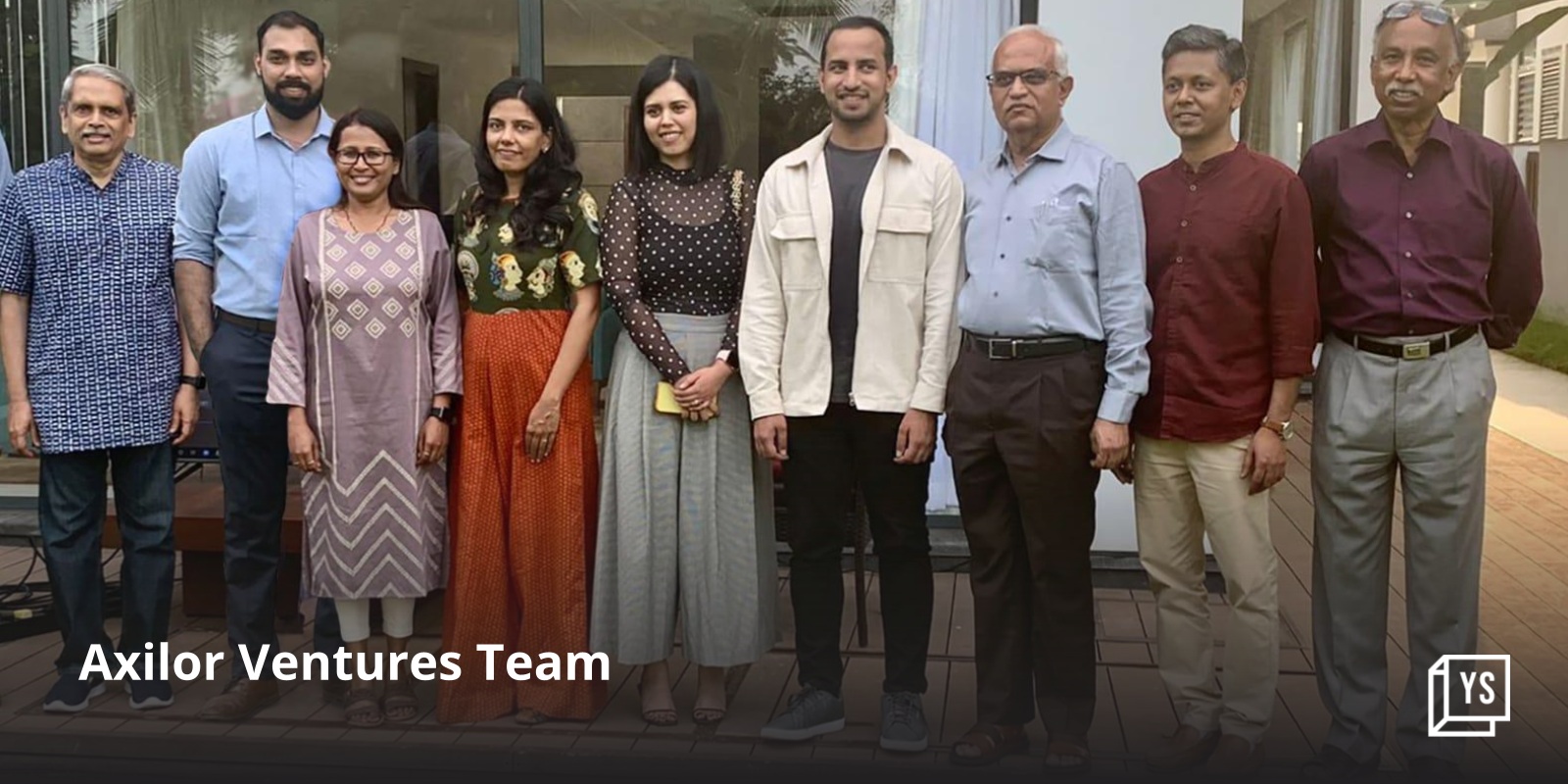
Axilor’s founding group brought together Infosys co-founders Kris Gopalakrishnan and S.D. Shibulal, former Infosys director Srinath Batni, Harvard Business School professor Tarun Khanna, and Ganapathy Venugopal, formerly Infosys’s head of strategy and planning. The connection is more than a pleasing alumni reunion. These were people familiar with hiring, selling and organising technology work. Those skills become useful when a startup has outgrown its founders’ ability to do everything themselves.
The first accelerator cohort began in March 2015. Its programme lasted 100 days, a period short enough to demand decisions and long enough to test some assumptions. In a 2015 interview, Venugopal described founders losing time to predictable mistakes, administrative distractions and fundraising. His proposed remedy combined structured milestones, specialist help and peers. A founder could borrow someone else’s experience before purchasing the same lesson with months of work.
“Balance your founders’ intuition with evidence.”
Ganapathy Venugopal · July 2015
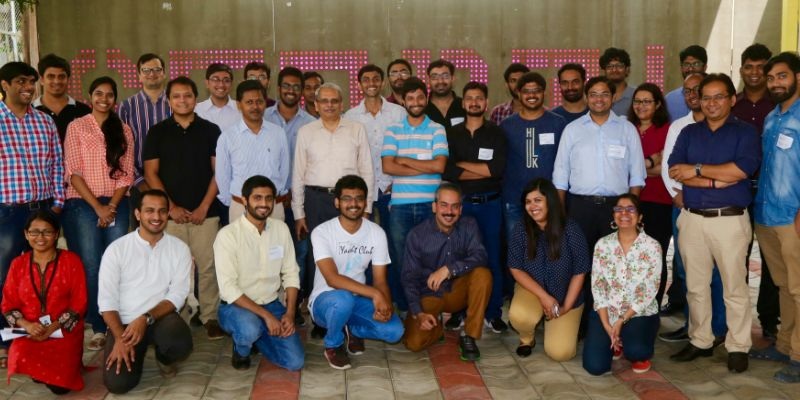
The advice has an agreeable lack of glamour. A founder may love an idea; the customer has other appointments. The early programme pushed toward validation, launch and scale. Reporting on the winter 2016 cohort described founders learning about product-market fit and making industry contacts. The photograph looks like a graduation. The more consequential examination was whether their products could earn a place in somebody else’s budget.
The founders asked for a cheque
By 2022, Venugopal could describe the next step retrospectively. Founder quality had improved, he told YourStory, and founders said their outcomes could be better with access to capital. The accelerator had addressed part of the problem. A useful contact could open a door, but a startup still needed enough runway to walk through it. In 2018, Axilor launched its ₹200 crore Technology Fund.
The change also altered the plumbing. Investments previously made through founders’ family offices moved into a formal investment fund. At launch, the fund described investments of up to ₹3 crore in pre-seed and seed companies. Axilor was building a route toward later financing: help young businesses develop the evidence that a pre-Series A or Series A investor would want to inspect.
In July 2022, the firm announced a second fund with a $100 million corpus. Average cheques were described as $500,000 to $750,000, with 30% earmarked for backing selected first-fund companies again. These are dated announcement figures. They describe the scale and allocation of investment capital, rather than the revenue of the company managing it. Venture capital vocabulary occasionally makes a cheque book sound like a cash register.
A second cheque is evidence, too
Axilor reported that its first fund had backed 54 companies by July 2022. It also reported a 77% follow-on funding rate. That number deserves attention and restraint in equal measure. Another investor’s willingness to commit money is a meaningful signal. It does not establish profitability, a successful exit or the final return to the fund’s investors. A financing milestone is one examination passed; the business still has customers to satisfy.
Axilor’s reported first-fund portfolio figure, July 2022. A financing measure; no promise of future results.
That distinction clarifies the business model. Axilor invests for ownership and eventual financial returns. Its operating audience is the founder; its capital comes from fund investors. Support matters because a stronger portfolio company can become more valuable. The arrangement gives advice an economic purpose. It also gives founders a reason to ask practical questions about dilution, decision rights and precisely what assistance accompanies the money.
Software, science and a leaking pipe
Axilor’s current company description puts enterprise tech, deep tech, healthcare and climate in India at the centre of its investing. It also describes Axilor Labs, a venture-build operation working in areas including longevity and digital therapeutics. Its public investment writing has covered freight, fisheries and AI applied to biology. The connecting interest is technology applied to an identifiable operating problem, although the customers and sales cycles differ considerably.
Two later investments make that range tangible. In December 2024, Axilor led a $4 million round for AdvantageClub.ai, an employee engagement and rewards platform. In 2025, an existing Axilor investor vehicle participated in FluxGen’s ₹28 crore pre-Series A financing. FluxGen’s AquaGen platform helps industrial users monitor and analyse water usage. A rewards programme and a water-management system reach very different buyers. Both must persuade an organisation that changing its habits is worth the expense.
Borrow the method, keep the questions
For a founder considering Axilor, the relevant comparison is with other early investors and accelerators: who understands this buyer, this technology and this stage? Blume, 3one4 Capital, India Quotient, Accel and Antler offer alternative routes, with different mandates. Axilor’s particular proposition combines an operator-founded network with early funding. A useful introduction should shorten a specific task: finding a pilot customer, hiring a specialist or meeting an appropriate next investor.
The approach depends on demand that can be demonstrated and a company suited to equity financing. A network cannot make a reluctant customer buy. A larger seed round cannot repair a product that solves the wrong problem. The part a reader can copy is inexpensive: name the assumption, find evidence, ask for specific help and decide what the next cheque must accomplish. Good advice becomes considerably better when someone can put it to work.