Yen Ming Lee was driving home from work when the comfortable life began to look negotiable. He had a bank job, a corporate career and the sort of professional footing people generally spend years trying to obtain. In his later account, the question that interrupted the journey was whether there might be something else worth doing. There was no grand announcement. The first audience was one person, in a car.
He has described himself as an unlikely convert to entrepreneurship. That is a useful place to begin with the co-founder and Group CEO of PolicyStreet. The insurance technology company now carries the names of venture firms and sovereign funds in its investment history. Lee’s recollection starts with the quieter problem of being comfortable enough to stay.
“I never thought I would get into entrepreneurship, I was too comfortable with my corporate job and here I am”
Yen Ming Lee, recalling his career change in 2020
The drive home
Before PolicyStreet, Lee worked across banking, telecoms and consulting. His career included Maxis, Citibank, HSBC and Standard Chartered. At Standard Chartered he was a director working on digital initiatives. He had already been close to the intersection of financial services and technology; the question was what to do with that experience outside a large institution.
His education had taken a different route into the subject. He earned a first-class honours degree in electrical engineering at the University of Malaya, then an MBA at Strathclyde Business School. An engineer’s degree, a banker’s job and an entrepreneur’s eventual workload make an untidy business card. They make a rather more interesting biography.
The transition involved building a fintech community and working on startup acceleration through Finnext. Lee’s account places his meeting with Wilson Beh in that chapter. They shared an interest in insurance solutions. Winnie Chua brought the third person into the founding team. The company emerged from people with experience of the institutions they wanted to work with, and with a desire to change how customers encountered insurance.
For Lee, leaving corporate employment did not erase the previous career. It moved that experience into a different setting, where a title could no longer provide an organisation’s machinery behind it. A founder has to assemble the machinery. In insurance, some of its most consequential parts are permissions, qualifications and relationships.
A founder goes back to class
One revealing detail in Lee’s recollection is the studying. He described completing four finance modules within six months, years after his earlier education, as the team worked toward financial-adviser approval. The image belongs beside the pitch decks and investment announcements: an experienced executive returning to coursework because the business needed him to qualify.
It is an unusually practical piece of the founder story. The ambition may have been expansive, but the next task had a syllabus. Anyone who has revisited a subject after a long absence will recognise the distance between having experience and being ready for an examination. The experience does not sit the exam for you.
In 2019, PolicyStreet received Financial Adviser and Islamic Financial Adviser approval from Bank Negara Malaysia. That development widened its ability to work with insurance and takaful providers. The business could move beyond its early distribution arrangements into a broader advisory role, with more products and relationships available to it.
Regulatory approval rarely provides the liveliest photograph in a company history. Yet it changes the story’s verbs. What a team may recommend, arrange or develop determines the service it can offer. Lee’s return to studying is memorable because it connects an individual’s effort to a concrete change in the organisation.
An insurance counter inside your phone
The next part of the story concerns where insurance appears. In a conventional buying journey, a customer sets out to find a policy. Embedded insurance places the offer inside another activity: shopping, arranging a service or using a digital platform. The encounter begins with something the customer already wanted to do.
PolicyStreet’s relationships have included Shopee, foodpanda and CARSOME. Its work with Shopee has included protection for purchased items. These are useful examples because the purchase supplies a context. A customer need becomes easier to understand when it is connected to a specific object or transaction, rather than introduced as an abstract financial obligation.
There is still plenty of work behind that apparently simple encounter. Someone has to arrange the product, connect the systems and make the coverage function. A neat button cannot carry all those responsibilities by itself. Insurance has a habit of remaining complicated even when its sales surface looks agreeable.
Lee’s business has progressively added capacity behind that surface. PolicyStreet obtained insurance and reinsurance licences from the Labuan Financial Services Authority in 2021. Those permissions allowed it to customise and underwrite products for underserved markets. The company’s development therefore involved both reaching customers differently and gaining more influence over what reached them.
In the 2020 Asia InsurTech Podcast conversation, Lee resisted making too much of the distinction between distribution channels. The consumer remained the consumer; the route had changed. That is a helpful restraint in an industry fond of assigning a new name to every doorway. The important question is what happens when someone walks through it.
Three founders, and a familiar face
PolicyStreet is a shared undertaking. Lee leads the group, Beh is its co-founder and chief operating officer, and Chua is its co-founder and chief product officer. The three responsibilities suggest how much of the work sits outside the familiar image of a CEO presenting a company onstage. Products need making. Operations need running. Someone must keep the whole enterprise pointed in a workable direction.
Lee’s public messages frequently bring the team into the frame. When the Series B was announced in 2023, he recalled the starting trio and a business that had grown to more than 70 people. A funding announcement becomes more human when it includes the people whose working lives the new money will help shape.
One connection reaches further back. Altara Ventures’ Dave Ng has said that he and Lee attended the same high school. Altara later joined the investors leading PolicyStreet’s 2021 Series A. The school connection is a small fact, and it should remain one; it does not explain the investment. It does give the relationship a history longer than the fundraising process.
The company also invited smaller investors into that history. Its 2020 crowdfunding effort brought in 234 investors. The idea was that participants could also become ambassadors for the business. For a young company trying to become familiar, a shareholder who talks about it supplies a different kind of distribution.
The numbers acquire a history
In September 2021, PolicyStreet raised US$6 million in a Series A led by Altara, Auspac and Gobi Partners. Two years later, Khazanah led its US$15.3 million Series B. The sequence records an expanding circle of institutional support around a business that had already been accumulating licences and partnerships.
Khazanah’s arrival carried particular significance for a company rooted in Malaysia. The investment came through its Dana Impak mandate, connecting the financing to broader economic and social aims. PolicyStreet’s focus on customers and businesses with insufficient protection gave that relationship a practical subject to work on.
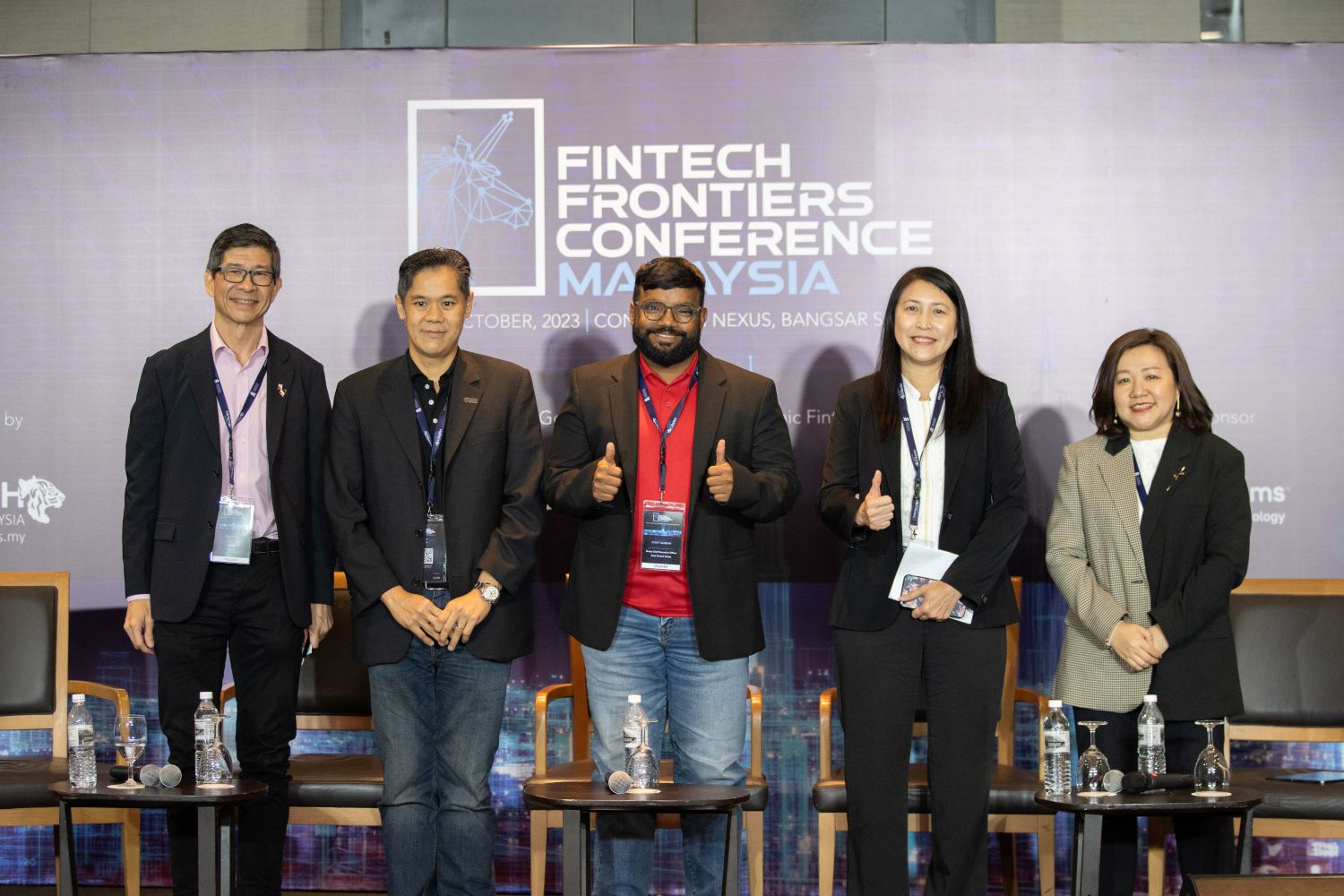
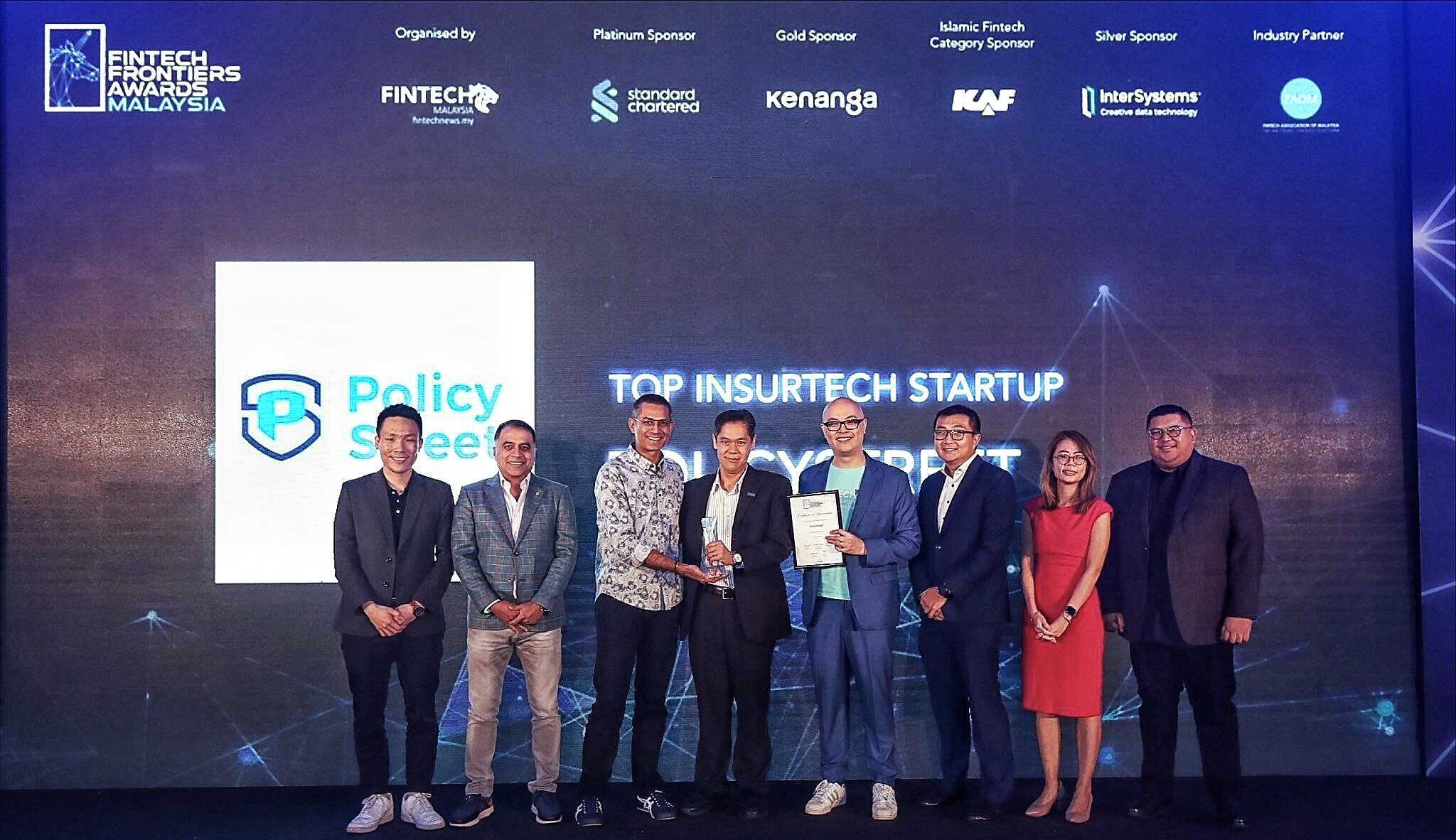
Recognition accompanied the investment story. Lee received the ASEAN Business Advisory Council’s Young Entrepreneurs Award in 2020. PolicyStreet won the Top Insurtech Startup category at the 2023 Fintech Frontiers Awards. The following day, he joined a conference discussion about Malaysia’s new digital insurance licences, putting the product and regulatory questions back on the table.
In April 2026, Cool Japan Fund led a US$21 million first close of PolicyStreet’s Series C. A further US$5 million from BlueOrchard brought the round to US$26 million in July. Another set of investors had joined the company’s next phase. The new money came after the business reported profitability for its 2025 financial year.
Malaysia, then the next conversation
Lee’s current regional approach is measured. In markets including Hong Kong and Vietnam, PolicyStreet has worked through local insurers and ecosystem partners. That approach acknowledges a straightforward difficulty: insurance rules, distribution habits and customer needs change across borders. Experience in Malaysia gives the team something to bring to the discussion; the local discussion still has to happen.
His stated ambitions remain tied to access. In 2026, PolicyStreet set out a goal of reaching 1.5 million gig workers and 300,000 SMEs and MSMEs by 2030. These are future targets, with a deadline and substantial work attached. A company can report a round in one afternoon. Reaching that many businesses and workers will occupy considerably more afternoons.
September 2026 brought further recognition for growth and microinsurance, alongside a third consecutive Malaysia Most Disruptive Insurtech award from InsuranceAsia News. The announcements describe a business extending the work it began in its home market. For its CEO, they also raise the ordinary founder question that follows every milestone: what now needs doing?
That question brings Lee’s story back to the drive home. He began by reconsidering a job he could comfortably have kept. Since then, the decisions have become more specific: take the modules, pursue the approval, find the partner, develop the product. The scale has changed. The appeal of his story remains in those recognisable acts of choosing work, then learning how to do it.