A client changes the words. For an animation studio, that can be a small edit or a rather expensive sentence. On Wolf Den’s Meta AI assignment, the prompt-response copy needed replacing after much of the imagery had been settled. The Oakland studio had prepared for that moment, building components that could accept new content. Behind the finished pixels sat a less glamorous achievement: a production that expected the brief to move.
That is a useful introduction to Wolf Den. Its portfolio has the familiar attractions of a motion-design studio: polished objects, expressive characters, lively type. Look closer and the assignments become more interesting. A holiday campaign needs months of material. A financial explanation has to work silently. A customer’s recorded voice needs pictures. The creative task changes with the place the work will appear.
Wolf Den sells the expertise to make those decisions and execute them. Its customers are businesses, including brands commissioning work directly and agencies assembling larger productions. The audience might be a shopper, a football fan or someone waiting inside a hospital. Those are very different reasons to look at a screen.
A founder who waited for the work
Founded in 2018, Wolf Den identifies Gustavo Baltazar as its founder and creative director. His public introduction to the studio was refreshingly tentative. Sharing its 2020 reel, he described the previous 20 months as a challenge beyond his usual comfort level and credited mentors, friends and former colleagues with helping him get established.
“I wanted to prove to myself that I could make it happen before I shared it with the world.”
Gustavo Baltazar · 2020 reel announcement
The studio’s team page puts a producer, Koala Moredo, alongside illustrators and animation talent. Project credits expand that picture: teams change with the assignment, and individual artists receive credit for specific disciplines. This is a useful way to read a creative business. The names tell you who directed, who drew, who animated and who kept production moving.
The edit is part of the design
For Meta AI, Wolf Den worked with the internal design team on desktop banners and mobile assets under a tight schedule. Its tools included animated text controls, modular backgrounds and guidelines for movement. Several animators were available to handle the workload. When copy changed, the production already had a structure for replacing it.
The lesson is practical: identify the ingredients most likely to change before making them difficult to edit. For a team commissioning repeat content, the delivery can include a way to make the next version. That requires agreement about what stays consistent and what should remain adjustable.
Pinterest needed more than a premiere
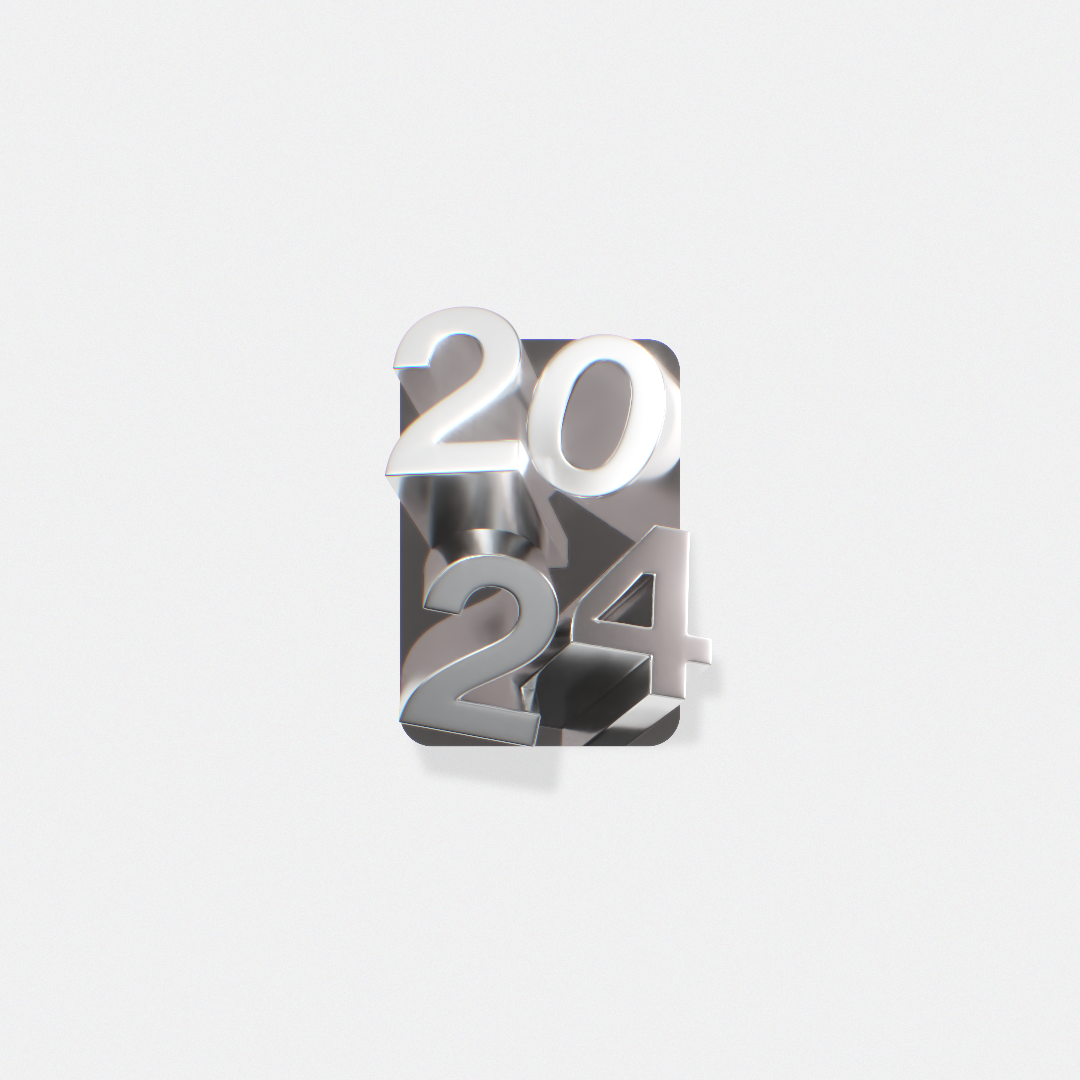
Pinterest’s 2024 holiday assignment had a longer life in mind. Wolf Den created an animated asset for a six-month campaign, with uses spanning presentation covers, house ads, social posts and email headers. The brief called for movement and glamour. The distribution plan called for a design that could travel.
A separate assignment for Pinterest Presents 2023 shows a different judgment. Pinterest already had a 3D introduction made with BUCK. Wolf Den handled the subsequent title sequence, using footage, typography and black borders to suggest a journey through a film strip. The contribution was specific: give the next part of the program its own visual rhythm.
Earlier, the studio supplied animated collages for a Pinterest project about Elizabeth Banks’s inspiration for Charlie’s Angels. Even/Odd Films was the production company. Across these assignments, Pinterest appears as a recurring client with several creative needs. The repeated name matters, but the variety of the work tells a fuller story.
Who built HotGirl Enterprises?
For Cash App, Megan Thee Stallion appeared as the CEO of HotGirl Enterprises in a series covering personal finance, investing and Bitcoin. Even/Odd’s production credits identify Wolf Den as the animation contributor. Baltazar directed that work, with Moredo managing the animation project and a wider group handling design, modeling and movement.
Wolf Den’s own account describes assembling a substantial 3D team for visual development and custom models. The videos were made for social and broadcast placements. A celebrity could give the campaign a recognizable face; the animation team supplied another layer of its visual world.
The distinction between production company and animation studio deserves attention. A brand film can contain several businesses’ work. For a prospective buyer, the useful question is which part of that film demonstrates the capability being hired. Here, the documented answer includes 3D design, animation direction and the coordination of specialist artists.
Give a voice something to look like
Coalition brought customer interviews. Wolf Den turned those recordings into animated testimonials, developing an illustration treatment from the client’s existing brand guidelines. Its published process includes storyboards and finished styleframes, with credits covering illustration, animation and sound design.

The format changes what a testimonial can show. A recorded interview supplies the account; illustration can establish settings and depict ideas without requiring a camera at every event being described. The editorial responsibility remains substantial: pictures need to support the person’s meaning. That makes the storyboard a useful place to review the relationship between words and images before committing to animation.
Five films. Sound optional.
The Visa Fintech project imposed another concrete constraint. Wolf Den made five animated B2B videos, with Intrepid credited as the agency, and aimed to preserve comprehension without audio. The drawings had to carry enough detail to explain the action while keeping the presentation simple.
For a commissioning team, that is a test worth borrowing. Watch the edit muted. Can a viewer still follow the sequence and understand the point? A voice-over may make a film feel complete in a review meeting while concealing information the pictures never deliver. Wolf Den’s stated Visa brief made silent viewing part of the design problem.
From the taxi screen to the hospital
TrueCar approached Wolf Den ahead of a website launch. The studio developed a minimal brand video with typography and animated color gradients. Its account lists digital outdoor placements, including bus stops, airport signs and taxi or rideshare screens, alongside connected television platforms such as Hulu, Roku and Prime Video.

The same portfolio includes a very different public setting. Stanford Health Care commissioned heritage-month videos, using illustration and kaleidoscopic animation for patients and staff. Credits name Donni Jones on script and a design group including Ulises Mendicutty, Jessica Tsoi and Vanessa Tsoi. The audience and purpose put that work in a different register from a shopping campaign.
Wolf Den also worked on Stanford Health Care’s animated vaccine-information PSAs. Illustrator Janelle Cummins describes joining early to help establish a style and contributing sketched storyboards after script approval. Her account supplies a useful glimpse of the handoffs involved. Before anything moves, people have to agree on both the message and its visual treatment.
A schedule with something to decode
The studio’s 49ers collaboration offers an example of work recognized outside its own portfolio. With Fresh Tape Media, Wolf Den helped create a Westworld-inspired film announcing the team’s 2020 schedule. CGI football imagery and symbols representing opponents made the announcement a puzzle for fans, ending with a helmet emerging from liquid.
The roughly 90-second piece became a 2021 Hashtag Sports finalist for Best Use of Graphics or Animation. The entry reports more than 550,000 views. That figure belongs to this particular campaign and its reporting context; it is a useful result, not a forecast for another client.
The creative logic was unusually clear. Fans could get the fixture list elsewhere. This film gave them a reason to inspect an announcement they already wanted to see. Animation had a job beyond presenting dates: it made recognizing the opponents part of the entertainment.
The useful brief starts before the pretty frames
Across the portfolio, Wolf Den occupies a specialist position in commercial production. Its work ranges from complete commissioned animation to a defined contribution within an agency’s campaign. Alternatives for a buyer include an internal motion team, independent artists or another design studio. The choice depends on the assignment’s creative demands and how much coordination the buyer can manage.
A sensible inquiry would specify the message, audiences, screen formats, deadlines and expected revisions. It should also distinguish a finished film from reusable files or templates. Those are different deliverables, with different amounts of preparation. Asking for a scoped proposal makes the cost conversation concrete: what has to be designed, built, approved and delivered?
Reusable systems make particular sense when content will change while its presentation remains consistent. A single fixed animation may offer fewer reasons to invest in that machinery. Nor can polished movement settle an unclear message. Wolf Den’s most instructive projects begin with a constraint that the creative work can actually solve: silence, changing copy, a long campaign or a story waiting for pictures.