The pickle was the problem. For a Cup Noodles flavor launch, Bubba’s LA had a cheerful assignment: put an oversized animated pickle alongside polished product imagery and hand-drawn butterflies. The hard part was making the vegetable move properly. Its project notes acknowledge trial and error before the performance clicked. Even a pickle, it turns out, needs direction.
That small admission is more revealing than a wall of client logos. Motion studios sell finished seconds: smooth, deliberate, apparently inevitable. The useful work happens earlier, when somebody decides that a movement looks wrong, a drawing needs company, or a polished image is the wrong way to tell a difficult story. Bubba’s portfolio gives those decisions unusually concrete forms.
The Burbank company makes animation, motion graphics, visual effects, live-action films and television titles. Its clients and collaborators span consumer brands, entertainment and public service. Founder and executive creative director Ian Nelson is the contact for new business. The studio’s proposition is straightforward: bring an idea that needs visual form, and it can help choose the form as well as make the pictures.
A pickle with a performance problem
Agency Cornett brought Bubba’s the Dill Pickle assignment. The resulting film combines 3D product views with 2D cel animation. That combination lets the packaging behave like a tangible object while the surrounding world follows cartoon rules. The pickle supplies personality; the cup keeps the product recognizable. Both have a job.
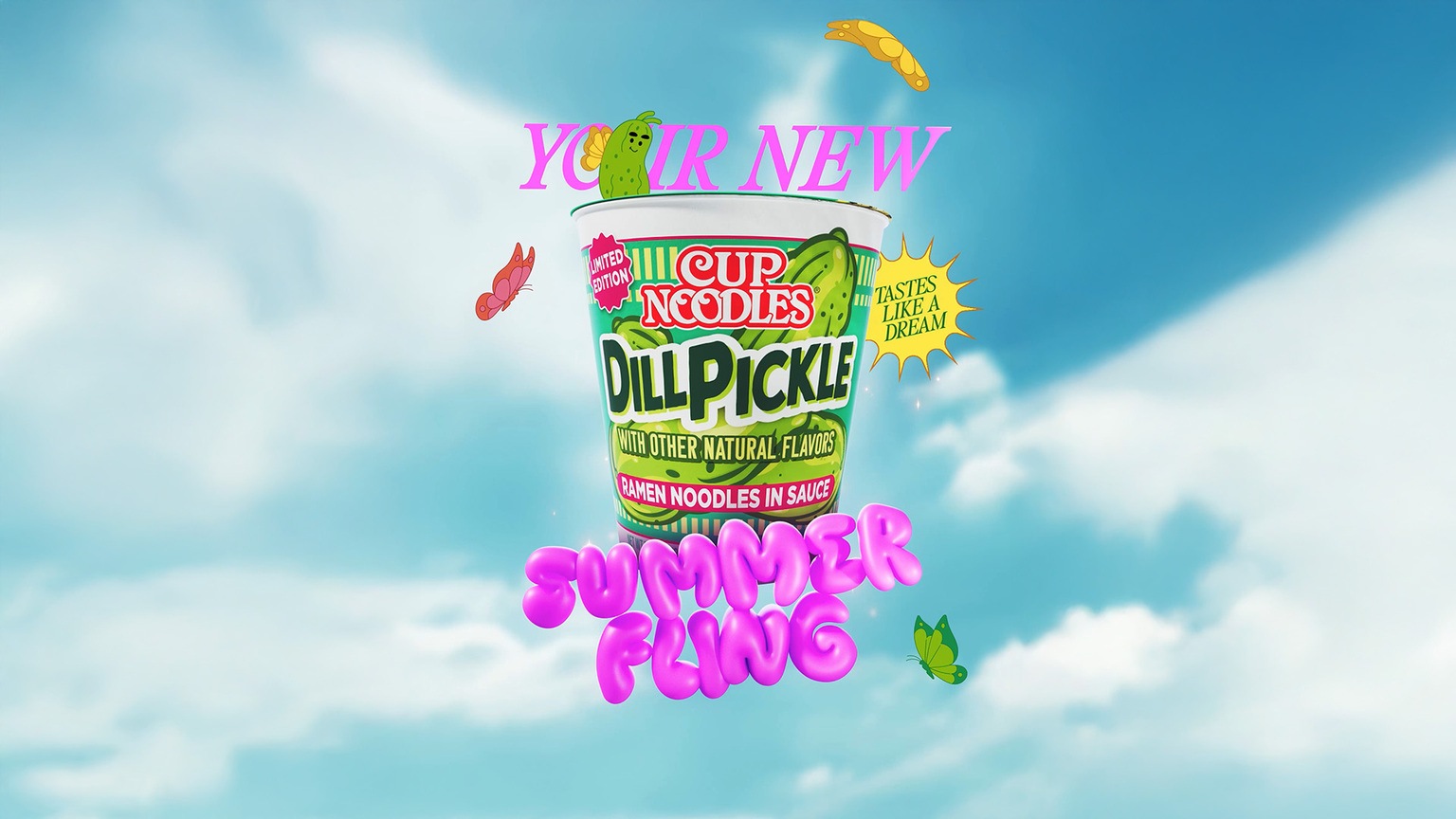
The lesson for a creative buyer is to locate the uncertain part early. In this case it was movement, the thing a still image cannot settle. A beautiful presentation frame can win agreement on color and composition while leaving the central performance unresolved. Testing that performance before treating the look as finished is a practical habit worth borrowing.
It also offers a better way to judge animation than counting how much is happening. Does the character register? Is the product legible? Does the motion support the tone? A viewer never needs to know which parts were modeled and which were drawn. The production team needs to know exactly why each method is there.
The robot comes out for Nike
For The Story of Air Max, production company Calico approached Bubba’s for a graphics package and main titles. Nike supplied sketches and assets, with a brief to follow the shoe line’s evolution from the original Air Max through later generations to the Air Max 2090. It was a design-history assignment with an unusually desirable archive.
During development, the studio decided the shoes needed to be seen as complete objects, from multiple angles. It brought several generations of Air Max into its tabletop studio and used motion-control cinematography. The camera robot had a name: Bubba. A sneaker enthusiast helped supply the shoes.
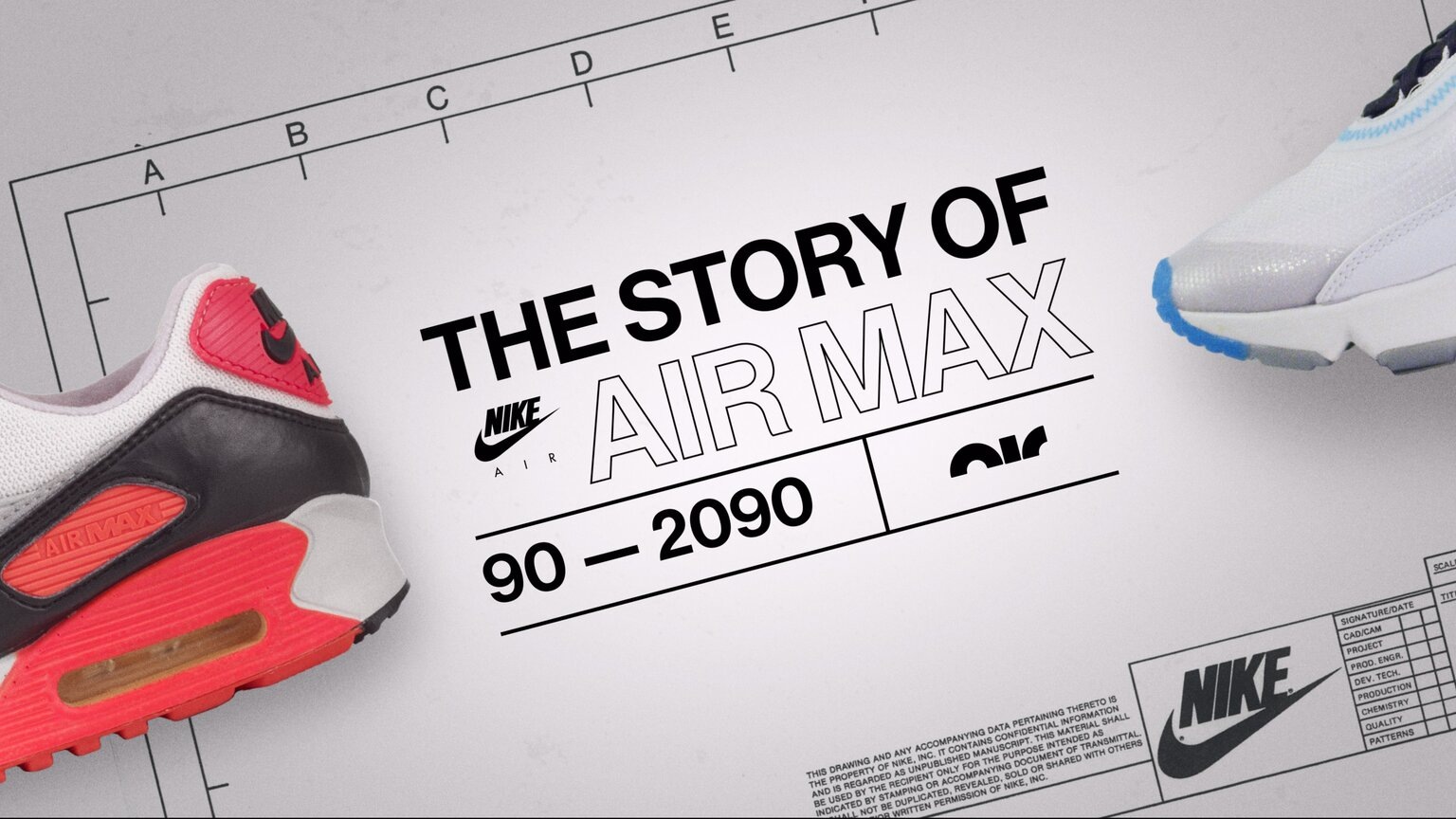
That decision explains the value of having photography and design close together. A graphics brief could expand to include filmed objects because the studio had another way to solve it. The general lesson is to leave room for the material to change the treatment. Sometimes the most convincing way to show an object is to put the object in front of a camera.
This is a useful distinction in a market where service lists often look interchangeable. Bubba’s can point to an actual production choice connecting its disciplines. A prospective client can ask about that choice, inspect the result and decide whether the same flexibility would help their own brief.
A cartoon changes the temperature
The same toolbox serves a very different purpose in Mustafa Goes for a Walk. Bubba’s animated the film with illustration collaborator Gilles+Cecilie Studio for UNICEF’s Unfairy Tales campaign, led by agency 180LA. The series drew on the experiences of Syrian refugee children. Mustafa’s account concerns escape, separation and the things a child leaves behind.
The assignment called for an opening that resembled a sweet children’s story, followed by the realization that the child was fleeing danger. Bubba’s describes drawing on Saturday-morning cartoons and choosing rough animation tied to Mustafa’s interview dialogue. The visual treatment had to carry a change in emotional temperature without losing the person speaking.
The wider Unfairy Tales campaign won five Cannes Lions in 2016, including the Grand Prix for Good. Its three animations and interactive book involved several specialist partners, and the campaign was translated into 14 languages. Bubba’s contribution belongs within those shared credits. That collaboration is part of the achievement.
One of three animated stories was Mustafa’s, animated by Bubba’s with Gilles+Cecilie Studio.
For anyone commissioning sensitive work, the takeaway is about control of tone. The most elaborate image is not automatically the most appropriate one. A child’s recorded account creates obligations for the imagery around it. Here, the studio’s explanation of its method puts the testimony at the center of the creative decision.
Small films, very specific jobs
Bubba’s commercial output also shows how much a short film can be asked to accomplish. For Fendi’s SoHo pop-ups, Legs Media brought in the studio, with Lauren Sick directing the creative approach. The team used children’s pop-up books as inspiration and drew on pieces from Fendi’s collections. The result was three 15-second animations. The idea was tucked inside the assignment’s own name.
Disney’s Magic Bake-Off demanded a different kind of play. Bubba’s describes several days with flour and sprinkles spread across a stage to make the show’s teaser. The delivery included three versions of a 30-second spot in different dimensions for social platforms. Behind a whimsical surface sat a familiar production requirement: the work needed to fit several places.
LA Metro’s Safetyville relaunch puts character animation to public use. Early stories follow Shelly, trying to reach yoga as her bus pulls away, and Mark, impatient to be first. These are recognizable little motivations with consequences attached. The warning arrives through behavior rather than an abstract instruction.
Together, the projects show the range of buyers the studio serves: fashion marketers, television promotion teams, transit communicators and their agency partners. Each needs something different from the audience. A useful brief names that desired response before it names a technique. Admiring a product, understanding a show and remembering a safety rule are separate creative problems.
The invoice buys decisions, too
Bubba’s operates as a commissioned creative and production business. Its own explainer page says pricing depends on style, complexity and scope, and describes a typical six-to-eight-week timeline for that offering. That is guidance for a particular kind of work, not a promise covering every film in its reel.
Its Clutch listing advertises a $25,000-plus minimum project size and an hourly range of $150 to $199. A 2022 advertising-agency review reports a live-action digital campaign in the $10,000-to-$49,999 band. The reviewer describes help from concept through production and post, including voiceover and mixing, under a tight deadline. These published figures provide orientation; a project still needs its own quote.
A buyer can make that conversation more productive by bringing a delivery list: runtime, screen formats, versions, deadline, available assets and approval responsibilities. The Disney example makes the reason obvious. One idea can require several finished files. Discovering those requirements after the shoot changes the production problem.
The process also needs room for feedback. Bubba’s explainer offering moves from discovery and concept development through visual development, production, refinement and delivery. For a client, those stages are opportunities to answer different questions. Agree on the story before approving its appearance; settle the appearance before expecting a finished performance.
This kind of engagement makes most sense when a brand needs original visual thinking and has the budget and attention to develop it. If the assignment is a routine edit using approved assets, the buyer may need a narrower service. If stakeholders cannot agree on the message, adding production complexity will multiply decisions. Those are commissioning judgments, not shortcomings unique to this studio.
A small studio with room to play
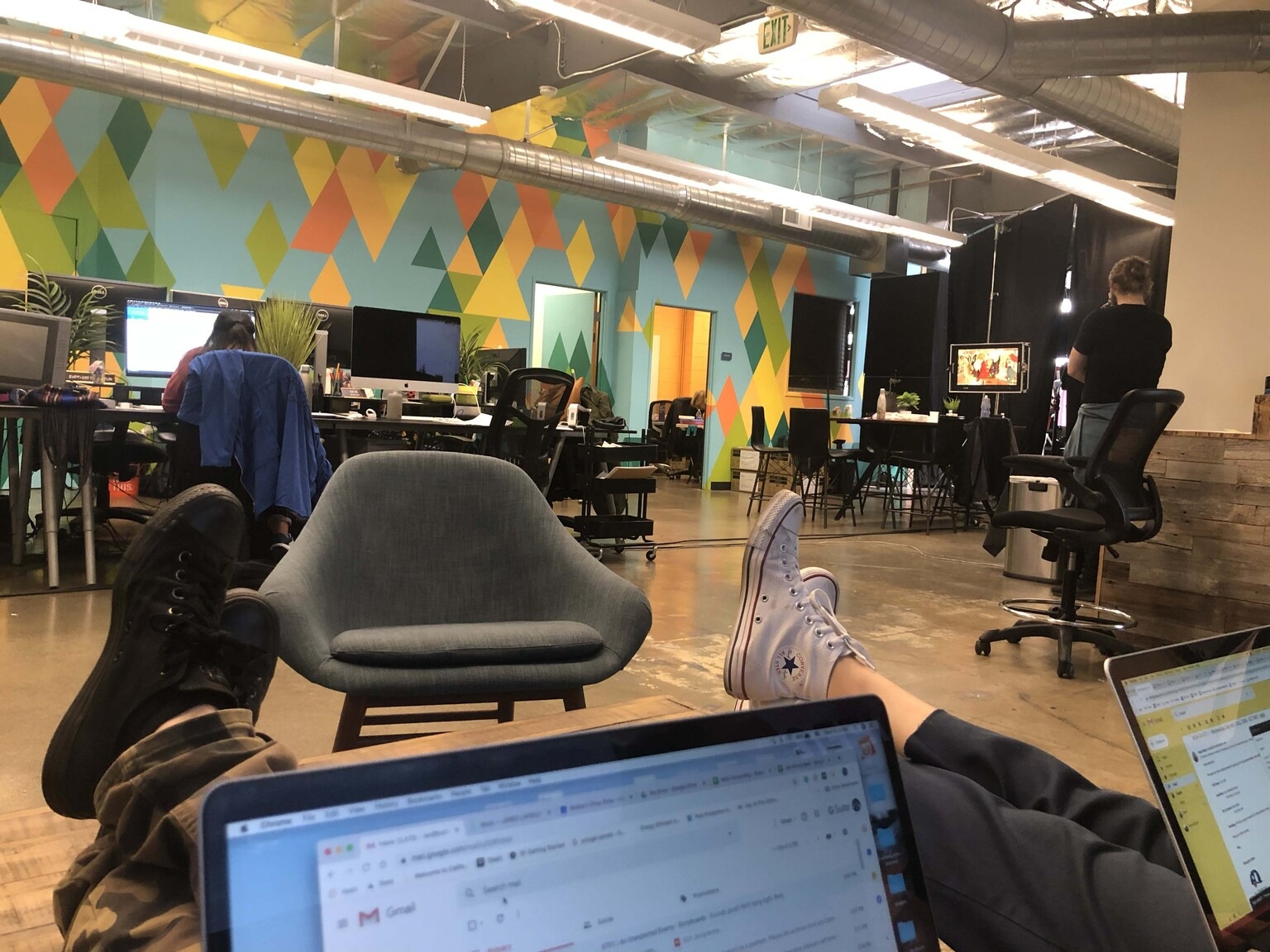
Bubba’s describes its small size as intentional. Its About page emphasizes collaboration among designers, animators, strategists and makers. Its public Play section, called the Chop Shop, gives experiments their own space. Even the reel library has a little personality: alongside design, tabletop and show titles sits a dedicated tire reel.
“We don’t sell execution. We sell pulling it off.”
Bubba’s, on its approach
The line is a sales pitch, but the case studies give it something to stand on. A moving pickle needs iteration. A sneaker documentary benefits from physical shoes. A refugee’s account requires a carefully judged style. Each example makes the studio easier to evaluate than a claim that it can do everything.
The portfolio suggests a position between a specialist animation supplier and a broader production partner. Agencies can bring Bubba’s into a campaign for particular craft; brands can commission a more complete film. Its appeal rests on how those capabilities meet inside a project, and on whether the resulting work answers the brief.
For a prospective client, the sensible next step is to watch whole pieces, including the quieter transitions and the final product frame. Then ask what had to change to get there. A useful creative partnership begins when both sides can discuss the awkward part of the assignment. Sometimes that part has seeds, a green complexion and absolutely no natural sense of rhythm.
See the work move
Explore the studio website, reels and Chop Shop experiments. Watch Dill Pickle, The Story of Air Max and Mustafa Goes for a Walk.
Follow Instagram, LinkedIn, X or Facebook. Read the Unfairy Tales award announcement.