A crystal oscillator is an unlikely advertising star. It has no lifestyle to sell, and its buyers are liable to ask awkward questions about frequency stability. For WelComm, that is promising material. The San Diego marketing communications agency specializes in explaining electrical and electronic technology to people who understand it well enough to be skeptical. Its preferred audience is the engineer on the other side of the sale.
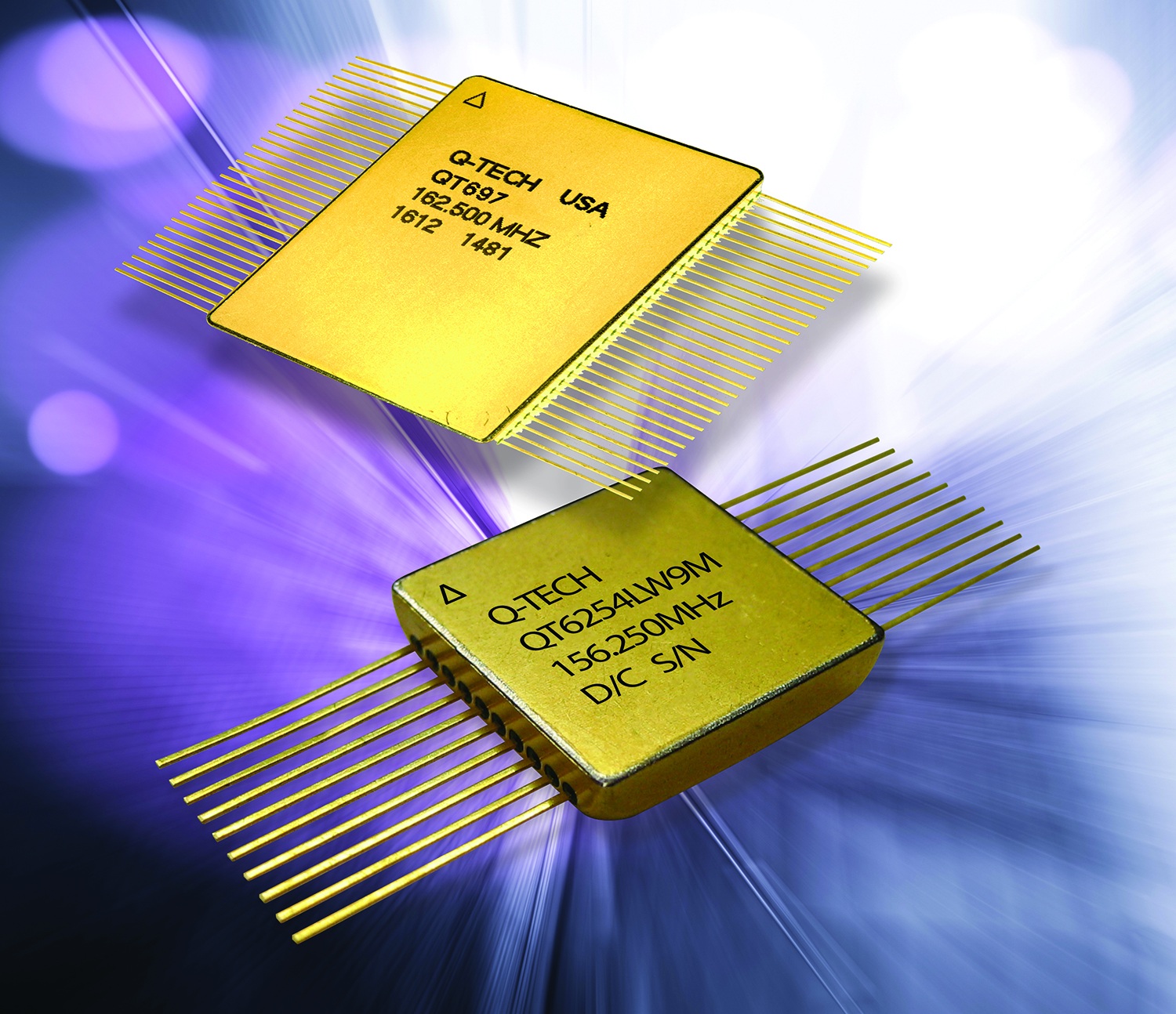
Consider a 2021 announcement from Q-Tech, which lists WelComm as its agency contact. The news concerned available inventory, including space-qualified oscillators and less costly B-level parts for development. The useful distinction was practical: a customer building an early prototype might need a different purchasing option from one preparing flight hardware. Here was a story about project constraints, disguised as a components announcement.
WelComm calls its specialty engineer-to-engineer marketing, shortened to E-to-E. The phrase is tidy, but the assignment is demanding. Keep enough detail to earn a technical reader’s confidence. Explain why that detail matters. Then get the explanation to someone who might actually use the product. A clever headline can help. It cannot do the whole job.
The specification needs a consequence
The company’s public relations pitch turns on two little words: so what
. A feature identifies something a product does. A useful marketing argument connects that feature to a customer’s problem. In WelComm’s market, the difference might concern a design choice, a testing procedure or the availability of a component when a project needs it.
Its published PR process begins close to the technical work. The agency can interview product managers, field application engineers and customers, conduct research, and develop supporting figures. It also handles the less glamorous machinery of publicity: approvals, editorial calendars, press lists and coverage reporting. Those tasks put some substance behind the promise of technical fluency.
“We love talking about innovation.”
WelComm, on why it does the work
The distinction is especially useful when a launch contains several possible stories. A product manager may focus on what changed inside the device; a buyer may care about the job that change makes possible. Choosing between those perspectives is editorial work. WelComm’s proposition is that an agency familiar with the technology can make that choice without losing the meaning of the original information.
A client list with a soldering iron nearby
WelComm’s published client roster makes its position in the market unusually easy to see. Q-Tech, AXTAL, Taiwan Semiconductor, ACCES I/O and Vitrek sit alongside the Applied Power Electronics Conference, known as APEC, and the Power Sources Manufacturers Association, or PSMA. Former clients are listed separately and include Fairchild Semiconductor, Honeywell and GaN Systems.
This is a concentration in electronics and related industrial technology. The commercial opportunity lies in helping suppliers communicate with the people specifying, testing and buying their products. Industry organizations have another job for the same skills: explaining why an event, technical program or professional community deserves someone’s attention.
The portfolio reaches into buildings, too. A 2017 H2O Degree announcement described cloud-based leak detection, alerts and reporting for property operations, with WelComm contacts attached. That example makes the translation job plain. Wireless sensing becomes a story about locating a water problem and prompting a repair. The technical system remains central, but the reader gets a reason to care about its operation.
For a prospective customer, the roster is a useful first filter. A supplier with a demanding engineering audience can see familiar territory. A brand seeking a broad consumer campaign would have a different brief, and would need to assess relevant experience accordingly. WelComm’s focus gives its offer definition; it also establishes the questions a buyer should ask before commissioning work.
The people behind the vocabulary
Founder Greg Evans’s company biography lists an electrical engineering degree, an MBA and professional engineer credentials. It also mentions his continuing attempt to break 80 at golf. The juxtaposition supplies a welcome human detail in a business full of acronyms: technical competence, commercial training and an uncooperative scorecard.
The same team page names Kathy Naraghi as president, with a background in marketing and financial management. Its wider roster includes technical journalism, editing, writing, web engineering and creative direction. Those are complementary jobs. A technically correct explanation still needs an editor; a finished article still needs a readable page.
Evans’s industry involvement offers another clue to the agency’s specialization. PSMA lists him as a marketing committee co-chair. In a 2021 article about APEC’s move online, he was identified as publicity co-chair and described as having served on the conference committee for more than 20 years. The relationships extend into the professional community the agency’s clients want to reach.
That does not make any particular campaign successful by itself. It does make the business easier to understand. WelComm sells a combination of subject familiarity and communications labor. Its own description of enjoying technology launches fits the work: somebody has to find a new component interesting before persuading an editor to spend time on it.
One brief, several places to use it
WelComm offers individual services as well as integrated programs. Its services page says one client may need PR, another websites and social media, while another uses the wider offering. The business is a professional services agency, with work shaped around the customer’s communications needs.
Advertising adds media planning, concepts, copy and campaign management, including Google and Microsoft search advertising. The company describes an advertisement as a substitute for a sales call: convey a benefit, reach the appropriate audience and ask for a response. That is a useful standard for evaluating an industrial ad. Attractive artwork has a job to do beyond occupying the space.
Creative work extends to visual identity, brochures, technical materials and scripts. The agency’s stated sequence puts the message and intended response before design. For a technology supplier, the implication is straightforward: decide what a reader should understand and do before debating the typography. Both decisions matter, but they answer different questions.
Technical inputProduct knowledge and interviews
Buyer relevanceThe application and its benefit
Usable materialArticles, creative and web content
DistributionEditors, advertising and social channels
The website offering completes another part of that route. WelComm lists site design and implementation, search optimization recommendations, content creation and analytics. It also offers product demonstrations and tutorials under a “Chalk Talk” description. These services give a supplier somewhere to take an interested reader after the first announcement or advertisement.
Social work includes planning, content and monitoring industry conversations. The interesting part is the listening: what questions are people asking about a company, its products or competitors? For the reader considering an agency, that creates a sensible distinction between commissioning posts and commissioning work that responds to an audience.
Global reach, with local editorial judgment
In 2012, WelComm added international PR support. Its model pairs content produced by the agency with regional partners that translate, adapt and place it. The company describes coverage across the Americas and markets including China, India, Korea, Japan, the United Kingdom and Germany.
The division of work matters. Shared technical material helps keep a product explanation consistent; regional agencies bring contact with their own press communities. The approach recognizes that distributing identical words everywhere is only one part of communicating across markets. Editorial interests and local requirements still need attention.
There is a practical lesson here for smaller suppliers planning an international launch: settle the technical explanation, then allow room for regional adaptation. The model depends on a sound brief and useful local judgment. If either is weak, multiplying distribution can multiply confusion. That is an implication of the workflow, rather than a claim about a particular WelComm campaign.
The buyer’s question comes back around
A June 2025 Q-Tech release again lists WelComm as agency contact. It describes expanded stability options for space-qualified crystal oscillators, with Q-Tech linking the additional choices to lead times and cost. The announcement returns to the same commercial question as the inventory story: which performance option fits the application and purchasing constraints?
For an agency buyer, cost should be treated with similar specificity. A technical article, a website project and a coordinated international launch are different assignments. Define the deliverables, approval responsibilities, media spending and regional work when requesting a proposal. That is a way to compare scopes, not an assumption that every agency packages its fees alike.
The first thing to check is the input. An agency needs access to the people who understand the product and can substantiate its claims. More channels cannot repair an explanation that never establishes who benefits or why. A supplier can copy that discipline immediately: name the application, identify the relevant distinction, show its consequence and make the next step clear.
WelComm’s place in the market rests on that very specific task. It helps technical businesses make their work legible to customers without stripping away the detail those customers require. The oscillator still needs its specification sheet. The marketing needs to tell the right engineer why it is worth opening.