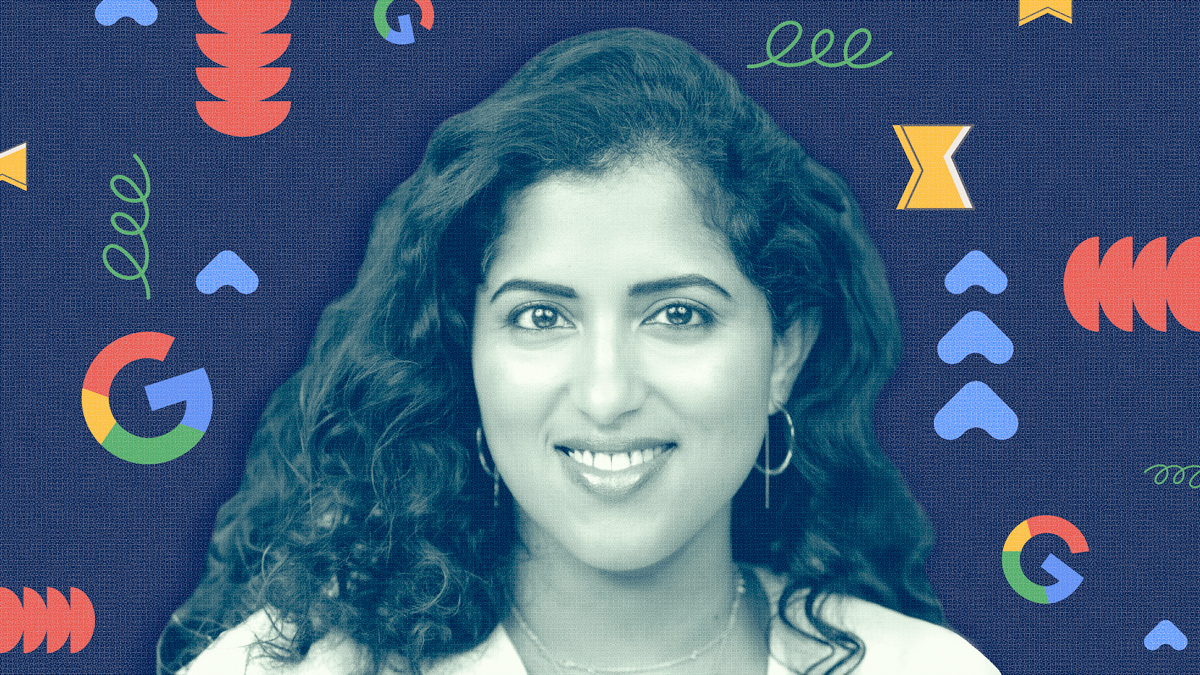
The AI Bet Nobody Else Would Make
Engineering Thinking in an Exec Role
There is a particular kind of executive who came up through engineering and never forgot it. Vidhya Srinivasan is one of them. When Google's ads business needed a new measurement architecture - one that could survive browser privacy changes, regulatory pressure, and the death of the third-party cookie - she didn't commission a strategy deck. She built it.
The result was a cross-channel, data-driven attribution system that works without pixels, without cookies, and without the behavioral surveillance that regulators had started targeting. This wasn't a defensive move. It was a head start. While competitors scrambled for workarounds, Google had already rewired its measurement layer from the ground up.
The Performance Max Gamble
Performance Max was a bet that advertisers would surrender more control in exchange for better outcomes. The bet paid off - but it wasn't obvious it would. The product hands budget allocation, creative mixing, and channel distribution entirely to Google's AI. For agencies that built their business on manual optimization, it felt like displacement.
The industry's reaction was predictably mixed: enthusiasts adopted early, skeptics complained about transparency, and everyone watched the conversion data. The data, over time, favored the believers. Performance Max is now table stakes for most Google Ads accounts, and the philosophy behind it - AI decides, humans set goals - has spread to nearly every product in Vidhya's portfolio.
Commerce Is Not Just Ads with a Checkout
When the Commerce division was added to her responsibilities in January 2025, observers assumed it was a natural adjacency. Vidhya's first moves suggested she saw something more structural. Shopping, in her framework, isn't the end of the advertising funnel - it's a parallel track with its own physics.
Universal Cart, the flagship launch of her expanded mandate, uses Gemini's multimodal capabilities to surface products, compare options across retailers, and execute purchases - all within a conversational interface. This is agentic commerce: the AI doesn't just show you the ad. It completes the transaction.
The implications ripple through the entire ad industry. If the AI handles discovery, comparison, and checkout, where does paid advertising fit? Vidhya's answer, communicated through product launches and industry letters alike, is that advertising in an AI-first world means showing up in the model's knowledge, not just the search results page.
The Letters
The annual industry letter is an unusual genre for a Google VP. Most executives communicate via press releases and analyst calls. Vidhya writes. Her 2024, 2025, and 2026 letters read less like corporate communications and more like a practitioner thinking out loud - with specific product signals, data points, and directional bets.
The 2026 edition, published in February, landed as AI Mode was becoming real, agentic shopping was shipping, and the ad industry was trying to figure out what citations meant for performance marketing. Her directive - "Stop optimizing for clicks. Start building for citations" - became the quotable moment of the season.
What She Learned from Redshift
The pattern she established at AWS - build for the use case nobody can fully articulate yet, instrument everything, iterate faster than the market - is visible in how Google's ads products evolved under her watch. Performance Max was not an obvious product when it launched. Neither was agentic shopping. Both required betting on where user behavior was heading before it arrived.
At AWS, Redshift succeeded partly because enterprises were ready to move their data workloads to the cloud before most of them knew they were ready. Vidhya saw it before they did. At Google, she's making the same read on AI and consumer commerce - that the transition is already happening faster than the industry's self-image will admit.