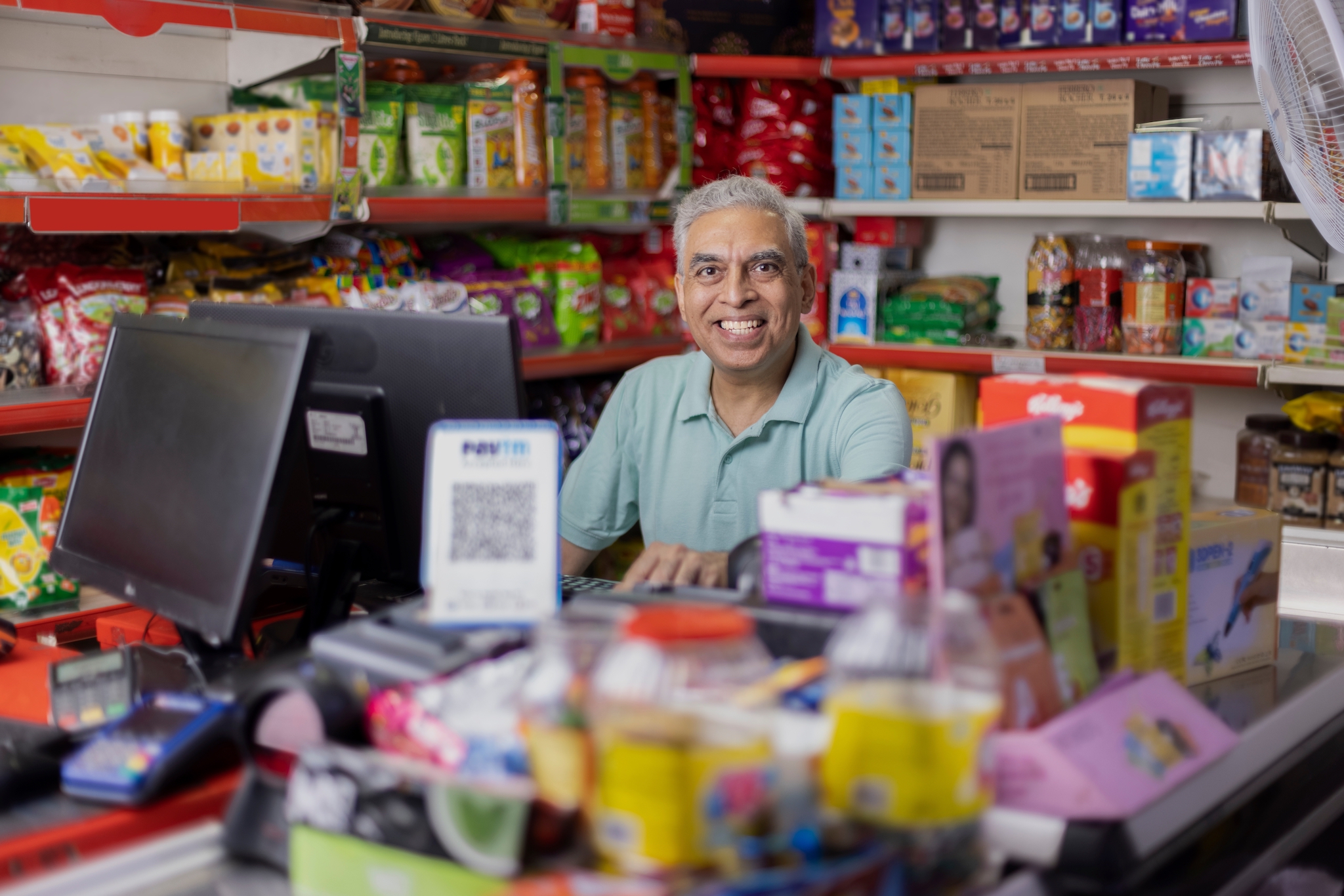
Look at the photograph Viamericas uses to explain its business. A man sits behind a shop counter, surrounded by packets, boxes and jars. A computer occupies the space where a customer might put down a shopping bag. The setting supplies a useful clue. International finance can begin somewhere wonderfully ordinary: between the groceries and the till.
- Neighborhood agents give cash-paying customers a way into international payments.
- Bank accounts, cash counters and mobile wallets give recipients several ways out.
- The business earns transfer fees and foreign-exchange revenue. Compare both.
Viamericas connects those two ends. Its customers include people supporting relatives abroad, the retail agents who serve them, and digital businesses using its payment connections. Remittances sit alongside bill payments, check processing and mobile top-ups. The apparently simple act of sending money requires a surprisingly crowded backstage. A transfer has to connect a payment made here with a usable payout there, while keeping records and checking the people involved. The consumer buys an outcome: support that reaches someone. The company has to assemble the relationships that make that outcome possible.
Three founders, a very practical problem
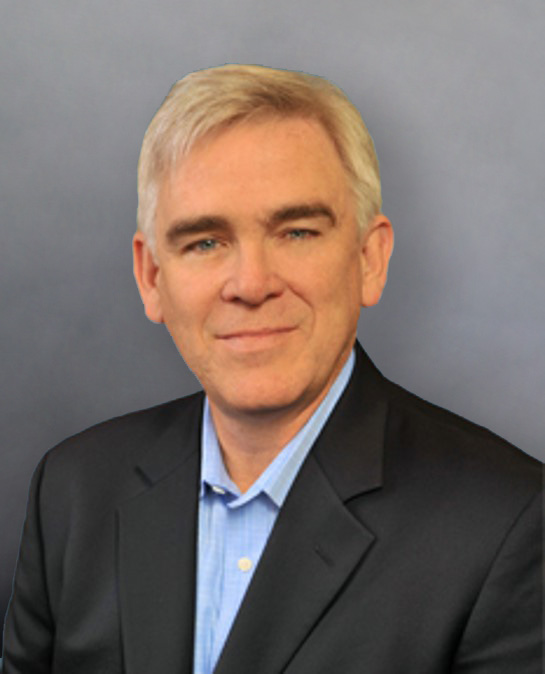
Founded in 1999, Viamericas names three co-founders: Joseph Argilagos, Paul Dwyer and Lillian Argilagos. Their backgrounds help explain the company’s interests. Joseph worked in foreign exchange and derivatives at Merrill Lynch. Paul was a lawyer handling Latin American financing and acquisitions. Lillian worked with organizations concerned with economic and social progress in the Western Hemisphere.
The problem they address has two addresses. A sender needs to pay in a way that works locally. A recipient needs to collect in a way that works somewhere else. Those preferences need not match. Someone paying cash in the United States may be supporting someone who uses a bank account or mobile wallet abroad.
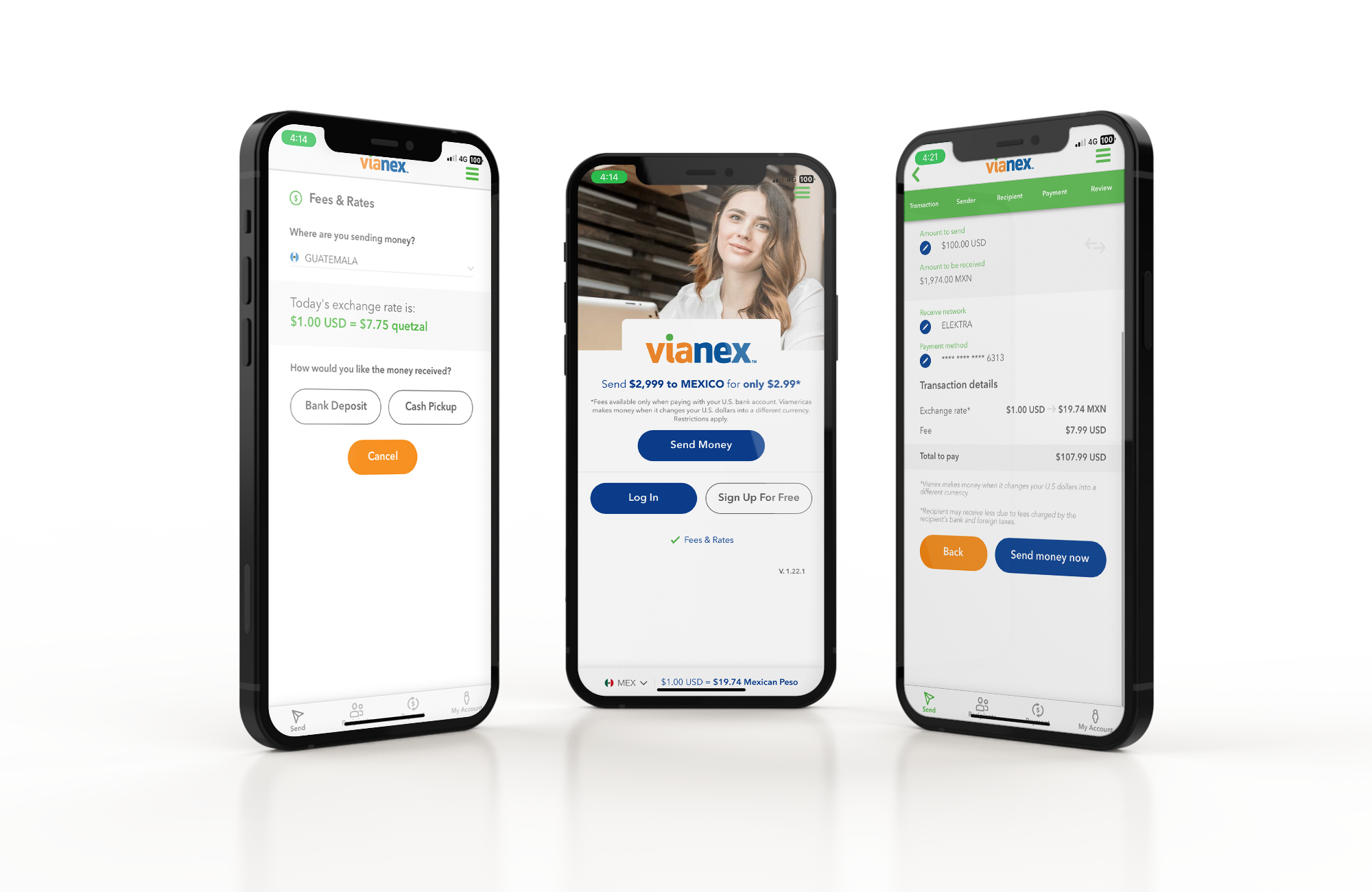
That makes the agent network consequential. Viamericas says its thousands of neighborhood agents accept cash or debit-card payments. Vianex supplies a website and mobile app for digital transfers. Together, these channels accommodate different starting points rather than requiring every household to organize its finances around the same screen.
The cash drawer is part of the software
For a shop owner, the transfer is only one item on the working day’s list. There are checks to deposit, cash to manage and transactions to reconcile. Viamericas has built products around that list. ViaOne, its point-of-sale system, brings several financial services and daily reports to the counter.
ViaCheck scans checks for automatic deposit and provides verification tools, customer histories and reporting. ViaSafe handles an even more physical task: feed cash into an in-store safe, have it counted and credited to the agent’s Viamericas account, then arrange armored collection. A product tour eventually involves an armored car. Fintech can be quite literal.
These tools reveal a practical sales argument. An agent gets services to offer customers and equipment to handle the work those services create. For digital partners, ViaConnect offers APIs into the payment network. The same company can supply the shop’s working tools and another business’s connection to international payments. Consider the difference in what each buyer needs. The retailer needs to process the day’s business without repeated bank trips. A digital partner needs access to receiving institutions without building every connection separately. Viamericas packages its network differently for each.
Digital channel
Payment partners
Mobile wallet
Illustrative flow. Available methods depend on the destination.
The destination decides
The recipient’s choices are where the network becomes tangible. In January 2026, Viamericas expanded its Bancolombia partnership to enable payments directly into Nequi, the Colombian digital financial platform. For an eligible recipient, the destination could be the phone already in their pocket.
September brought a direct banking partnership with RCBC in the Philippines and home delivery in select areas. That detail changes the meaning of convenience. A transfer can move electronically for most of its journey and still leave someone facing a trip to collect it. Home delivery addresses that remaining distance. Read these announcements together and a pattern appears: the company keeps adding ways to finish a transfer. A new relationship matters when it makes collection fit a recipient’s routine. That is a more useful measure of coverage than a list of countries alone.
“Our goal is always to make accessing funds as easy and convenient as possible, even for harder to reach communities.”
PAUL DWYER / RCBC PARTNERSHIP, SEPTEMBER 2026
In October 2026, Viamericas announced expanded options in Ethiopia and Morocco. Ethiopia gained bank deposits and cash pickup; Morocco gained cash pickup and mobile-wallet options. The distinction matters. A country on a coverage list does not mean every receiving method is available there.
Read the rate, then the fee
Viamericas operates in a market that includes Western Union, MoneyGram and Ria, alongside digital alternatives such as Remitly, Xoom and Wise. Its agent services and digital connections give it several ways to compete for a transfer. The useful comparison still begins with a particular destination, payment method and recipient.
Its business model includes transaction fees and foreign-exchange revenue. Published terms explain that the exchange rate can generate additional revenue and that rates can vary among agents. A small advertised fee therefore tells an incomplete story. Compare the total paid with the amount delivered, then consider collection costs and timing.
There is also a loyalty layer. In August 2023, Viamericas reported more than 600,000 enrollments in the first year of Viamericas Plus. ViaPoints can improve an exchange rate or reduce a fee under the program’s rules. Even money sent home has a rewards card.
Financing announced with a bank group led by Old National Bank, supporting network expansion and digital platforms.
That financing included Bank of Oklahoma Financial, Axos Bank and U.S. Bank. The announced amount describes capital raised, rather than the cost of building the company. Viamericas said the money would support expansion of its remittance network and digital platforms.
Build for the person collecting
The lesson for a product builder is practical: examine what happens before and after the central transaction. Viamericas’ check scanner, safe and receiving partnerships each address a different piece of that journey. Its support for Viamistad’s work with people with disabilities in Guatemala adds a specific community connection to its family-focused mission.
This approach depends on local access. A nearby agent is useful when its hours and services fit. A wallet payout helps when the recipient can use that wallet. Home delivery depends on coverage. The company’s most instructive feature is its willingness to provide different doors into the same network. Start at the counter. Finish where the family needs the money.