A vending machine is an unusually honest shopkeeper. It shows you what it has, takes your money and drops something into a tray. Vengo added a screen, which made the transaction more interesting. The screen could sell you a product before the machine sold you the product. Eventually, the people behind Vengo began asking which of those two activities was the better business.
- The starting point: compact, cashless vending kiosks selling small goods and offering samples.
- The discovery: software for selling screen advertising could serve other networks.
- The present business: media buying and screen monetization across a company-reported 65,000+ US screens.
That question explains how a company associated with gum and hotel necessities arrived in the machinery of programmatic advertising. It also supplies a useful test for anyone running a business: when customers pay you, which part of the thing you built are they really paying for?
A taxi idea learns to stand still
The original proposition was called TaxiTreats. In 2012, Brian Shimmerlik and Tomas Grosskopf won New York’s NYC Next Idea competition with a plan to put vending machines in cabs. The prize included $17,500 and six months of office space. The appeal was wonderfully specific: a passenger with a headache, bad breath or a missed breakfast could buy relief without asking the driver to stop.
The prototype was less obliging. Shimmerlik later told the Observer: “It looked really good, barely worked.” Steven Bofill, Vengo’s co-founder and an aerospace engineer by background, led the product work. By 2014, Shimmerlik was describing a pivot toward stationary locations such as bars. A clever location hypothesis had become a practical retail experiment.
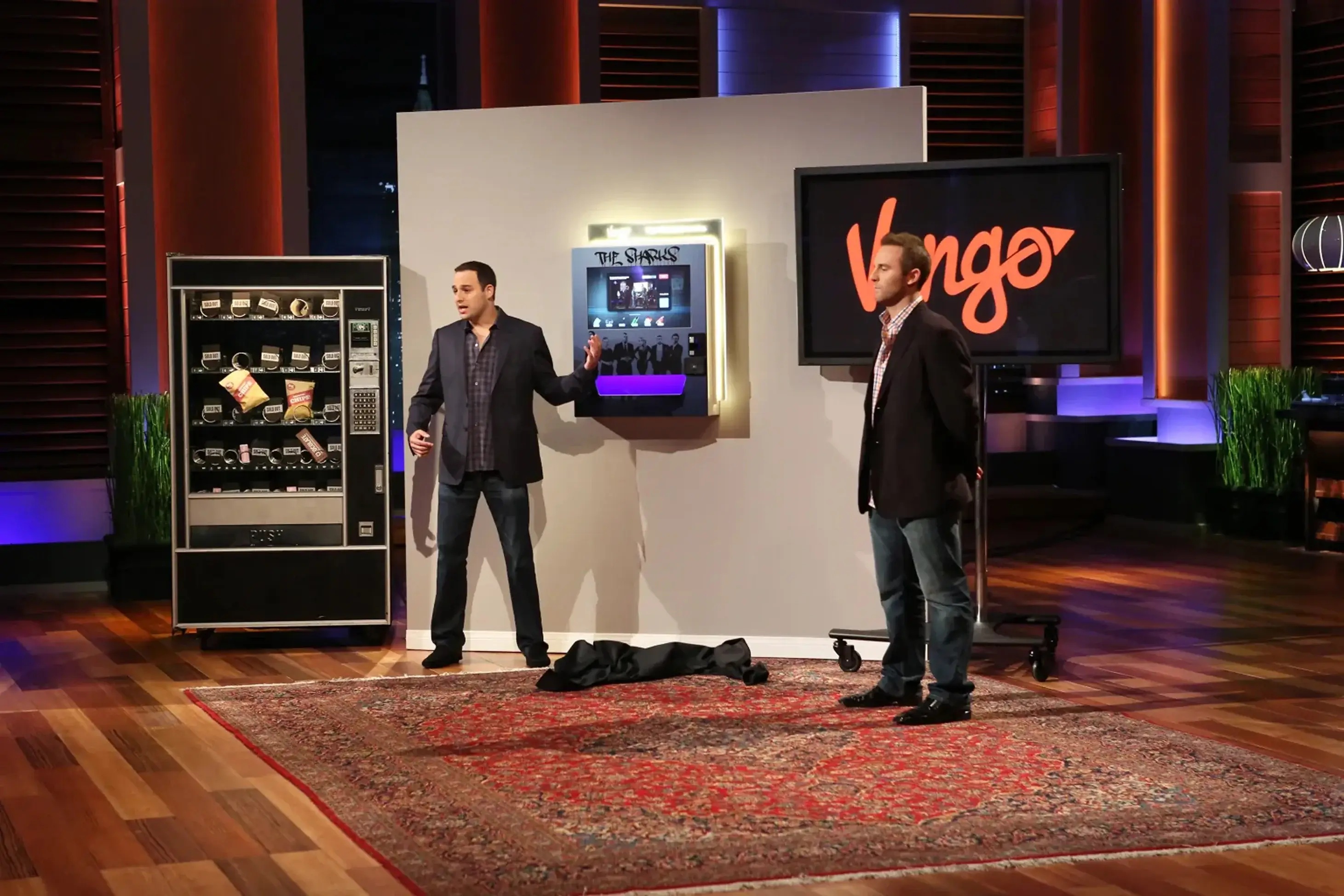
The wall-mounted kiosk offered small items through a touchscreen. Its proportions mattered because a hotel corridor or gym had room for an amenity without necessarily having room for a conventional vending machine. Candy, medicine and electronic accessories could share a sales channel. Brands could use the same device to put a sample directly into someone’s hand.
Someone still has to refill it
There was an unromantic complication. Software cannot replenish a tray. Vengo developed relationships with vending operators, including Canteen, whose distribution partnership was reported in 2015. These businesses already understood installation, maintenance and routes. Vengo could concentrate on technology and media while operators supplied the physical work.
A January 2022 NYU account described machines sold to deployment companies for $3,100, with a $20 monthly software fee. Venue partners could receive machines without an installation charge and share revenue. Those historical figures describe a particular arrangement, rather than a current price list. They show why it matters to distinguish the operator buying equipment from the hotel or gym hosting it.
The operator installs and restocks. The venue hosts. Vengo supplies software and develops media revenue.
Capital helped pay for expansion. In January 2019, Vengo announced a $7 million Series B led by Arcade Beauty, bringing reported funding at that point to $12 million. A beauty-sampling manufacturer had an intelligible reason to invest: the machine could make product trial immediate, in a place where a potential customer already spent time.
The screen starts paying its own way
The advertising operation exposed another opportunity. Vengo says the difficult part of building its own network was monetizing the screens. The industry involved manual work and fragmented access to buyers. Owning a display gave you somewhere to run an advertisement; it did not automatically give you an advertiser.
Vengo built technology to connect its inventory with programmatic demand. During the pandemic, disruption to its existing business accelerated a move toward supplying that capability to other screen networks. The founders had accumulated something portable: the software and experience required to sell advertising on connected displays.
“It looked really good, barely worked.”Brian Shimmerlik, recalling the early prototype
The change deserves attention because it grew from operating knowledge. A company that had dealt with screens, venues and advertisers could offer another owner help with the same awkward transactions. The screen no longer needed a dispensing slot underneath it.
The grocery door becomes media inventory
Consider Coinstar. In 2023, Vengo announced that AdPlanet had selected it as the exclusive programmatic partner for interactive user screens on more than 16,000 Coinstar kiosks. Those machines already occupied grocery entrances. Connecting their screens to advertising buyers expanded the media offer without requiring Vengo to build thousands of new vending units.
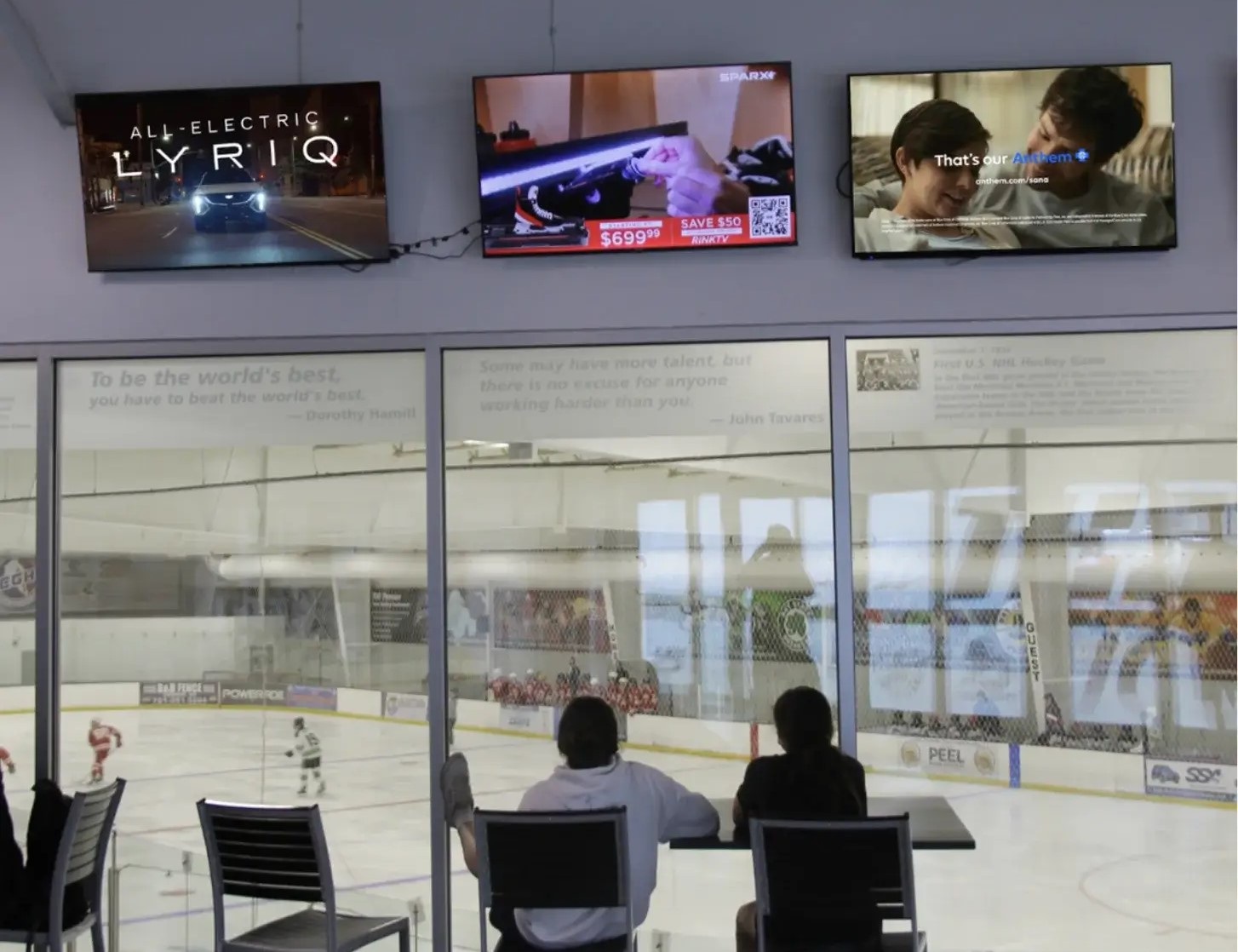
In August 2025, a partnership with supply-side platform VIOOH offered access to 65,000+ screens across all 50 states. Vengo’s current website retains that screen count. The venues include groceries, convenience stores, offices, gyms, bars and hotels. These are different settings with different reasons for being there; a sensible campaign chooses among them.
Buying the place, measuring the result
Advertisers can buy Vengo inventory through an open exchange, a curated private marketplace deal or a direct campaign. Geography, venue type and audience parameters help shape the selection. Screen owners enter a revenue-sharing partnership with no upfront costs, according to Vengo. Its proposition combines advertising technology with a sales operation.
That places it alongside alternatives such as Screenverse for network monetization and Grocery TV for grocery-focused retail media. Vengo’s distinction is its spread across venue types and its experience operating its own kiosks. VengoTV extends the offer into video programming in hotels and other places where people stay awhile.
The useful lesson is to examine a capability developed out of necessity and ask whether someone else needs it. For advertisers, the corresponding discipline is to buy a relevant setting and measure a relevant outcome. A screen count alone says little about attention or incremental sales. The economics depend on audiences being present, inventory being reliable and demand being sufficient. Even a beautifully connected display needs someone willing to look up.