In July 2020, Varo got a piece of paper that most people would never see. The Office of the Comptroller of the Currency presented it with a national bank charter. For a company selling banking through a phone, this was a peculiar achievement: years of work to acquire permission to do something customers might reasonably assume it already did.
- Varo holds deposits and lends through its own bank.
- Its app combines spending, savings, credit building and borrowing.
- The charter bought control. Regular customer use must cover the cost.
01 A very expensive piece of paper
There is a difference between delivering a banking experience and being responsible for the bank underneath it. Varo began with the familiar arrangement. Its 2017 app offered accounts through The Bancorp Bank. Meanwhile, the company pursued its own charter. By July 2020, it had become the first fintech to receive a national bank charter through the de novo process.
Contemporary reporting put the three-year effort at nearly $100 million. That is a reported estimate, not a tidy invoice. Banking Dive also reported a $104.4 million initial capital requirement. The two figures describe different things: the expense of getting there, and the capital required to operate.
The founding team mixed banking with design, data and engineering. Walsh had worked at American Express, Lloyds and Wells Fargo. The original leadership also included design chief Assaf Guery, data chief Roger Van Duinen and technology chief Mykola Klymenko. Building an account people understood and operating the institution behind it required different kinds of expertise.
Deposits and lending move under Varo’s own charter. Technology and network partners still do plenty of work.
The attraction was control over deposits, lending and product design, with less dependence on a sponsor bank. Responsibility came along too: regulatory capital, compliance and risk management. Removing an intermediary changes the economics. It does not make operating a bank inexpensive.
02 When signups stopped being enough
In September 2021, Varo announced $510 million in fresh funding and four million opened accounts. Accounts had doubled in thirteen months. It was the sort of number that fits comfortably into a celebration.
By 2022, the mood had changed. With public-market financing harder to reach, Varo cut marketing spending and laid off 75 employees. Management’s emphasis shifted toward customers using Varo as their primary bank. The distinction matters. Opening an account is an event. Sending your wages there every month creates a relationship the bank can serve repeatedly.
The first visible crack was the spending pace behind the growth story. Varo kept its charter and reconsidered how it acquired customers. The transferable lesson is fairly practical: before buying more signups, find out whether existing customers are doing the thing that makes the business viable.
03 Built around the next payday
Varo’s audience is everyday American consumers, especially people living paycheck to paycheck or poorly served by conventional banking. Its rivals include Chime and Current for daily money management, SoFi and Ally for digital banking, and Dave for small advances. Varo competes through the combination of a mobile experience and its own regulated bank.
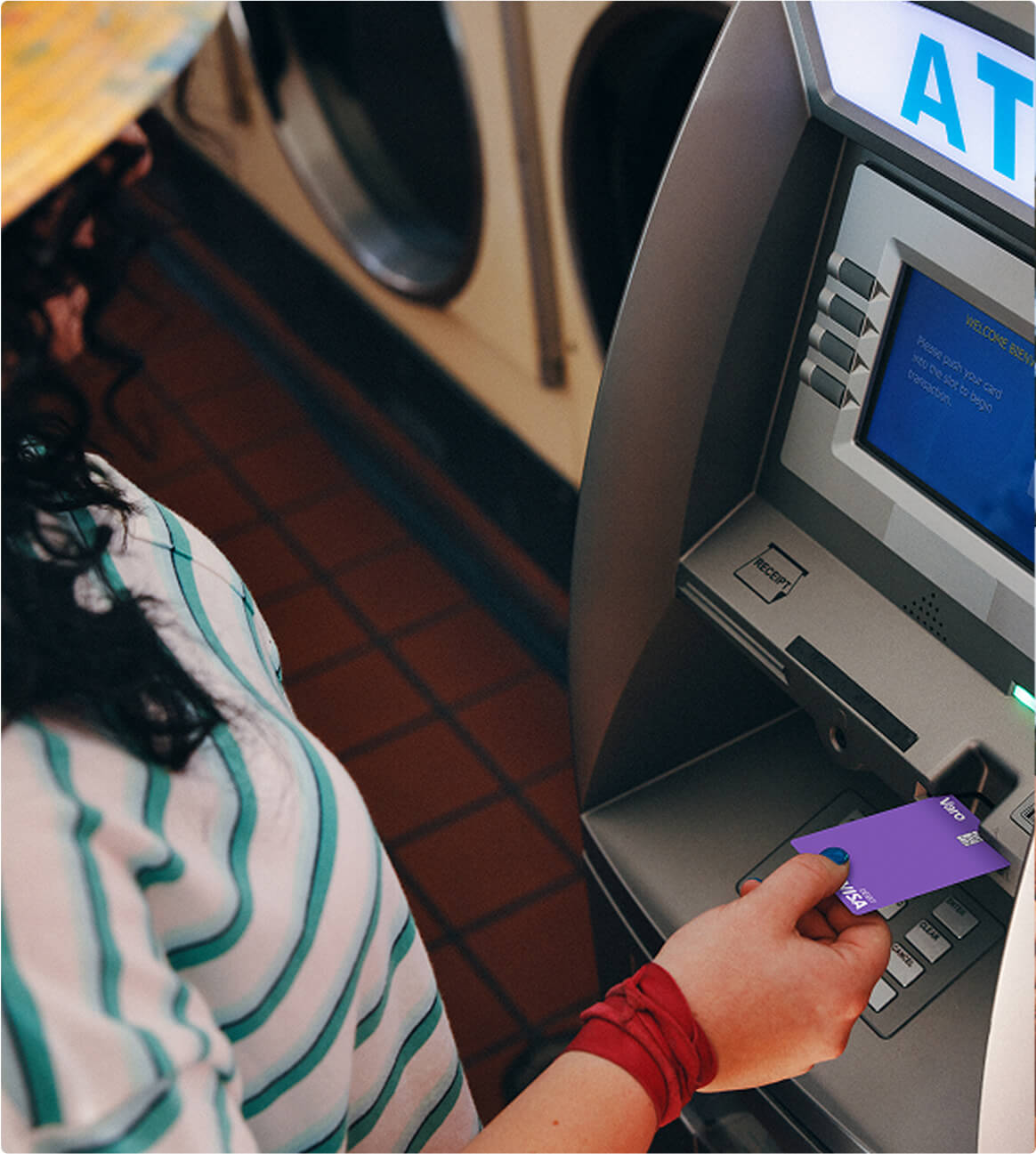
The account has no monthly maintenance, minimum-balance or overdraft fee. Qualifying direct deposits can arrive up to two days early, depending on when the payer sends them. Customers get access to more than 40,000 fee-free US Allpoint ATMs. These features address the timing and friction of ordinary money, rather than an elaborate investment strategy.
Savings adds another layer. As checked in October 2026, the base rate is 1.00% APY. Customers meeting the monthly direct-deposit and positive-balance conditions qualify for 3.75% on their first $5,000 the following month. The rate is variable; the higher tier requires at least $800 in qualifying direct deposits. Automatic paycheck transfers and purchase round-ups help make saving a recurring action.
Believe, Varo’s secured credit-building card, uses money customers put into a secured account. Payments are reported to the three major credit bureaus. It carries no interest or annual fee, but it requires funding and qualification. It is a tool for building a payment record, rather than a promise that a credit score will rise.
04 Read the dollar amount
Borrowing makes Varo’s business model more visible. Alongside debit-card interchange and net interest income, the bank earns fees from lending and optional services. Free account maintenance leaves room for paid products elsewhere.
Eligible new customers can receive Advance limits of $20-$250; some can work toward $700 over time. Fees range from $1.60 to $100. Larger borrowing comes through Line of Credit, offering $600-$2,000 to qualifying customers. “No interest” describes the pricing mechanism. Borrowers still owe a fee.
12 monthly payments of $200
Varo’s published Line of Credit schedule, checked October 2026. Approval required; other amounts have different fees and terms.
That repayment table is more useful than the slogan. A shortfall that disappears with the next paycheck is different from an expense that returns every month. Repeated borrowing can keep adding fees. The product helps only when the repayment fits the customer’s actual cash flow.
05 The checkout is the branch
A phone cannot swallow banknotes. Varo solves that problem through retail infrastructure, including fee-free deposits at eligible standalone CVS stores via Green Dot. Location exclusions and deposit limits apply.
In August 2026, it announced a four-week fee-free cash-add pilot at more than 2,000 Kroger-family stores. Customers generated a barcode for a cashier to scan. The stated end date was August 18. The experiment illustrates a useful design choice: borrow an existing physical network when customers need one.

06 Independence still has to pay
Gavin Michael succeeded founder Colin Walsh as CEO in 2025. Varo reported $547 million in lending volume that year, then announced a $123.9 million Series G in February 2026. Sean Kelley, a longtime JPMorgan Chase executive, became CFO in July.
The infrastructure is a mix of Varo’s own work and outside technology. Temenos supplies core banking software; Varo extended that relationship in 2023. Owning the charter never meant writing every piece of software. It meant deciding how those pieces would support the bank’s products and obligations.
“Everything we do ties back to that mission of helping customers find financial resilience.”
Gavin Michael · CEO, Varo Bank
The business remains unfinished. Varo recorded a $20.8 million loss in the fourth quarter of 2025. Independence requires patient capital and enough recurring activity to carry a bank’s fixed obligations. Customers needing branch service, guaranteed borrowing or unconditional top-tier savings rates will find limits here. Varo has the keys. The daily work is giving people enough reason to keep coming back.