consumer-finance
(83)
WeLab and the art of less waiting
Borrowers wanted to know what happened next. WeLab’s answer grew from online credit into two digital banks - and a test of whether convenience can pay its own way.

Nishchay AG and the small change that adds up
Raised in Hassan, trained in engineering, and schooled by a scooter business, Jar’s co-founder built a savings app around an ordinary habit: putting a little money aside. His story begins with a family shop and keeps returning to the customer.

Hosam Arab and the purchase that would not quite happen
At Namshi, Hosam Arab learned how much could go wrong between an online order and a front door. He carried that unfinished business into Tabby, then followed it far beyond the checkout.

Shragie Lichtenstein and the trouble with the first of the month
Paychecks arrive on their own schedule. Rent has other ideas. The Flex co-founder has built a business around getting those two calendars to agree.

Ruben De La Mora and the business of staying close
Before leading Intercam Banco, Ruben De La Mora ran a lending business in India through a difficult restructuring. His career connects two very different markets through a familiar question: how do you make finance fit the customer?

Fam gave teenagers a way to pay. Then they grew up.
A numberless card opened the door. A broken banking arrangement tested the promise. Fam’s next wager is that your first money app can remain useful after your eighteenth birthday.

Yotta made saving a game. Then the money stopped moving.
A lottery-inspired savings app found a clever answer to boredom. Its frozen accounts exposed a harder question: who actually keeps track of your money?

Privacy.com gives every merchant a card you can fire
One card number for every shop, a spending ceiling for every subscription. Privacy.com puts boundaries around online payments - and the machinery it built became a second business.

Kashable bets your paycheck can open a better door to credit
Two immigrants with jobs but no American credit history saw a lending system missing half the picture. Kashable built a business around the other half: the paycheck.

Deferit gives the electricity bill a payment plan
The bill arrives on Tuesday. Payday is Friday. Deferit built a business in the awkward space between the two - then added credit reporting and a team that haggles over phone bills.

defi SOLUTIONS: The seven-month lesson in lending’s hidden work
A Mazda Financial Services launch reveals what defi SOLUTIONS really sells: configurable software, experienced operators, and fewer loose ends between approving a loan and collecting its last payment.
EasyKnock let you sell your house. The hard part was staying.
EasyKnock offered cash without a moving van by turning homeowners into tenants. Its December 2024 closure exposed the question behind the convenience: how secure was the way back to ownership?
Button Finance wants you to keep your mortgage. And borrow again.
A cheap first mortgage can be worth keeping. Button Finance builds its business around the borrowing that comes next, using digital underwriting to turn home equity into cash.

Trovy puts your house in your wallet
A home can make you wealthy on paper and leave you borrowing at credit-card rates. Trovy connects those two worlds with a HELOC you can swipe - and a set of terms worth reading before you do.

Phantom’s $3 Billion Bet on Fewer Instructions
Crypto asked people to become their own bank. Phantom bet they would prefer an app. A friendly ghost, a Solana beachhead and $268 million in funding have turned that wager into a much bigger ambition.

Brandon Millman and the Trouble With Crypto's Front Door
A former Twitter and 0x engineer saw that crypto's first screen was often its hardest. With Phantom, he turned a wallet into an argument about how ordinary people should enter a complicated world.
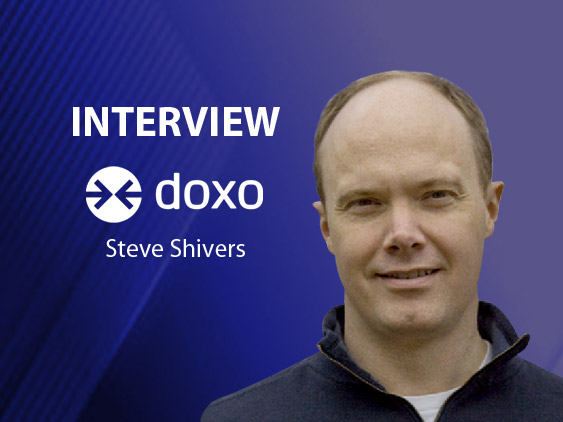
Steve Shivers Took the Long Way Back to Venture Capital
For eleven years, the doxo co-founder declined fresh venture money and rebuilt his company in public view. The wager reveals an operator drawn to hard markets, live dashboards and the unfashionable art of waiting.

Chris Nard and the Long Memory of a Mortgage
Before clean-energy upgrades were entries on a property-tax bill, Chris Nard spent decades learning what happens after a promise becomes a payment. His career connects mortgage insurance, bank lending and PACE finance through one durable obsession: making long-term obligations work in the real world.

Francesco Agosti Is Making the Wallet Disappear
The Phantom co-founder has spent a decade turning complicated systems into ordinary software. His hardest trick is making crypto feel less like crypto - without taking control away from the user.

Chris Britt Put a Scholarship at the Center of a Banking Company
A neighbor helped pay for his education. Decades later, the Chime co-founder is trying to turn that private act of faith into a public system - while taking his fee-light fintech into the bank itself.

Ryan King Took 100 Noes and Built the Rails Anyway
A coin toss sent Ryan King toward computer science. A hundred investor rejections tested whether he would stay there. Thirteen years after co-founding Chime, the quiet engineer arrived at Nasdaq with proof that useful infrastructure can outlast fashionable doubt.

Chris Larsen Has Spent 30 Years Making Money Move
Before crypto had a culture war, Larsen was prying open credit scores and mortgage fees. Ripple is the third act in a career built around one stubborn idea: financial systems should reveal their machinery.
Tilt Wants Your Paycheck to Tell a Better Credit Story
The former Empower Finance is turning bank-account activity into access to cash and credit. Its bet: a thin credit file can hide a perfectly capable borrower.

IDIQ Wants to Make Your Rent Count
The company behind IdentityIQ has bought its way beyond fraud alerts into rent reporting, financial coaching and legal benefits. Its wager: the next customer may arrive through a landlord, a mortgage broker or the office benefits desk.

Farmers Insurance Federal Credit Union Is Betting on the People Who Sell the Policies
After returning to profit in 2025, the member-owned lender is widening its insurance-agent specialty. Its next test: broader business banking, a shorter name and an app that brings back a feature members missed.

Hannah Hughes Makes the Complicated Feel Worth Choosing
From an Apple intern prototype to Plaid's top marketing job, Hannah Hughes has built a career translating intricate products into stories people can understand - and want.

The Text Message That Wants to Be a Checkout Counter
Solutions by Text spent years making lender texts safe enough for lawyers. Now it wants the same message thread to collect the money - without another app, another login or another unanswered phone call.

Peter Vogt Found Cash Hiding in Your Junk Drawer
A prepaid card looks like money, right up until you try to use it like money. Peter Vogt built Prepaid2Cash around that small, stubborn contradiction - then moved the company from San Francisco to Birmingham to give the idea room to grow.
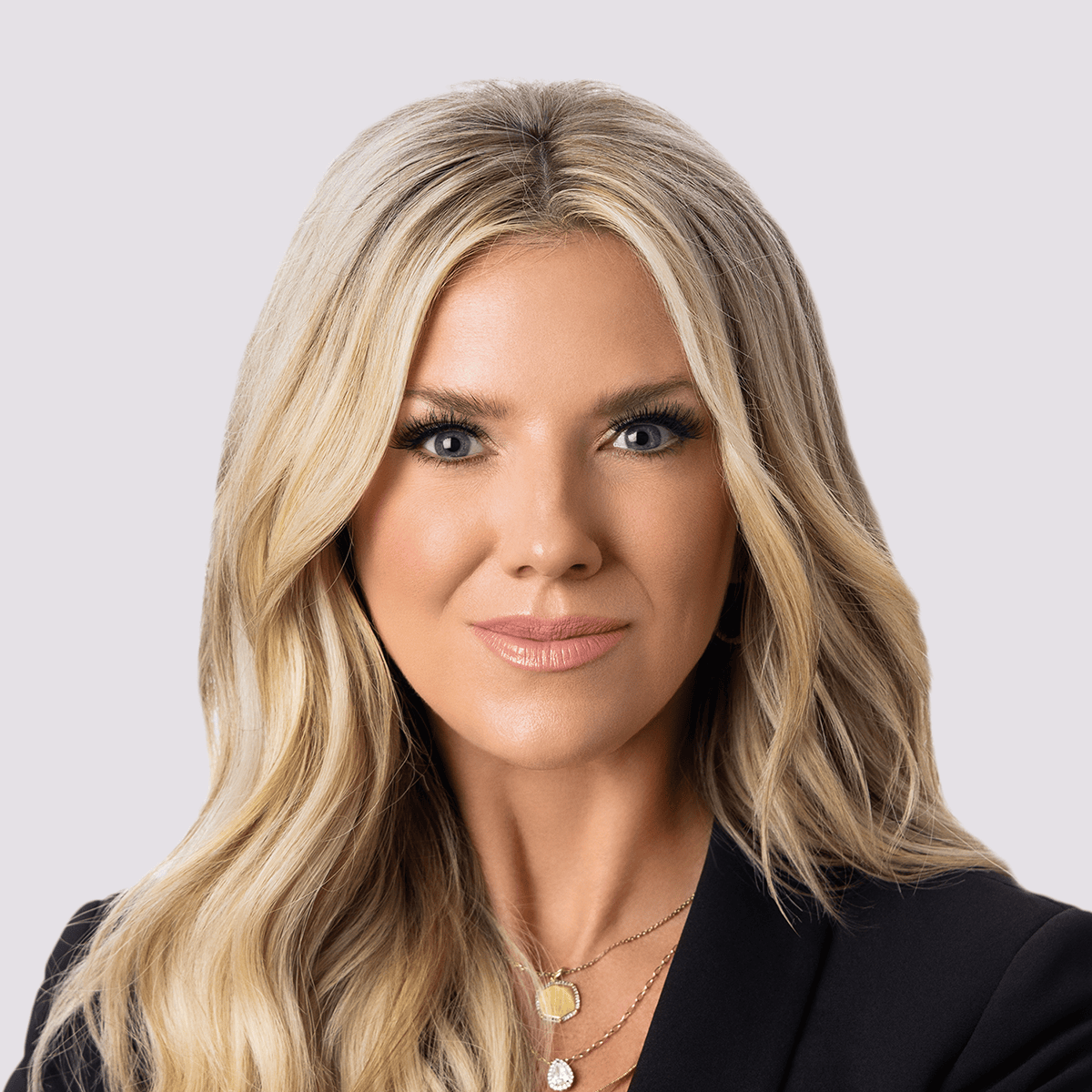
Lauren Stafford Webb Turned Financial Anxiety Into a Stadium-Sized Story
She trained on Tide and CoverGirl, taught Intuit to speak with one voice, then made SoFi show up where money meets modern life - from a football stadium to the NBA and CMA Fest.

Bruno Koba Is Building the Adviser He Wished He Had
A dinner by a BART station turned two Brazilians' investing frustrations into Astor. Now the former Nubank data scientist and Monashees investor is betting that useful financial advice can become a conversation, not a luxury.