The interesting bill arrives after the hospital bill. It is the rent, the groceries, the car payment. Each assumes that next month will look much like this month. Illness can interrupt that arrangement. A household can have medical coverage and still face a very ordinary question: what replaces the paycheck?
- Unum sells workplace insurance that helps protect income and household finances.
- It also manages leave and connects benefits with employers’ HR systems.
- The policy matters. So does every step between a claim and a payment.
That is Unum’s territory. Through Unum and Colonial Life, the group provides disability, life and supplemental coverage, alongside leave administration and behavioral health services. Its insurance businesses operate in the United States, United Kingdom and Poland. The products are purchased through the workplace, where the employer chooses a package and the employee eventually discovers what it means.
The bill after the bill
Disability insurance replaces a portion of income when a covered illness or injury prevents someone from working. Accident, critical illness and hospital policies address other specified financial consequences. Dental and vision coverage sit alongside them. These benefits have different jobs; a list of product names cannot tell a worker how much money will arrive.
For that, there is the policy: its definition of disability, waiting period, benefit percentage and maximum duration. Unum’s employee guidance explains that medical information is reviewed against the policy definition. The mundane detail matters. A person can be ill, worried and away from work without automatically satisfying every condition for payment.
Benefits paid to workers and their families.
A promise measured in payments.
The buyer is usually an employer, often working with a broker. The user is an employee with a much more personal deadline. Some coverage is employer-paid; voluntary benefits may be employee-paid. The insurer collects premiums, invests assets backing its obligations and pays covered claims. Leave services add administration to that financial relationship. Pricing depends on the coverage and contract.
An old insurer discovers the handoff
Unum’s ancestry offers a pleasingly concrete detail: the first Union Mutual policy insured founder and president Elisha B. Pratt for $5,000. Union Mutual was chartered in Maine in 1848. Another branch, Provident, began in Chattanooga in 1887 and found a niche in railroad insurance. These were businesses built around recognizable hazards.
Today, some of the difficulty sits between systems. An employer has an HR record. A benefits platform has enrollment information. The insurer needs eligibility data. Someone must connect the employee’s absence with the right dates and records. The more places a fact must travel, the more opportunities there are to mistype it.
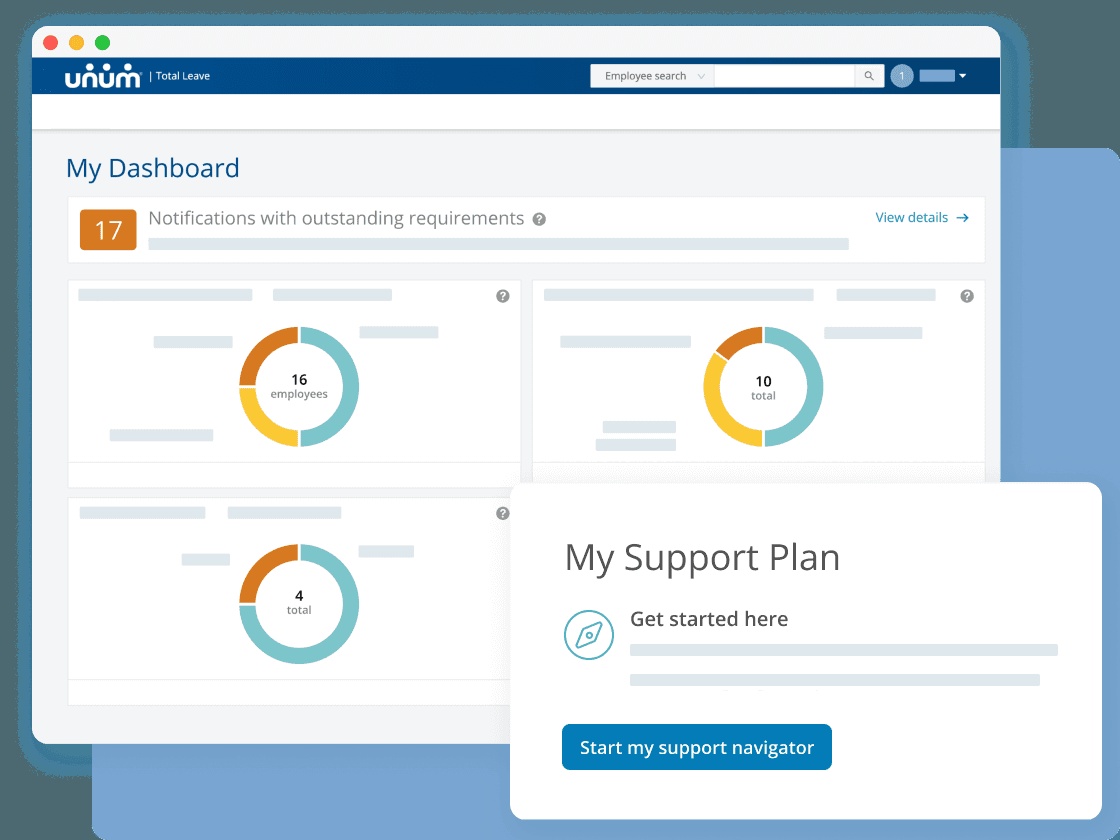
Unum bought leave technology company LeaveLogic in 2018. Its current Total Leave service brings requests, documents, case information and support into a digital experience. HR Connect exchanges benefits and absence information with Workday, ADP and UKG. The capabilities differ by platform; the underlying proposition is to move information without repeatedly asking people to carry it.
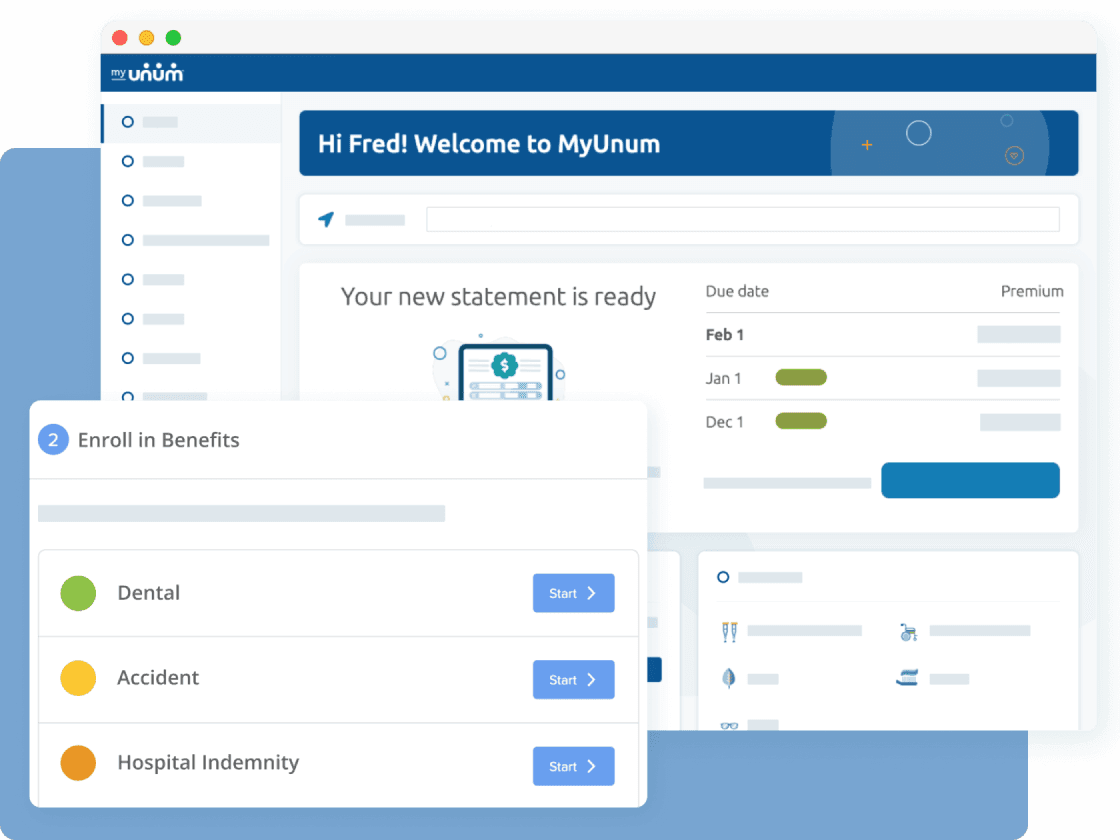
A March 2026 expansion with Employee Navigator makes the approach tangible. Automated eligibility and billing join earlier plan-setup and digital evidence-of-insurability capabilities. Enrollment data can align premiums with coverage and reduce reconciliation work. This is a small administrative sentence with a substantial operational ambition: fewer people checking whether two systems agree.
- 01EmployerPeople & eligibility
- 02BenefitsEnrollment & coverage
- 03Leave & claimsRecords & decisions
The claim is where trust gets tested
There is a harder chapter. In 2004, UnumProvident’s insurance subsidiaries entered a multistate regulatory settlement concerning disability claims handling. It included a $15 million fine, reassessment of certain previously denied or closed claims, procedural changes and additional oversight. The agreement is an essential part of the company’s history because claims are the service the premium buys.
Regulatory intervention required concrete changes. It would be too convenient to present every later technology investment as a consequence of that episode. The public record supports a narrower lesson: administration and judgment both matter. A faster transfer of information does not establish whether a particular decision is fair.
“Helping the working world thrive throughout life’s moments”
Unum Group’s stated purpose
That purpose sets a demanding standard. MetLife and The Hartford also offer disability and absence management; Aflac offers supplemental workplace benefits. Its pitch combines coverage, service teams and connections to existing HR platforms. Buyers can evaluate the convenience of that combination separately from policy terms, claims performance and how difficult cases are handled.
Two clocks, one balance sheet
The scale is substantial: Unum reported $13.1 billion in 2025 revenue, rounded, and its annual report cited more than 178,000 employers. Nearly 11,000 employees support the business. The company also reported 89,000 volunteer hours that year. Those figures describe a large institution, with obligations extending beyond the next software release.
Its older insurance promises illustrate the other clock. In July 2026, Unum announced an agreement with Fortitude Re covering $3.8 billion of long-term care statutory reserves. That figure describes reserves being reinsured, not a purchase price. Unum said it would retain administration, including claims handling; the announcement remained subject to approvals and closing conditions.
The distinction is useful. A company can change who bears part of an insurance risk while continuing to answer the customer’s questions. In the same quarter, Unum reported $256.9 million in net income, down from $335.6 million a year earlier. Size does not remove the need to manage uncertain claims and investment results.
Try the handoff before you buy
There is something readers can copy here. Before choosing a benefits provider, trace one hypothetical case from enrollment through a covered absence and back to work. Ask who supplies each fact, where the employee sees the status and who resolves a mismatch. Include a complicated case. A demonstration should survive an interruption.
For employees, the equivalent is to understand the policy before needing it: coverage, waiting periods, required documents and the way to submit a claim. Unum can bring financial protection and administrative help together. Their usefulness depends on a covered event, the chosen plan and the service that follows. The household still has a rent payment coming.