A taco cart is an unusually revealing place to look for a marketing agency’s point of view. For Nómada, a Southern California catering business, Twelve12’s assignment included making the cooking area part of the attraction. The agency describes designing an elevated cart to carry the same identity as the food, photography and logo. Dinner’s backstage equipment was getting a speaking part.
That detail makes Twelve12 easier to understand than the familiar agency menu of strategy, branding and marketing. The Irvine firm works on how a business introduces itself, then follows that introduction into websites, advertising and production. Its pitch is coordination: give the pieces to one team and have them tell a coherent story. The interesting question is how far that team follows the brief.
In its portfolio, the answer stretches from a Mexican caterer’s cart to an insurance company’s introductory video, from promotional clothing to commercial real estate. There is also a speaker launch featuring Sammy Hagar. This is a business selling creative services to other businesses, with a preference for assignments that connect several disciplines.
The cart gets a seat at the table
Nómada’s founders wanted a more refined presentation of Mexican catering. Twelve12 supplied a visual identity with a sense of travel and adventure, alongside website, print and social creative. Photography and video put the food into prospective customers’ feeds. The cart design extended the idea to the place guests would actually encounter it.
The practical lesson is pleasingly unglamorous: inspect the working equipment. For a caterer, the station where food is prepared belongs to the customer experience. A polished website can introduce an expectation that the event must then fulfill. By including the cart in its work, Twelve12 treated the physical setting as another piece of communication.
The meeting circuit stopped working
A different client arrived with a different problem. In a January 2022 Clutch interview, environmental consulting executive John Meador said the pandemic had disrupted an approach built on 22 years of lunches, events and conferences. Twelve12 rebuilt the identity and website, including copy. The relationship began in September 2020; he reported spending about $100,000 by the interview and receiving leads through the new site.
The pressure came from a distribution channel becoming difficult to use. That explains the decision more clearly than a vague desire for modernization. The useful question for another business owner is similarly concrete: which dependable way of reaching customers has become less dependable, and what would replacing it require?
Environmental consultancy’s reported spend by January 2022. Scope included a new identity and website.
The story also changes what a website brief means. A site that replaces part of a relationship-building process needs to explain the business, establish credibility and give a prospective customer a next step. Design has a job beyond making the old pages look current. It has to help a conversation begin.
A loud launch needs quiet infrastructure
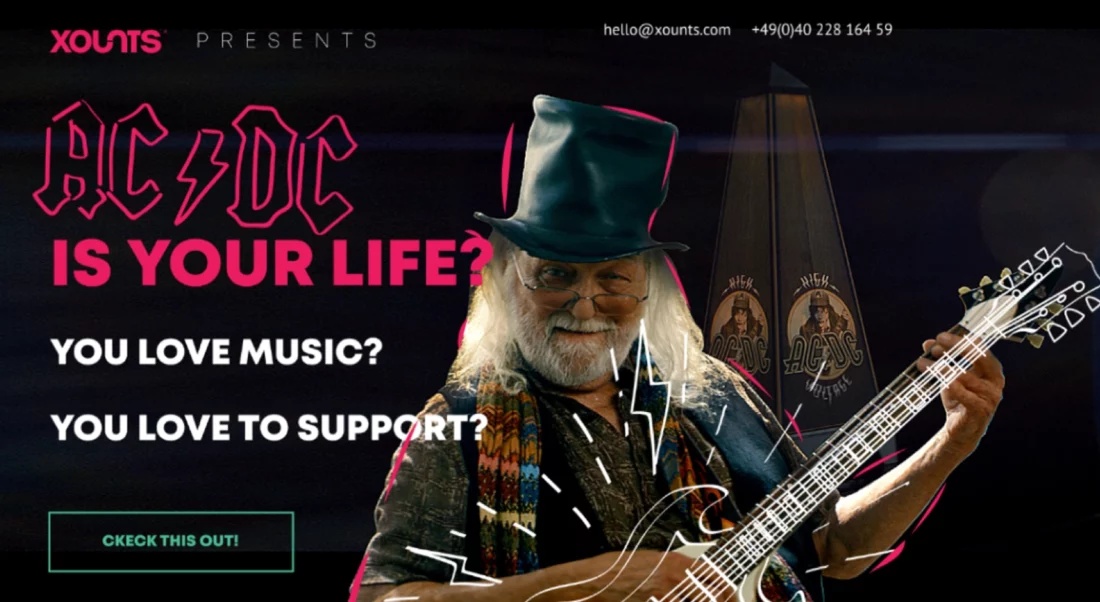
For XOUNTS, the product itself supplied the spectacle: a sound system combining audio, lighting and an imposing physical presence. Twelve12’s North American launch work included rebranding, social creative and a brand video featuring Sammy Hagar. Behind the entertainment sat an e-commerce website, campaign landing pages and a custom video contest portal.
Those less conspicuous deliverables matter. A campaign can create curiosity, but somebody still needs to build the destination for it. The XOUNTS project shows how an agency’s production and development work can meet inside the same launch. A visitor attracted by the video needs somewhere useful to go; a contest needs a way to accept participation.
That combination is the agency’s strongest competitive argument. A specialist production studio can make a film. A web shop can build a store. Twelve12 offers to coordinate those jobs with the identity and campaign surrounding them. For a buyer, the potential benefit is fewer separate explanations of what the business is trying to accomplish.
The logo is the beginning of the assignment
Twelve12’s GetAQuote.com work starts with an insurance proposition that needed to feel approachable. The agency developed the brand, logo and website, with public relations, social material, email and print among the listed services. An introductory video carried the message from concept through upload. It is a compact example of the company’s preference for owning several stages of an introduction.
Thunderwear required a refresh rather than a first identity. The family-owned custom clothing company connected with Twelve12 in 2019. Its customers included events, artists and musicians; the assignment covered rebranding, web design and digital and print material. Here the agency was helping an existing business explain its offer again, with a different presentation.
Ten-X adds another variation. Twelve12 dates its commercial real estate work from 2019 and describes a relationship that expanded from brand adjustments and a website refresh into broader marketing. The portfolio includes adaptive web design, social artwork, print and animation. These projects explain the agency’s market position better than an industry label: its clients have different products, but multiple places where those products must be presented.
An editorial map of portfolio deliverables, not a measured sales funnel.
A founder selling continuity
Twelve12’s own retrospective dates the agency’s founding by Ike Elimsa to 2013. The same account recalls a 2017 assignment for Nuff Boards, a skateboard business responding to stronger competition. Research into its intended buyers helped direct a wider marketing revision. That example puts an emphasis on choosing an audience before choosing the artwork.

The current leadership page names Elimsa as director, Sara Atalay as editor and Metin Pasaoglu as CTO, with creative, writing and strategy roles also represented. The company describes a flexible, collaborative culture. Those are its stated intentions; the organizational detail worth noticing is the combination of editorial and technical responsibilities with brand direction.
“It’s rare to find an agency that can, in-house, take a company from A to Z.”
Ike Elimsa, in Twelve12’s 2016 announcement
Film has been a visible part of that argument for years. In 2016, the agency announced Internet Advertising Competition recognition for Right Choice, a one-minute Miramontes Capital commercial. The story followed a couple through life milestones before introducing the investment adviser. Twelve12 said it used a full production crew and RED cameras, and the spot aired locally in Orange County.
In June 2023, Twelve12 announced Telly recognition for Mountains to the Sea, produced for Mercedes-Benz of Laguna Niguel. The agency described filming across local settings to present the dealership and its vehicles. Together, the two productions show a recurring assignment: give a local business the visual storytelling usually associated with a larger advertising campaign.
What the buyer is paying to connect
Clutch lists a $10,000-plus minimum project and a $100-$149 hourly range. Those directory figures are useful orientation, not a quote for a particular website or campaign. Twelve12’s business model combines scoped creative work with continuing support. The expense depends on how much needs to be researched, written, designed, built and maintained.
For a buyer, the scope deserves more attention than the phrase “full service.” A sensible brief separates the initial identity work, the assets to be produced, the channels to be managed and the decisions requiring client approval. It should also say what success will mean. More attractive materials and more qualified inquiries are different outcomes, even when one is intended to help the other.
An integrated team makes particular sense when those tasks depend on each other and the client lacks time to coordinate them. A business needing one isolated illustration, a minor site correction or a narrowly defined technical fix may have little use for a broad engagement. The fit follows the assignment’s complexity, rather than the number of services on an agency’s website.
Start with the places customers already look
Twelve12’s recent writing keeps returning to that practical sequence. Its August 2026 branding guide covers audience research, positioning, names, visual identity and consistent delivery. A separate marketing-plan article published that month connects goals with channels, budgets, responsibilities and measurement. The agency is still addressing business owners who need help deciding what comes first.
A May 2025 social-media guide adds scheduling tools, automation and attention to audience comments. These are useful additions to an execution routine, but the wider portfolio suggests a prior task: decide what the business should communicate. Nómada needed its presentation to match its food. XOUNTS needed excitement and a functioning destination. Each required different work under the same broad service menu.
The part a reader can copy is an inspection. Lay out the website, sales material, social posts and physical customer experience together. Identify the places that promise different things or leave the next step unclear. Give those inconsistencies names before commissioning more material. In Twelve12’s Nómada assignment, that exercise reached the cooking area. Sometimes the next branding decision is standing right beside dinner.
See the work, hear the pitch
Explore Twelve12’s project portfolio, its website and business advice blog. Find the agency on LinkedIn, X and Facebook.
Watch the agency’s films on its YouTube channel, or read the 2023 dealership-film announcement.