Tom Mizzone wanted the sound. When Sweet was developing NHL Breakaway, its digital hockey collectibles platform, he considered audio part of the bargain: the skates, the ice, the noise that makes a highlight feel like something a person remembers rather than something a computer has filed. Getting there meant working through rights with the league, players and alumni. A clip could be perfectly authentic and still fail to give a fan much of a reason to care.
That detail is a useful introduction to Sweet’s founder and CEO. Mizzone works in a business full of elaborate explanations of digital ownership. His own explanation keeps returning to the ordinary pleasures of being a fan. You remember a play. You want to show someone. You collect something because it belongs to a story you have been following for years. The technology has to make those impulses easier to act on.
In a December 2023 conversation about Breakaway, he described the operational effort behind selecting footage and making the experience feel alive. His interest was in the finished encounter between a person and a piece of sport. The machinery mattered because it had to deliver that encounter. It is a fairly demanding brief for a collectible: prove where you came from, then please be entertaining.
Fans give their time.
What should they get in return?
A modem, a media company, a desert
Mizzone’s first internet business came from an era when getting online was itself an achievement. He remembers starting with a stack of 14.4k modems connected to a 1.5-megabit T1 line. Customers dialled in by telephone. Today’s fan might abandon an app over one extra screen; those customers began by negotiating with a phone line.
He founded Ultracom Internet Technologies, then Exario Networks, working in internet access and enterprise voice and data networks. His education at Messiah College combined accounting with an information systems focus. That pairing makes an apt backdrop to a career spent dealing with both the economics and the workings of a network.
At MediaSentry, he became a vice president in data services and product development. The company worked in digital content monitoring and protection. His work included explaining how its systems searched publicly shared files on peer-to-peer networks. Long before digital collectibles, he was working on the difficult relationship between entertainment, distribution and the rights of the people who owned the content.
Then came a less obvious undertaking. With Aaron Fessler, he co-founded the supercar driving venture SpeedVegas and served as its chief financial officer. By early 2016 the team was preparing the Las Vegas attraction for its spring opening. Mizzone later called this his “desert sabbatical.” It involved building a racetrack, which seems an industrious interpretation of a break. The attraction sold access to an experience people wanted to have for themselves.
- 1990sInternet access
& enterprise networks - 2000sMediaSentry
& digital rights - 2016SpeedVegas
& Sweet - 2020-26Fan rewards,
collectibles & games
When time became Sugar
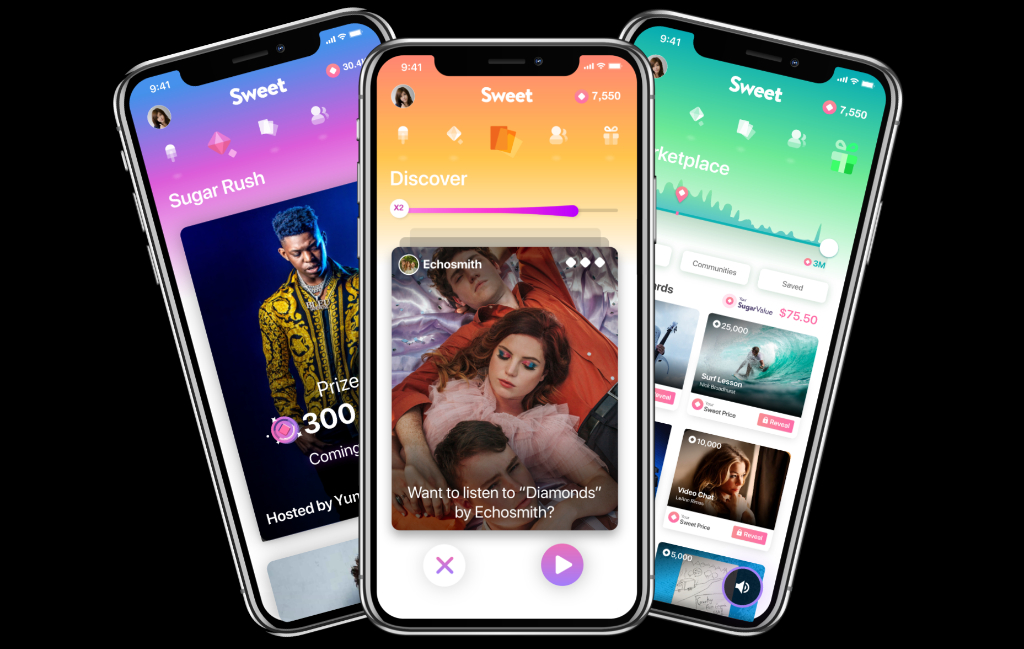
Sweet, which he founded in 2016, gave him another way to think about participation. By 2020, he was describing an app where music fans earned an internal currency called Sugar through engagement and spent it in a rewards marketplace. Artists wanted streams, saves and follows. Fans wanted discovery, access and something enjoyable in return for showing up.
His objection to conventional loyalty programmes was specific. They tended to notice a consumer at the point of purchase. A fan could spend time listening, sharing and bringing friends along before buying anything. That activity helped the artist, even when it generated no receipt. Mizzone wanted a system that could recognise it. “Fan engagement is valuable,” he said.
The app’s Sugar Rush listening parties made that argument tangible. Fans could listen together, chat and earn rewards. He discussed sessions involving Megan Davies and Echosmith, with follow-up actions for listeners who liked the music. A song could lead to a save, then a follow, then another encounter. Sweet was trying to give those small acts a place in an exchange between artist and audience.
There was also a constraint in his description: earning actions should reflect what listeners actually enjoyed. He called himself a selective user. That is a revealing product preference. A reward that persuades someone to perform enthusiasm can spoil the evidence it was meant to collect.
A digital toy in the meal box
As Sweet moved into digital collectibles, Mizzone kept looking for familiar points of entry. In 2021, the company worked with Burger King on the Keep It Real Meals collectible game. A QR code on a meal box could open a digital experience. Collecting pieces and completing sets made the mechanics recognisable before anyone needed a lecture about blockchain.
The campaign featured Nelly, Anitta and Lil Huddy. It tied celebrity, a restaurant visit and a collection game together, giving Sweet a distribution route outside a specialist crypto marketplace. A customer could encounter the programme while doing something as unremarkable as ordering lunch. For a technology often introduced with a glossary, a meal box was refreshingly direct.
The game and its rewards were at the centre of the campaign. Mizzone’s argument was that brands could use digital assets as parts of an ongoing experience. Completing a collection gave the user a reason to return. The collectible had a job beyond occupying space in a wallet.
He was equally plain about the checkout. In 2022 he said: “If you can buy a T-shirt online, you can buy an NFT on the Sweet platform.” Sweet allowed standard credit-card purchases. The comparison sets a practical test for the founder: a customer should be able to understand the transaction using habits they already have. Nobody buying a T-shirt expects to sit an entrance exam.
“If you can buy a T-shirt online, you can buy an NFT on the Sweet platform.”
Tom Mizzone · 2022
Four plays make a quest
By 2024, Major League Soccer and the MLS Players Association were taking that approach into MLS QUEST. Fans collected video-based Key Play of the Game Medallions through online and physical Pick Up Zones. Four key plays completed a quest and offered a chance at rewards, including merchandise, tickets and experiences.
The structure fits Mizzone’s long-running interest in giving attention something to do. A highlight is already meaningful to a supporter. A collection adds an objective. Trading adds another person. Rewards can carry the activity back into the physical world of matches and jerseys. Each step is legible without first understanding the ledger underneath it.
He described the design discussions as beginning with the fan experience. The league and players association wanted an engaging, rewarding programme; Sweet’s task was to make the blockchain elements fit inside it. His compact warning to product builders was “don’t phone in the important part”. By that he meant the actual experience a person came to have.
That phrase has more personality than a page of technology predictions. It leaves little room for the founder’s favourite feature to excuse a dull afternoon for the customer. In Mizzone’s telling, the quality of the plays, the mechanics and the ease of taking part all have to survive scrutiny. The engineering gets no exemption for being difficult.
Find medallions02 / TRADE
Complete the set03 / UNLOCK
Chance at rewards
Tennis, with a smaller entrance fee: attention
In July 2025, Sweet and Winners Alliance announced Flappy Racquet, an arcade-style tennis mini-game inspired by Flappy Bird. Its setting was the SCOR on Sweet mini-app, available through Telegram, web and mobile. Players could compete, accumulate Gems and, under the announced programme, unlock athlete characters with gameplay benefits.
The partnership’s announced roster included Naomi Osaka, Aryna Sabalenka and Tommy Paul, among others. Planned rewards included signed game-worn gear and video meetings with professional players. The announcement described eligible users potentially converting Gems into the SCOR token later. Those conditions matter: a game mechanic, a token and a promised reward are different parts of the experience, each with its own rules.
For Mizzone, the combination joined recognisable athletes to a form of play that required little introduction. It also carried forward the access he had discussed in Sweet’s music days. The reward could bring someone closer to a performer they followed, whether that person stood on a stage or across a tennis net.
There is a consistent ambition here, even as the products change. Mizzone wants participation to count. The hard part is making the counting feel like a game a person would choose to play. A leaderboard can record activity; keeping someone interested takes considerably more taste.
Something to do with what you own
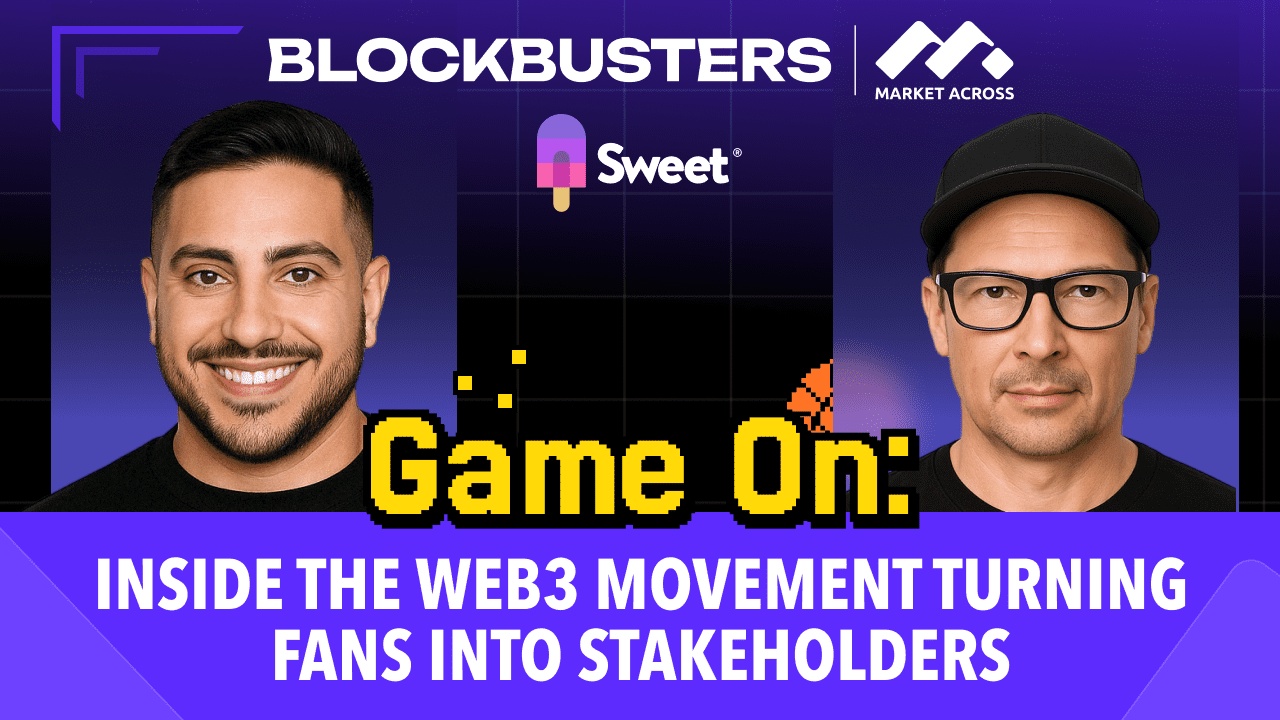
By February 2026, Mizzone was speaking more bluntly about the shortcomings of the first wave of sports NFTs. “We essentially sold people digital posters and stored them in a digital closet,” he said. The criticism came from someone who had spent years building in the category. A purchase alone had proved an inadequate basis for sustained engagement.
His proposed next step, through SCOR, is to make existing assets useful across experiences and to let fans build a verifiable record of participation. He describes a future in which ownership can unlock play, and a fan’s history can help determine access and rewards. These are his aims for the system. They ask more of the product than simply making an item available for sale.
The idea also brings his career back to digital rights. He has worked with entertainment businesses trying to understand online distribution, with drivers buying access to a track, and with fans exchanging time for rewards. Across those settings, the practical questions concern access, permission and what makes an experience worth returning to.
Sweet’s future depends on people answering that last question with their behaviour. Mizzone can arrange the partnerships and build the systems. The fan still decides whether to come back. For a founder who began by helping people get onto the internet, that is a fitting problem to keep working on: once the connection works, give someone a reason to stay.