The most revealing customer review may be the one that says nothing. One star. No explanation. No clue whether the chips were cold, the parcel was late or a Tuesday simply went badly. Software can tag it negative. A person has to decide what to say next.
This awkward little gap between classification and judgment is where threesixfive lives. The company is based in Barnstaple, far from the London agency circuit, and handles the untidy public conversations that arrive in comments, direct messages, review sites and live-chat windows. Its agents reply in the voice of other companies. They soothe complaints, answer stock questions, notice recurring grumbles and, sometimes, know when silence would be the cleverer joke.
Founder and CEO Martin Giles opened the business in 2019 around a complaint that now feels almost quaint: brands had discovered social media but had not discovered replying. The launch numbers were already substantial - more than 30,000 interactions a month across over 800 social pages. Each team received a two-week client induction. No overseas hand-off. Service every day of the year. The name was also the rota.
The work between the post and the purchase
Community management is often mistaken for social media marketing. The distinction is useful. Marketing makes the post; community management deals with what comes back. A customer asks whether a restaurant has a gluten-free option. Someone else reports a damaged delivery. A joke takes off. A complaint begins attracting spectators. Every response carries two jobs: solve the person's problem and perform the brand in public.
threesixfive packages that work into six connected services. Community managers monitor comments, messages and mentions from 8am until 10pm. Review specialists answer on Google, Facebook, TripAdvisor and Trustpilot. Customer-service agents take on inboxes and tickets. Live-chat agents help website visitors in real time. Proactive engagement finds conversations worth joining on TikTok and Instagram. Human Insight turns the whole stream into patterns a company can use.
Comments, DMs, reviews, mentions and live-chat questions arrive in one messy human stream.
Brand-trained agents answer, de-escalate or move sensitive cases into private channels.
Repeated requests, complaints and sentiment shifts are logged instead of forgotten.
Insights go back to marketing, operations, e-commerce and product teams that can act.
It is a service business, not a software subscription. There is no public price card. Proposals are quoted around channels, hours, volume and the mixture of services required. That makes comparison less convenient than counting platform seats, but it reflects what is actually being bought: trained attention during the hours when customers decide to speak.
“We don’t rely on AI, so we can understand context, sarcasm, empathy, tone, and all the things that AI really can’t.”Laura Tomlin, General Manager
The first thing the machines missed was the joke
The company's most interesting product began with a disappointment. For Human Insight reporting, the team trialled AI tools designed to make sense of customer conversation. The output was close enough to look impressive and wrong enough to be dangerous. Sarcasm, British humour and context slipped through. A phrase could be positive in isolation and furious in the thread.
So the company moved the work back to people. Agents manually review messages, comments and reactions, then classify them by sentiment, topic, platform and whatever categories matter to the client. This is slower than pressing “analyse.” It is also the reason the report can escape the marketing department. A delivery complaint can reach operations. Confusion on live chat can reach the e-commerce team. A chorus asking for an old product can reach the people who decide what to sell.
The useful loop
conversation
the context
changes something
Krispy Kreme supplied the neatest example. Across 2025, customers kept asking for old doughnuts to return. Strawberry Gloss accounted for 42 per cent of those requests. The reporting supported the brand's instinct that this was more than nostalgic noise, and the doughnut returned for a limited campaign. In February, threesixfive counted 3,514 positive mentions; Strawberry Gloss generated 59 per cent of all positive brand conversation that month and helped produce a reported 196 per cent lift in average monthly positive engagement.
Boring replies, useful numbers
The glamorous version of social media is a viral post. The operational version is 6,200 reviews a month. For Kwik Fit, threesixfive says it managed that average volume across more than 700 locations, responding on Facebook, Google and Trustpilot within 48 hours with individual replies. Over 18 months, the reported reputation score rose 23 per cent and the Trustpilot score moved from 2.4 to 4.0.
Live chat pushed the work closer to the till. A 2024 Kwik Fit trial used Zendesk, including automated routing at the entrance, before human agents took over. According to the client's head of digital and CRM, conversations more than doubled conversion during the first three months. The distinction is subtle but important: threesixfive is not allergic to tools. It objects to asking a tool to perform judgment it does not possess.
Proactive engagement flips the posture again. Instead of waiting for a complaint, agents look for culturally relevant conversations a brand can enter without sounding like someone’s uncle has discovered slang. Krispy Kreme began with one hour a day on TikTok in June 2023. The programme expanded to Instagram and, by the company's count, generated more than 4.9 million likes, roughly 1,500 creator responses and as much as 45 per cent of total positive brand conversation.
A moat made of judgment
Traditional agencies can add community management. Contact centres can add social channels. Platforms can sell faster automation. An internal team can keep everything close to the brand. threesixfive sits between them: more specialised than the general agency, more conversational than the call centre, more managed than the software and easier to extend beyond office hours than an in-house rota.
Its difference is also its constraint. Human attention costs money, training takes time and quality depends on the people doing the reading. The model makes most sense for consumer brands with enough public conversation, operational complexity or reputational risk to justify dedicated coverage. A quiet local business with six comments a week can probably answer them itself. A company seeking instant, multilingual coverage at software margins will prefer automation. And no team, however tactful, can repair a product or delivery system that keeps creating the same complaint.
That last limit may be the most useful part of the proposition. Good community management does not merely make unhappy customers sound happier on a dashboard. It identifies why they are unhappy and sends the evidence to someone able to change the cause.
What another team can copy tomorrow
- Write tone rules with examples, then train people on the product and escalation path.
- Cover the hours customers actually talk, not only the hours the office is open.
- Answer the person, but record the pattern.
- Route recurring themes to operations, product and leadership - not just marketing.
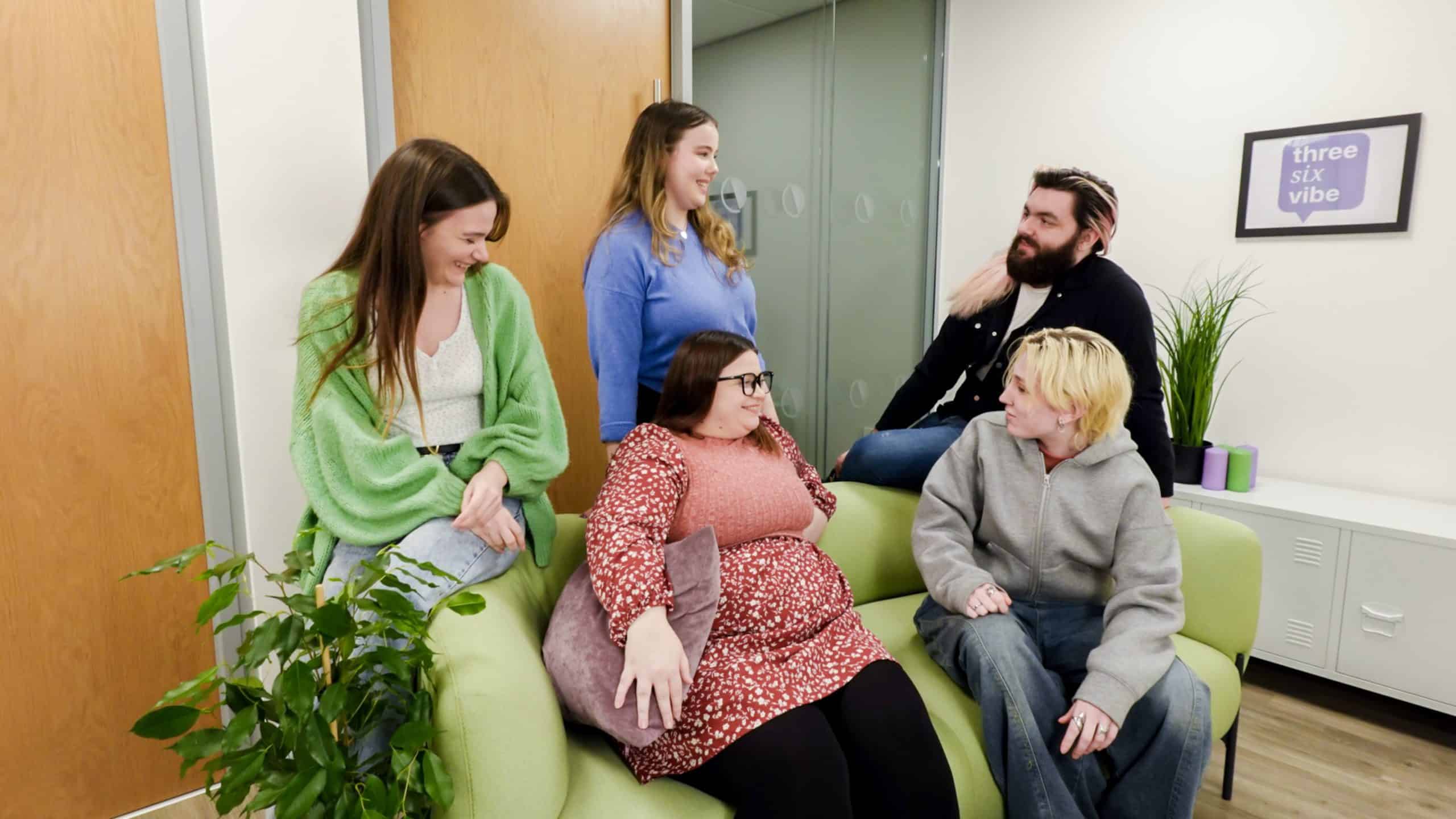
The company’s own culture mirrors the pitch. The operating team is gathered in one North Devon office rather than distributed through overseas call centres. Staff testimonials talk about career progression and the peculiar thrill of seeing their words appear under verified national-brand accounts. Current hiring material mentions weekend and holiday rotations, but also pensions, wellbeing support, casual dress and weekly incentives. The work is cheerful in photographs and exacting on the schedule.
In 2019, Giles called social engagement the “new word of mouth.” The phrase has aged better than many predictions from that period. The channels have changed; the basic social risk has not. A person says something in public. Other people watch how the brand responds. Somewhere in Barnstaple, someone reads the whole thread before typing.