community-management
(25)
The Invisible Department Behind the Game You Cannot Stop Talking About
A small studio can build a world and still have nobody waiting at the door. Infernozilla sells the missing department - the people who turn Discord threads, Steam wishlists and launch-day nerves into a living audience.
The Beauty Agency That Treats Comments Like Customer Service
Mimi Banks spent 15 years inside L’Oréal. Then she built a remote agency around a deceptively unglamorous idea: the comment section is where a beauty brand proves whether it is listening.
Crowdcreate Sells the One Thing No Ad Dashboard Can: A Way Into the Room
The Irvine agency built a business around warm introductions, hard-to-manage online crowds, and the unglamorous follow-up between attention and action. Its best campaigns reveal a practical lesson: access is useful only when the message, timing, and product can survive the introduction.
Novy Unlimited knows a game’s launch starts before the press release
A game tester and a game-development author built an agency for the jobs indie studios struggle to squeeze in. Novy’s most revealing work happens before anyone hits send.
Creator Deck found its next business in a favor
When Chictopia’s banner-ad business faltered, a small client request pointed toward a new livelihood. Creator Deck grew from that experiment into an agency that handles the unglamorous work behind public influence.

ICO Marketing Solutions and the art of answering back
A token launch can buy attention. ICO Marketing Solutions built its pitch around the work that follows: explaining the project, fielding questions, and giving a community a reason to stay.

Buffer Makes the Content Calendar Feel Human Again
The veteran scheduler has grown into a tidy social command desk without turning into enterprise cockpit soup. For creators and small teams, that restraint is the feature.

Your Community Migration Ends Where the Admin Work Begins
Moving members is the visible job. The lasting work is designing permissions, identity, moderation and releases that a real team can safely operate after launch.
Respondology Started by Hiding the Worst Comments. Now It Wants Brands to Find the Money in the Rest.
A racist pile-on aimed at Serena Williams gave this Boulder team its first problem to solve. Seven years, three products, and $16 million in disclosed Series A financing later, Respondology is betting that the comment section is not merely a mess to clean up - it is a neglected customer channel.

The Lawyer Who Built a 10,000-Person Company Inside a Virtual Bar
Amy Pritchard traded courtrooms for comment sections and built ModSquad - a 10,000-Mod, 90-country moderation network - without raising a cent. She has been running a fully remote company since 2007, a decade before the rest of us learned the word.
The Company That Rents You the Internet's Best Behavior
ModSquad started as an avatar hangout in Second Life. Fifteen years later it is a 10,000-Mod global network moderating communities and answering support tickets for the NFL, EA, and Spotify - without ever having raised a dollar.
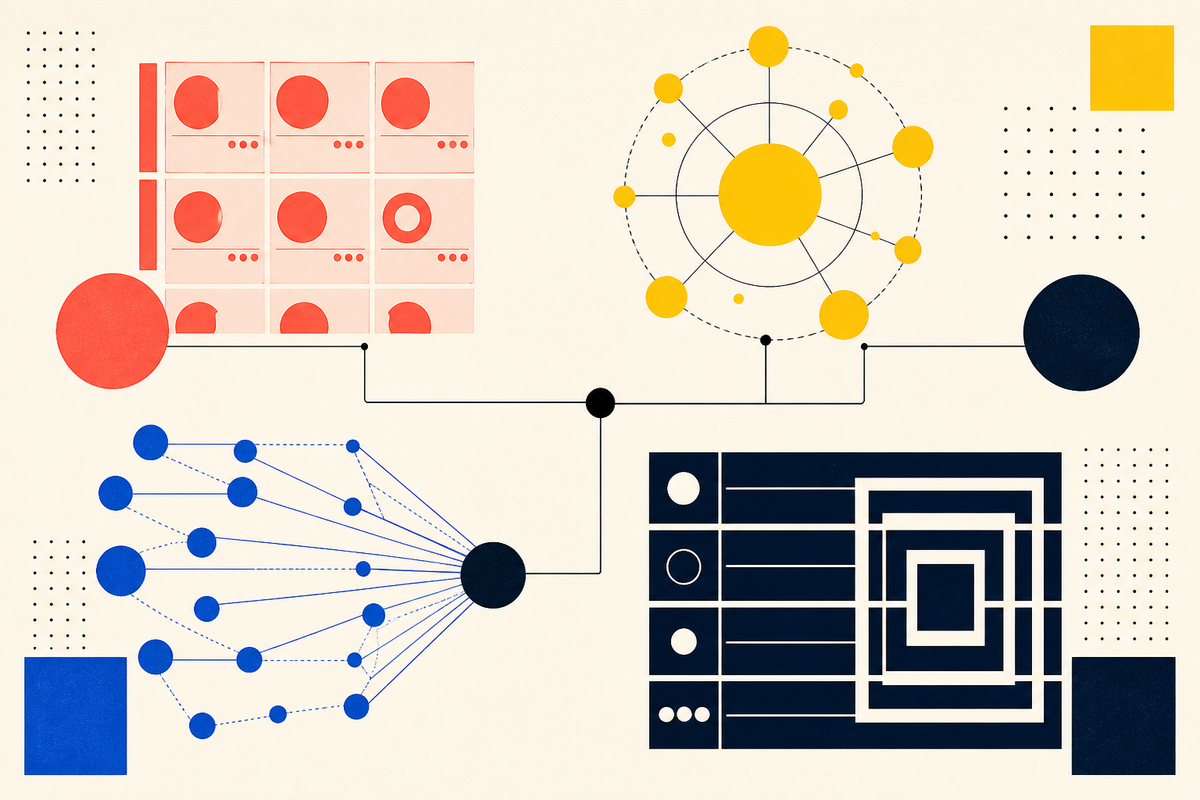
Stop Shopping for a Community Platform
Glue Up, Patreon, Common Room and Invision Community all sell “community.” What they actually sell are different answers to who belongs, who pays and what participation is worth.

The Quiet War to Own the Audience You Rent
From a forum engine older than the iPhone to a fresh crop of venture-backed startups, a whole industry now sells institutions the same promise - a home for their people that no algorithm can take away overnight.

Everyone Is Suddenly In The Business Of Belonging
From a Fortune 500 CRM to a solo podcaster's chat room, four very different companies are chasing the same prize - the crowd that keeps coming back. Here is how the fight for online community actually breaks down.

Everyone wants a community. Almost nobody owns theirs
Six platforms - from open-source Discourse to enterprise Khoros and Salesforce - are quietly fighting over the same thing: the conversations your customers have about you. Building that crowd turns out to be the easy part. Owning it is where it gets expensive.
Threado
A community-management dashboard that turned itself into a support AI - how two ex-Zomato builders taught software to answer the questions people keep asking.
ToucanTech
The London company betting that schools, universities and membership groups would rather run their whole community - website, database, donations and all - from a single system than from a drawer full of subscriptions.
Website Toolbox
Effortlessly build a beautiful community forum with zero coding, seamless embedding, instant setup, and exceptional support.

The Six-Way Fight to Run Your Online Community
IgniteTech, Bevy, Threado, Salesforce, Raklet and Patreon all sell the same promise - a home for your people. Here is how six very different companies are carving up the business of belonging.
Discourse
Discourse is the customizable, scalable community platform powering more than 22,000 communities that create knowledge through conversation.
Ampverse
Ampverse is a Singapore-founded, creator-first gaming and entertainment company that connects consumer brands and game publishers with gaming audiences across Southeast Asia, India and the Gulf. It owns and operates gaming media properties, esports teams and creator networks, and packages them into marketing, in-game advertising, publishing and analytics services for brands like Coca-Cola, KFC and Red Bull. The group reaches a claimed 600M+ fans through its owned assets and managed creators.
GGWP
GGWP is a San Francisco-based AI company that builds moderation and community-safety tools for online games, media networks and large fan communities. Founded in 2020 by esports pioneer Dennis 'Thresh' Fong, Crunchyroll co-founder Kun Gao and data scientist Dr. George Ng, its Community Copilot platform uses machine learning to detect toxic behavior across text chat, voice, usernames and Discord, triage player reports, and track long-term player reputation - across 20+ languages. GGWP has moderated tens of billions of messages across 100+ games and works with publishers including Unity, Sony, Krafton and Fandom.
Nectar Social
Nectar Social is an AI-native 'social operating system' that helps consumer brands manage communities, listen across platforms, and turn social conversations into revenue. Founded in 2023 by former Meta sisters Misbah and Farah Uraizee, its autonomous Nectar Agent handles engagement, moderation, creator workflows, competitive intelligence, and commerce conversations across channels like Instagram, TikTok, and Reddit. The company has raised $42.6M total, including a $30M Series A in 2026 led by Menlo Ventures, and counts Liquid Death, Figma, e.l.f. Beauty, and Goop among its customers.
wrrk
wrrk is an Austin-based customer-experience company that builds and runs fully-managed support organizations for high-growth brands. It blends vetted USA-based and Philippines-based agents with tooling and automation to deliver omnichannel customer service - phone, chat, email, SMS, social and marketplace - so startups and consumer brands get the reliability of an in-house team with the flexibility of an outsourced one. wrrk supports 125+ brands including Bombas, Supergoop, Taylor Stitch, Momofuku and AllTrails.

Krystal Wu
Krystal Wu is a Boston-based community and marketing program manager known for building engaged B2B communities at HubSpot, Shopify, and Common Room. She spent nearly five years at HubSpot growing their social media community before moving into senior roles at Shopify and ZoomInfo. At Common Room, she built an events engine from scratch that generated $1M+ in pipeline in a single quarter, earning her a reputation as one of the more results-oriented voices in the community-led growth space.