Community software is usually purchased backwards. A team opens a spreadsheet, puts vendors across the top, and fills the rows with forums, events, analytics, payments, mobile apps and artificial intelligence. The sheet becomes impressive. The decision becomes worse. Features that share a name can serve completely different relationships, and the four products in this story make the problem unusually clear.
Glue Up, Patreon, Common Room and Invision Community are all credible answers to a question containing the word community. They are not credible answers to the same question. One manages the institutional machinery around members. One converts devotion into creator income. One observes behavior scattered across the internet and turns it into sales context. One gives discussion, knowledge and member identity a permanent address.
The practical lesson is simple: do not begin with software. Begin with the exchange. Who contributes what? Who receives value? Where does money move? Which behavior must repeat next week for the whole thing to remain alive? Once those answers are visible, the product category stops looking like a crowded shelf and starts looking like a set of distinct tools.
Glue Up runs the institution around the room
Glue Up grew from event-management technology into an association-management system. Its current product brings together CRM records, membership renewals, event registration, email campaigns, invoices, online payments and member-facing tools. That shape matters. The product assumes a community has an organization behind it, with staff doing repetitive work and members whose status must remain accurate.
For a chamber of commerce, professional society or nonprofit, the lively conversation is only part of the job. Someone still needs to know which company paid, whose membership expires in October, whether a delegate can access an event rate, and which reminders have gone out. Glue Up’s center of gravity is this operational continuity. Its published annual pricing starts in the thousands of dollars, a clue that the buyer is an organization replacing a patchwork of spreadsheets and point solutions, not an individual starting a casual group.
The useful test is not whether Glue Up has a feed. It does. The test is whether the burden you need to remove lives in the back office. If your community manager spends Monday reconciling payments, Tuesday cleaning the directory and Wednesday exporting event lists, an association system can create leverage before anyone posts a comment.
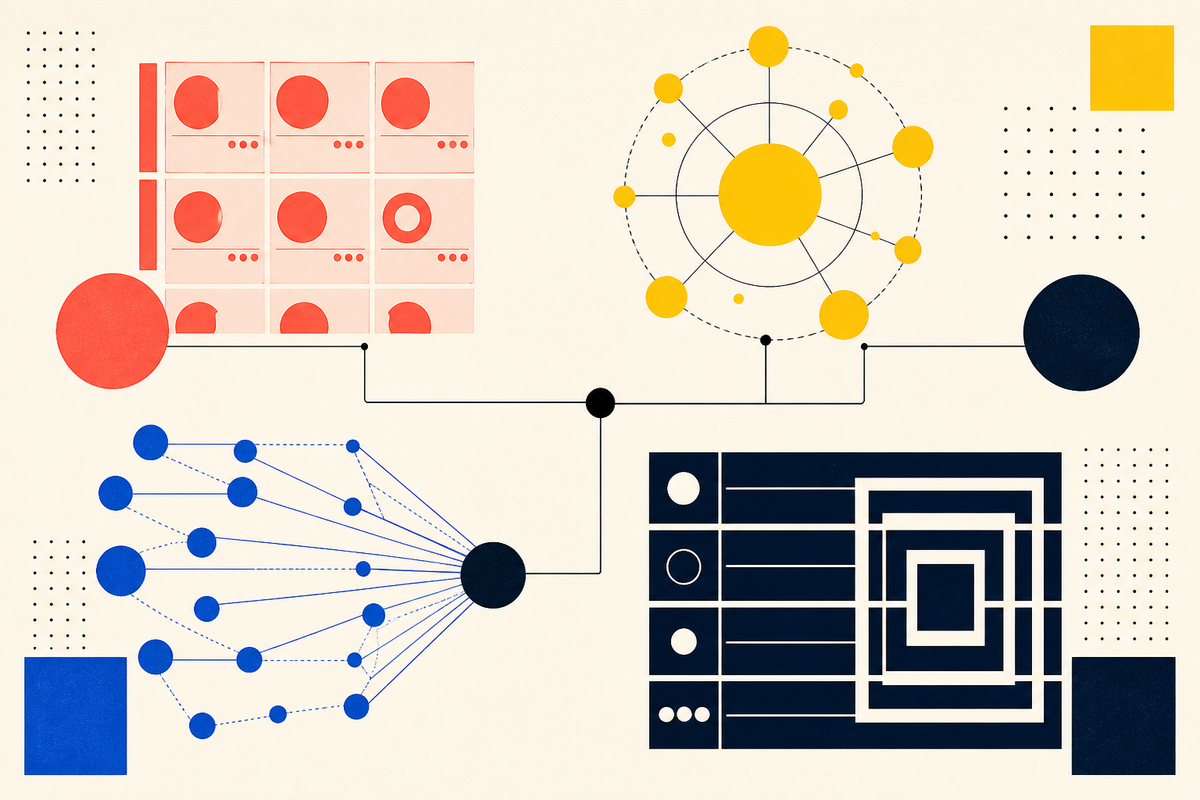
Members, renewals, events, CRM, payments and institutional memory.
Publishing, access, fan relationships and recurring creator income.
Signals, identity resolution, prioritization and go-to-market action.
Structured discussion, knowledge, groups, courses and branded space.
Patreon makes belonging a transaction
Patreon starts from another exchange: a creator makes work, fans want more of it, and some will pay for access, continuity or closeness. The company began in 2013 after musician Jack Conte saw a mismatch between the audience for his videos and the advertising income those views produced. Patreon made recurring support legible as a product.
The platform now includes free membership, paid tiers, one-time purchases, posts, newsletters, video, livestreams, chats, comments and direct messages. Patreon says more than 300,000 creators use the service and more than 10 million fans pay for memberships each month. Its current standard platform fee is 10 percent of creator income, plus processing and other applicable fees. The cost expands with success rather than arriving as a large software contract.
This model works when the creator is the organizing node. Fans gather because they want the work and a closer relationship to the person or team making it. It is less natural when member-to-member knowledge is the main asset or when an elected board needs granular institutional workflows. A creator should ask whether membership itself is the product. If the answer is yes, Patreon removes a remarkable amount of billing and access-control machinery.
Common Room watches the activity outside
Common Room is the category-breaker. It is not primarily a place where a community gathers. It connects signals from product usage, websites, CRM systems, social networks, developer channels and existing communities, then resolves those traces into people and organizations. Its current positioning is explicitly go-to-market: help revenue teams identify a promising account, understand what changed and act with context.
That evolution is revealing. Community activity can be valuable without living inside the vendor’s product. A developer may open an issue on GitHub, attend a virtual event, visit a pricing page and appear in a CRM under slightly different identities. Common Room’s bet is that joining those fragments produces useful buyer intelligence. RoomieAI agents extend the system into research, prioritization and outreach. Its Essential plan is currently listed at $2,500 per month billed annually, which makes the intended buyer a B2B team with a measurable revenue motion.
This is a different ethical and managerial job from hosting a forum. Teams should decide what signals they truly need, how consent and governance work, and where human judgment belongs. Activity is context, not permission. Used carefully, the platform can prevent generic outreach and help teams notice genuine interest. Used lazily, a rich profile merely supplies more ingredients for unwanted messages.
Common Room’s distinct value loop
Invision gives the conversation an address
Invision Community carries a much older internet instinct into modern software: people create durable value when their discussions can be structured, searched and revisited. Founded in 2002 and originally released as Invision Board, the platform now combines forums, Q&A, articles, blogs, files, galleries, events, courses, clubs, subscriptions and granular member permissions. Operators can shape the theme, build pages, connect APIs and use webhooks.
The distinction is ownership. A brand, educational group or specialist community can create a destination shaped around its knowledge rather than rent a corner of a general social network. Solved answers remain findable. A long discussion can become a reference. Courses and events can sit beside member groups instead of being scattered across services. Version five adds contemporary editing, summarization, spam controls and other AI-assisted features without abandoning that destination-first model.
Ownership also brings responsibility. Someone must design the structure, moderate the space, create reasons to return and maintain the experience. An empty branded forum is more conspicuous than a quiet chat channel. Invision is compelling when the archive compounds in value, members need differentiated spaces, and the operator wants the community to feel like part of its own product or institution.
The buying framework that avoids regret
Begin by writing one sentence: “When this community works, members repeatedly ____ so that ____.” A professional association might renew and attend so that members gain access and the institution stays funded. A creator’s fans might subscribe so that the work continues and they get closer access. A software company might learn from distributed activity so that teams respond at the right moment. A technical community might answer questions so that knowledge becomes easier to find.
Then follow one real participant through one real week. Count the logins, payments, handoffs and places where staff retype information. Demo that journey instead of accepting the vendor’s tour. Ask what happens when a card fails, a moderator leaves, a member changes employers, a discussion becomes a support asset, or a person asks for their data. The boring edge cases reveal the operating model.
A five-question demo script
- What recurring action creates value for members?
- Which identity and payment records must stay correct?
- Does the community need a destination, or insight across destinations?
- What should remain searchable a year from now?
- Which failure would cost more: staff time, lost revenue, missed intent or lost knowledge?
The answer may be a stack. An association could use Glue Up for member operations and a separate deep discussion space. A creator business could use Patreon for payment while maintaining an owned archive elsewhere. A software company could host a customer community in Invision and analyze broader signals in Common Room. Integration is sensible when each system has a clear job. It becomes expensive when no one can say which record is authoritative.
The hidden variable is habit. Migration cost is not just rows in a database. It is every member learning where to click, what to post and why they should return. The winning product is often the one that asks for the least unnatural behavior. Choose the system that makes your community’s central ritual boringly easy, then be disciplined about everything else.
Common questions
Which platform fits a professional association?
Glue Up is the clearest fit here when memberships, renewals, events, payments, invoices, email and CRM records form the core workload.
Which platform fits a creator with paying fans?
Patreon is designed around creator memberships, direct publishing, community access and one-time digital sales.
Does Common Room host a community?
Not in the same way as Patreon or Invision. It connects activity from many sources and turns it into buyer and account intelligence for go-to-market teams.
When is Invision Community the strongest choice?
When an organization wants an owned, branded destination with structured, searchable discussion and flexible content, groups, events, courses and permissions.
Should an organization use more than one?
Sometimes. Combine tools only when each has a defined role and your team knows which system owns identity, payment, content and reporting records.