community-platforms
(8)
Sid Yadav and the Patient Art of Building a Circle
Before Circle became a home for millions of community members, its CEO learned to build in public, leave room for risk, and write down the culture before writing the company paperwork.
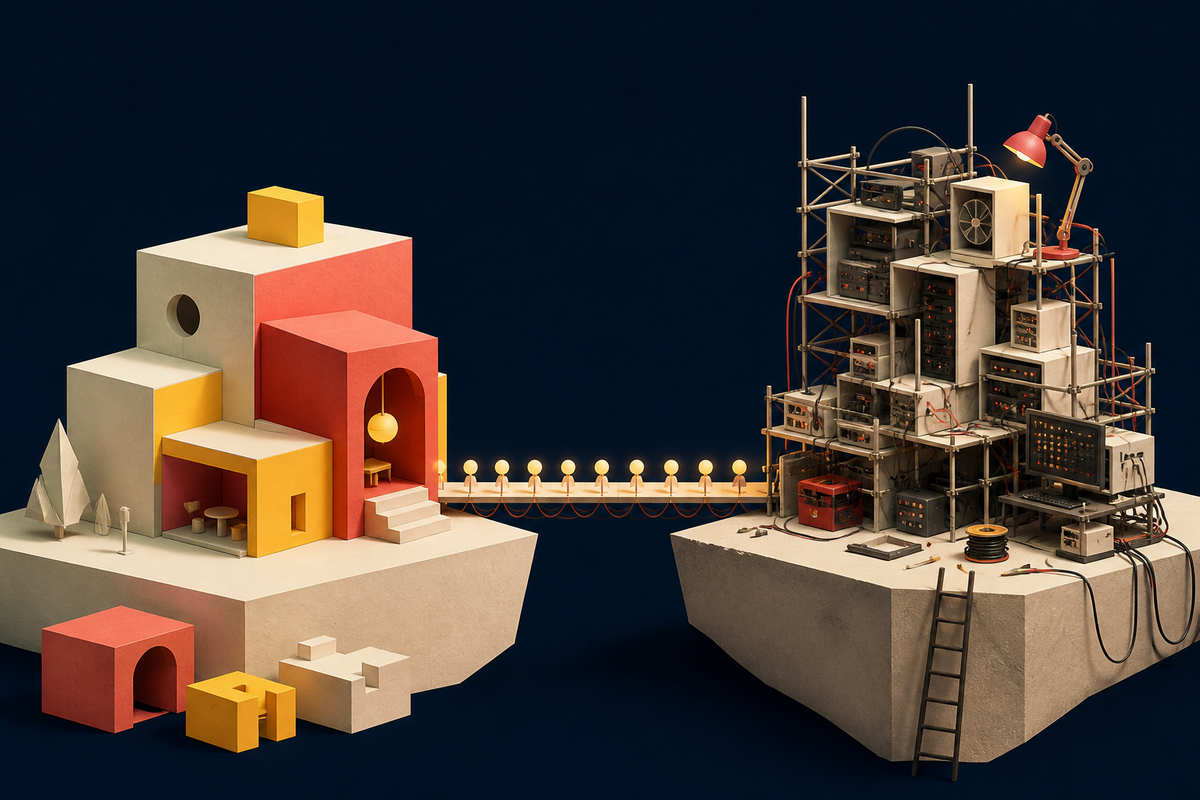
Your Community Team Should Stop Building Plumbing
Community leaders keep treating software ownership as strategic leverage. The harder truth is that advantage usually lives in the programming, relationships and insight layered above the platform.

Kevin Long Put the Campground Notebook on the Internet
A frustrating weekend ritual became a national camping platform. Kevin Long's route to The Dyrt runs through Deaf education, two tech exits, a Portland meetup, and years of taking the product camping.

Diego Fanara Turned a Lonely University Choice Into a Global Conversation
A teenager arrived in London with rankings, brochures and too few honest answers. Diego Fanara built Unibuddy so the next student could ask someone who had actually been there.
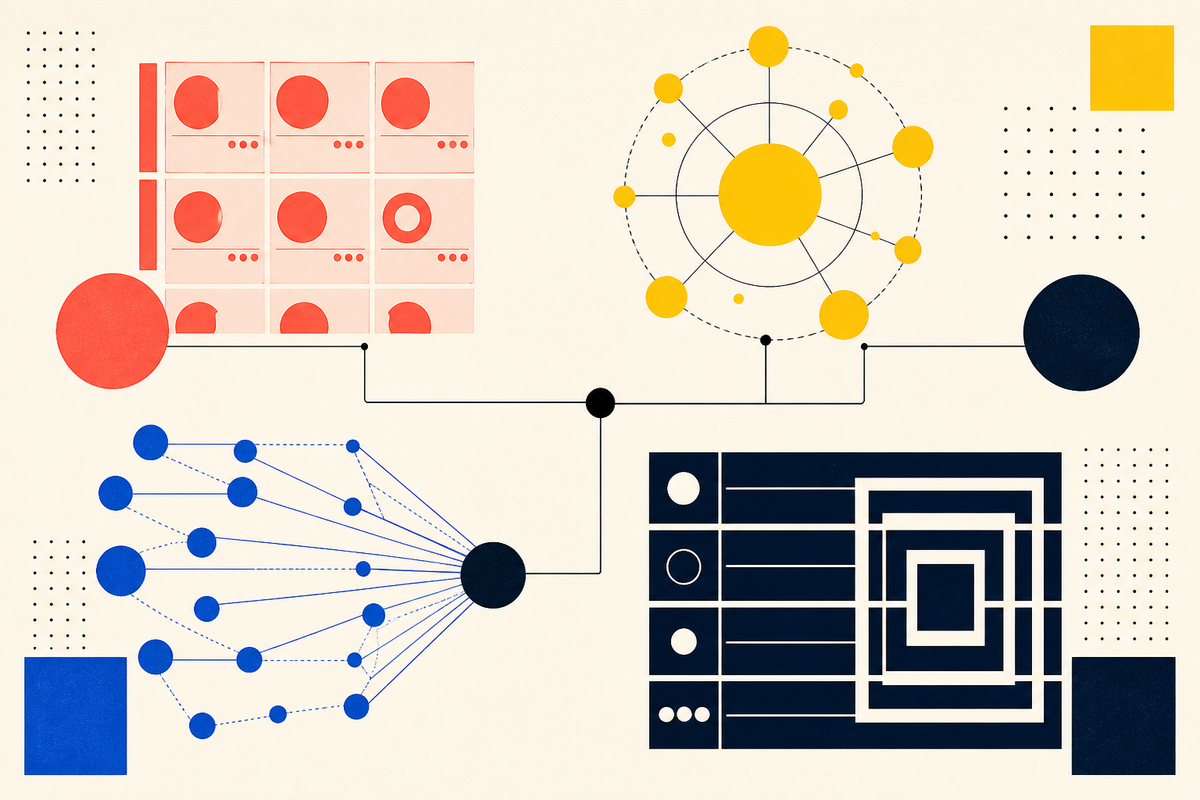
Stop Shopping for a Community Platform
Glue Up, Patreon, Common Room and Invision Community all sell “community.” What they actually sell are different answers to who belongs, who pays and what participation is worth.
Everybody Wants to Host Your Community Now
Kajabi, Discourse, Disciple and a pack of rivals are selling creators and brands the same promise - leave the algorithm behind and own the people who show up. Here is who is actually fighting for the private community, and what they are betting on.

Mighty Networks, Website Toolbox, and the Land Grab for Communities
Two platforms, two decades apart in age, are chasing the same prize - the online communities that creators and brands actually own instead of rent from a social feed. Here is what each one is really selling.
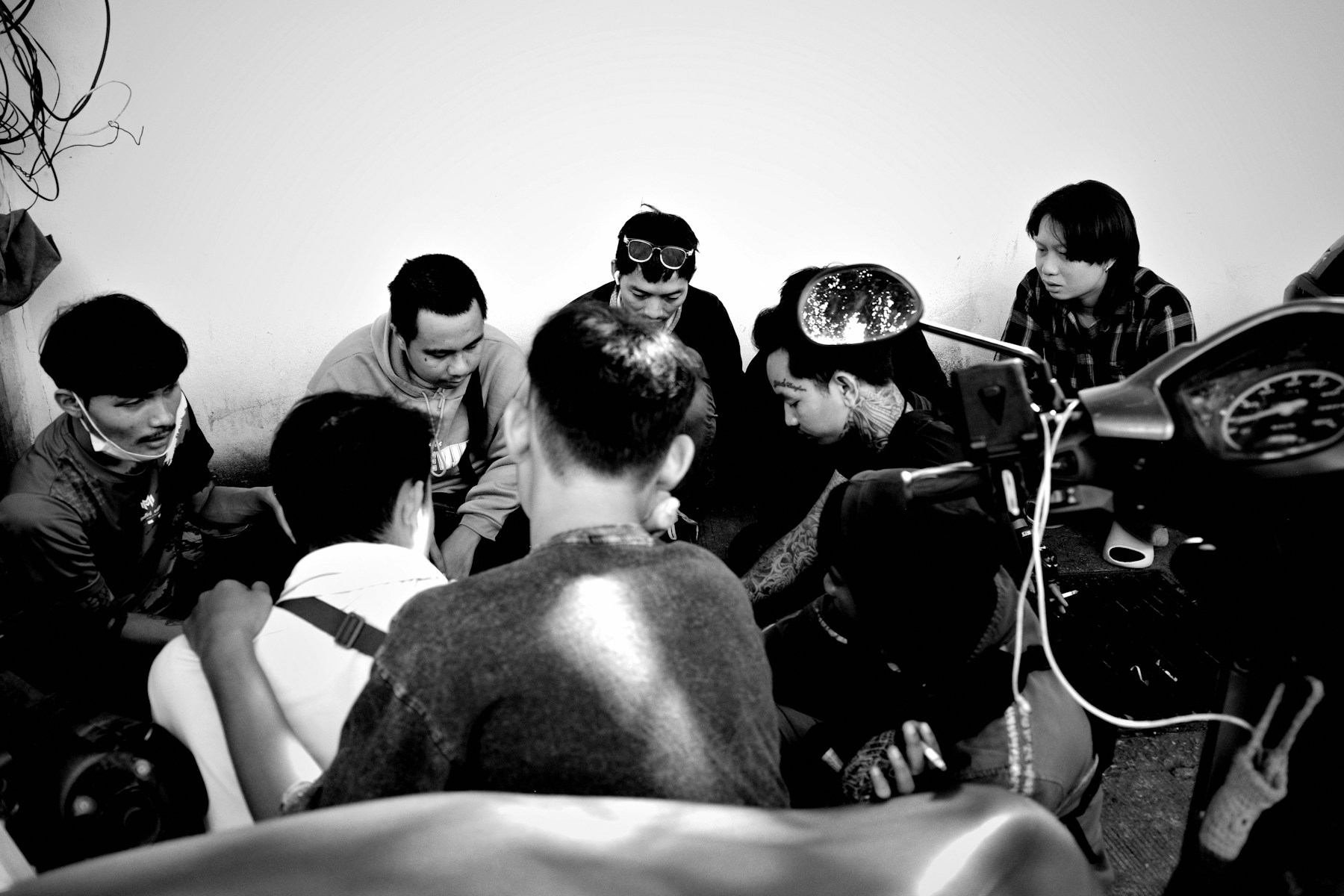
Community Platforms Put to the Member Test
Salesforce, Personify and Patreon promise different versions of belonging. A close look at the member journey - with Threado as a cautionary coda - shows where each experience connects, converts and creates friction.