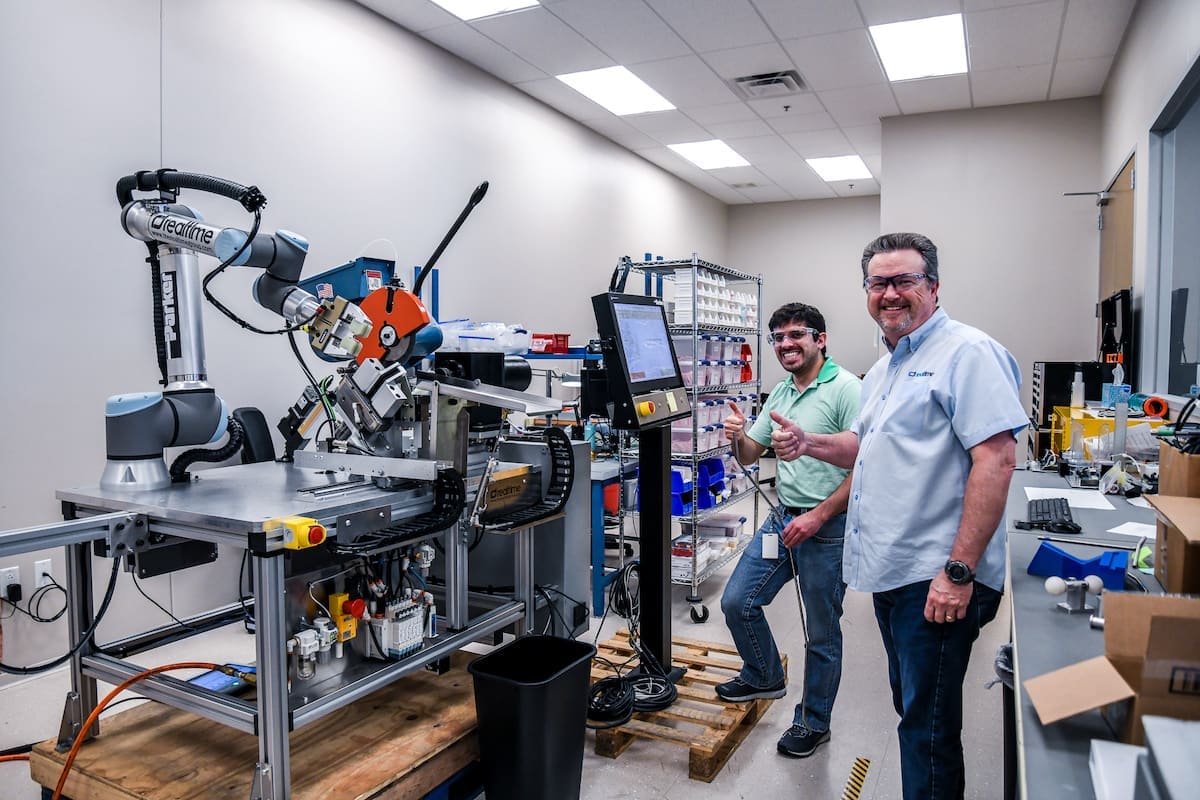
The first version was held together with zip ties. Koya Medical needed to inspect the small assemblies inside its Dayspring compression device. Human inspection was tiring and slow. The Realtime Group’s engineers put a camera and lights on a frame made from two-by-four lumber and materials already in the lab. Before building a proper machine, they needed to settle a doubt: could the camera see what mattered?
- Realtime combines product design, engineering, and validation for regulated industries.
- Its portfolio includes medical devices, factory inspection, and energy controls.
- The recurring lesson: test the uncertain part before committing to the expensive part.
The cheap test before the expensive machine
Sample parts answered the question. Koya had doubted that vision inspection would catch the defects; seeing it work changed the conversation. Realtime reports that the finished station delivered an inspection result in two to four seconds and cleared a three-month backlog in its first week. Those are the developer’s reported results, rather than a promise for every factory.
The engineering challenge included reflections, changing light, and hands entering the camera’s view. The tidy machine came after the untidy experiment. That ordering is a useful discipline: purchase confidence in the central assumption before purchasing the finished equipment.
Reported inspection cycle
Koya project, Realtime’s account
A pump has more than one audience
Ameda Pearl presents a different puzzle. A breast pump used in a hospital must endure repeated use. A parent taking it home expects something that fits ordinary life. Realtime’s portfolio describes a design combining those demands, and lists work spanning industrial design, human factors, interfaces, mechanics, electronics, software, systems engineering, and verification.
That list explains the company better than the word “design” alone. A housing, a control, and the behavior of the pump belong to different engineering disciplines. For the person using it, they are one experience. Someone has to make the disciplines agree.
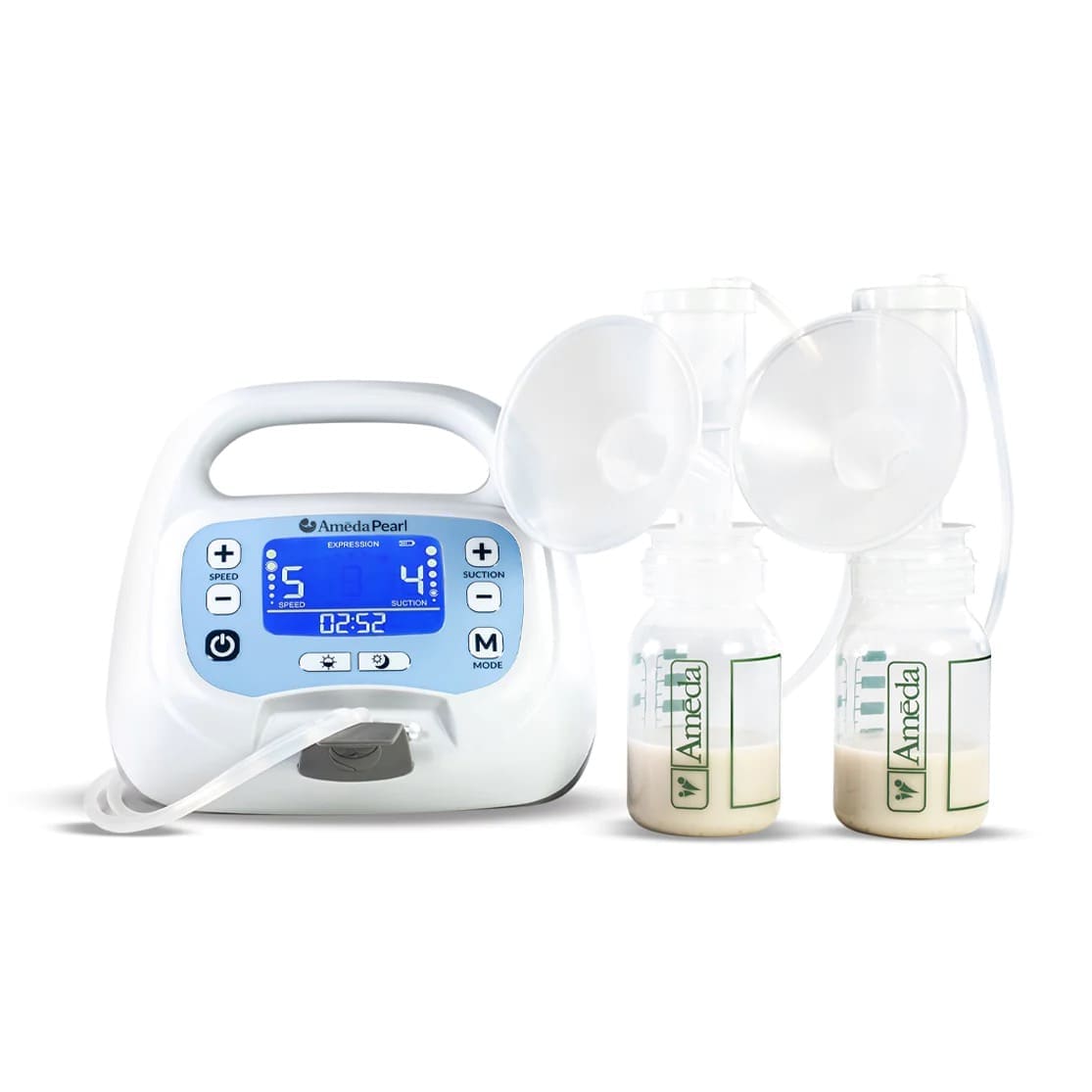
The same concern appears in Realtime’s surgical portfolio. A device for a TIPS procedure needed to accommodate complicated physical movements and high forces. A biopsy instrument needed better ergonomics without surrendering rigidity or maneuverability. These briefs give human factors a concrete job: examine the physical bargain between the instrument and the hand holding it.
The throat exam meets the supply chain
AirKor’s UltraEzAir began with the discomfort of a throat examination. Inventor John Houston and physician Blake Simpson wanted an alternative to dripping liquid lidocaine into the throat. Realtime helped develop a device that delivers a mist through existing examination equipment. Its work included engineering, prototypes, testing, and regulatory documentation.
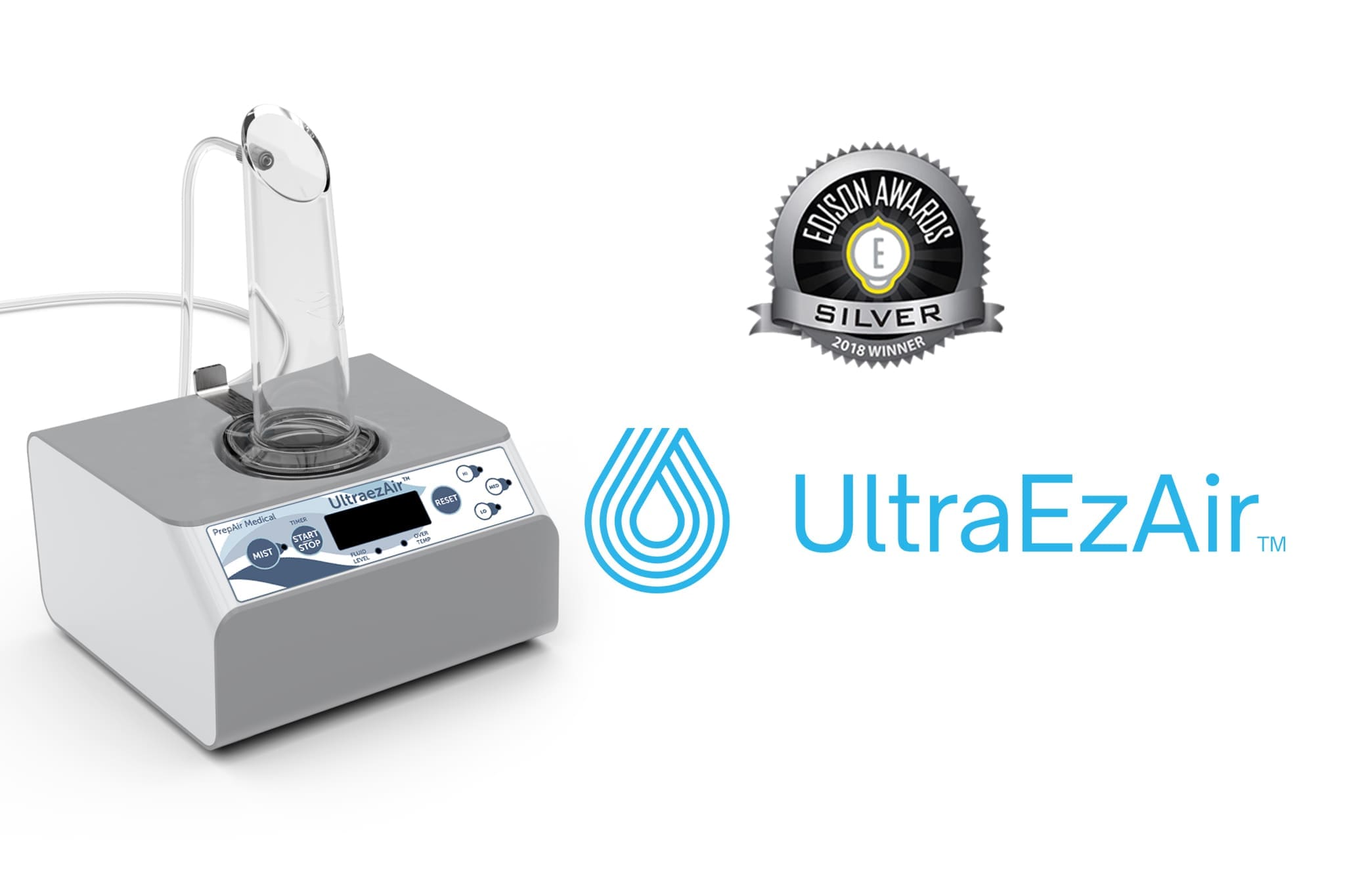
The case study also contains a less glamorous story. Funding constraints stretched the schedule. Pandemic-era supply chains complicated development, and clinical advisers were difficult to gather while facing other demands. Realtime describes more than 30 usability studies with prospective clinical users. Its account supplies no project price, but identifies where the budget pressed: development funding and a target manufacturing cost. A convincing prototype still had to survive the economics of becoming a product.
Selling the joins between disciplines
Realtime is a contract engineering business. Clients buy help with a portion of development or ask the firm to carry a project from concept through implementation. The products in its portfolio belong to those clients. Its market includes medical devices, aerospace and defense, automation, and consumer products; the common need is coordinated engineering where reliability and documentation matter.
Its services extend to embedded firmware, circuit boards, test fixtures, quality systems, and cybersecurity. The distinction is the combination. A standalone styling consultancy might shape the object; a testing laboratory might evaluate it. Realtime’s offer connects the object, the software, the user, and the evidence about how it behaves.
Hover Energy illustrates how that scope expands. The company initially sought a gap analysis, then engaged Realtime for systems integration around rooftop wind generation and microgrid controls. A problem apparently confined to reviewing a design turned into a problem of making interdependent systems cooperate.
Partnerships add another layer. Intertek announced a strategic agreement in 2016 to combine development and assurance expertise. CriTech’s announced alliance pairs Realtime’s physical design and hardware capabilities with software, firmware, testing, and remediation. For a buyer, the practical question is who covers each interface and who takes responsibility when an issue crosses it.
For a founder planning an engagement, that suggests a useful first meeting. Bring the intended use, the existing prototype, the constraints on cost, and the evidence already collected. Ask which question should be answered first. Hiring every discipline at once may be premature; hiring a single discipline without considering its neighbors can leave an expensive gap. The scope should follow the uncertainty.
A certificate with a useful confession
Realtime identifies as ISO 13485 and ISO 9001 certified. More revealing is its February 2025 article about certification. It describes once exempting itself from supplier qualification because it supplied design services rather than finished products. The firm reconsidered: suppliers selected during design could affect quality and later need its customers’ approval.
It established qualification criteria and approved suppliers internally. The article also describes alerting past clients when newly identified component concerns might affect earlier designs. This is a specific account of continuous improvement, and a useful interview prompt for anyone choosing an engineering partner: ask which procedure changed, and why.
The organization’s leadership reflects that mix. President and CEO David Felio previously led L-3 Unmanned Systems. Don Hurd, its quality and validation leader, helped guide Realtime and clients to ISO 13485 certification. Engineering and quality sit together in the public leadership roster. That arrangement makes sense for work in which a technical decision can become a documentation obligation.
Leave room for the person
Realtime’s automation writing makes an unfashionably sensible argument for partial automation. Fully automated systems require upfront investment and can be costly to modify. They can also send work faster into a downstream bottleneck. Low volumes, custom products, or frequent changes may favor a person working with carefully chosen machines and fixtures.
“We didn’t think a vision system would be able to catch these potential defects”
Koya, quoted in Realtime’s case study
The reader can copy the sequence without buying an inspection station: name the uncertainty, build a representative test, involve the person doing the work, then decide what deserves investment. It requires realistic samples and conditions; an impressive demonstration built around easy cases proves very little. The zip ties are amusing. The restraint they represent is the part worth keeping.