Consider the patient who must operate a medical device at home. The engineer has gone home, too. The clinician is elsewhere. What remains is an interface, a set of instructions and a person whose hands, eyesight or confidence may differ considerably from the designer’s. This is where a seemingly finished invention acquires another problem. Does it work when somebody else has to work it?
- Emergo helps medical device and diagnostic manufacturers enter markets and maintain compliance.
- Its human factors teams study the people using the products, alongside the products themselves.
- Consulting and local representation sit beside two software platforms: RAMS and OPUS.
Emergo by UL occupies this less theatrical stretch of medical innovation. Its work includes regulatory strategy, submissions, quality systems, local representation and usability research. Customers buy help with the distance between a promising device and a product that can be used safely and sold lawfully. The bureaucracy has an audience, after all: patients.
The patient is part of the product
Take Nuubo’s cardiac monitoring system. Its components included a wireless recorder, a sensing textile and analysis software. The challenge extended beyond collecting an ECG signal. Patients would use the equipment independently, sometimes with physical or cognitive limitations. Researchers reviewed instructions, developed a human factors validation protocol and observed representative patients, caregivers and healthcare professionals.
There were supplementary electrode studies, too: patients wore the system for twelve hours during the day or overnight. The collaboration ran from 2016 to 2018; FDA issued 510(k) clearance in August 2018. Those are useful particulars. A long wear session tells you something a polished demonstration cannot. Clearance was FDA’s decision, following a process to which Emergo’s human factors team contributed.
Nuubo’s published testimonial connects the experience to hospital adoption, emphasizing what the company learned about usability. The commercial lesson is modest but consequential: technical performance and a usable product deserve separate attention. A buyer must live with both.
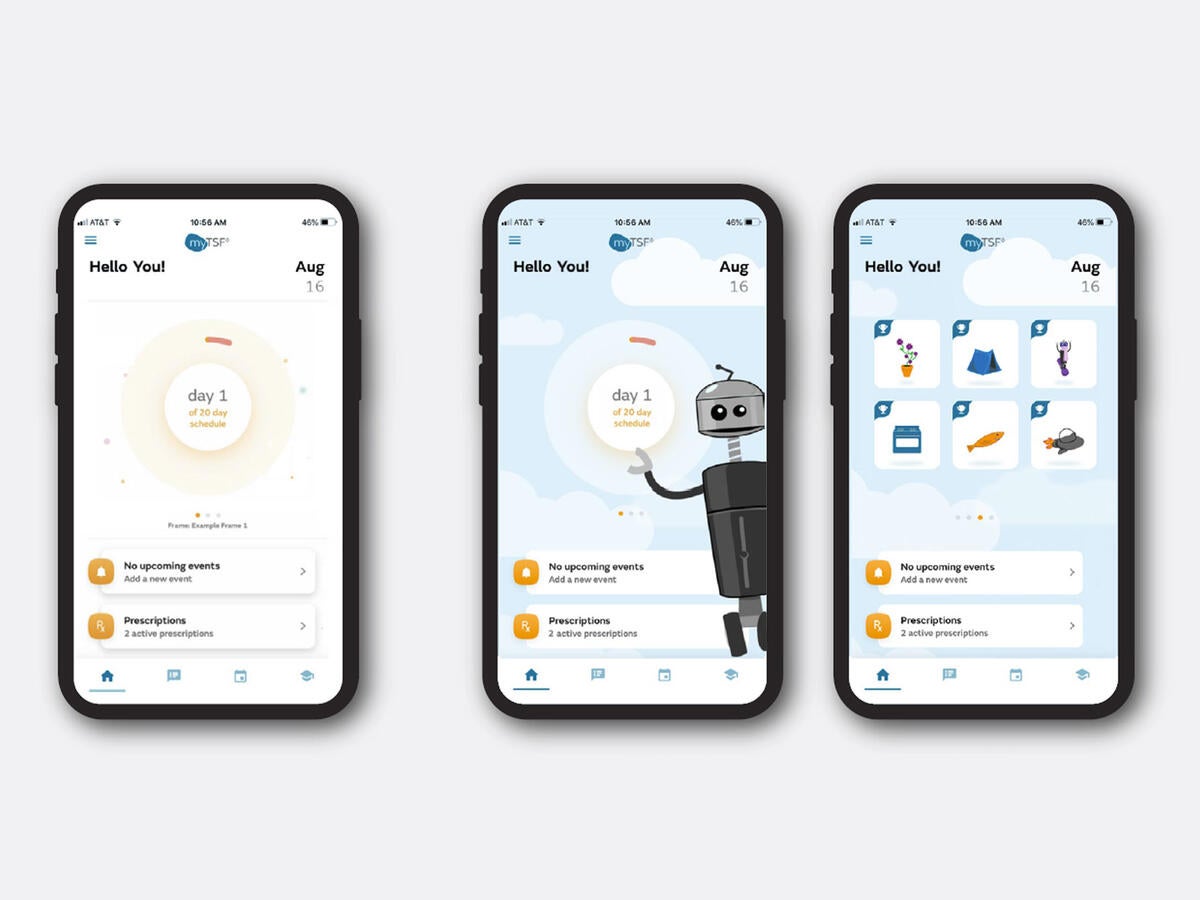
Another case study, with Smith+Nephew, makes the point more charmingly. The Taylor Spatial Frame is used to treat long-bone fractures and deformities. Patients adjust its struts at home according to a surgeon’s prescription. The myTSF mobile app helps them follow that schedule. Emergo’s work included interface design, formative usability testing and human factors validation.
The app’s pediatric mode features HenRI, a character intended to accompany younger patients through the routine. It is an unexpectedly personable detail in a regulatory consulting story. Yet the design brief was practical: reduce confusion and use errors in managing daily adjustments. A friendly screen earns its keep when it helps somebody complete the right task.
A passport with strings attached
The other half of Emergo’s business concerns borders. Founded in 1997 by René van de Zande, the firm helps manufacturers interpret market requirements, assemble submissions and maintain quality systems. Medical devices and in vitro diagnostics are its central territory; combination products and connected health also feature in its work.
In April 2017, UL acquired Emergo, joining registration expertise to its existing testing capabilities. The deal closed on April 21, with financial terms undisclosed. The acquisition announcement said Emergo had more than 200 employees and would retain its Austin headquarters and global offices.
“Many small-to-mid size manufacturers simply lack the resources and expertise”René van de Zande, on global regulatory complexity, 2017
One revealing service is independent in-country representation. A manufacturer entering a foreign market may appoint its distributor as regulatory representative. Convenient, until it wants another distributor. Depending on the market, the representative’s details appear on labels, manuals or registration certificates. Changing commercial partners can then require regulatory and labeling work.
Emergo’s proposition is to separate those relationships. The manufacturer can change distribution partners while retaining an independent representative. This is the sort of decision that looks administrative when everyone is friendly and commercial when they cease to be. The company reports more than 2,000 medical device and IVD customers using its representation services.
Illustrative workflow, not a regulatory pathway or promised timetable.
Putting expertise on a software shelf
Emergo also sells access to repeatable knowledge. RAMS, introduced in 2019, supports classification, guided documentation, regulatory intelligence and registration tracking. Its Smart Builder provides structured assistance with documents; Regulatory Watch follows changes; Registration Tracker organizes registrations by country, device or status. The software addresses the recurring chores that make international compliance difficult to manage in scattered files.
OPUS, introduced in 2022, serves human factors engineering. It offers training, templates, document libraries and tools for activities such as project scoping and root-cause analysis. Core features are complimentary; premium resources and annual individual, team or enterprise subscriptions expand access. Consulting remains a scoped service, rather than a purchase with one universal price tag.
This combination places Emergo among specialist medical-device service providers. NAMSA also spans regulatory consulting and testing; regional firms and internal teams offer other alternatives. Emergo’s particular package combines local representation, regulatory work, human factors design and software. Fit depends on the assignment. The company also specifies that its ISO 13485 certificate covers listed Medical Market Access services and offices, excluding Human Factors Research & Design.
The continuing work matters. Post-market services cover surveillance and vigilance, including incident reporting and root-cause analysis. A manufacturer needs ways to learn what happens after customers begin using the product, then manage the resulting obligations. Meanwhile, quality consulting helps build and assess the systems behind the device. Together, these services explain why Emergo’s relationship with a client can extend beyond a submission. The product enters the market on one date; the responsibility to understand its performance continues. That is a natural setting for ongoing representation, monitoring tools and specialist support.
Ask the awkward question early
The transferable habit is visible in Emergo’s September 2026 guidance: investigate users and workflows before the design becomes expensive to change. Cognitive walkthroughs can use sketches or rough prototypes to uncover how people expect a task to proceed. You can begin learning before you have a finished screen to admire.
The approach requires actual users, realistic tasks and a willingness to revise the design. Software templates alone cannot establish safe use, and consulting cannot grant regulatory permission. Emergo’s appeal rests on doing the unglamorous work carefully: observing the patient, preparing the evidence and watching the obligations that survive the launch party.