human-factors
(10)
Sam Zheng and the Knowledge That Never Made It Into the Manual
Before he co-founded DeepHow, Sam Zheng spent more than a decade studying how people and industrial technology work together. His next project began with a practical question: how do you teach what an expert knows without asking the expert to write it all down?

The Realtime Group makes the awkward parts work
A medical device can work perfectly on a bench and still bewilder its user. This Plano engineering firm builds for the messier test: people, production, and proof.

Emergo by UL and the last mile of medical invention
A medical device can work perfectly and still be difficult to use, register or sell. Emergo by UL has built a business around those awkward final steps - and the years of compliance that follow.

Cambridge Design Partnership gets past “almost works”
A prototype can impress a room and still be impossible to manufacture. Cambridge Design Partnership has built a business in that awkward gap, fixing everything from diagnostic instruments to the feel of a kitchen knife.

Five Engineers, Twenty-Five Pounds and a Workshop for Medicine
Team Consulting nearly disappeared before it found its lane. Four decades later, its employee-owners build the unglamorous machinery behind better injections, longer-lived transplant organs and an ear clinic that fits in a hand.
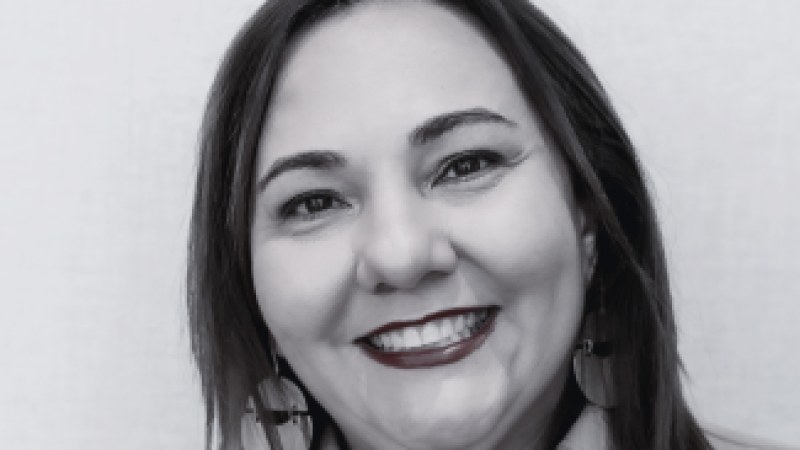
Ania Rodriguez
Ania Rodriguez is the founder and CEO of JourneyTrack, a Miami-based customer journey management SaaS platform whose mission is to humanize the customer experience. An industrial engineer turned two-time founder, she spent more than two decades advising Fortune 500 companies on UX and CX through her first company, Key Lime Interactive, which she launched from a conference hallway three weeks after giving birth and being laid off. JourneyTrack, founded in 2021, raised $1.5M in seed funding and counts Google among its enterprise customers.

Luna Diabetes
Luna Diabetes (Luna Health Inc.) is a San Diego medical device company building the first automated insulin delivery system designed for the more than 90% of insulin-requiring people who dose with an insulin pen rather than a full-time pump. Its flagship product, Luna, pairs what the company calls the world's smallest insulin patch pump with a fully closed-loop algorithm to automate micro-doses of rapid-acting insulin overnight, when most of the glucose benefit from pump therapy occurs. Founded in 2020 by diabetes-industry veterans John Sjolund, Jon Brilliant and Sean Saint, the company raised a $23.6M Series A in August 2025 and is running a pivotal clinical trial using Time in Range as its primary endpoint.
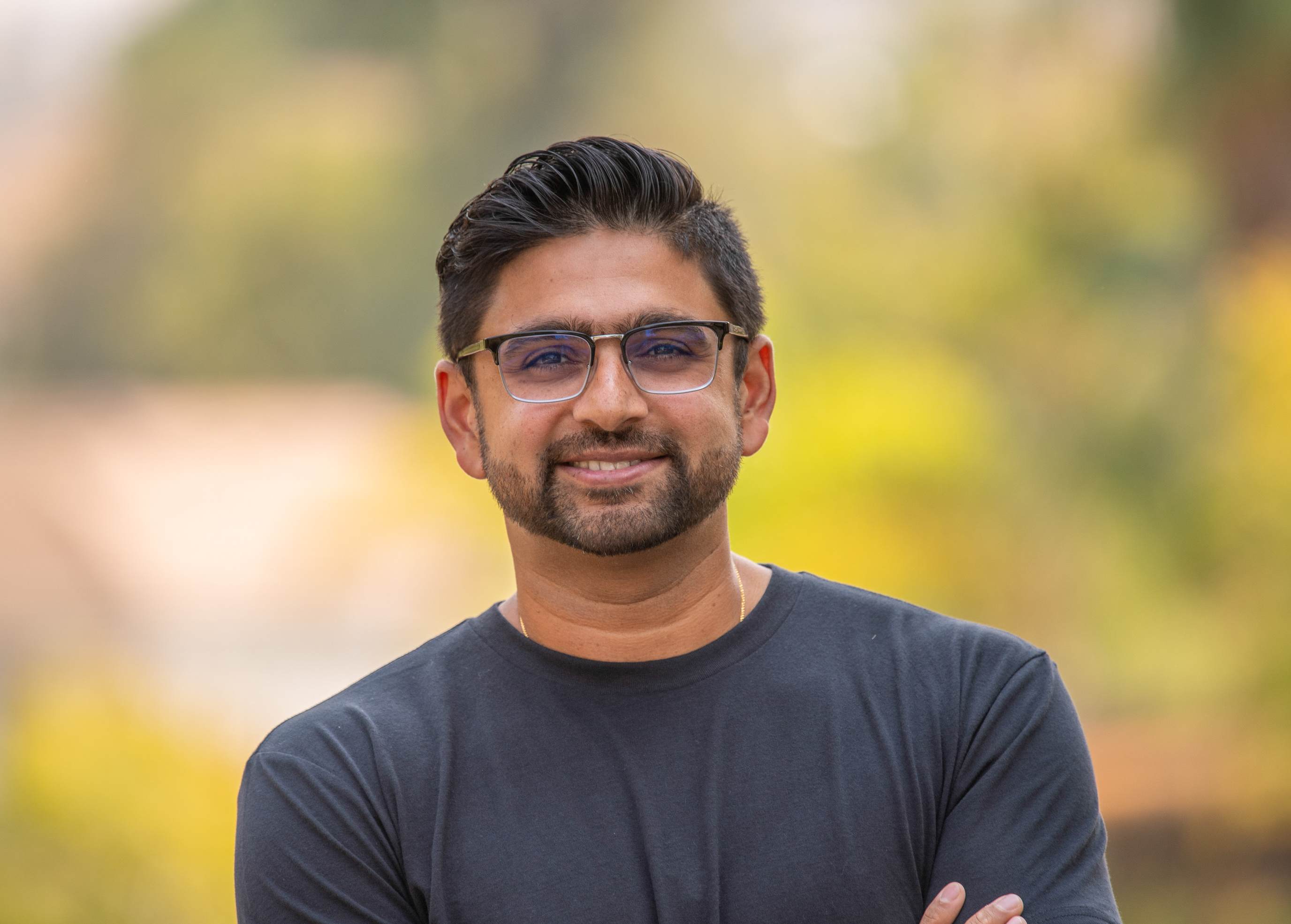
Anand Tharanathan
Anand Tharanathan is Group Vice President and Global Head of Product Research and Insights at ServiceNow, where he leads end-to-end user research and AI trust initiatives for one of enterprise software's fastest-growing platforms. With a Ph.D. in Experimental Psychology, an MBA from Northwestern's Kellogg School, and a career that runs from Honeywell's aerospace labs through Facebook to the frontier of enterprise AI, he bridges rigorous science and product craft at scale. His current focus on building trust in generative AI systems puts him at the intersection of human factors research and the most pressing question in enterprise technology.
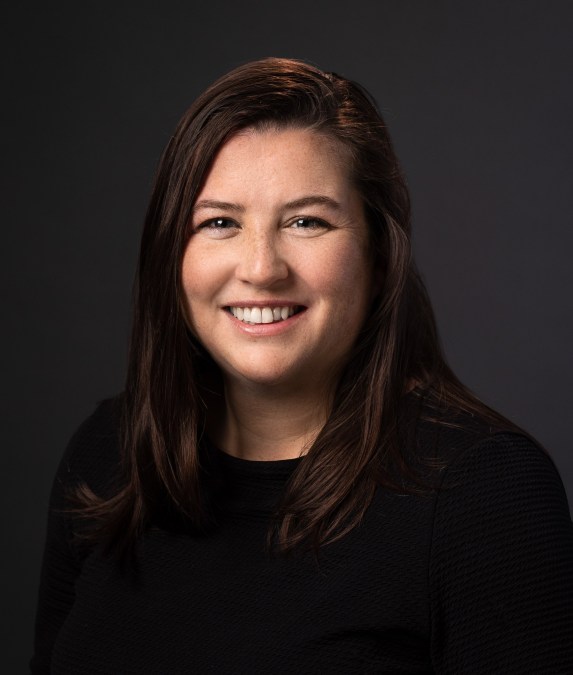
Laura Nolan
Laura Nolan is a Principal Engineer at Stanza Systems, a veteran Site Reliability Engineer, and one of tech's most credible voices on autonomous weapons ethics. After five years at Google - where she contributed to the seminal O'Reilly SRE book and resigned over Project Maven - and seven years at Slack as Senior Staff Engineer, she brings deep technical authority to both the reliability engineering world and the global debate over killer robots. Based in rural Ireland, she speaks at SREcon, QCon, and TED stages alike, writes the Responsible Computing newsletter on Substack, and holds seats on the USENIX Board and the SREcon Steering Committee.

Lorin Hochstein
Lorin Hochstein is a Staff Software Engineer specializing in reliability at Airbnb, and one of the most respected voices in incident analysis and resilience engineering. Known for rewriting Chaos Monkey at Netflix, co-authoring the O'Reilly book 'Ansible: Up and Running', and contributing to the 'Learning from Incidents' community, he bridges the gap between academic complexity theory and real-world software operations. His blog 'Surfing Complexity' and conference talks challenge engineers to think more deeply about why systems fail and how humans make sense of them.