In August 2021, a vaccine needed more than a laboratory. Arcturus Therapeutics had investigational mRNA technology. Vietnam’s Vingroup had a subsidiary, Vinbiocare, preparing to manufacture vaccines locally. Between the two lay the work that rarely makes a scientific headline: finding a partner, negotiating a commercial arrangement, and navigating a country’s institutions. The Asia Group helped bring the parties together as strategic and sales advisor. Its product was the route from possibility to agreement.
- TAG helps companies enter markets, navigate policy, and manage geopolitical risk across the Indo-Pacific.
- Its edge combines former policymakers, local specialists, and a growing regional presence.
- TAG AI packages expert analysis and decision tools into software. The judgment still matters.
That distinction explains this Washington advisory firm better than a list of distinguished résumés. A promising technology does not automatically become a viable business abroad. Someone must understand who can approve it, who can obstruct it, and what each party needs. TAG works in that gap, where the business plan meets the political map.
Forty million dollars. Then a different deal.
The Vietnam agreement had substance. Arcturus announced a $40 million upfront payment, with additional technology transfer costs, drug substance purchases, and royalties. Those were terms between the commercial partners, rather than a measure of TAG’s compensation. The proposed manufacturing capacity was up to 200 million doses a year - an ambition, not an output figure.
The sequel matters. Arcturus’s later annual filing says the technology license and supply agreements were terminated in October 2022 without financial penalties to Arcturus. A separate arrangement continued clinical study support. The documented reversal concerns the original contractual structure; it does not establish that TAG caused the change or that the underlying science failed.
Read together, the announcement and filing offer a useful lesson about advisory work. Arranging a consequential partnership is a tangible service. The signature does not settle every question about production, regulation, or commercial durability. For a prospective client, that makes the definition of success worth negotiating as carefully as the deal itself.
People who have sat on the other side
Kurt Campbell and Nirav Patel founded TAG in 2013 after serving in the State Department’s Asia leadership. Campbell had been assistant secretary for East Asian and Pacific affairs; Patel had been a deputy assistant secretary. They brought experience of the institutions their future clients would need to understand.

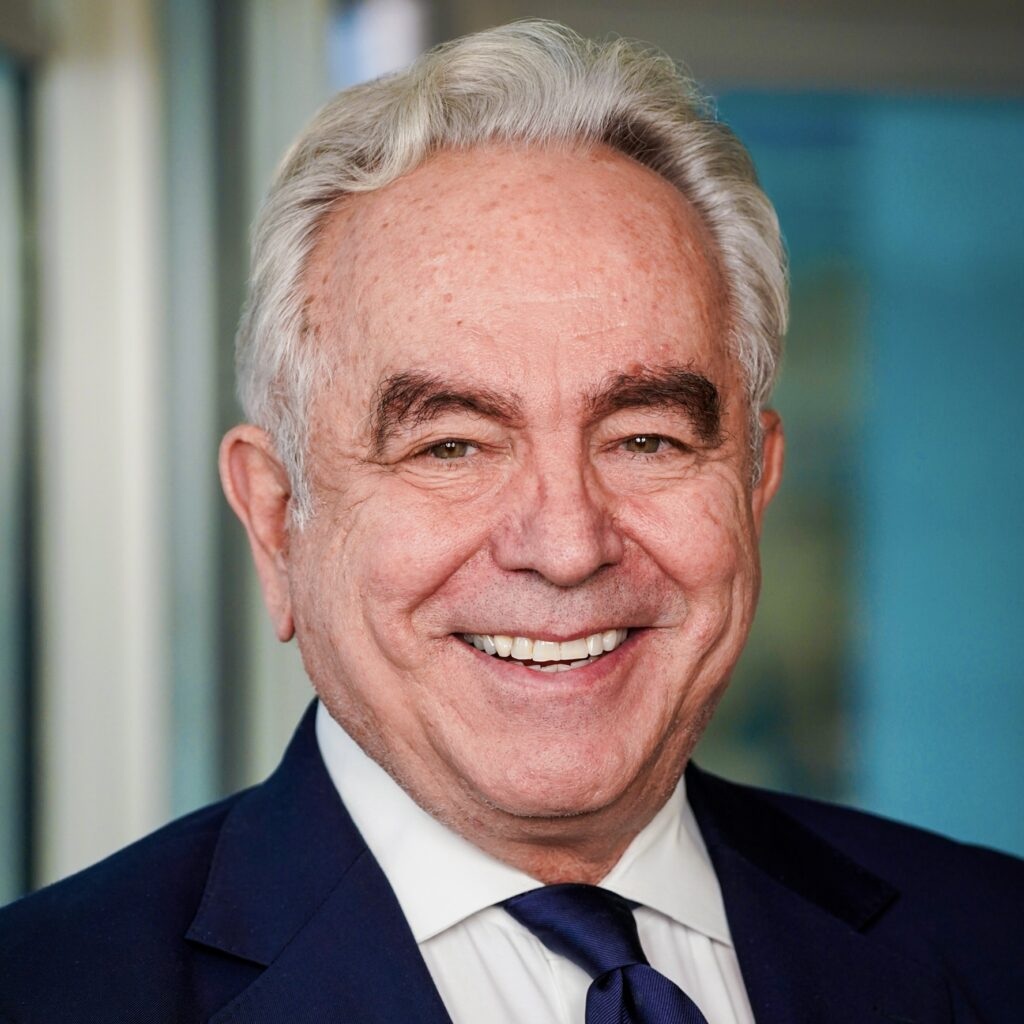
In January 2021, Patel became CEO as Campbell returned to government. Campbell rejoined the firm as chairman in February 2025 after serving as deputy secretary of state. That movement helps explain the appeal of the firm’s expertise. Its leaders have participated in policymaking, rather than encountered it only through published rules.
Yet a Washington address cannot substitute for local knowledge. TAG opened its Hanoi office in 2022 and announced partnerships with Optel in the Philippines and Black Dot in Singapore. Its Bangladesh practice, launched with The Osiris Group in October 2025, pairs regional advisory capabilities with a partner’s local team and network.
“Asia is not a part-time market.”
The Asia Group, announcing its ASEAN expansion in 2022
The business problem behind the policy question
TAG’s customers include corporate leaders, investors, law firms, academic institutions, and nonprofits. Its sector coverage runs through technology, healthcare, energy, financial services, and defense. The common thread is exposure to decisions made outside the company: market access rules, government procurement, political relationships, or a shift in international relations.
The work can begin before a sale, with a market entry strategy or a search for a joint venture partner. It can involve regulatory advocacy, stakeholder mapping, or designing a corporate public policy function. When trouble arrives, TAG offers commercial dispute negotiation, crisis management, and strategic communications. These are advisory engagements tied to business decisions and execution.
In market terms, TAG occupies the overlap between management consulting, political risk analysis, and government affairs. Buyers can also consider Control Risks for geopolitical advisory or Eurasia Group for corporate political risk advice. TAG’s pitch rests on combining these disciplines with regional specialists. Buyers choosing among advisors should test that combination against a specific problem: which market, which decision, which people, and which deliverable? A famous former title is less useful than a team that understands the actual constraint.
A consulting firm adds a search box
The next problem was speed. TAG’s explanation for building its technology offering is that geopolitical change had outpaced traditional advisory models. In January 2024, it launched TAG+ with Elections24, using expert-vetted datasets to examine how elections could change business conditions. Its accumulated research was becoming material for a software product.
- 01 / CollectCurated policy and market intelligence
- 02 / InterpretRegional experts add context
- 03 / DecideTools support a business response
Today TAG AI combines a deliverables library with TAGbot, a chatbot for searching and synthesizing expert-curated information. Other features include stakeholder intelligence, event engagement tools, and Contextual Intelligence scores. The promise is practical: give an executive or policy team a shorter path from a development to its implications. TAG offers access through a demo request.
RLH Equity Partners announced an investment in December 2024. Patel said the partnership would accelerate spending on talent, geographic reach, and capabilities. Expansion continued: TAG announced its first Gulf office in March 2026, Jakarta in June, and a Canberra office on October 23. Software and offices are growing together.
Copy the sequence, not the Rolodex
For a reader, the transferable idea is a sequence: identify the commercial decision, map the institutions and people affecting it, then build monitoring around the assumptions that could change. TAG’s published services include scenario planning and tabletop exercises. Those methods can make a risk discussion concrete before a company commits money or reputation.
The approach is most useful when policy materially affects a cross-border business. It is less compelling for a simple domestic operation with little regulatory exposure, or a buyer expecting forecasts to eliminate uncertainty. The Vietnam agreement supplies the reminder: an advisor can help assemble an opportunity. The company must still decide what it is prepared to bet on.