There is a particular kind of bad news that arrives without the courtesy of a calendar invitation. Lamell McMorris has described getting two versions of it. At 27, he was fired as executive director and chief operating officer of the Southern Christian Leadership Conference. Years later, a business partner ended their relationship and gave him 24 hours to leave the office. The first shock pushed him toward entrepreneurship. The second forced a faster decision: keep moving, gather the people who still believed, and rebuild.
The company that emerged from that career is now Phase 2 Consulting, a Washington, D.C. strategic advisory firm whose work occupies the seam between official power and public permission. It began in 2002 as Perennial Strategy Group. Later, McMorris renamed it around a personal distinction he had come to value: a first phase organized around success, and a second organized around significance.
That sounds philosophical until a company faces a regulator, a skeptical community, a divided legislature, or a reputational mess. Then significance becomes quite practical. Somebody must work out who needs to be heard, who can credibly carry the message, which interests can be reconciled, and which cannot. That is what Phase 2 sells.
Access is only the opening move
A traditional lobbying description begins with doors: Congress, the White House, federal agencies, statehouses, city halls. Phase 2 can work those doors. Its service menu includes legislative and regulatory advocacy, monitoring and analysis, appropriations, congressional fly-ins, grant guidance, and policy advice. But the more revealing verbs appear elsewhere on the menu: translate, convene, engage, build.
The firm combines four practices that are often purchased separately. Government relations handles law and rule-making. Public relations turns technical positions into language a constituency can use. Community affairs develops ties with local leaders and civil-rights groups. Business resilience connects risk, workforce, compliance, communications, and change management. Education adds its own dense network across agencies, congressional committees, school districts, associations, unions, and nonprofit partners.
The work behind “stakeholder engagement”
Clients are institutions with consequences: large companies, regulated businesses, startups, public agencies, nonprofits, trade associations, unions, and civil-rights organizations. The firm's public client display includes Mastercard, PepsiCo, Southern Company Gas, Entergy, and Verizon. This is not a subscription product and there is no public price card. It is a relationship-heavy professional service, bought as strategic counsel and campaign execution when a consequential decision meets a complicated field of people.
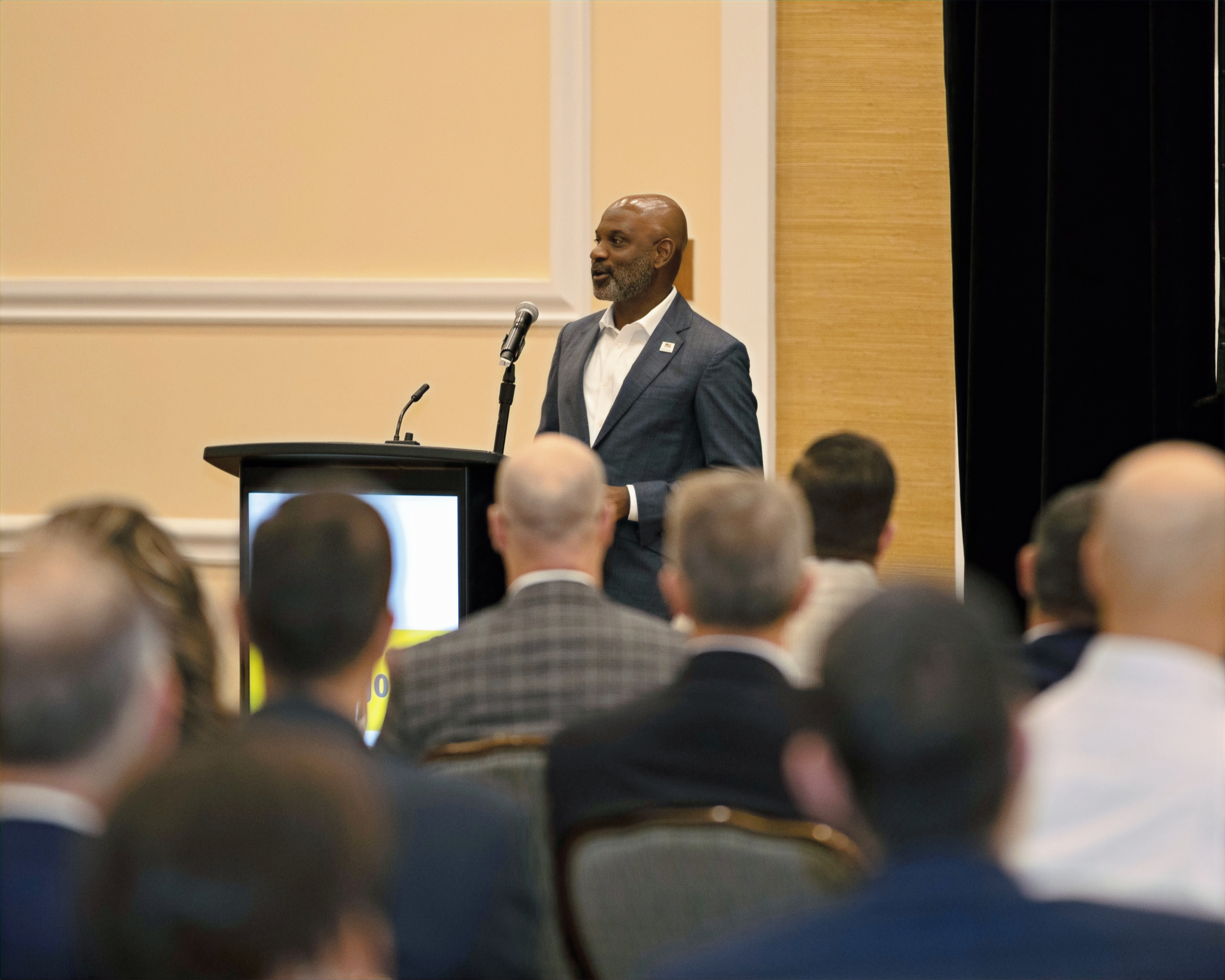
The constituency somebody forgot
One anonymous case on the firm's site captures the proposition better than a list of capabilities. A regional bank faced regulatory scrutiny and a deficit of community trust. Phase 2 connected the bank with civil-rights organizations and local leaders it had struggled to engage. Difficult conversations became partnerships, according to the bank's chief compliance officer, improving credibility with regulators and stakeholders while deepening work on fair lending and equity.
“Compliance alone does not earn confidence - relationships do.”Chief compliance officer, regional bank
The line is useful because it marks the gap in the market. A law firm can explain what is permitted. A communications agency can polish the announcement. A lobbyist can make the argument to government. Phase 2 competes with all three, plus large consultancies and in-house public-affairs teams, by focusing on the social architecture around the decision. Its edge is strongest when the missing ingredient is not another fact but a credible messenger, an honest conversation, or a coalition that can survive scrutiny.
Success acquired a second meaning
The firm's civil-rights language is not decorative branding pasted over a lobbying shop. McMorris worked inside civil-rights institutions and has served on boards including the National Urban League, National Action Network, Rainbow PUSH Coalition, and the NAACP. In 2012, the firm funded the launch of the Perennial House, transitional housing for young mothers and their children in Washington. After the 2015 shooting at Emanuel AME Church in Charleston, the company says it gave $500,000 to organizations promoting tolerance and inclusion.
There is also an instructive detour. In late 2021, Cyd McKenna became president while McMorris joined Edward Jones to lead regulatory and government affairs. He returned to Phase 2 after that corporate chapter, publicly calling it a homecoming. The firm then made business resilience a named specialty. The logic is easy to see: from inside a large regulated enterprise, policy risk, operational change, workforce questions, and community expectations do not arrive in separate envelopes.
Phase 2 remains a relatively small firm in a market full of giant names. That can limit capacity. It can also be the point. The work depends on senior judgment and personal networks, not a vast bench of interchangeable analysts. Buyers are paying for the shortest credible route between groups that do not naturally trust one another.
What another leader can copy on Monday morning
- Draw a stakeholder map before writing the message. Include skeptics, not just approvers.
- Translate the policy into concrete stakes for every group around the table.
- Invite affected communities while the plan can still change, not after launch.
- Give the relationship an owner and a next meeting. Goodwill without follow-through evaporates.
A bridge still needs solid ground
The model has boundaries. Relationship capital cannot rescue a bad product, erase a legal violation, or substitute for compensation when people bear real costs. A coalition assembled after every consequential choice has already been made will recognize the invitation for what it is. And bipartisan access loses value when the client wants applause rather than disagreement.
The approach works best when leaders are willing to disclose tradeoffs, change a plan, commit resources, and stay involved after the public moment passes. It works poorly when “community engagement” is simply a nicer label for message delivery. Trust is slow inventory. It is built before the crisis and spent during it.
That may be Phase 2 Consulting's most portable insight. The people outside the room are often deciding what can happen inside it. The firm has turned that observation into a business - not by pretending conflict disappears, but by treating the path through it as work worthy of its own craft.