water-infrastructure
(13)
The People Who Bring Pizza to a Pipe Meeting
MurphyEpson sells something stranger than publicity: the informed consent a city needs before it digs up a street, redraws a bus route or asks a neighborhood to trust the future.
VILOR builds the way back
From a flood-wrecked station in Paiporta to the tunnels beneath Seville, the Valencia contractor has made public infrastructure its business. Its next challenge reaches from recycled asphalt to the security of construction data.

Durham Region Runs the Business Nobody Can Opt Out Of - Here’s the Playbook for Making 780,000 Customers Feel Local
Durham’s real product is coordination: one regional layer for pipes, buses, health, housing and emergencies across eight very different municipalities. Its useful lesson for operators is simple - scale the hard infrastructure, then make the front door feel local.
The Guy Buying Up America's Water Guys
Peter Brooks left the Marines, studied water policy at Harvard, and decided the least glamorous corner of American infrastructure was the best place to build something that lasts. His pitch to the family businesses that keep the water running: sell to us and we will never sell you.
Blue Pillar Made Old Machines Talk - Then Generac Bought the Conversation
Hospitals, utilities and microgrids were full of useful machines that could not share data. Blue Pillar found a practical business in connecting the awkward old stuff - often in days, sometimes for a few thousand dollars - and became part of Generac in 2022.
Reece Built a $9 Billion Business Selling the Parts Nobody Notices
A century after H.J. Reece sold hardware from a truck, his name sits atop a trade network built around an unglamorous promise: have the right part, the right advice and the right delivery ready when the job cannot wait.

The Company in Your Towel, the Pipeline and the Road Beneath You
Welspun began with polyester yarn in 1985. Four decades later, its factories and projects connect the intimate scale of a bath towel to the immense scale of a gas pipeline, a water plant and a logistics park.

The Billion-Dollar Infrastructure Problem Vortex Fixes Without Digging Up the Street
Vortex built a one-roof business around an unglamorous civic bargain: renew the pipe, keep the city moving. Its mix of materials, machines, monitoring and field crews shows how infrastructure work is becoming a systems business.
Zoeller Company
Zoeller built an 87-year business around a machine most people notice only when it stops. Its edge is not novelty for novelty's sake, but obsessive testing, contractor trust and a family portfolio that follows water almost everywhere it needs to go.
Granite Construction
Granite Construction does not merely pave the road. It can quarry the stone, mix the asphalt, help redesign the job and then build it - a century-old loop now powering a $7 billion project book.
Ferguson
Ferguson built a $31 billion business around a stubbornly physical promise: when a contractor needs the right valve, fitting or air handler, the answer cannot arrive next week. Its real product is certainty - inventory, expertise and last-mile execution wrapped around more than a million parts.
Pentair
Pentair began with five engineers and a plan to build high-altitude balloons. Sixty years later, its pumps, filters, ice machines and pool controls reveal the sprawling business hidden inside an ordinary glass of water.
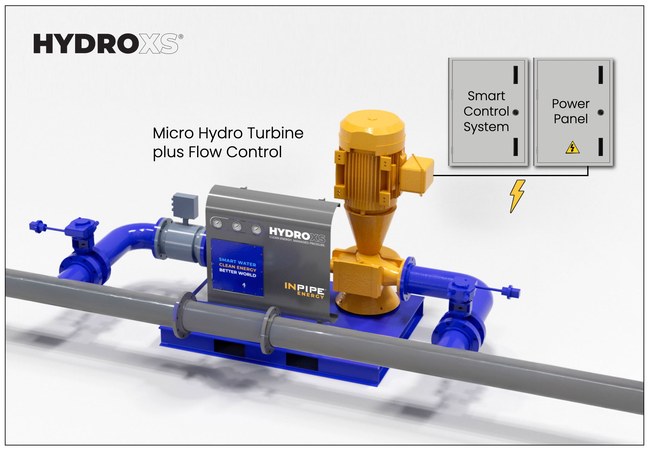
InPipe Energy
InPipe Energy is a Portland, Oregon cleantech company that turns the wasted pressure inside existing water pipelines into carbon-free electricity. Its flagship HydroXS system pairs micro-hydropower turbines with smart pressure controls that retrofit into municipal, industrial, and community water infrastructure - no dams, no new construction, no environmental harm. Founded in 2016 by Gregg Semler, the company helps water utilities and cities generate reliable baseload power, cut energy costs, and decarbonize aging infrastructure.