vibe-coding
(16)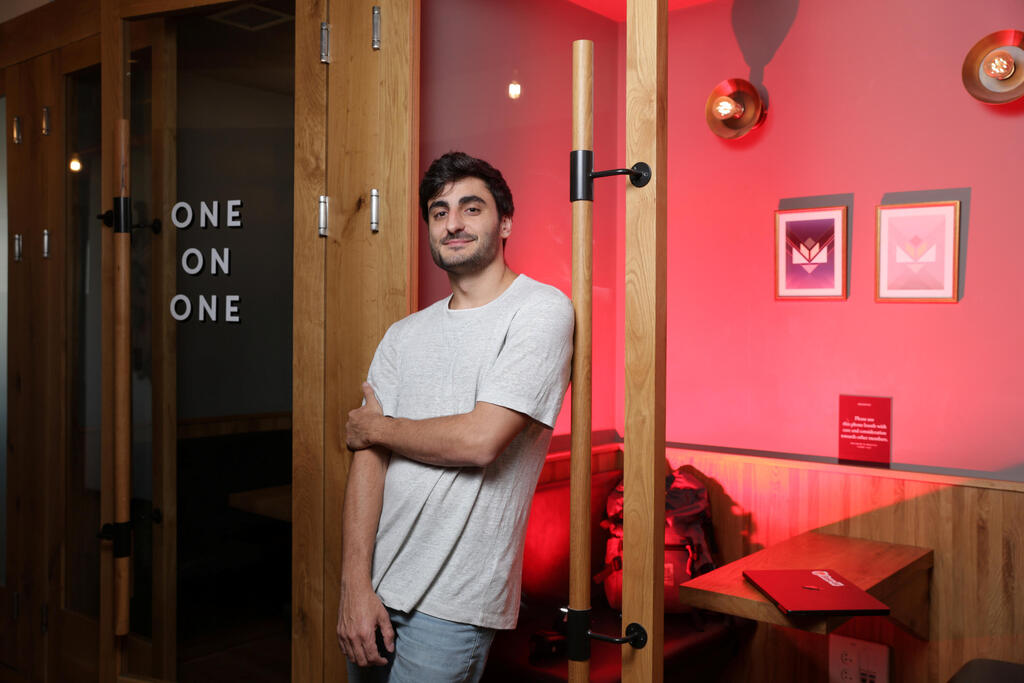
Maor Shlomo tried to build a smaller company.
After years running Explorium, Maor Shlomo wanted to make things himself again. His next project, Base44, reached an acquisition agreement with Wix within months - and turned a modest ambition into a very different job.

Anton Osika and the Software Everyone Was Supposed to Build
A particle-physics detour, two Swedish AI startups and an open-source experiment led Anton Osika to a deceptively simple question: what if an idea were enough to start building software?

Riley Brown Has Always Followed the Next Interesting Problem
He tried poker, books, crypto and the creator economy before finding a new question to pursue: what happens when anyone can make software? The AI educator now builds companies around the tools he once explained on camera.

Alex Finn Turned an Algorithm Obsession Into a Software Company
He learned the rules of X, built an audience by explaining them, then made the tool he had wanted for himself. Now Alex Finn is testing how far one person can take an AI-built company.
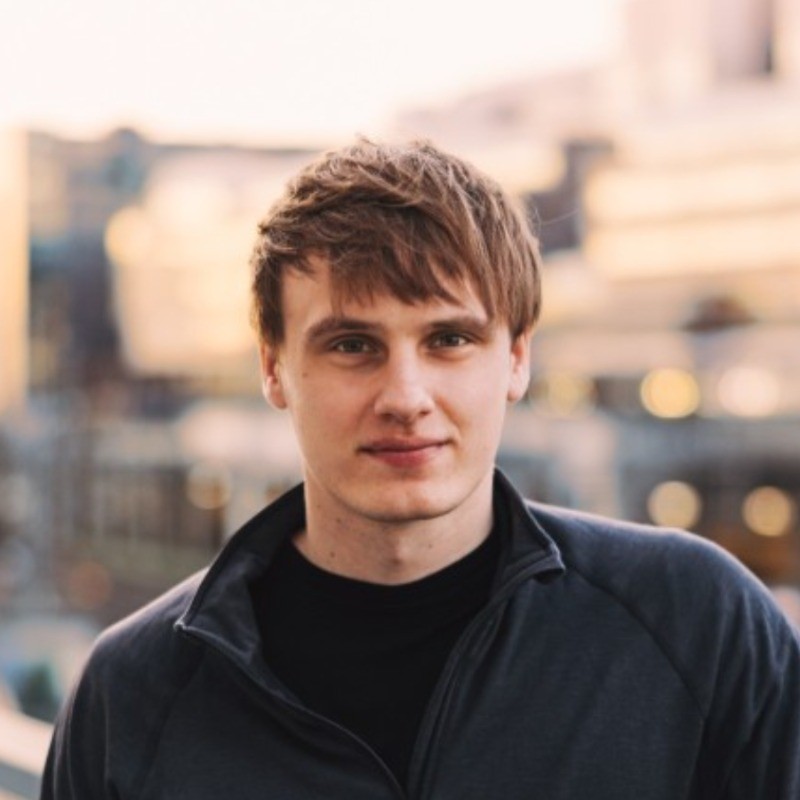
Fabian Hedin and the Long Road From a Minecraft Server to Lovable
A Minecraft server taught Fabian Hedin to code. A property software venture taught him to build for other people. At Lovable, he is trying to make both lessons available to anyone with an idea.

Joel Soo Makes Software's New Question: Who Gets to Build?
At Lovable, the Boston operator's job begins where the software demo ends: inside rooms where people who never called themselves developers start making tools of their own.
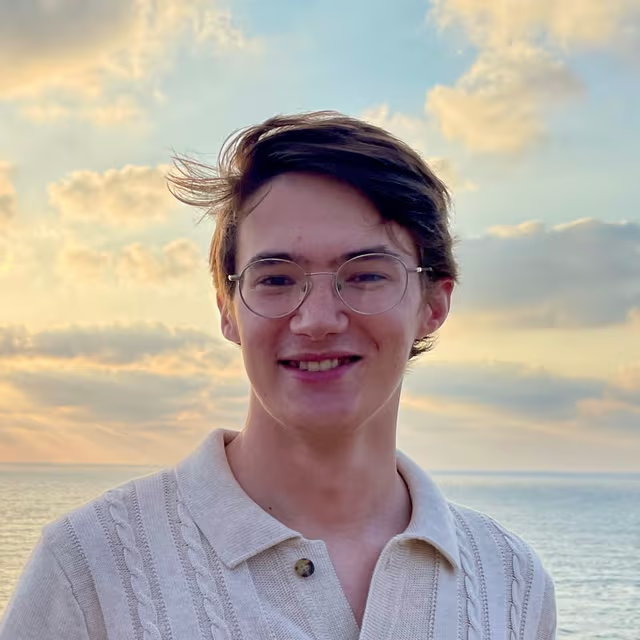
Wilson Spearman
Wilson Spearman is the co-founder and CEO of CreativeMode (YC S24), an AI-powered, no-code platform that lets anyone build Minecraft mods without writing code. An MIT computer science graduate who worked on AI cloud infrastructure at Crusoe and procurement tools at Settle, he now leads a small San Francisco team that has helped players create hundreds of thousands of mods - by the company's account, more Minecraft mods in nine months than in the game's previous seventeen years combined. When he is not shipping software, he is an aspiring ski mountaineer chasing alpine glacier routes.
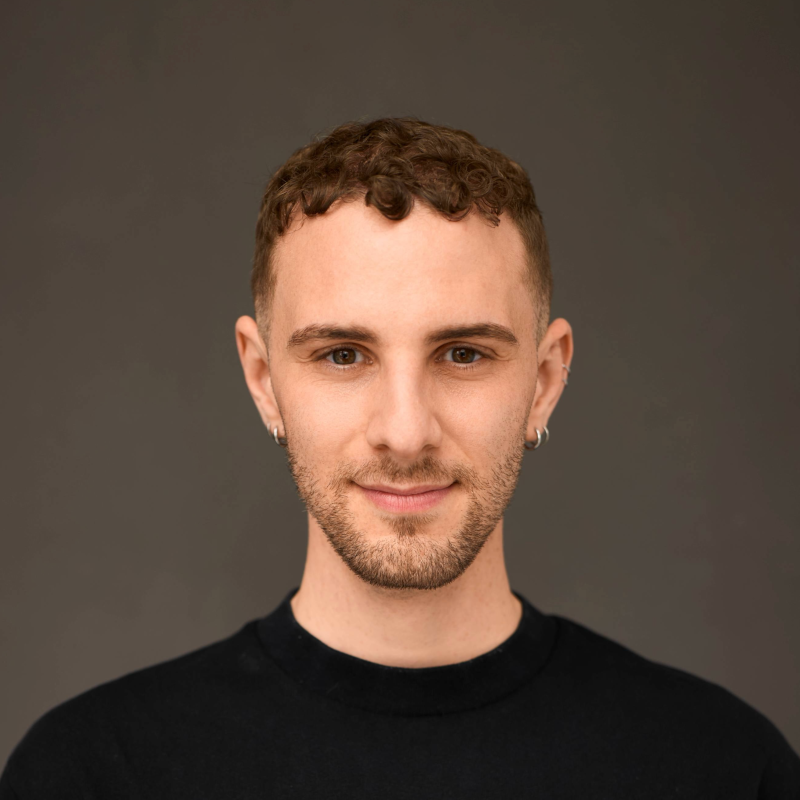
Marius Meiners
Marius Meiners is the co-founder and CEO of Peec AI, a Berlin company that tells brands whether ChatGPT, Perplexity, and Gemini mention them - and how. A former top-100 League of Legends player who later worked in venture capital and M&A at PwC before joining Antler's Berlin cohort, he vibe-coded Peec's first prototype in a day and a half with V0 after not writing code for four years, signed eight letters of intent before building the real product, and priced it at 85 euros a month while competitors charged 500-plus. Peec launched in February 2025 and crossed roughly 10 million dollars in annualized revenue about 15 months later, raising about 29 million dollars from investors including Singular, 20VC, and Antler.
Nicolai Baldin
Nicolai Baldin is the co-founder and CEO of Synthesized, a London and New York-based DataOps and AI-powered test data automation platform he launched after a PhD in machine learning and statistics at the University of Cambridge. Synthesized generates synthetic, compliant, production-like data that enterprises use to test software, train models, and share information across regulatory boundaries. In September 2025 the company raised a $20M Series A led by Redalpine to expand into automated software testing for the age of 'vibe coding.'

Nodar Daneliya
Nodar Daneliya is the co-founder and CEO of Shuttle, an open-source cloud platform that lets developers build and deploy backends without writing infrastructure files. A former quant trader and investment banker who taught himself the cloud, he traded London trading desks and Harvard finance classes for a Rust developer-tools company that more than 20,000 engineers now use across 120,000+ deployments. After raising a $6M seed round in October 2025, he is pointing Shuttle squarely at the messiest part of AI coding: what happens after the AI writes the code and someone still has to ship it.
Dhruv Amin
Dhruv Amin is the co-founder and co-CEO of Anything (formerly Create), a San Francisco AI app-building platform that turns plain English into working software, complete with databases, payments, and App Store submission. A Stanford computer scientist and former early YouTube product manager, he and co-founder Marcus Lowe shut down a profitable $2M-a-year freelance-developer marketplace in 2023 because they believed AI would make it obsolete, then rebuilt from scratch. The bet paid off: Anything hit a $2M annual revenue run rate within two weeks of its 2025 relaunch and raised an $11M Series A at a $100M valuation.
Amjad Masad
Amjad Masad is the co-founder and CEO of Replit, the AI-powered cloud development platform that has grown to over 50 million users and reached a $9 billion valuation after its $400 million Series D in March 2026. Born in Amman, Jordan - where he learned to code at internet cafes by the 15-minute slot - Masad built Replit to remove the setup friction he experienced firsthand. After stints as founding engineer at Codecademy and on Facebook's JavaScript infrastructure team (where he helped build Babel.js and Jest), he co-founded Replit in 2016 with his wife Haya Odeh and brother Faris. Rejected by Y Combinator four times before acceptance, Masad now leads a platform where anyone can go from idea to deployed software without writing a line of code - believing there will be a billion software creators in the AI era.
Michael Truell
Michael Truell is the 25-year-old co-founder and CEO of Anysphere, the company behind Cursor — the AI-native code editor that reached $2 billion ARR faster than any SaaS company in history. A former Google intern and MIT dropout who won the ACM/CSTA Cutler-Bell Prize and IOI medals in high school, Truell co-founded Cursor in 2022 with three MIT classmates, launching it publicly in March 2023. By November 2025, Cursor had raised $2.3 billion at a $29.3 billion valuation — and in April 2026, SpaceX secured an option to acquire the company for $60 billion. Truell's north star: replace coding itself with something better.
Andrej Karpathy
Andrej Karpathy is a Slovak-Canadian-American AI researcher and educator who co-founded OpenAI, led Tesla's Autopilot AI as Director of AI from 2017-2022, and now runs Eureka Labs, an AI-native education startup. He coined 'vibe coding' (Collins Dictionary 2025 Word of the Year), created the legendary Stanford CS 231n course, and builds open-source tools like nanoGPT that have become essential references for the global ML community. His YouTube 'Zero to Hero' series and multi-hour deep dives have demystified deep learning for millions.

Greg Isenberg
Greg Isenberg is the CEO and co-founder of Late Checkout, an 8-figure bootstrapped holding company that builds community-first internet businesses. Known as 'The Community Guy' in startup circles, he has two startup exits under his belt (5by to StumbleUpon, Islands to WeWork), hosts The Startup Ideas Podcast (top 0.1% tech podcast), writes a Substack newsletter with 150K+ subscribers, and has built a 500K+ following on X by giving away startup ideas for free. His ACP Framework (Audience-Community-Product) has become a widely adopted playbook for modern founders.

Pieter Levels
Pieter Levels (levelsio) is a Dutch solo founder, serial indie hacker, and bootstrapping legend who built a $3M/year portfolio of AI and remote-work tools — NomadList, Remote OK, PhotoAI, InteriorAI, and a viral flight simulator — entirely alone, with no investors, no employees, and a stubborn preference for vanilla PHP. He pioneered the digital nomad community, co-launched the EU/acc movement, and turned a 2014 Google Spreadsheet tweet into a global platform. His build-in-public style and radical transparency reshaped how a generation of founders think about success.