us-manufacturing
(11)
Mark Granahan Retired. Then He Found a Better Way to Use Silicon.
A retired chip executive went back to the journals, rented time in a university nanofab, and spent seven years proving that ordinary silicon still had another act.
The Pennsylvania Startup Betting That Silicon Still Has Room to Run
Everyone said the next leap in power electronics had to come from exotic materials. iDEAL Semiconductor bet it could wring more out of plain silicon - and now its chips are shipping from a Minnesota fab.

The Company That Makes Metal Without Melting It
A Cambridge startup spun out of MIT skips the furnace entirely - smashing metal powders together instead of melting them - and says the result is a molybdenum alloy three times stronger than what the market sells today.
The 750-Acre Bet: How a Chinese Owner Talked Americans Into Building Washers in Kentucky Again
General Electric sold its appliance business to a Chinese buyer and expected quiet decline. Instead, Haier handed the keys to the people running the machines - and GE Appliances started pouring billions back into Kentucky.
MW Components
The components are tiny, the catalog is sprawling, and the consequences of a bad part can be enormous. After a $950 million sale, MW Components is betting that three sharper businesses can make its industrial roll-up easier to run - and easier for engineers to buy from.

Sustainment
Sustainment is an Austin-based public benefit corporation building an AI-native software platform for industrial sourcing, procurement, and supplier management. Founded in 2020 by military veterans and technology executives, it helps commercial OEMs, contract manufacturers, and Department of Defense teams find suppliers, run RFQs, manage purchase orders, and track supplier performance - with the broader mission of strengthening a resilient, domestic U.S. manufacturing base.
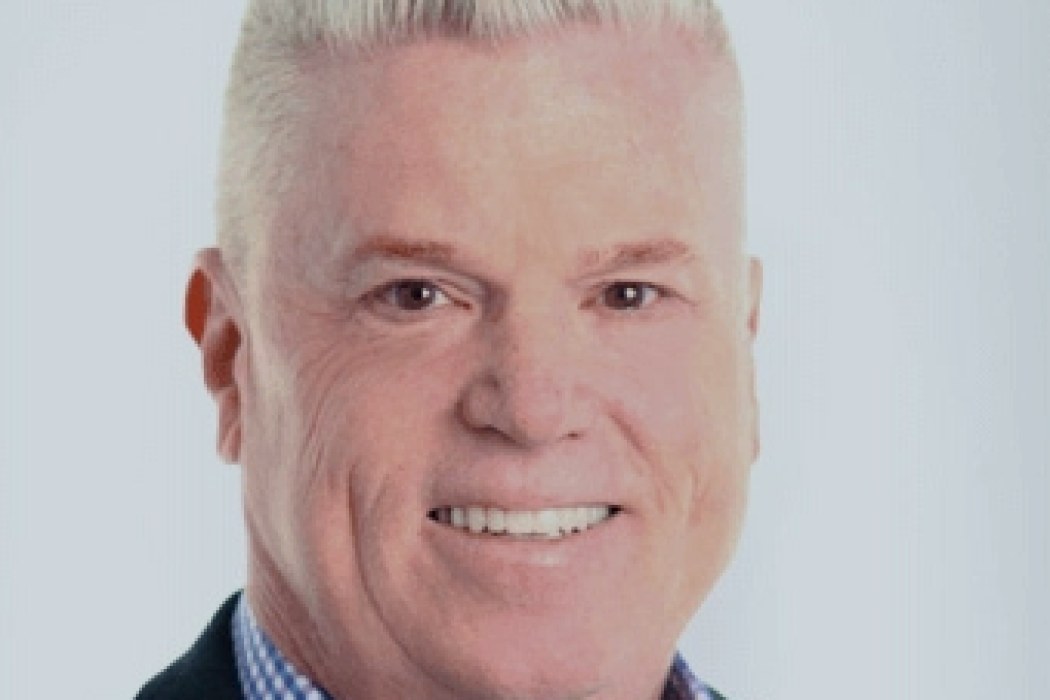
Doug Layne
Doug Layne is the President and CEO of ClearCube Technology, a Cedar Park, Texas manufacturer of secure endpoint devices for virtual desktop infrastructure. He joined ClearCube in 2001 and rose through general management and global sales leadership before taking the top job. He now steers the company's focus on US-built zero clients, thin clients, blade PCs and secure KVM hardware serving government, military, healthcare and enterprise customers.
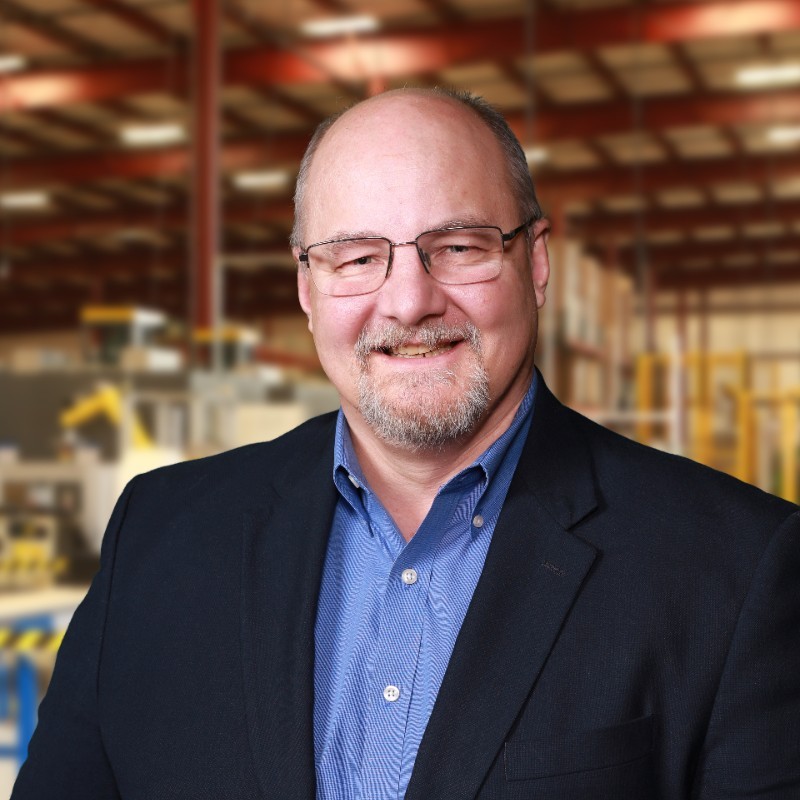
Edward Shaffer
Dr. Edward O. Shaffer II is the CEO and founder of Advanced Battery Concepts, a Clare, Michigan company he started in 2009 to reinvent the 160-year-old lead-acid battery instead of chasing lithium. His patented GreenSeal bipolar architecture strips cost, lead and weight out of large-format storage while keeping the batteries fully recyclable, and it has been licensed to battery makers around the world including Crown, Clarios, EnerSys, Exide, Trojan and Monbat. An MIT-trained materials scientist and former Dow Chemical R&D manager, Shaffer argues that energy storage only scales when it is economically, socially and environmentally responsible - all three at once.

Swift Solar
Swift Solar is a San Carlos, California startup building perovskite tandem solar cells that aim to beat silicon on both efficiency and cost. Spun out of Stanford, MIT, Oxford and NREL in 2017, the company is now scaling toward gigawatt manufacturing in the United States after a $27M Series A and the 2026 acquisition of Meyer Burger's HJT manufacturing assets and patents.

Adam Bry
Adam Bry is co-founder and CEO of Skydio, the leading U.S. drone manufacturer and world leader in autonomous flight. A childhood R/C aerobatics national champion turned MIT robotics researcher, he turned down a DJI acquisition in 2014 to bet everything on autonomy — and won. Today Skydio has deployed over 60,000 drones to every branch of the U.S. military, 1,200+ public safety agencies, and 45 of 51 state transportation departments, with a $4.4 billion valuation and $3.5 billion U.S. manufacturing expansion underway.
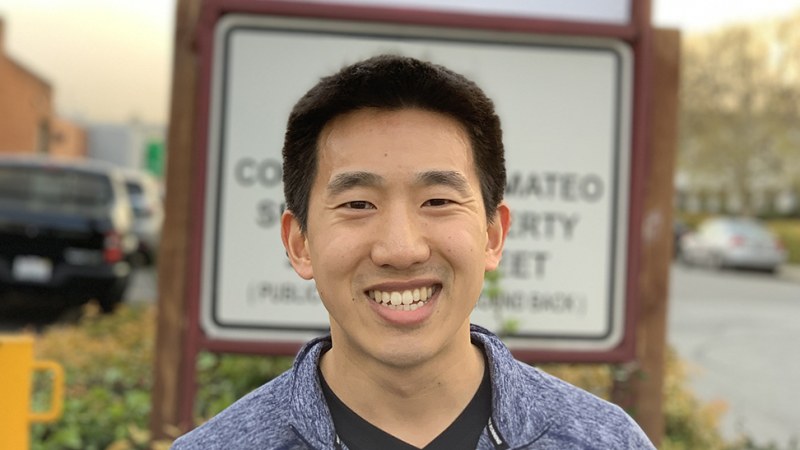
Joel Jean
Joel Jean is Co-Founder and CEO of Swift Solar, the San Carlos, California-based company turning a decade of perovskite research into commercial solar panels that generate up to 30% more power than conventional silicon. A Taiwanese-American from Beavercreek, Ohio who went through Stanford (BS EE, with distinction) and MIT (SM and PhD EE, NSF Graduate Research Fellow), Jean co-authored the landmark MIT Future of Solar Energy study in 2015, then realized the only logical next step was to build the company the study described. Swift Solar, founded in 2017 with five other perovskite PhDs drawn from MIT, Stanford, Oxford, Cambridge, and NREL, has raised over $60M, deployed its panels in a live US Department of Defense exercise, earned TIME Top GreenTech recognition three consecutive years, and in March 2026 acquired Meyer Burger's HJT manufacturing assets to plant a full US solar supply chain.