symbolic-systems
(9)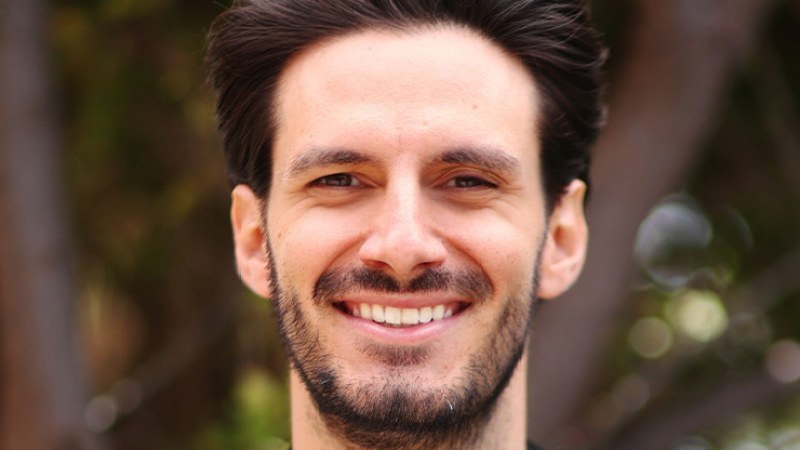
Quentin Perrot
Quentin Perrot is Chief Product Officer at Zenysis Technologies, a Y Combinator-backed company that builds data integration software for ministries of health and government agencies across four continents. A Stanford-trained product leader who has lived and worked in six countries, he oversees the roadmap for Harmony, Zenysis's open-source platform used to knit together fragmented health data sources.
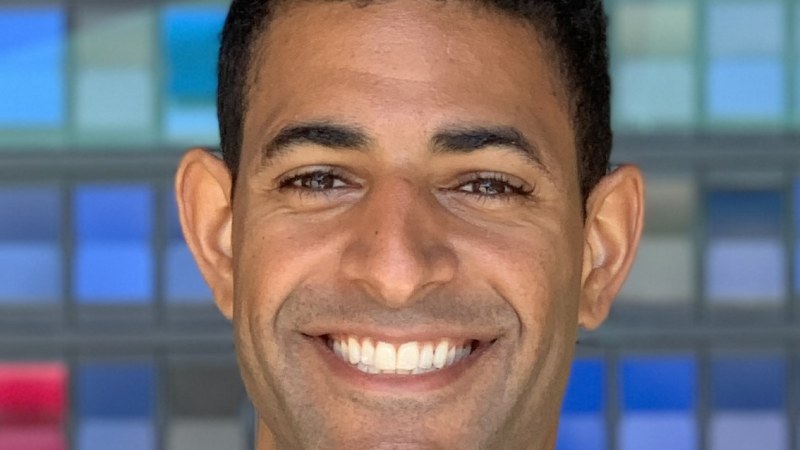
James Brown
James Brown is the co-founder and CEO of Schemata, a San Francisco startup building an AI-powered spatial intelligence platform that turns ordinary 2D imagery into photorealistic 3D environments with a built-in AI instructor. A former US Marine Corps infantry and information operations officer who once briefed the Secretary of the Navy, he was the first in his family to earn a college degree, went on to a Stanford MBA and MS in Symbolic Systems, and now sells rapid-deployment virtual training to defense, energy, and infrastructure customers. Schemata emerged from stealth in May 2025 with a $5M seed round led by Owl Ventures and $3.4M in early Department of Defense contracts.

Rebecca Krauthamer
Rebecca Krauthamer is the co-founder and CEO of QuSecure, a San Mateo company building software that lets governments and banks swap out their encryption before quantum computers learn to break it. A Stanford Symbolic Systems graduate who jumped from AI to quantum in 2017, she turned a U.S. Air Force grant into a Series A-funded leader in post-quantum cryptography, counting the U.S. Army, Air Force, and Banco Sabadell among its users. A Forbes 30 Under 30 honoree and World Economic Forum council member, she argues cybersecurity is a mission for humanity, not just a product category.
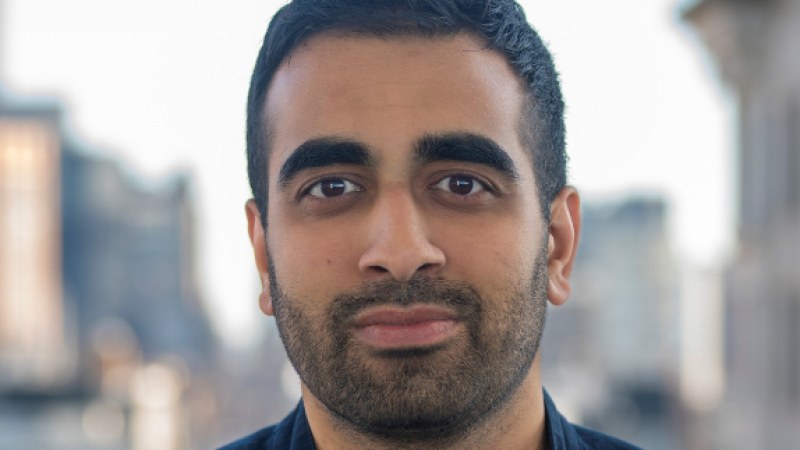
Viraj Bindra
Viraj Bindra is the co-founder and CEO of Finch, a New York-based legal technology company that pairs experienced U.S.-based paralegals with purpose-built AI agents to automate pre-litigation work for personal injury law firms. He spent roughly eight years at DoorDash, joining as its founding designer and growing into senior product roles that scaled new lines of business, before leaving to build Finch in 2024 with longtime friend Benjamin Weems. Finch raised a Seed round led by Sequoia Capital, launched publicly in April 2025, and announced a $20 million Series A led by Redpoint Ventures in October 2025.

Zach Lloyd
Zach Lloyd is the founder and CEO of Warp, the Rust-based terminal that grew up into an agentic development environment. A former Google principal engineer who led the Docs and Sheets teams, he looked at the one tool every programmer touches and noticed it had barely changed in 40 years. Warp's answer: a command line that reads natural language, runs AI agents, and as of 2025 codes by prompt. The company has raised roughly $73-75M from Sequoia, GV, Dylan Field and Elad Gil, and went from its first $1M of ARR in 300-plus days to adding $1M every few days.
Nico Perdomo
Nico Perdomo is the Guatemalan-American co-founder and CEO of Catch, a San Francisco-based fintech startup that built an alternative payment and rewards platform for direct-to-consumer brands. A Stanford Symbolic Systems graduate who spent time building products at LinkedIn and Affirm, he launched Catch in 2020 with the thesis that every payment transaction should delight the customer. Backed by Sequoia, Index Ventures, and Forerunner, Catch grew to serve hundreds of thousands of primarily Gen Z shoppers across nearly 100 brand partners including Rare Beauty, PacSun, and SoulCycle before ceasing operations in April 2025.
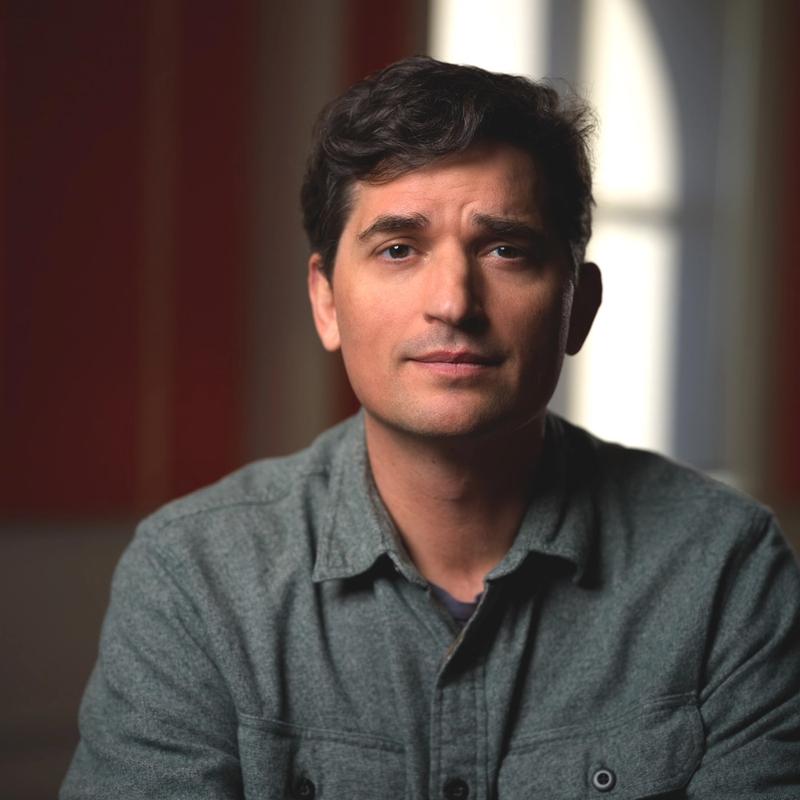
Dalton Caldwell
Dalton Caldwell is a serial entrepreneur turned venture capitalist best known for co-founding imeem (one of the first legal music social networks), launching App.net as a principled alternative to ad-supported social media, and spending over a decade as a Managing Partner at Y Combinator advising 1,000+ startups. He is now co-founding Standard Capital, a $425M AI-native Series A fund with Paul Buchheit and Bryan Berg.

Frank Chen
Frank Chen is a Partner at Andreessen Horowitz (a16z), where he has been a foundational force since the firm launched in August 2009. A Stanford Symbolic Systems graduate who studied AI before it was fashionable, he has worked alongside Marc Andreessen and Ben Horowitz across more than 25 years and multiple companies including Loudcloud and Opsware. At a16z, he built the Deal & Research Team, led the Seed Fund, launched the Talent x Opportunity (TxO) initiative, and now heads Early Stage Venture Programs — building the Founder Library and an LLM-based chatbot that delivers a16z institutional knowledge to founders. He is also Silicon Valley's most acclaimed explainer of complex technology: his 2016 AI Primer video became the canonical introduction to deep learning across the industry.
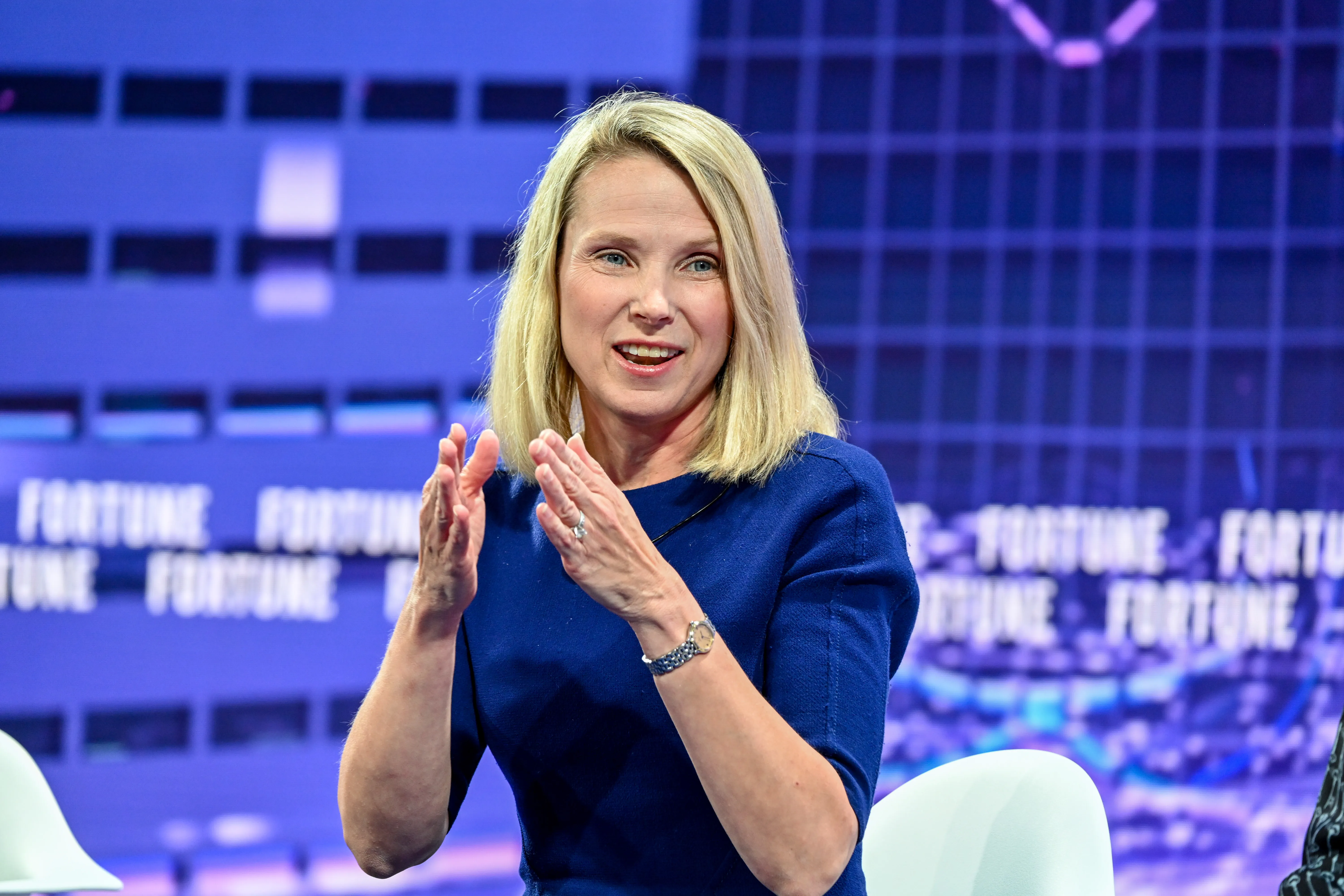
Marissa Mayer
Marissa Mayer is a pioneering tech executive and entrepreneur who served as Google's first female engineer (employee #20) and later as Yahoo's CEO. After graduating from Stanford with degrees in symbolic systems and computer science, she spent 13 years at Google shaping products like Search, Gmail, Google Maps, and Chrome. As Yahoo CEO from 2012-2017, she led a transformation effort before the company's sale to Verizon. She now runs Dazzle AI, a venture building next-generation AI personal assistants that raised $8M in late 2025. Known for her meticulous attention to detail, product vision, and ability to scale consumer technology, Mayer has been a prominent voice for women in tech while building products used by billions.