sustainable-materials
(22)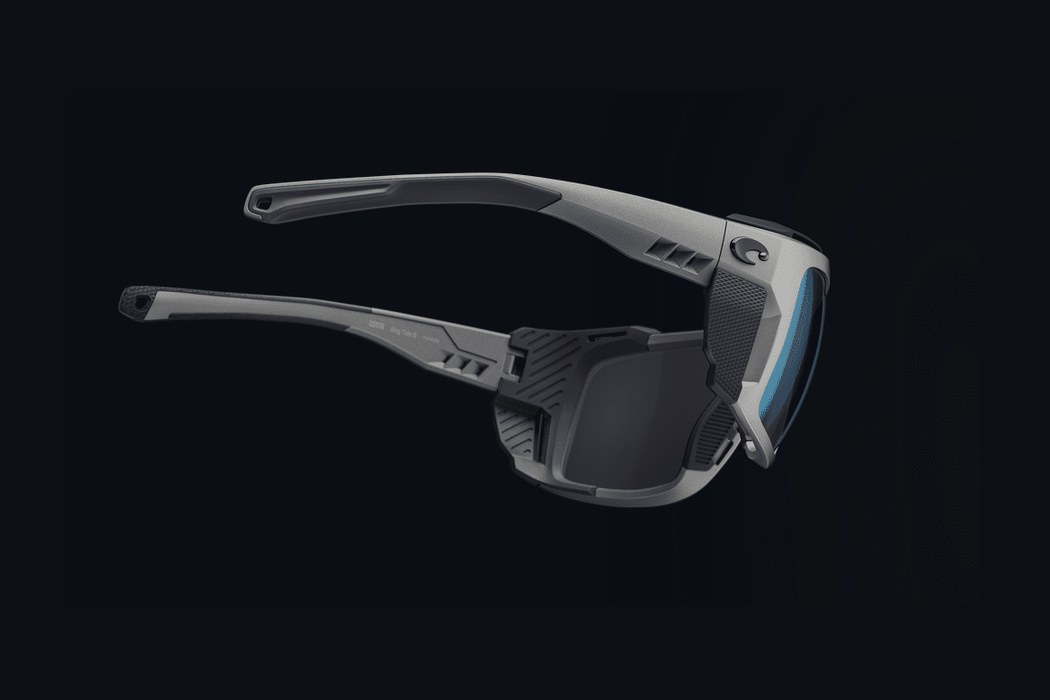
Lifestyledesign Has Put 500 Products on Shelves. Its Trick Is Starting Before the Sketch.
The Santa Barbara studio has spent two decades turning fuzzy business questions into sunglasses, speakers, smart glasses and hard cases. Its advantage is less about drawing a beautiful object than refusing to hand the idea off halfway through.
BioMADE Is Building the Factories Biotech Startups Can’t Afford
A good microbe can make plastic, rubber or protein in a flask. Proving it can do the same inside a 25,000-liter tank is where companies run out of equipment, money and time - so BioMADE is building the missing middle.

SUNPAN Built a Furniture Business for People Who Cannot Afford to Wait for Furniture
The Toronto company sells the tasteful middle - thousands of coordinated, contract-ready pieces backed by warehouses, showrooms and trade tools. Its real product is not the chair. It is fewer ways for a project to go sideways.

PlantSwitch Bet $28 Million That Nobody Should Have to Eat With a Sad Paper Fork
The founders began by selling greener restaurant supplies, nearly quit when restaurants closed, and then moved upstream into resin and factories. A $17 million round and a World Cup-sized order have now tested whether compostable packaging can finally behave like the plastic it replaces.
How a Weed From Bangladesh Became a Plastic That Refuses to Cost More
Most green materials ask you to pay more and change everything. Applied Bioplastics bet the opposite - that plant-based plastic only wins if it drops into the machines factories already own, at a price they already pay.
The Backpack That Became Colombia’s Carry-On Economy
TOTTO turned the humble backpack into a durable, compartment-packed companion for school, work and travel. Nearly four decades later, the Bogotá brand is testing how far a Colombian idea can travel without losing its practical center.
The Tire Company That Wants to Sell Fewer Tires
Bridgestone Americas built a continent-sized business around the part of a car most people notice only when it fails. Now it is turning that overlooked circle of rubber into a service network, a data stream and a test of whether mobility can become less wasteful.
The Invisible Chemistry Inside Modern Life
Momentive rarely appears on the box. Its silicones, silanes and specialty additives are the reason thousands of other products can survive heat, moisture, motion and time.
IKEA
How a Swedish teenager's mail-order side hustle became the world's largest furniture retailer - and why the whole thing runs on flat boxes, cheap Allen keys, and a foundation that answers to no shareholder.
Essity
Essity turns the private mechanics of daily life - a period, a wound, a bathroom visit - into a global portfolio serving roughly one billion people a day. Its next act is less about paper and more about medical care, personal health and smarter hygiene systems.

DIFF Eyewear
DIFF Eyewear is a Southern California charitable eyewear brand founded in 2014 that sells designer-quality sunglasses, blue-light and prescription glasses at accessible prices while donating vision care for every pair sold. Built on a buy-one-give-one model, DIFF pairs trend-driven, celebrity- and pop-culture-inspired collections (Disney, Star Wars, Harry Potter) with a philanthropic mission delivered through partners like Sightsavers, having funded well over a million pairs of reading glasses and eye exams for people in need.
Evolved By Nature
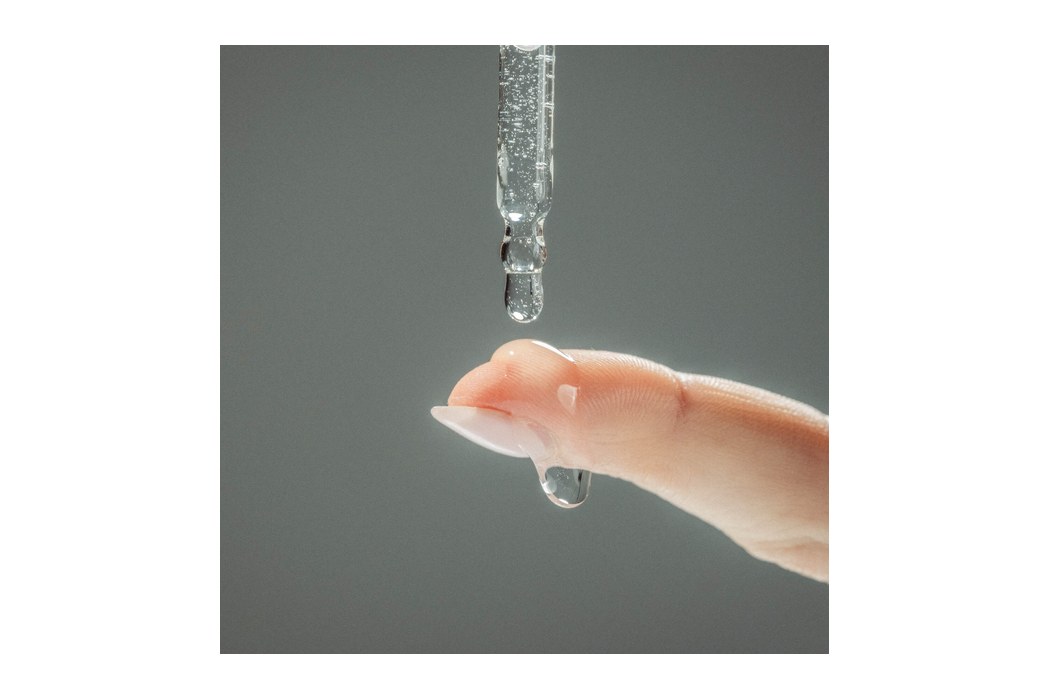
Evolved By Nature is a Boston-area biotechnology company that turns discarded silkworm cocoons into a liquid, renewable protein platform called Activated Silk. From that platform it builds a library of natural peptides and biopolymers used as petrochemical-free alternatives across three markets: clean skincare and cosmetics ingredients, biodegradable finishes for leather and performance textiles, and injectable biomaterials for medical aesthetics. Founded in 2013 by silk-chemistry veterans Dr. Gregory Altman and Dr. Rebecca Lacouture, the company has raised roughly $190M including a $120M Series C and counts Chanel among its investors and partners.
Velcro Companies
Velcro Companies is the maker of the original VELCRO Brand hook-and-loop fastener, invented by Swiss engineer George de Mestral after studying burrs under a microscope in the 1940s. From its U.S. base in Manchester, New Hampshire, the privately held firm designs and manufactures thousands of fastening variants - from basic fabric closures to injection-molded plastics, high-temperature retention systems and medical-grade straps - serving customers across medical, aerospace, automotive, military, industrial, footwear, packaging and consumer markets in roughly seven countries.

Arduro
Arduro is a Pennsylvania-based recovered materials company that uses a patented, low-temperature chemical devulcanization process to reclaim high-quality carbon black, rubber and silica from end-of-life tires and industrial rubber waste. Its process breaks the sulfur cross-links in vulcanized rubber without cutting the carbon-carbon polymer backbone, letting manufacturers replace virgin raw materials with recovered ones at comparable performance and lower carbon footprint. Its first commercial product, ELDARIX r1000 recovered carbon black, is PAH-compliant and 6PPD-free.

Ares Materials, Inc.
Ares Materials is a Plano, Texas advanced-materials company building AI-designed optical polymers for the display industry. Spun out of the University of Texas at Dallas in 2016, it uses thiol-click chemistry and a machine-learning platform called Pylux to formulate solvent-free, PFAS-free films, adhesives, coatings and cover windows for foldable phones, AR/VR devices and other flexible electronics - aiming for high optical clarity, mechanical durability and up to 90% lower CO2 emissions than incumbent materials.

Ronbow Corp
Ronbow Corp is a California-based cabinetry company that turns custom kitchen, bath, and closet cabinets from a months-long luxury project into a made-to-order product delivered in weeks. Founded in 2002 by Jason Chen and reinvented as a direct-to-consumer, tech-driven manufacturer, Ronbow pairs proprietary design software with an automated Livermore factory to cut delivery time by up to 90% and cost by up to 40% versus traditional custom shops. Backed by a $10.5M Series A led by Celtic House Asia Partners, it sells through a growing network of Bay Area showrooms and an online design platform.

Industrial Microbes (iMicrobes)
Industrial Microbes (iMicrobes) is an Alameda, California synthetic-biology company that engineers programmable microbes to turn renewable, low-carbon feedstocks - primarily ethanol and methane - into drop-in chemicals and materials such as 100% bio-based acrylic acid, acrylonitrile and carbon fiber precursors. Founded in 2014, the company aims to give chemical producers and consumer brands a cost-competitive, lower-carbon alternative to petrochemicals, and has scaled its bioprocess to a pilot bioreactor producing 10+ kg per run.

Oceanworks®
Oceanworks is a Los Angeles-based B2B platform that makes it easy for brands to buy verified recycled ocean and ocean-bound plastic and to fund the cleanup of plastic that has no resale value. It runs a global marketplace connecting collectors and recyclers with major consumer brands, backs every transaction with its Oceanworks Guaranteed traceability system, and sells IMPAC+ plastic offsets that work like carbon credits for plastic waste. The idea is simple: turn corporate demand into a paycheck for the people pulling plastic out of coastlines before it reaches the sea.

Z-Polymers
Z-Polymers is a Lowell, Massachusetts materials science company that emerged from the UMass Lowell Innovation Hub to build Tullomer, a PFAS-free liquid crystal super-polymer spun into ultra-fine fibers and 3D-printing filament. Founded in 2021 by materials scientist Dr. Michael Zimmerman, the company claims strength up to four times that of PEEK - and up to six times stronger than steel at a sixth of the weight - while printing on desktop machines without annealing. Its materials target aerospace, defense, medical devices, energy, and functional fabrics, and in 2026 it secured a strategic seed investment and joint development agreement with Japan's Kureha Corporation.
Zirconia Inc.
Zirconia Inc. is a Tukwila, Washington advanced-materials company that turns the surface of concrete and steel into a skin of ceramic. Its flagship product, CeramycGuard, is a room-temperature nano-ceramic geopolymer coating - essentially liquid granite - that chemically bonds to concrete and steel to stop corrosion, seal porosity, and repair cracks. Rooted in a modernized version of Roman cement and two decades of university research, the company aims to make aging infrastructure sustainable, safer, and effectively immortal.

Mango Materials
Mango Materials is a biomanufacturing company that converts waste methane - the same gas that vents from landfills and wastewater plants - into biodegradable polyhydroxyalkanoate (PHA) pellets sold under the YOPP brand. The pellets replace conventional plastics in fibers, films, rigid goods, and 3D-printing feedstock, and they fully biodegrade in soil, freshwater, and marine environments.

Novoloop
Novoloop is a California-based circular materials company that chemically upcycles hard-to-recycle plastic waste - the grocery bags, food films and mailers that mechanical recycling can't handle - into virgin-quality, high-performance polyols and thermoplastic polyurethane (TPU). Using its proprietary Accelerated Thermal Oxidative Decomposition (ATOD) process and Lifecycling platform, the company turns post-consumer polyethylene into materials used in footwear, electronics and automotive goods, with a substantially lower carbon footprint than fossil-based equivalents. Founded in 2015 by childhood friends Miranda Wang and Jeanny Yao, Novoloop has raised over $50 million and counts On's Cloudprime sneaker among its first commercial showcases.