startup-ecosystems
(9)
Jay Krishnan and the business of getting people into the same room
Before he became T-Hub’s founding CEO, Jay Krishnan had built companies and watched one fail. From Hyderabad to Waterloo to a Japanese venture firm, he has kept returning to a practical question: what helps a good idea become a business?
Simon Schou and the curious power of being on the map
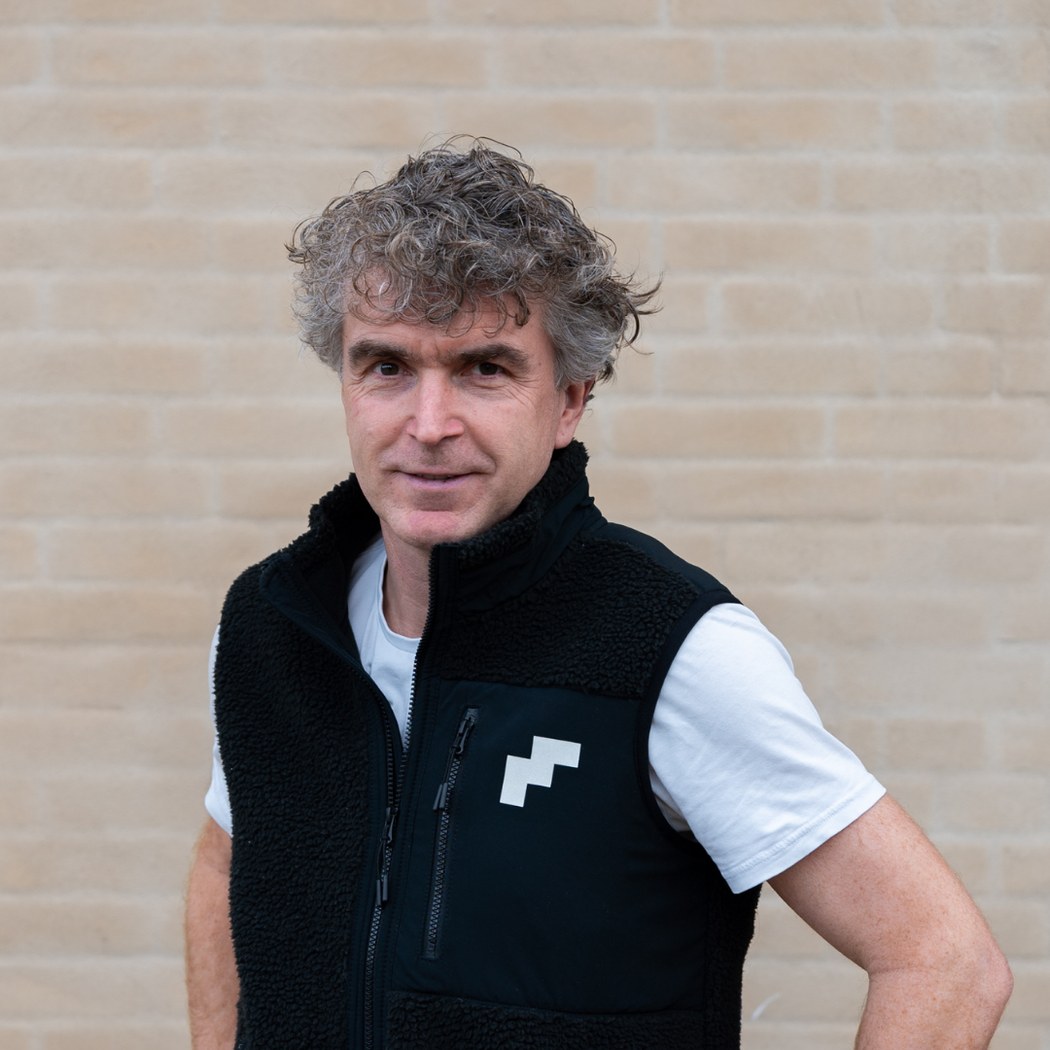
A startup map became an invitation. For Copenhagen Fintech co-founder Simon Schou, it was one small example of a larger ambition: help people with new financial ideas find the people who can make them work.

Cheryl Sew Hoy and the business of bringing people together
A catalogue business in Malaysia taught Cheryl Sew Hoy how to sell. Building companies, a startup community and a public accountability directory taught her how much else had to happen before an idea could travel.
Donna Harris and the business of getting started
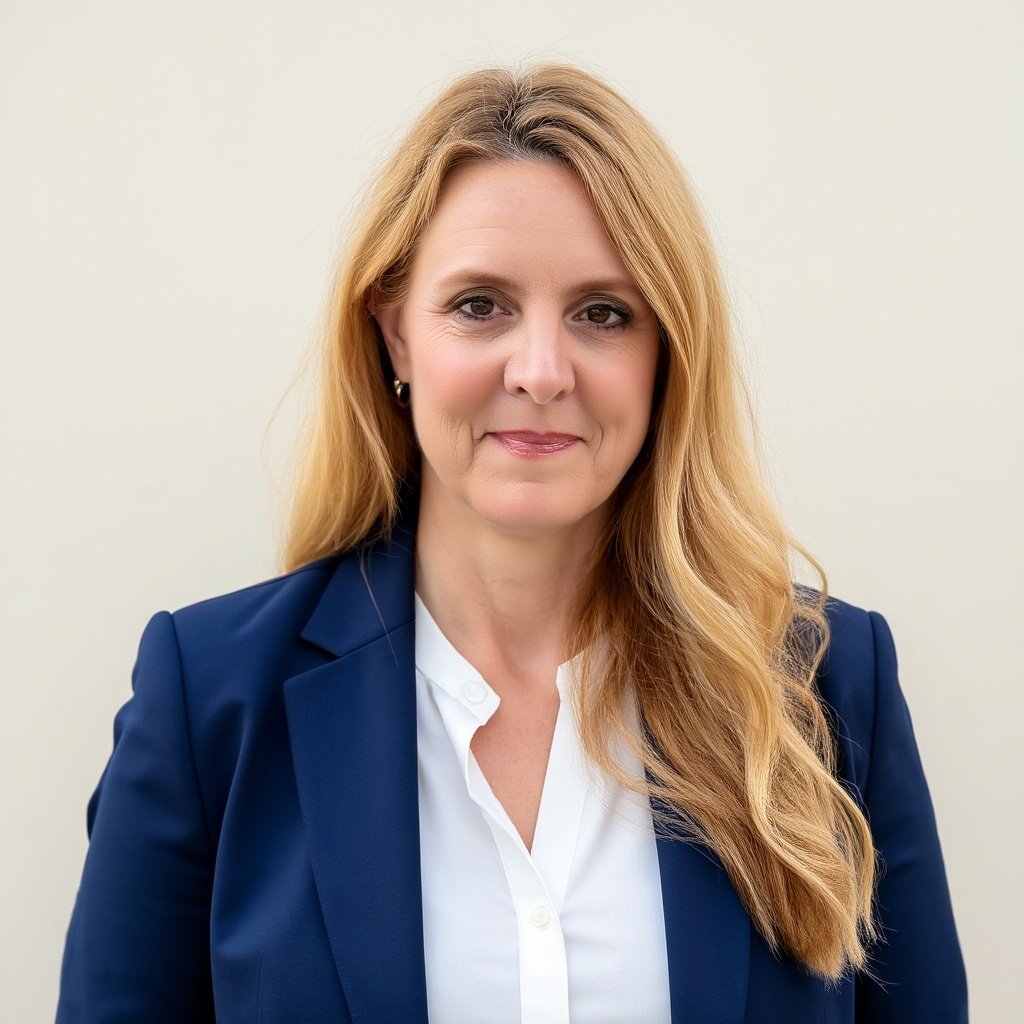
After co-founding Washington’s 1776 startup hub, Donna Harris turned her attention to the ideas that never make it into the room. At Builders + Backers, she is working on the awkward, promising distance between “someday” and a first experiment.

Terry Howerton and the business of opening doors
A teenage publisher became a Chicago investor, school cofounder and corporate matchmaker. Across those jobs, Terry Howerton keeps returning to the same problem: getting people with useful ideas into rooms where something can happen.
CELA made networking a contact sport
Four mentors. Twelve minutes apiece. CELA put a clock on the warm introduction - then joined forces with WEVE to take its accelerator methods across borders.

DEEP Ecosystems puts a price on building a startup scene
The Munich company helps the people behind startup hubs turn local ambition into fundable projects. Its accelerator offers two years of support, with a 15% success fee on project funding raised.

Startup Guide puts a city’s startup scene between two covers
Sissel Hansen turned the frustration of starting over in Berlin into a publishing business. Now Startup Guide sells books, maps local networks and helps cities make their case to entrepreneurs.
Nikhil Sinha's Long Game: Turning Distance Into Infrastructure
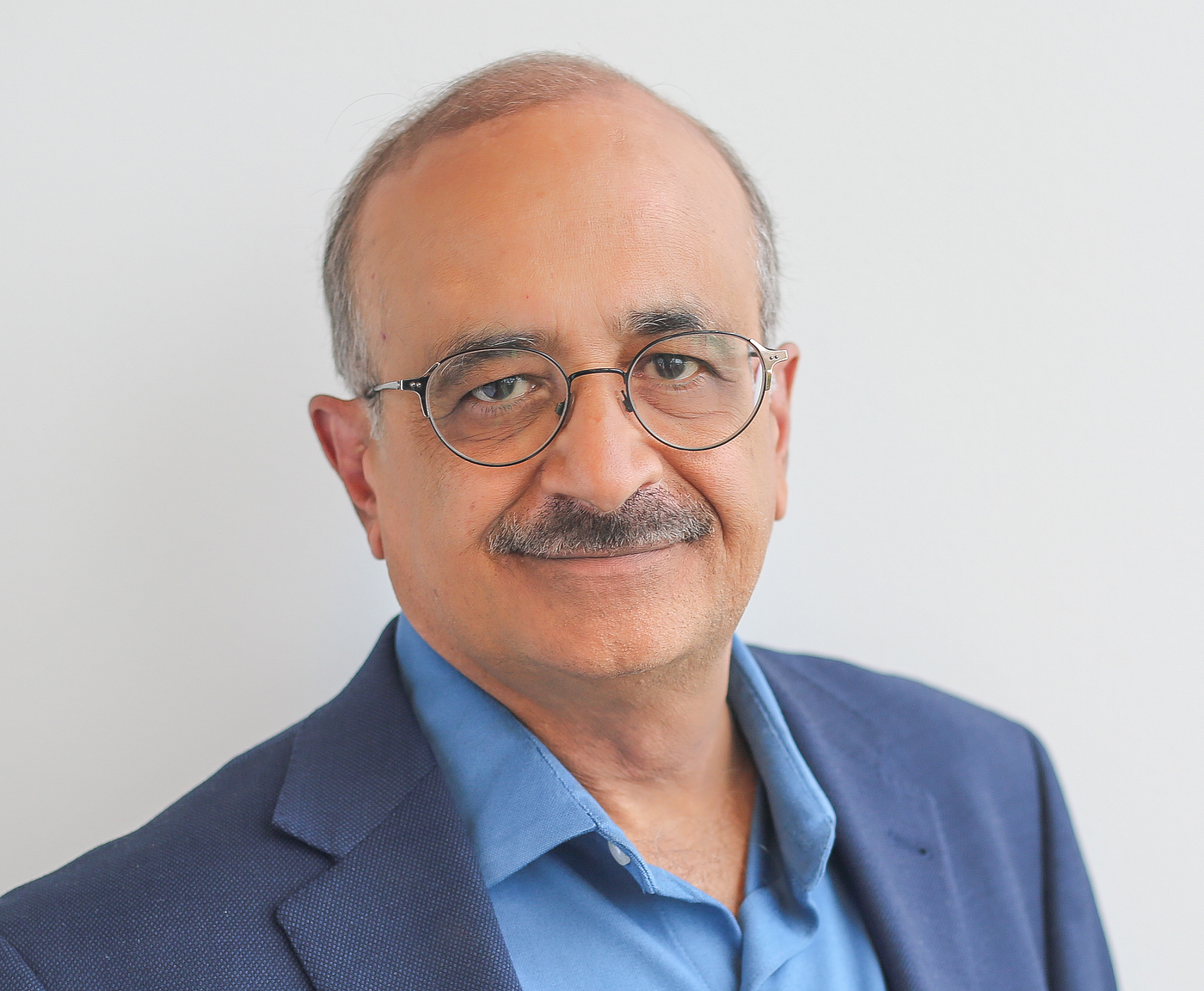
A communication scholar became a university builder, an online-learning executive and a startup ecosystem operator. Across each reinvention, Nikhil Sinha has kept working on the same stubborn problem: how to give ambitious people access to the networks that make ambition useful.