software-testing
(37)
Coherent Solutions knows where the software gets stuck
The Minnesota engineering company has spent three decades building the systems behind other brands. Its next bet: helping businesses turn faster AI tools into software that actually ships.

Global App Testing Finds the Bugs That Look Like Lost Customers
A failed payment can masquerade as a change of heart. Global App Testing sends people into the markets, devices and conversations where software quietly lets users down.

Digivante wants the bugs before your customers get them
The British testing company puts real people on real devices to find the faults that derail digital shopping. Its proposition: more eyes on a release, fewer surprises at checkout.
Beround Spent a Decade Hunting Software Bugs. Now It Wants to Fix AI Adoption Before the Tools Arrive
The Dutch consultancy built its reputation on the unglamorous discipline of testing. That same habit now powers a people-first AI playbook that starts small, measures what matters and leaves room for a human to say no.
CBQA Built the Software Shop for Companies That Can't Afford a Science Project
CBQA sells the unglamorous work that keeps digital transformation from becoming a very expensive slideshow - then packages what it learns into software for warehouses, clinics and regulated operations.

Rajiv Jain Built a Career Asking One Uncomfortable Question: What Could Break?
From object-oriented graphics patents to AI-era quality engineering, the ThinkSys founder has spent three decades turning software's awkward edge cases into an operating philosophy.
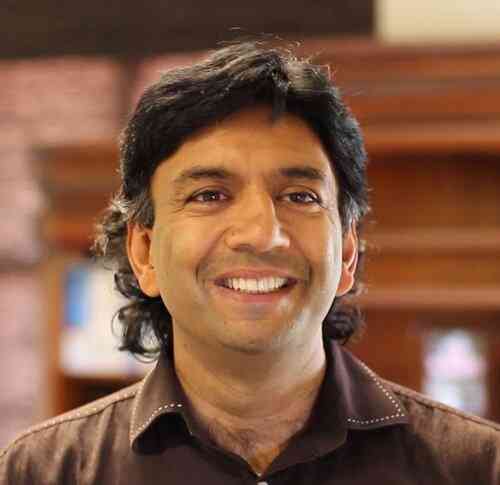
Rajeev Rai Built a Company Around the Work Everyone Notices Too Late
He sold sweaters at 11, learned quality inside Apple, and later made software testing the center of a cross-border company. His enduring product is less a test script than a way of treating engineers.
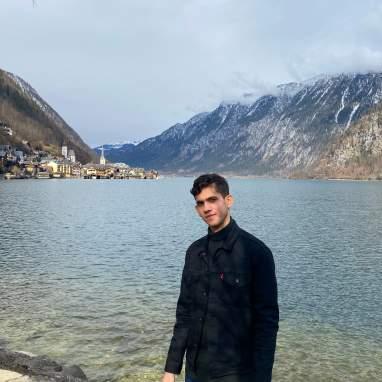
Nishant Hooda Applied to YC Four Times. Then He Made Software Testing Look at the Screen.
An AWS internship introduced him to his future co-founder. Four applications got them into Y Combinator. Now Docket is betting that the next generation of software tests will use the screen the way people do.

Phillip Li Is Building a Practice World for AI Agents
The former Team Canada épée fencer left UBC in his final year. Now he and a calculus-class friend are giving software agents somewhere safe to make expensive mistakes.
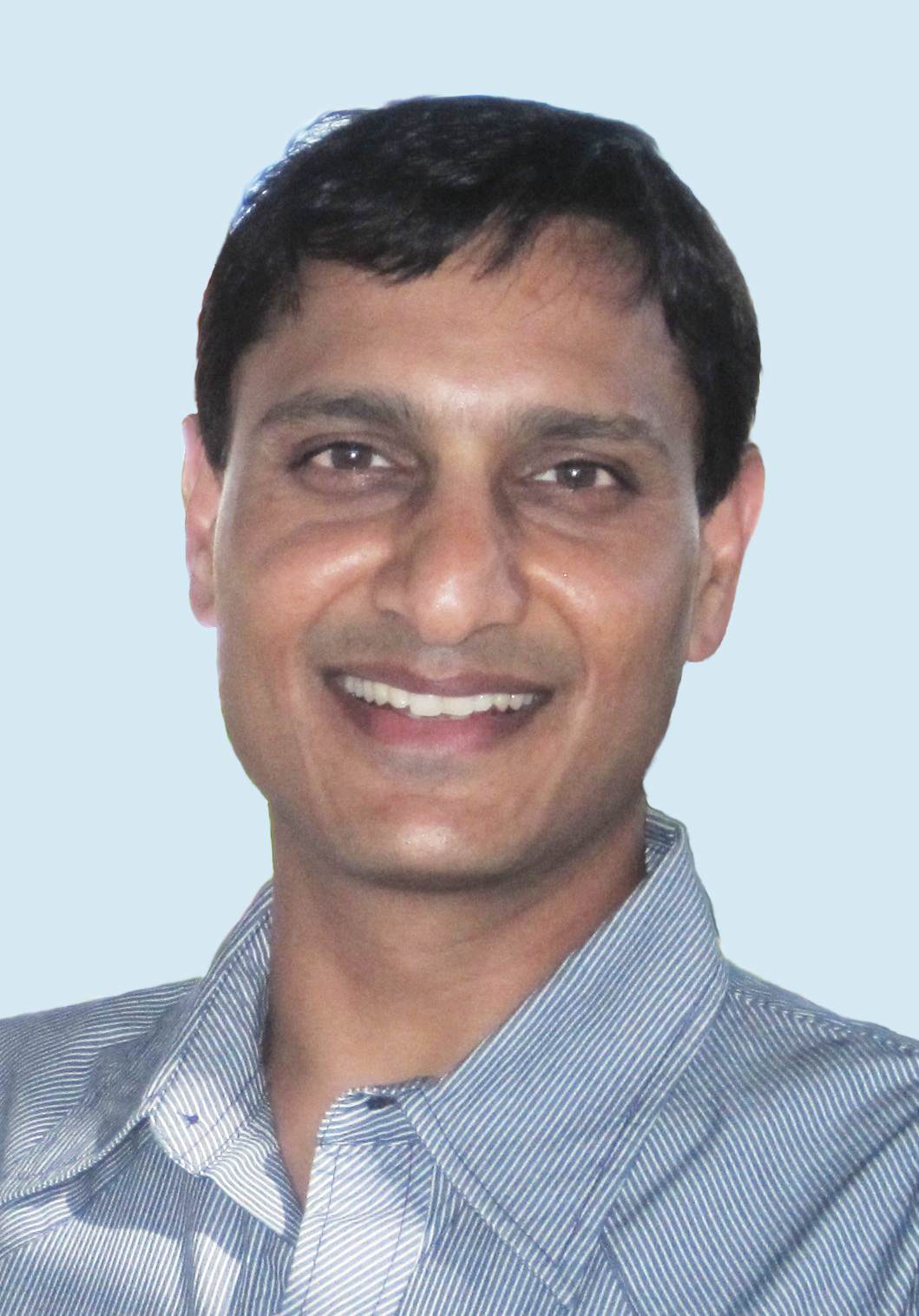
Sandeep Jain Keeps Building for the Moment Software Meets Reality
He sold a Java reporting company before the first dot-com boom ended, then spent more than two decades making software confront its least charming possibilities: traffic, bottlenecks, broken workflows and failure.

Gabriel Spencer-Harper Is Building a Safety Net for Software Written at Machine Speed
Before AI made code cheap, Gabriel Spencer-Harper was already obsessed with the expensive part: proving it works. His company, Meticulous, turns real user journeys into a living test suite - and a career of false starts into a sharp thesis about software's new bottleneck.
UiPath
UiPath taught software robots to copy clicks. Now it wants to conduct the whole office - AI agents, old systems, APIs and the humans who still know when to say no.
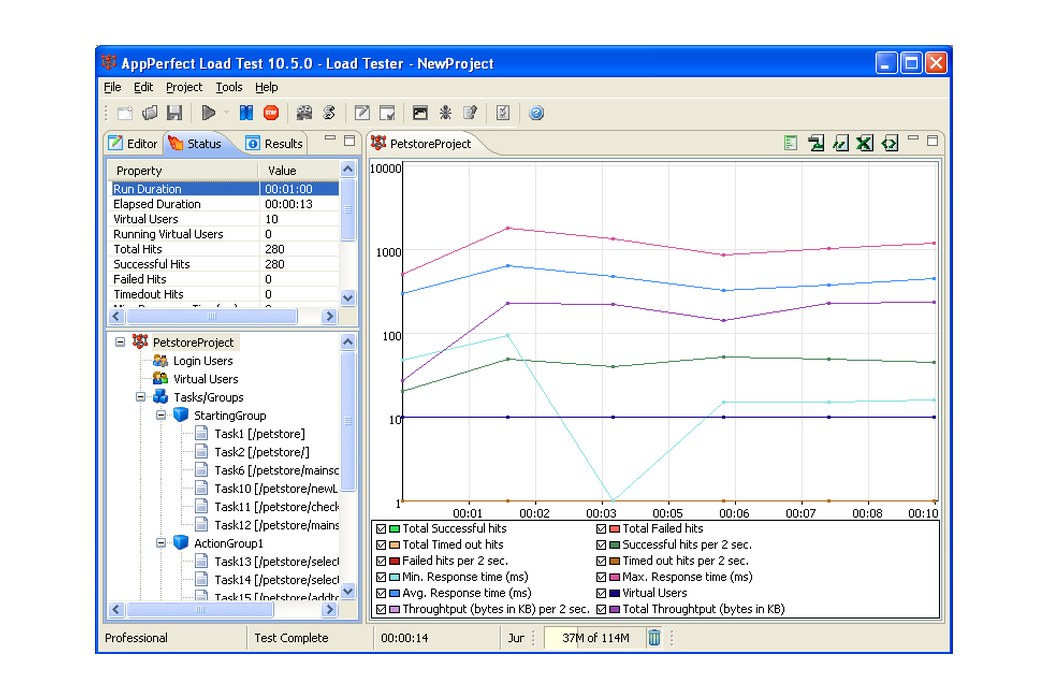
AppPerfect Corp
For more than two decades, AppPerfect has worked the unglamorous seam between a software demo and a dependable production system. Its bet is simple: test the failure, watch the machinery, and fix the bottleneck before users find it first.

Agama Solutions Inc
Agama Solutions has spent two decades selling the least glamorous - and often most necessary - layer of digital transformation: the people, testing discipline and delivery capacity that turn a technology plan into working software.
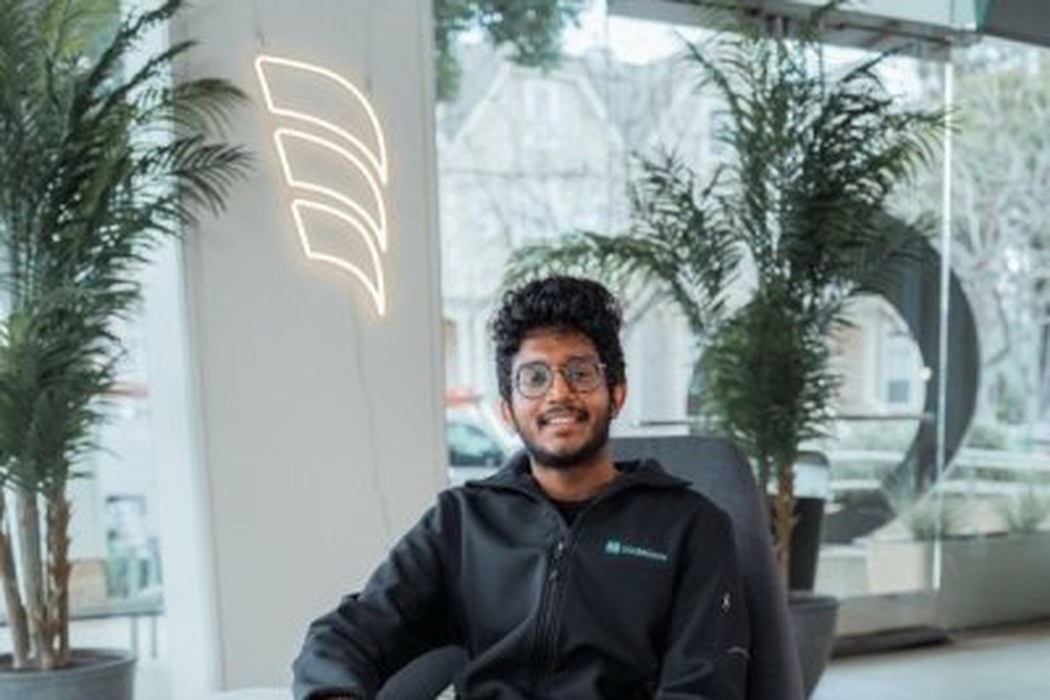
Aakash Mahalingam
Aakash Mahalingam is the cofounder and CEO of Canary (YC W26), a startup building an AI QA engineer that reads your source code to catch broken user flows before they hit production. Before Canary he built Windsurf's enterprise product and helped push its self-serve plan to roughly $20M ARR in six months. An ICPC APAC finalist with earlier stints at AWS and Morgan Stanley, he now works out of Mountain View on the problem of testing keeping pace with AI-accelerated coding.
Arga Labs
Arga Labs builds real-world sandboxes for AI agents and agent-facing software. Every time a team opens a pull request, Arga spins up a temporary staging environment that mirrors production, redeploying only the services that changed and routing everything else to prod. It runs code and agents against resettable API 'twins' of third-party services like Stripe, Slack, GitHub, and Gmail, so teams can surface edge cases, simulate failures, and test at scale without touching live data. A YC P26 company founded by Phillip Li and Akira Tong, Arga reached roughly $40K in monthly recurring revenue within seven weeks of launch.

Canary
Canary is an AI QA engineer that reads your source code to understand developer intent, then automatically generates and runs end-to-end tests on every pull request. Instead of flaky DOM scraping or screenshot analysis, it reads the diff, works out what a change is meant to do, and tests the real user flows it touches - catching broken checkout, auth, and billing before code reaches production. Founded in 2026 by ex-Windsurf, Cognition, and Google engineers, the two-person San Francisco team is part of Y Combinator's Winter 2026 batch.

TesterArmy
TesterArmy is a Y Combinator-backed (P26) startup building AI agents that test web and mobile apps the way a human would. Teams describe tests in plain English; the agent launches a real browser or device, clicks and types through user flows, handles logins, OAuth and OTP, then returns screenshots, recordings and actionable bug reports. It runs on every GitHub pull request and on a schedule against production, aiming to catch broken flows before customers do.
Ryo Chikazawa
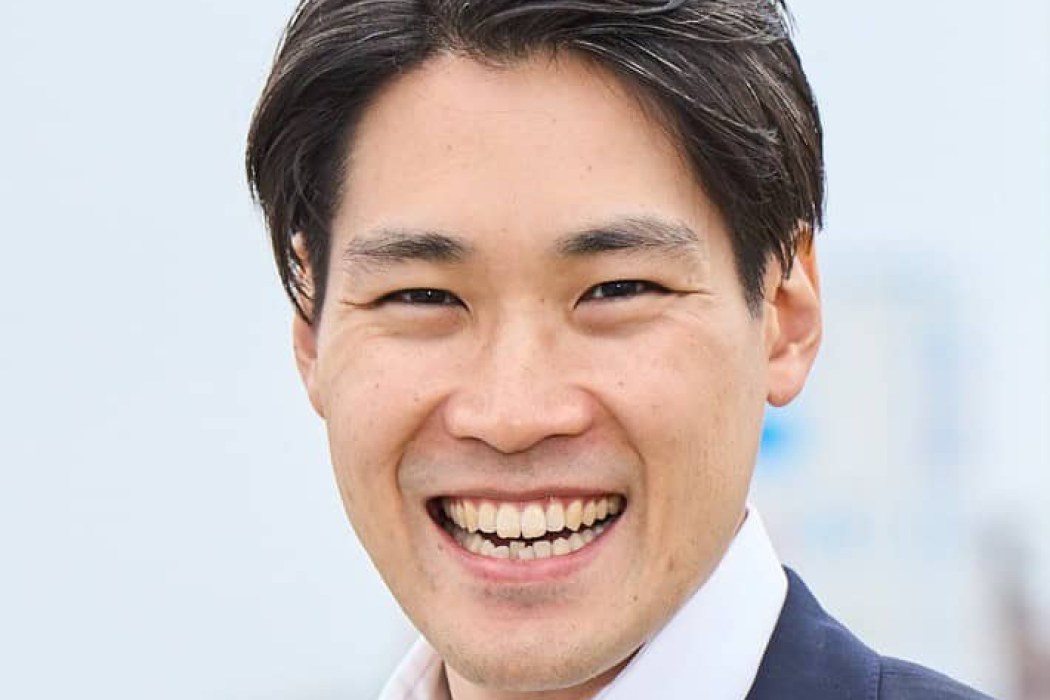
Ryo Chikazawa is the co-founder and CEO of Autify, an AI-powered software testing automation company based in San Francisco and Tokyo. A software engineer who worked in Japan, Singapore, and the US, he kept running into the same problem everywhere: testing software takes too long. After eight pivots and interviewing 70+ prospects, he built Autify into a no-code test automation platform used by companies like Unity, DeNA, and ZOZO, raising roughly $32M through Series B and launching Autify Genesis, an autonomous AI testing agent.
Vu Lam
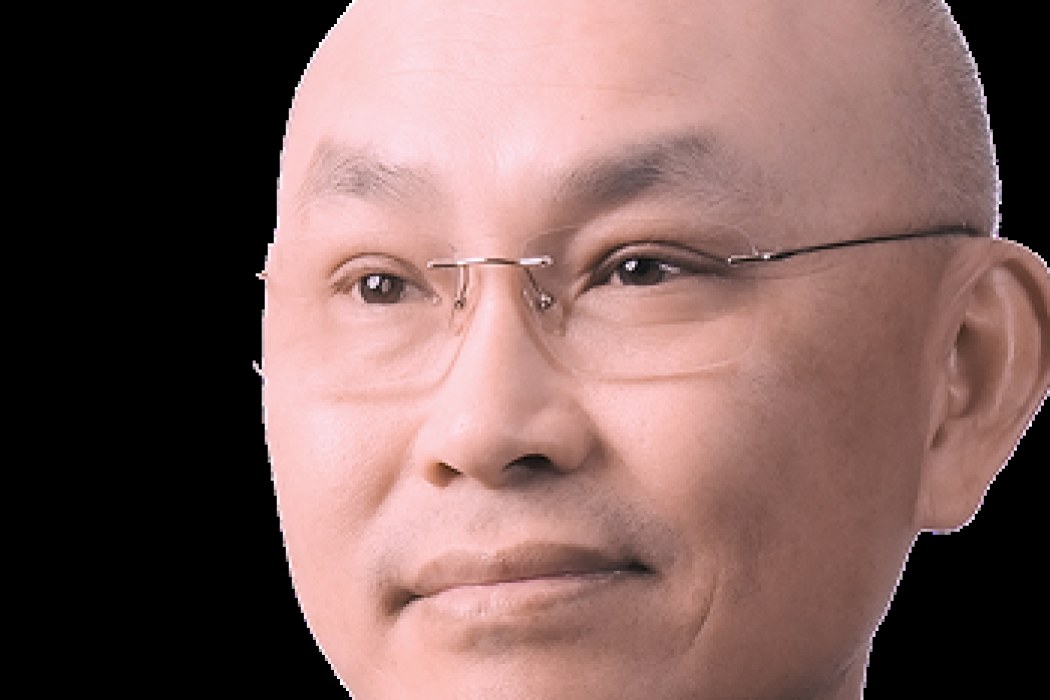
Vu Lam is the founder and CEO of Katalon, one of the world's most widely used software test automation platforms, trusted by more than 30,000 teams. A Vietnamese-American engineer who arrived in the United States as an 11-year-old refugee, he built a career at Bell Labs before founding a string of technology companies including KMS Technology, QASymphony, Kobiton and Grove HR. Katalon began as an internal productivity tool inside KMS Technology and grew into a standalone company that raised $27 million in Series A funding in 2021. Lam is known for championing quality-assurance professionals and pushing testing into the AI era.
Epidata
Epidata is an Argentina-founded, privately owned technology company specializing in innovation outsourcing - transforming organizations through software architecture, engineering, and applied knowledge. Since 2003 it has grown into a multinational with roughly 700+ staff and offices across Latin America and San Francisco, delivering software development, staff augmentation, DevOps, big data, machine learning, RPA, testing and digital transformation to enterprises and governments including JP Morgan, HSBC, Walmart, Telecom, Tenaris and Asana.

Forte Group
Forte Group is an AI-first software development and consulting firm founded in 2000 and headquartered in Boca Raton, Florida. Bootstrapped since day one, it delivers custom software, data and analytics, quality engineering, and Salesforce services through roughly 800-900 engineers across a dozen locations in the Americas and Europe. The company built its reputation on outcome-based engineering - tying its work to measurable business results rather than billable hours - and now embeds AI across the full product lifecycle for clients in finance, healthcare, logistics, retail, SaaS, and beyond.
Autify
Autify is an AI-powered software testing platform that lets engineering and QA teams create, run, and maintain automated tests without heavy scripting. Founded in 2016 by Ryo Chikazawa and Sam Yamashita, the company pairs no-code recording with autonomous AI agents that generate test cases from requirements, write test code, and self-heal tests when the underlying app changes. With offices in San Francisco and Tokyo, Autify serves web and mobile teams at companies like DeNA, NEC, Yahoo, and ZOZO, and has raised roughly $29-32M across seed, Series A, and a 2024 Series B.

Katalon
Katalon is an Atlanta-based software company that builds an AI-augmented, all-in-one quality management platform for software testing. Its flagship products - Katalon Studio, TestOps, TestCloud, and the newer TrueTest - let QA and DevOps teams create, run, and analyze automated tests across web, mobile, API, and desktop applications with both low-code and full-code approaches. Spun out of KMS Technology, Katalon is used by more than 30,000 teams across 80+ countries and has repeatedly been named a G2 Leader in software testing.

Trunk
Trunk is a San Francisco developer-tools company building a suite that keeps continuous integration reliable at scale. Its two flagship products - a parallel Merge Queue that batches and tests many pull requests at once, and Flaky Tests, which automatically detects and quarantines unreliable tests - target the bottlenecks that slow engineering teams as they ship more code, increasingly with AI assistance. Founded in 2021 by ex-Uber and ex-Google engineers, Trunk raised a $25M Series A led by Initialized Capital in 2022 and counts Brex, Faire, Zillow, and Gusto among its users.
Toffer Winslow
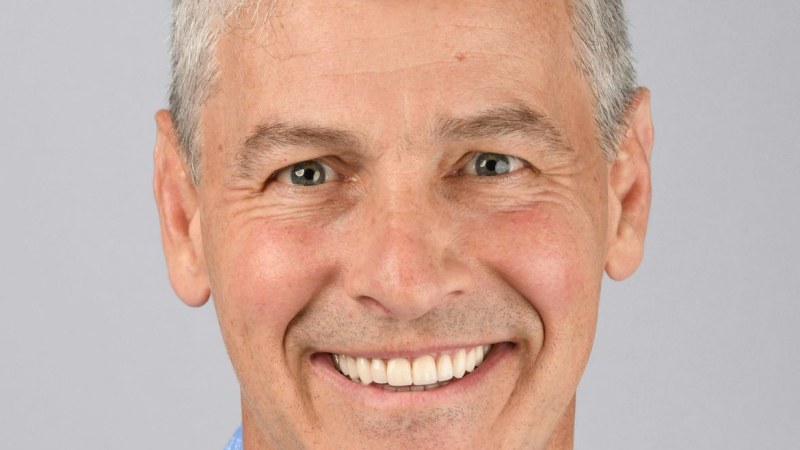
Toffer Winslow is the CEO and a board member of Diffblue, an Oxford-spun AI company that uses reinforcement learning - not large language models - to automatically write unit tests for Java code, at a pace of roughly one test every two seconds. A three-decade enterprise-software operator, he has run go-to-market and led companies through the growth-and-exit cycle at Dynatrace, RSA Security, Lavastorm, Tamr, and StackState (which he steered into an acquisition by SUSE). At Diffblue he is selling deterministic, on-premises AI to some of the most security-anxious buyers on earth: four of the ten largest U.S. banks, plus Citi, ING, Cisco, AstraZeneca, and BNY Mellon.

TestSprite
TestSprite is a Seattle-based startup building an autonomous AI testing agent that validates AI-generated code. Its agent plugs into AI IDEs like Cursor, Claude Code, and VS Code via an MCP server, then autonomously writes test plans, generates and executes tests in the cloud, diagnoses failures, and feeds fixes back to the coding agent. Founded in 2023, TestSprite has raised $8.2M total, including a $6.7M seed led by Trilogy Equity Partners in October 2025, and serves 35,000+ users. It positions itself as the 'testing backbone' of the AI-native development era.
Yunhao Jiao
Yunhao Jiao is the co-founder and CEO of TestSprite, a Seattle startup building an autonomous AI testing agent that aims to be the verification layer for AI-generated code. A competitive programmer turned AWS engineer, he left a five-year run at Amazon after a single production regression on an on-call shift convinced him that verification, not generation, had become software's weakest link. Since founding TestSprite in 2023 with Shawnie Shan and Rui Li, he has grown it to roughly 100,000 developers and raised about $8.1 million across pre-seed and seed rounds, led most recently by Trilogy Equity Partners.
QASource
QASource is a Silicon Valley-based software QA and testing company that gives engineering teams a full quality-assurance department without the cost and hassle of building one. Founded in 2000 by Rajeev Rai, the firm runs a hybrid onsite-offshore model - U.S. management and embedded QA engineers paired with technical talent in India and Mexico - delivering everything from manual, automation, performance and security testing to AI-augmented test automation, LLM evaluation, RLHF tuning, red teaming and RAG application testing. With roughly 1,400 professionals and a client roster spanning startups to Fortune 500 enterprises, QASource has built a reputation on a 95% customer-retention rate and two decades of steady double-digit growth.
ThinkSys Inc
ThinkSys Inc is a global technology services, software engineering, and consulting company founded in 2012 and headquartered in Sunnyvale, California, with delivery operations in Noida, India. It specializes in quality assurance and software testing, QA automation, custom software development, DevOps, and cloud (AWS) consulting, serving 300+ clients across SaaS, FinTech, healthcare, retail, e-commerce, and education. Fully CMMI Level-3 and ISO 27001 certified, the firm pairs an engineering-first culture with a reputation for top-rated client reviews on G2 and Clutch.