A gym member sees a workout on a phone. The engineering team sees something less photogenic: device compatibility, a stream of heart-rate readings, an aging backend, and a release that has to work. Coherent Solutions makes its living in that gap. Its name may never appear on the screen, but the work it describes for fitness brands reaches into the machinery that makes the screen useful.
That is a revealing place to look at a company now talking extensively about artificial intelligence. Founded in 1995 by Igor Epshteyn, Coherent builds and modernizes software for other businesses. The interesting question is how three decades of that work translate into an AI market where producing code is getting easier and delivering dependable products remains an organizational headache.
The workout has an engineering department
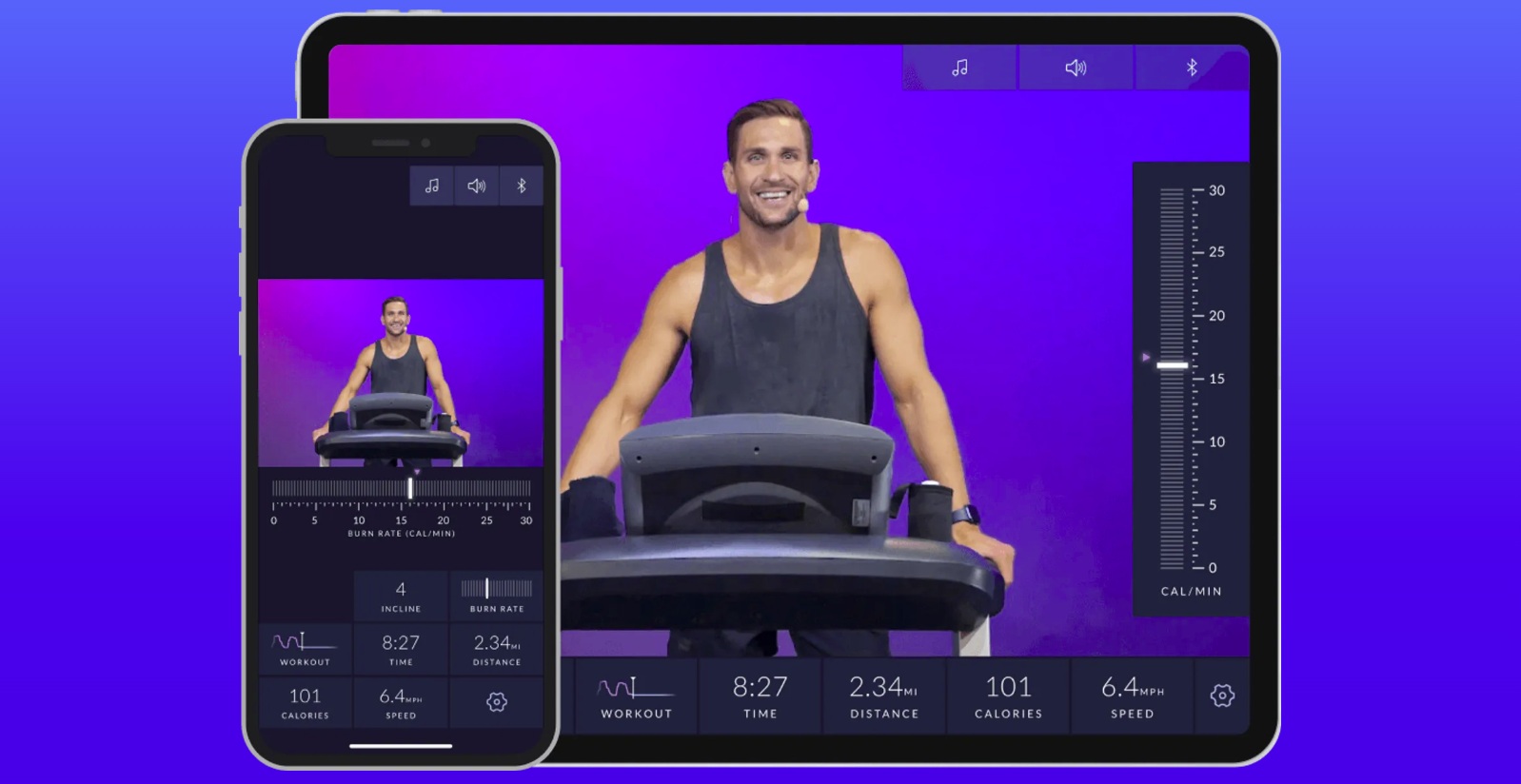
Consider BowFlex. Coherent describes embedding a 38-person team in the fitness company’s product organization, working across architecture, user experience, quality assurance, and performance. The assignment included getting software to work with different equipment generations, handling biometric data, and improving the application’s behavior across devices. A connected workout turns out to involve quite a few connections.
The product’s visible attractions are progress dashboards and live exercise information. Beneath those sit data pipelines and automated tests. This is the part of Coherent’s business that can disappear inside the broad phrase “software development”: keeping several technical disciplines pointed at the same customer experience while the client continues making product decisions.
The company’s Planet Fitness case study describes another embedded team, this time exceeding 50 specialists. Coherent reports a 15 percent improvement in release velocity during the first six months. Its account starts with disconnected registration, booking, and ordering experiences, then follows workshops with users and staff into a product roadmap and integration work.
Those numbers describe particular engagements. Their broader interest lies in the staffing mix: mobile, web, data, design, testing, and cloud operations. Buying that combination can help a client address a product problem spanning several departments. Hiring one more developer would leave many of the same dependencies waiting for attention.
A $400,000 argument for fixing the plumbing
One of Coherent’s more concrete claims concerns an unnamed American fitness and wellness brand. The company says infrastructure optimization helped cut annual IT costs by more than $400,000. Its relationship with the client dates to 2014, and the published work includes content-platform improvements, API modernization, and consolidation of redundant systems.
Annual IT savings in one fitness modernization engagement.
Recurring savings, not a project price or a guaranteed return.For a buyer, the distinction matters. A reduction in the running bill is one component of the economics. Engineering effort, transition work, and the ongoing operating model also belong in the calculation. A sensible business case compares the complete cost of change with the costs and constraints of keeping the existing system.
Another fitness case study makes the friction wonderfully concrete: changing products and prices required manual uploads and repeated checks. Coherent describes replacing the purchase system with Magento, connecting catalog updates through APIs, and improving visibility into checkout behavior across a network of more than 200 fitness centers. The promised benefit starts with fewer spreadsheet chores and a clearer view of abandoned purchases.
That is a useful way to evaluate this kind of supplier. Ask which recurring task disappears, which decision becomes possible, or which expense falls. A new architecture earns its keep through those changes. The architecture diagram alone cannot tell you whether the investment was worthwhile.
The first thing to crack was the connection
Across the fitness accounts, fragmentation appears before the proposed remedy. Separate systems make the member experience inconsistent and the organization harder to manage. In one mobile rebuild, an outdated Xamarin application and reliability problems met a new business requirement: serving people exercising at home alongside people visiting clubs.
Coherent says it worked with the client’s mobile teams on a transition to native iOS and Android applications, with shared support for digital and in-club memberships. The pandemic had expanded the client’s digital offering. That changed what the application needed to do. The rebuild had to accommodate a business that was already moving.
In a separate personalization engagement, the company describes bringing member information into an Azure data lake and reports campaigns becoming 50 percent faster. The practical sequence is instructive: bring records together, make them usable, then improve how the business responds to members. Personalization depends on knowing which customer the systems are talking about.
Borrowing the expertise, keeping the product
Fitness gives Coherent a recognizable specialty. Its AKTIV unit concentrates hundreds of engineers on the sector. The wider company serves technology, finance, healthcare, life sciences, and manufacturing, offering custom engineering alongside cloud, data, mobile, testing, and Salesforce work. Product design has its own agency identity: The Norm.
Coherent occupies the market for engineering services bought by businesses building or changing digital products. A buyer might also consider an internal team, a focused development studio, or a larger digital engineering provider. Coherent’s strongest evidence of differentiation is the combination of industry experience and long engagements visible in its project accounts. Those are more useful selection criteria than a long list of programming languages.
MaxContact illustrates the arrangement outside fitness. The contact-center technology provider wanted speech analytics but needed additional AI expertise. Coherent helped build Spokn AI, combining transcription, analysis, cloud services, and a dashboard for managers. The case study describes an 18-month development effort, with potential customers seeing a demonstration around three months into development and an MVP following soon afterward.
The initial problem was limited visibility: people listening to selected recordings could examine only a small slice of conversations. Automating transcription and analysis widened that view. MaxContact retained the customer-facing product; Coherent supplied specialist engineering alongside its teams. This is also why Coherent belongs primarily in the services business, even when the software it helps create is sold as SaaS.
The company tried AI on its own paperwork
Coherent’s internal SPARK project offers a less polished-looking, more familiar starting point for enterprise AI. Its institutional knowledge was scattered across folders, records, email threads, and people’s memories. Preparing a case study meant reconstructing the story of work the company had already completed.
SPARK, short for Searchable Platform for Assets, Resources, and Knowledge, began with that task. Coherent says it expanded into a searchable workspace covering more than 50 client portfolios. Early feedback encouraged a broader scope, and the company connected the platform with internal systems, including HubSpot. The account is useful because the first application was small enough for employees to recognize whether it helped.
By March 2026, Coherent reported that more than 600 employees had completed internal AI training since early 2025. Its examples reach beyond engineering into recruitment, interview documentation, and training feedback. An AI Champion network identifies departmental needs, while an APEX governance model supports adoption. These are company-reported practices, but they describe an operating culture more specifically than the usual promise of collaboration.

More code. Same queue.
The sharper version of Coherent’s argument appeared in August 2026. Its writing on staff augmentation describes a shift toward improving workflows and ownership: additional capacity can leave delivery bottlenecks intact. Another article examines AI programs where activity rises without a corresponding improvement in release predictability or business results.
That is a consequential position for a company that sells engineering capability. The implication is that clients should judge a partner on the functioning delivery system, including handoffs and decisions. Counting people or generated output offers an incomplete account of what the buyer receives.
Coherent’s proposed response is the Continuous Delivery Loop, a framework with four phases: Identify, Validate, Deliver, and Observe & Scale. Its August introduction places feedback and governance throughout the work. The framework’s value to a prospective client is as a set of questions: what deserves building, how will it be checked, how will it reach users, and what will the team learn afterward?
- 01 Identify
- 02 Validate
- 03 Deliver
- 04 Observe & scale
Feedback throughout ↺
The approach requires clients willing to change how decisions and reviews happen. If responsibility remains unclear, producing work faster can simply move the waiting room downstream. Equally, a business with a routine need already met by packaged software should compare that option with commissioning a custom build. The fact that something can be engineered is a poor reason to commission it.
New capital, an old delivery test
Coherent announced a strategic investment from IceLake in September 2025 and completed it in December after regulatory steps. The stated ambitions include broader global delivery capacity and deeper technical capabilities, including applied AI. The company had already expanded from its Minneapolis beginnings into an international engineering operation.
“We’re not chasing trends. We’re building capability.”
Igor Epshteyn · February 2026 company outlook
For readers considering similar work, the copyable move is to start where Coherent’s more persuasive case studies start: a specific obstruction. Catalog changes take too long. Member records disagree. Call reviews cover too little. Define the change in observable terms, involve the people who do the work, and keep checking whether the improvement reaches them.
Coherent’s opportunity sits in the distance between a technical demonstration and a working business process. Its recent argument makes that distance the subject of the engagement. The next useful measure will be familiar to anyone waiting on a software release: what reached the customer, and what became easier when it did?