saas-pricing
(23)
The Project Tool You Already Bought Is Winning
Google's unbundled mix of Tasks, Sheets and Chat can be enough for teams that already live in Workspace. Microsoft and Zoho make the case for paying more only when the work becomes more complex.

The Best Free Time Tracker Depends on Your Team’s Shape
Toggl Track gives a small team more room before the paywall, while Harvest favors the solo operator and Float starts with planning. The right choice depends less on feature checklists than on who needs to log time together.
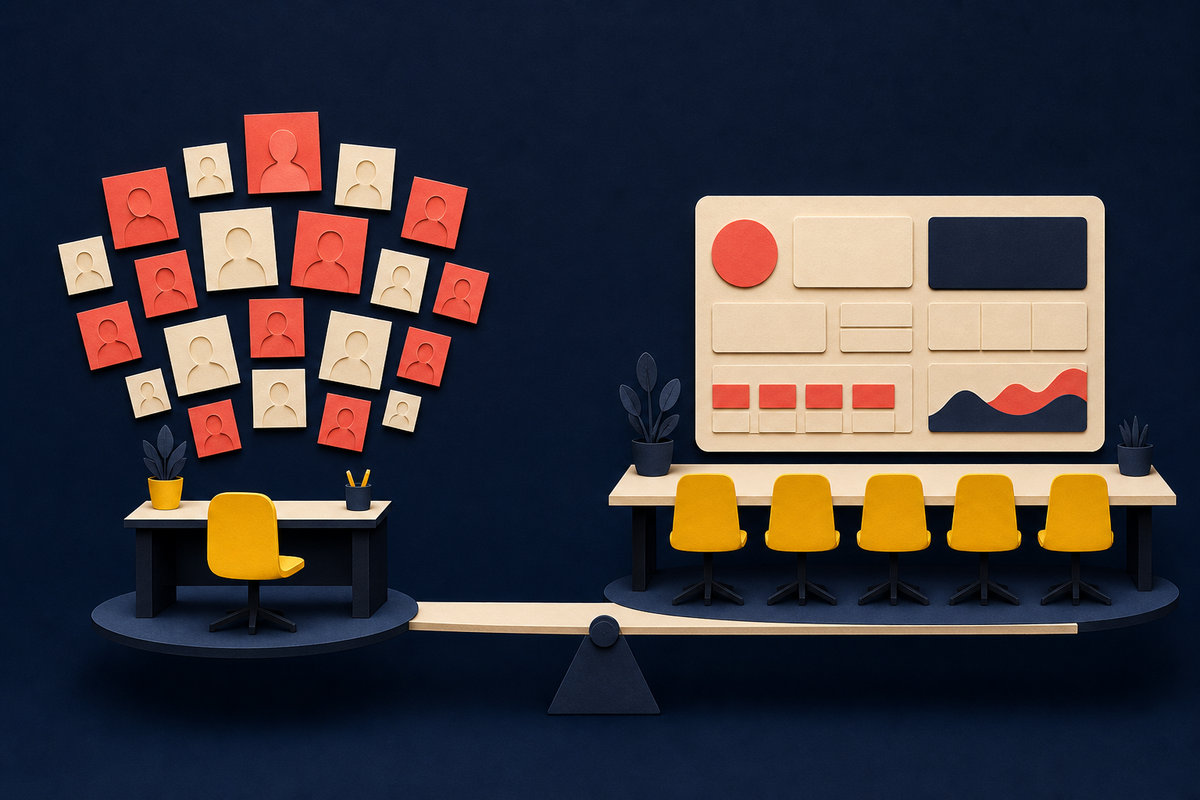
Your Social Stack Is Really a Staffing Decision
The Sprout Social versus Hootsuite choice gets clearer when you count the people doing the work and the profiles they must cover. Current pricing makes headcount the multiplier, while channel count determines which tier you need.
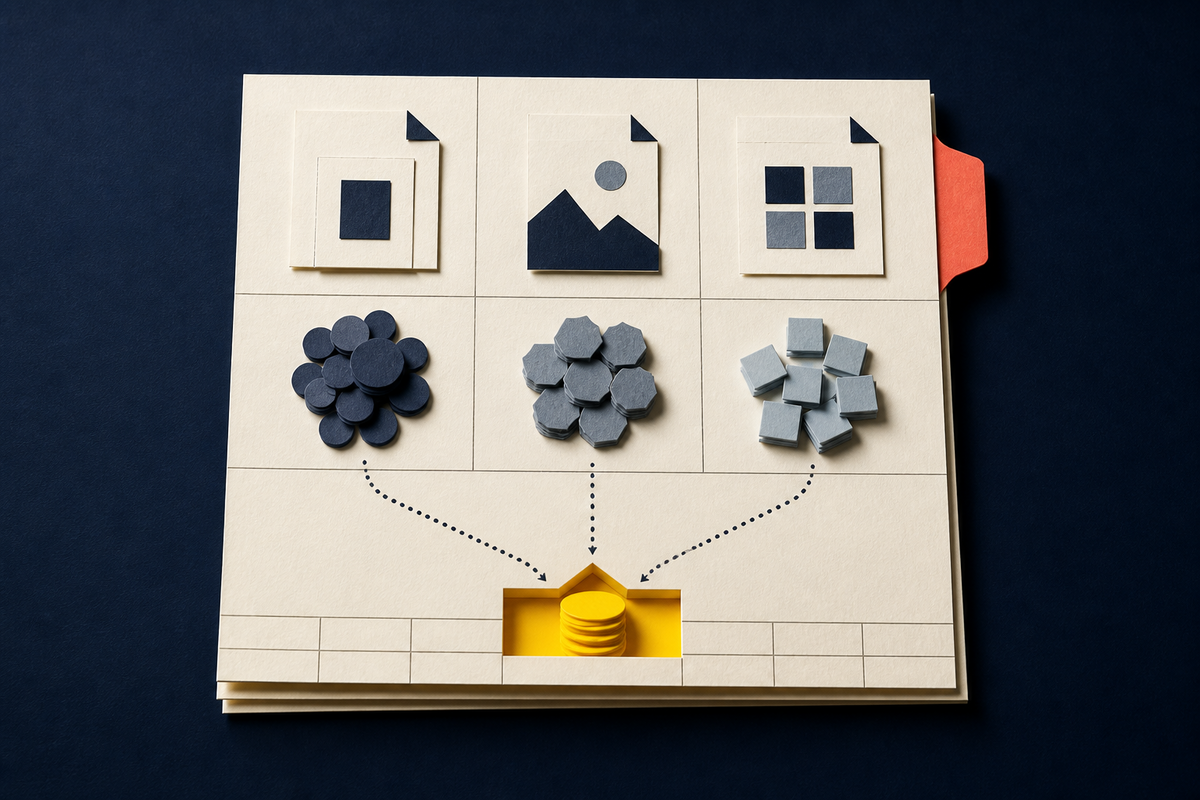
Notion Killed the AI Add-On. The Meter Survived
Workplace software is folding AI into the plan, but the bill has not disappeared. It has moved into tiers, pooled credits and the permissions that decide who gets to make things.

Jira and ClickUp Put Control on Different Rungs
The cheaper permission story belongs to both products, but in different places. A close read of their plan ladders shows why buyers should price the control they actually need, not the word enterprise.

Wrike Put a Price Tag Where Workfront Put a Sales Form
Both platforms promise to organize complex work. Only one lets a buyer price a real starting point before surrendering an email address.

ClickUp and Asana Are Fighting Over Your Free Team
The project-management rivals put different locks on their free plans. ClickUp limits storage while Asana limits collaborators, revealing two distinct bets about how teams become customers.
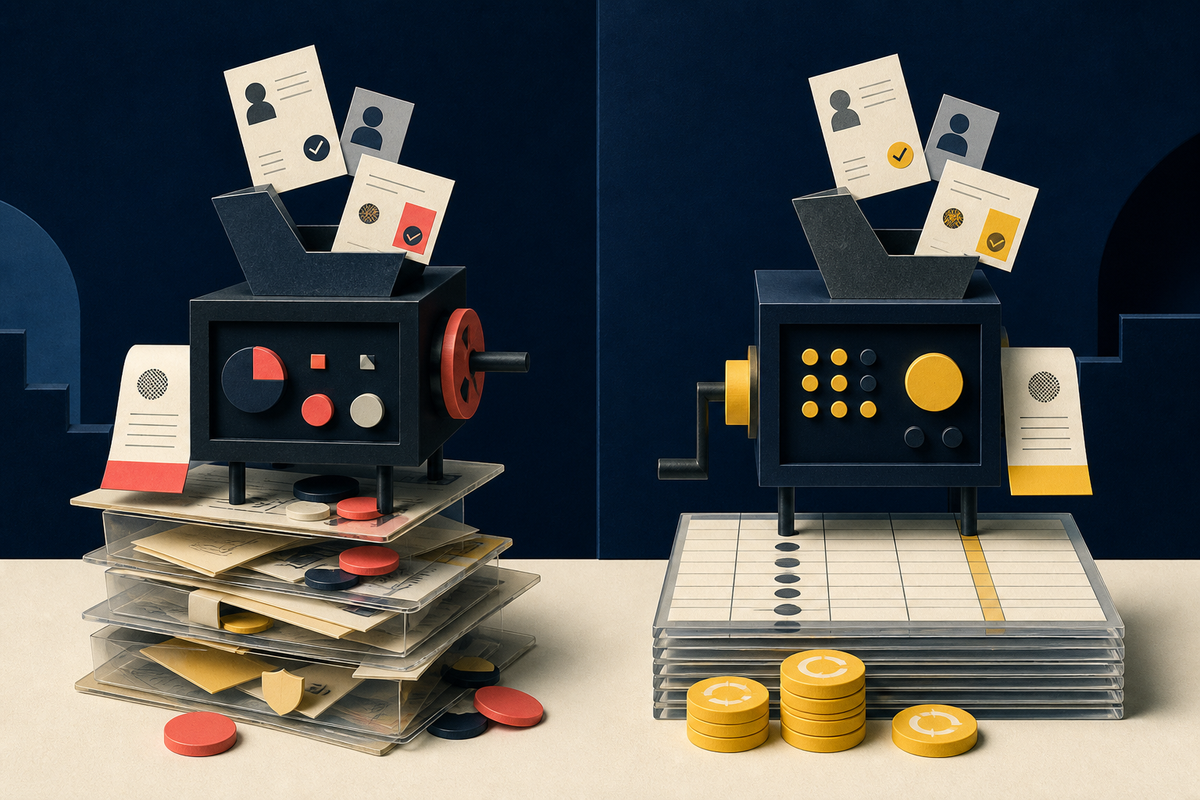
Gusto and Zenefits Made the Same Pitch With Different Math
Both promised to make small-business HR feel simple. Their pricing histories show why the bill you can see is only half the buying decision.
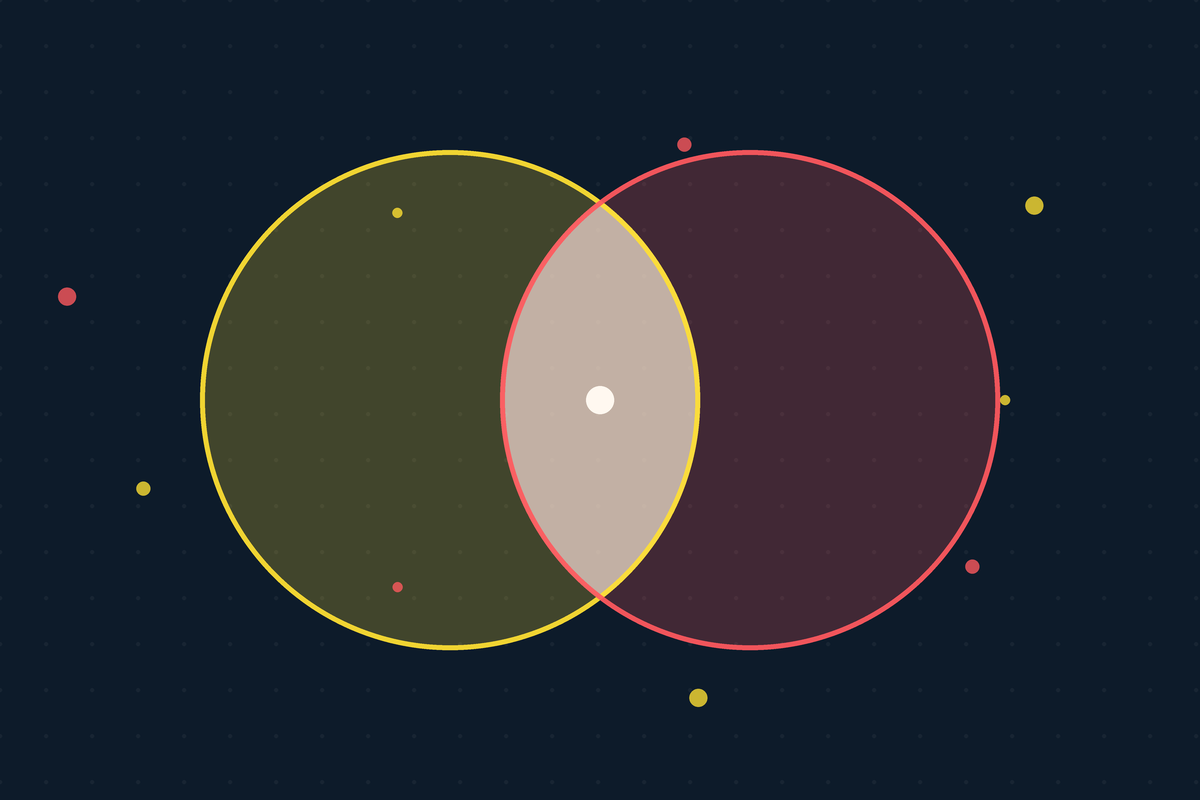
Brands Don't Quit Braze and Iterable Over Features
Teams leave Iterable when its subscriber-count billing charges for the dead weight of inactive contacts. They leave Braze when its floor - north of fifty thousand dollars a year - clears the mid-market budget. Same door, opposite directions.
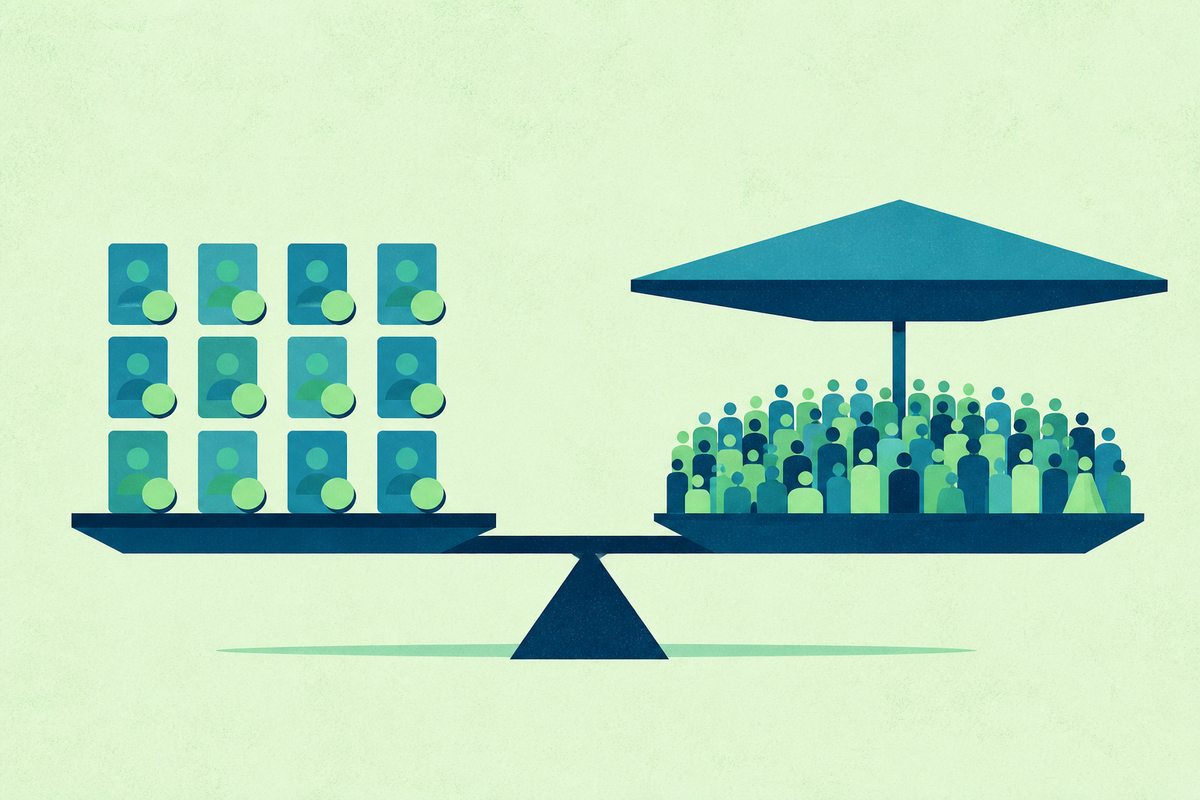
The Team Tool That Gets Cheaper as Your Company Grows
Trello charges for each paid seat. Basecamp caps the bill. The better bargain depends less on features than on what happens when another person joins the work.

Klaviyo’s Price Problem Is Also Its Moat
Reviewers call Klaviyo expensive far more often than Mailchimp. Ecommerce teams keep paying because the real contest is not software cost - it is what each subscriber is worth.
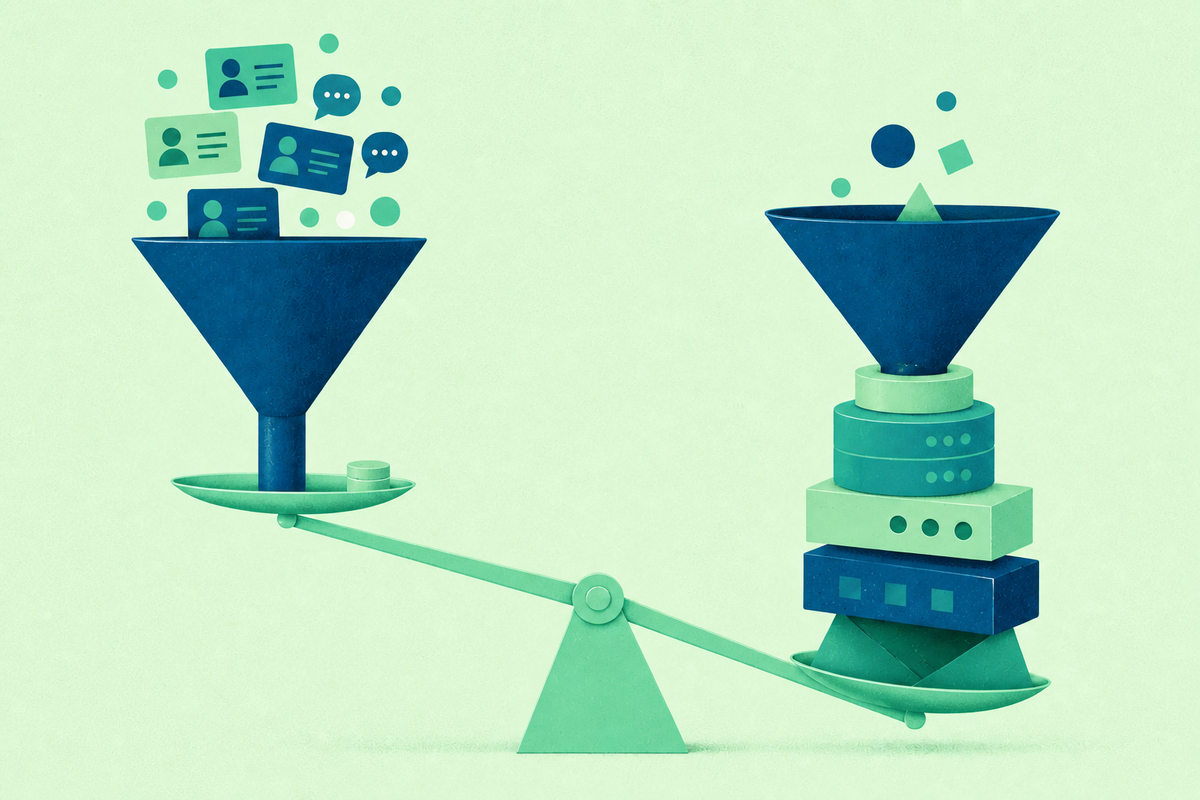
Apollo Looks Cheaper Until You Price the Missing Data
Apollo sells prospect data and sales engagement in one system. Groove runs the workflow, but its quote only makes sense after you add the data, integrations and operating costs your team still needs.
You Can't Buy FigJam Without Buying Figma
Miro will sell a whiteboard to anyone for a few dollars and never mention the rest of its catalog. FigJam refuses to sell you anything unless you also buy a Figma seat. That one difference explains two very different companies.
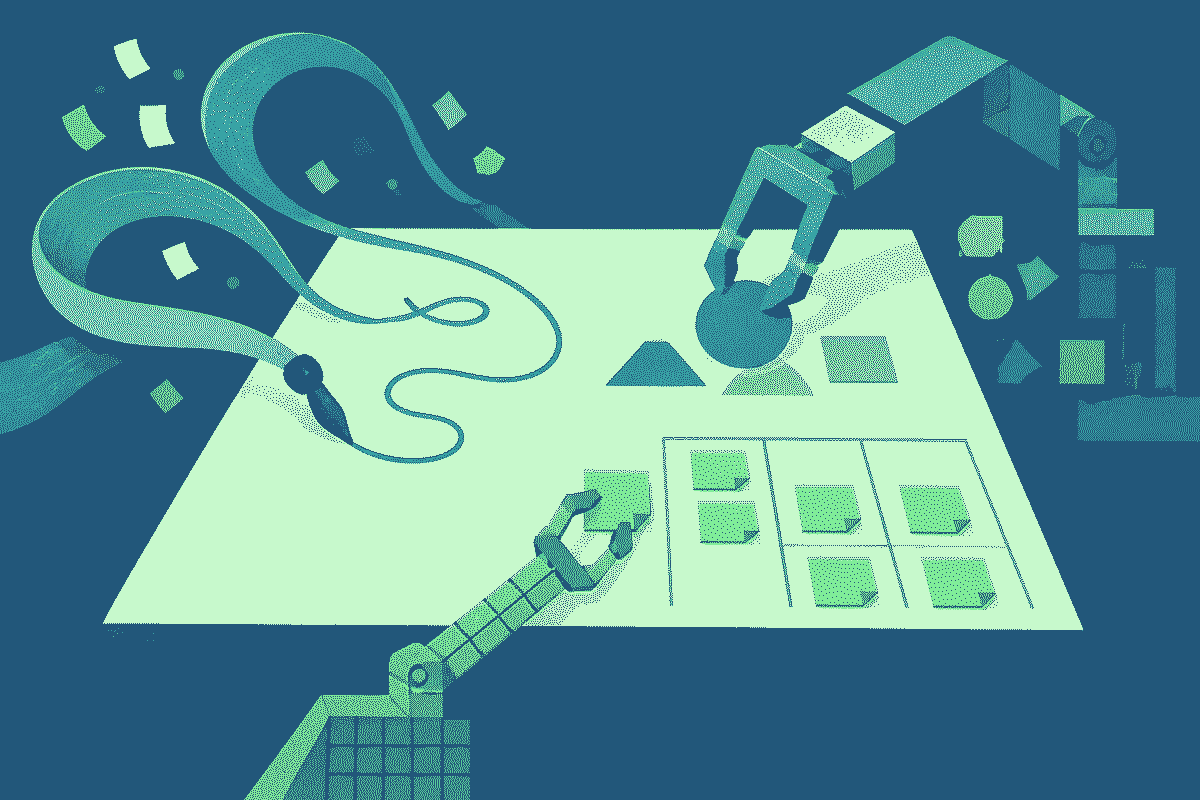
The Whiteboard War Is Really a Budget War
Miro sells a room for collaboration. FigJam and monday.com sell a reason not to buy another room - and that changes how teams should choose.
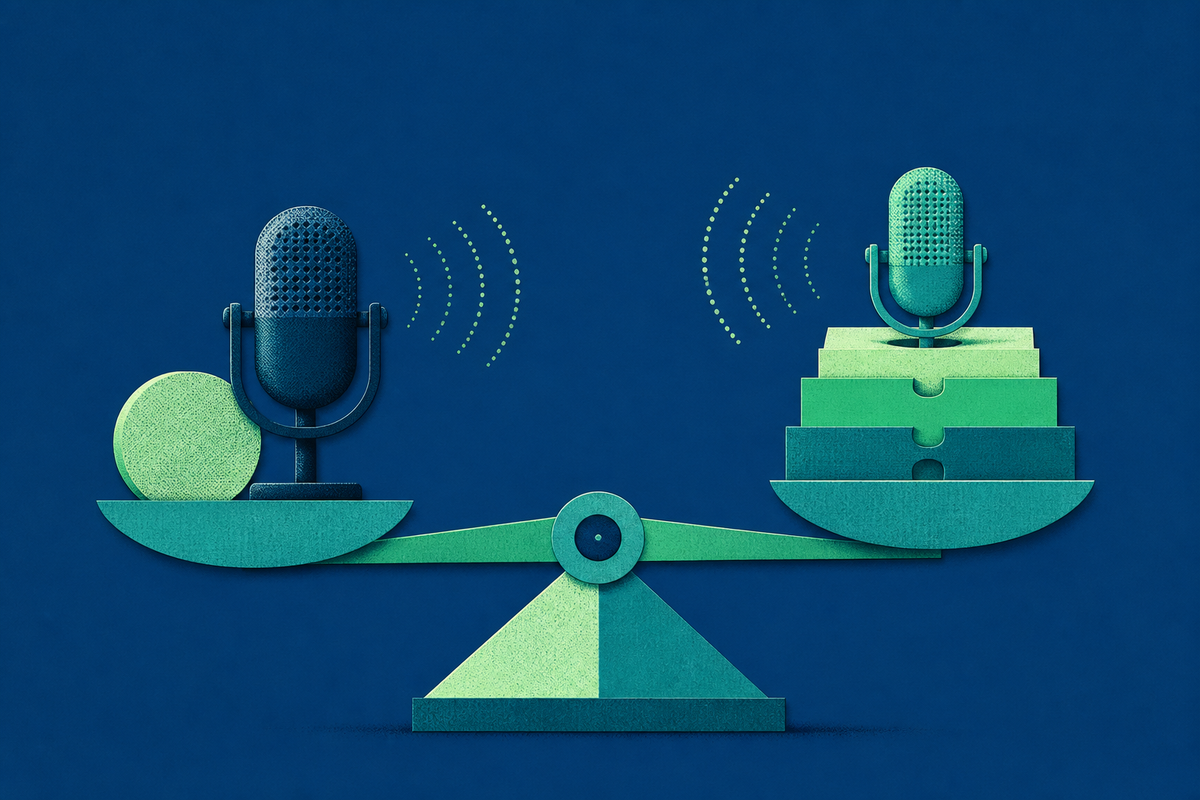
The Gong Decision Is Hiding in Your Clari Contract
Gong may offer the deeper conversation-intelligence bench. But when Clari Copilot is already bundled into seats you pay for, the evaluation starts with marginal cost - and often ends there.
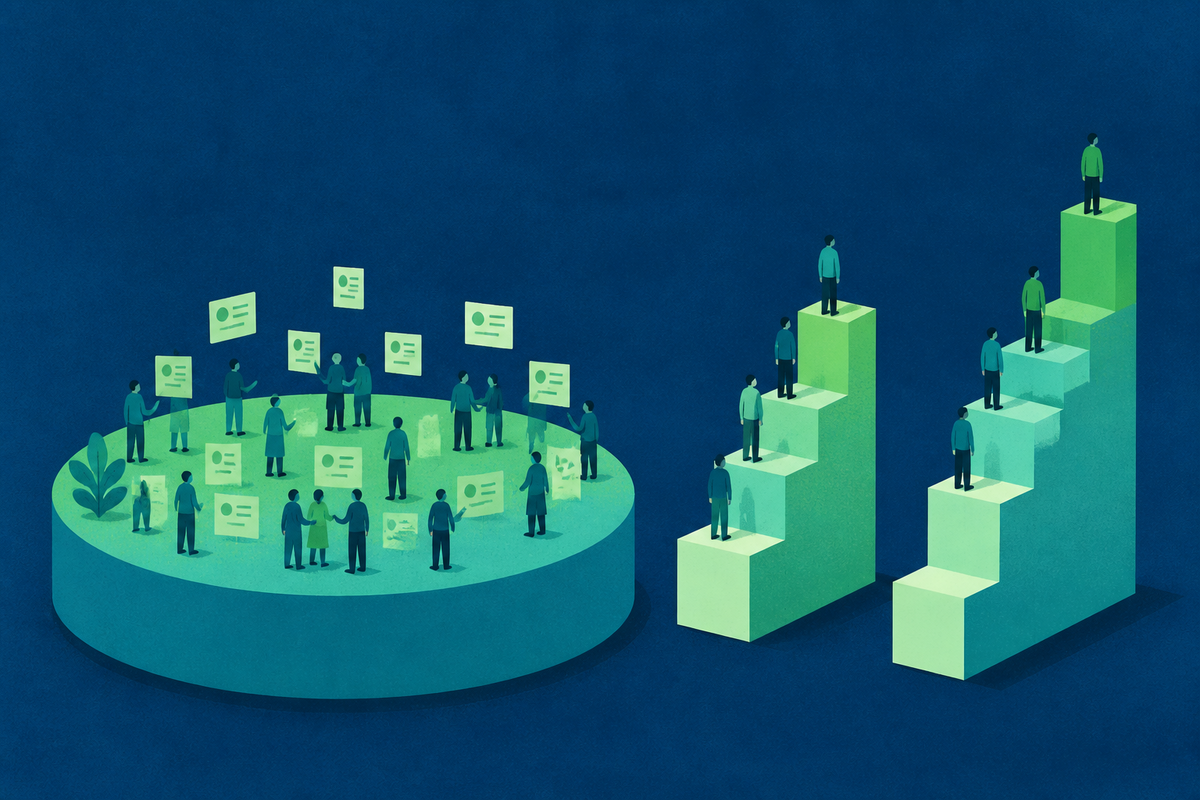
The Project Management Price Tag That Stops Growing
Most project tools charge more every time your team grows. Basecamp offers a company-wide ceiling, while Trello and Teamwork make different bets on simplicity, control and client work.

Your Free Project Tracker Is Already Choosing Your Company
Linear, Shortcut and Jira all offer free plans. The bill begins at different bottlenecks, and those limits quietly shape the team each product is built to win.
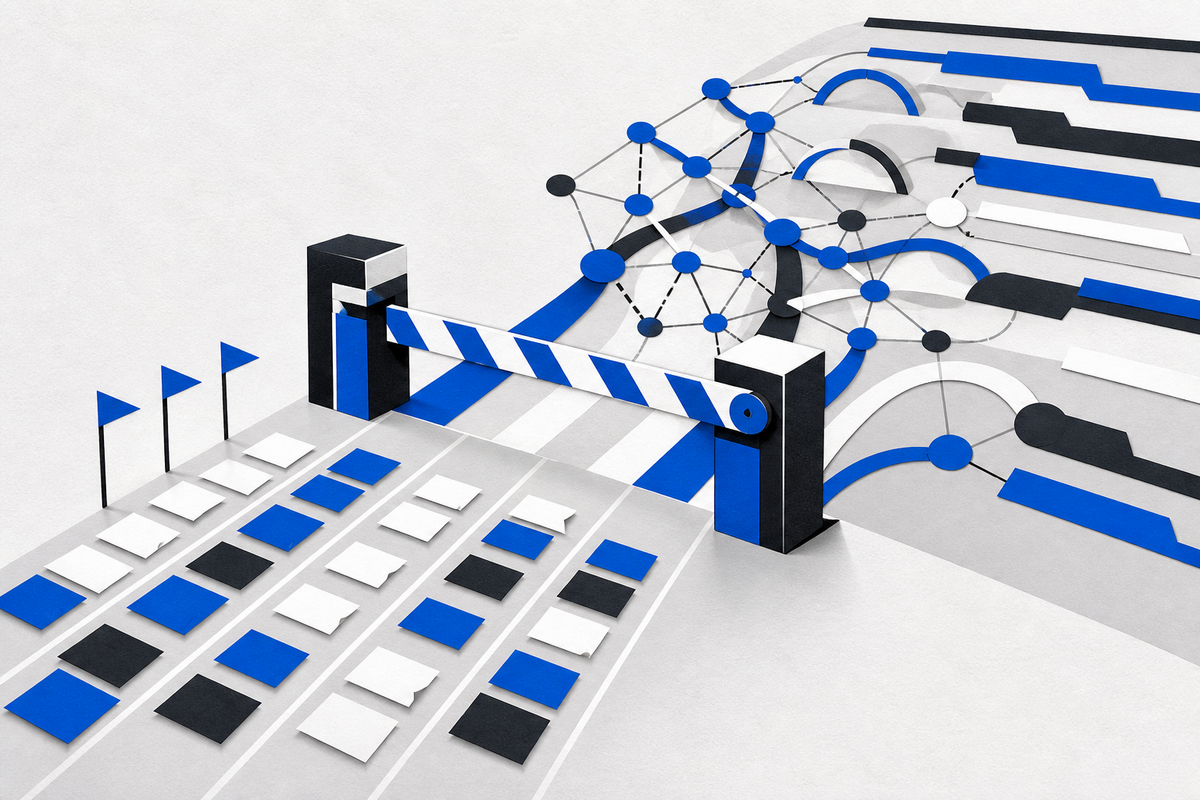
The Agile Planning Tax Jira Rivals Refuse to Charge
Jira includes a backlog and basic timeline for everyone, but reserves cross-team planning for Premium. Linear, Shortcut and ClickUp make the everyday rituals of agile planning available much lower in the pricing stack.
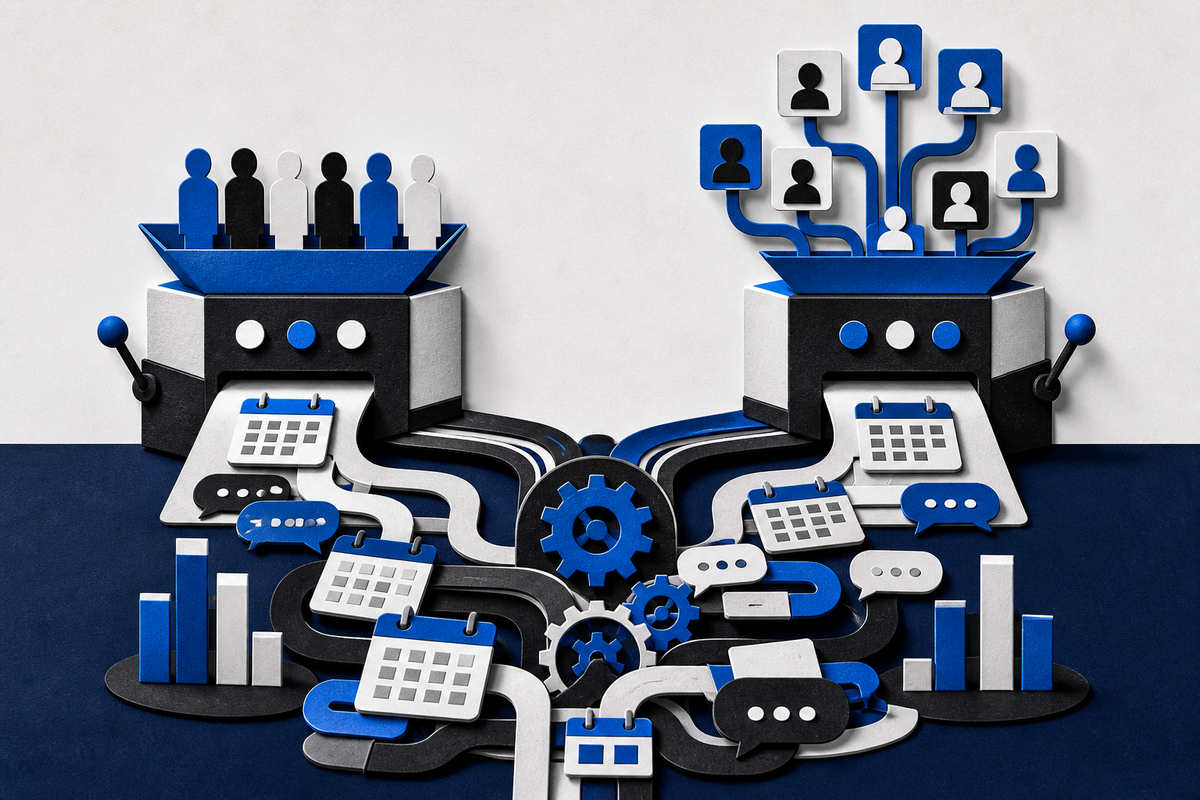
Your Social Media Tool Is Really a Headcount Tax
Sprout Social and Hootsuite sell similar command centers, but their price tags expose the real decision: how many people need in, how many profiles they run, and which workflows they cannot live without.

The Real Marketo vs HubSpot Decision Starts Before the Demo
Both platforms can automate serious marketing work. The revealing difference is how they ask you to buy - and what that buying process says about the organization each product expects you to become.
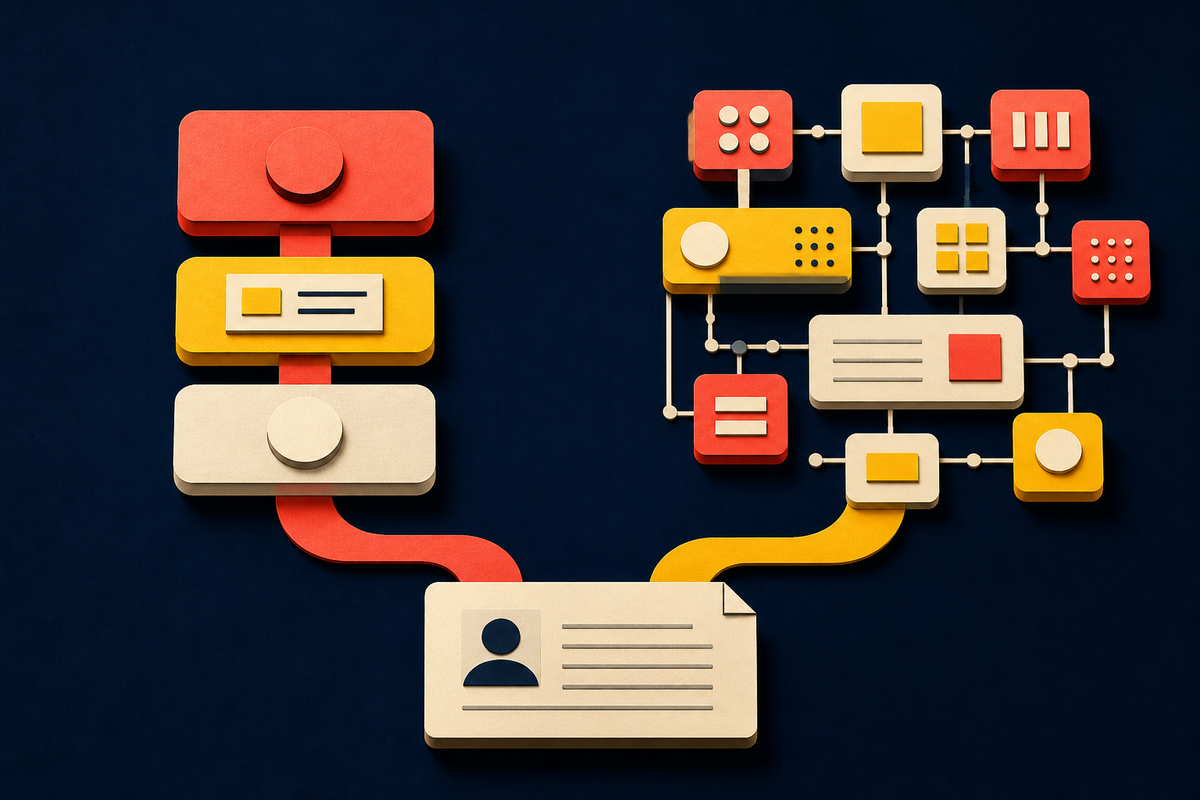
The Payroll Choice That Quietly Redesigns Your Company
Gusto makes payroll and core HR easy to price. Rippling asks buyers to assemble a broader operating system - and to get a quote before they know what it will cost.
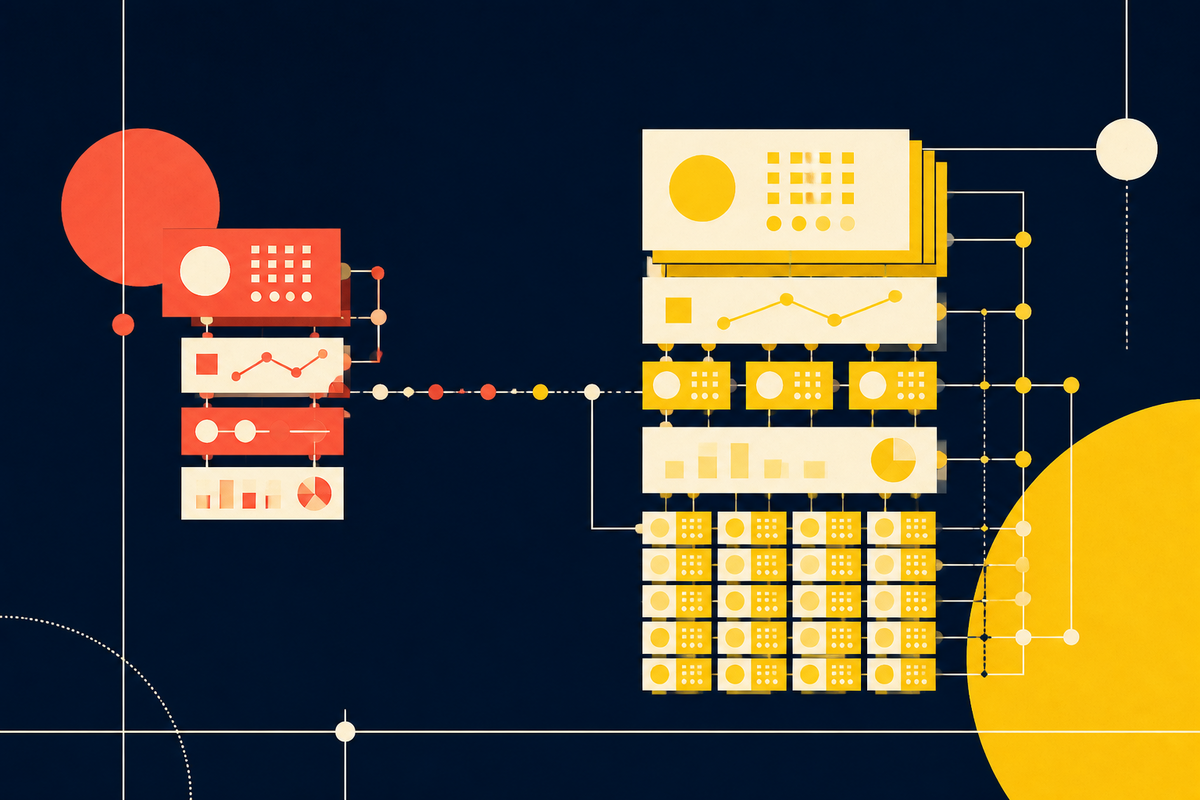
Zoho CRM Is HubSpot Without the Luxury Tax
Zoho can cost $14 per user per month against HubSpot Sales Hub Enterprise's $150 - less than one-tenth - while covering roughly 80% of the everyday CRM jobs in our 20-task rubric. It is not a like-for-like tier comparison, and that is exactly why buyers should price the workflow they need.

Six Help Desks, One Fight Over Who Pays for the AI
SolarWinds, Supportbench, Intercom, TOPdesk, Vision Helpdesk and BMC are chasing the same support ticket in 2026 - but the price you see is rarely the price you pay once the AI meter starts running.