rural-broadband
(13)
The Intern, the Long Wire and the Work of Connecting Montana
Jason Williams entered Blackfoot as a law-school intern and returned to lead it through a costly rural fiber conversion. His advantage is not technological bravado, but a lawyer’s patience for trade-offs and a willingness to say where the company arrived late.
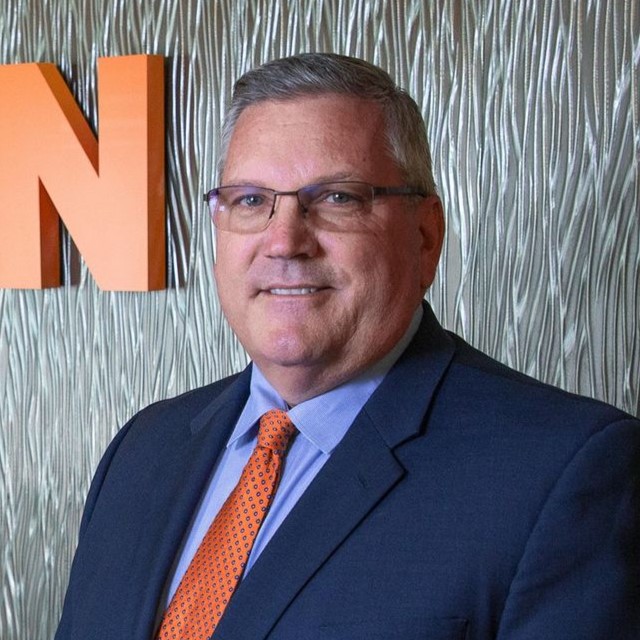
Scott Behn Counted a Year in Minutes
The former Aureon chief spent a career making invisible systems dependable. His favorite number was 525,600 - every minute a customer expected the network to work.
Point Broadband’s big bet on small-town internet
A $725.1 million debt deal and a merger with Clearwave Fiber have given Point Broadband room to grow. In Foley, Alabama, the work came down to new fiber, old cable boxes and teaching people to stream.

Range’s $4 Million Route to 58 Customers
In rural Wyoming, fast internet starts with an expensive stretch of dirt. Range is building for the neighbors at the end of it - and for a new fiber route from Denver to Chicago.
Calix's $2 Billion Bet: Stop Selling Speed, Start Selling the Experience
The old Calix sold boxes to phone companies. The new Calix gives 1,200-plus broadband providers a cloud, an AI workforce and a menu of services designed to make a commodity connection feel local again.

Danny Gardner Put Wi-Fi Where the Wires Run Out
A student project, a solar panel and a stubborn question became Mesh++. Danny Gardner’s routers travel lightly because the places that need a signal rarely come with convenient walls, wires or outlets.
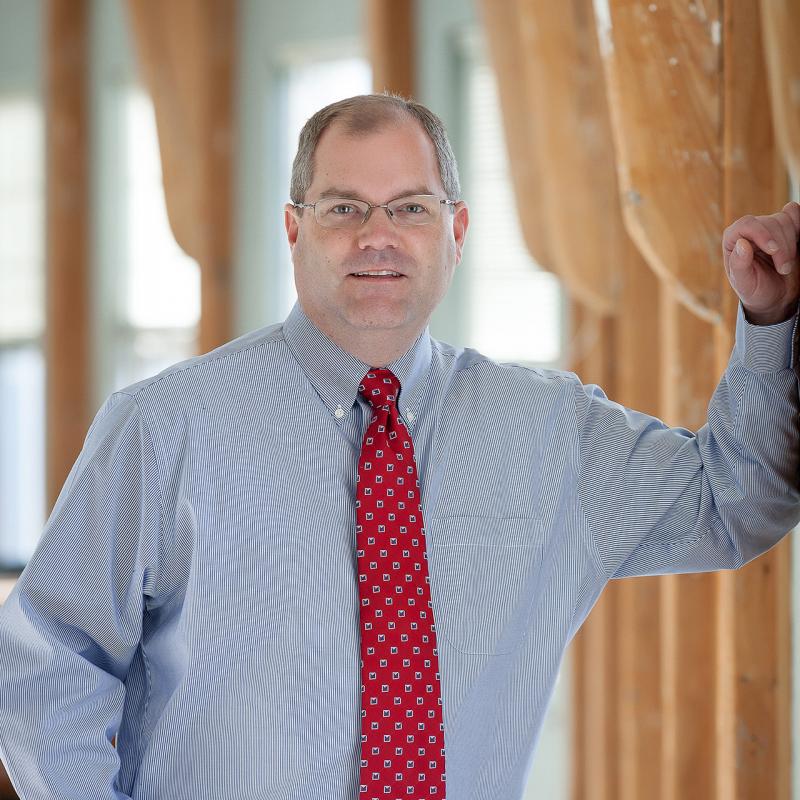
Jim McKenna Bet Maine's Last Mile Could Travel Through the Air
A former nuclear-submarine officer built a Maine internet company around one stubborn engineering belief: fiber should carry the distance, and wireless should finish the trip.
The Maine ISP Betting a Tower Can Beat a Trench - And Reach the Roads Fiber Skips
Redzone Wireless spent years proving that rural broadband does not always need a trench. Its wager is simple: use fiber where it helps, radio where wires get expensive, and keep a Maine support desk close enough to know what an ice storm does to a back road.
The Mississippi Telco That Ran Google's Fiber Playbook - And Kept the Whole State
How a Gulf Coast cellular start-up became the biggest privately held wireless carrier in America - by making towns compete to get fiber first, then wiring the rest of the state anyway.
The Little Carrier That Wired the Mountains for 35 Years - and Then Sold the Signal to Verizon
For 35 years a homegrown carrier from Wilkesboro put bars on the map where the big networks saw only blank terrain. In 2026 it agreed to hand the signal to Verizon - a small-carrier story about who actually pays to cover a mountain.

The Co-op That Wired the Backroads Before Big Telecom Bothered to Look
For seventy-plus years a member-owned co-op in Abbeville has been laying fiber down roads the big carriers ignored. When Hurricane Helene knocked the region offline, its offices became the place people went to charge a phone and find a signal.
The Texas Electric Co-op That Put a Battery Fleet Behind the Meter
Born to electrify farms that private utilities passed over, GVEC now links poles, fiber, thermostats and home batteries into one regional system. Its next trick is turning thousands of member-owned devices into useful capacity for the Texas grid.

Jase Wilson
Jase Wilson grew up in rural Missouri, earned a Master of City Planning from MIT, and has spent two decades trying to wire America together. After helping land Google Fiber's first network in Kansas City, founding and ultimately losing Neighborly - a civic fintech built on municipal bonds - he pivoted to Ready.net in 2019. Now, as founder and CEO, he runs a Y Combinator-backed vertical SaaS platform that helps state broadband offices manage billions in federal BEAD grants and track sub-grantee performance, with $14.6M in total funding and a team of 62.