retirement-planning
(37)
Trinidad and Tobago Unit Trust Corporation: A small stake, a bigger idea
UTC opened the market to small investors. Four decades later, a change to its oldest fund reveals how much the institution - and its customers - have grown up.
Pontera and the money on the other side of the wall
Your advisor can plan your retirement. Your employer’s 401(k) may still sit beyond reach. Pontera built a business in that awkward gap - and discovered that connecting the money means negotiating who gets to open the door.
SmartAsset’s real business begins after the calculator
Millions arrive with a money question. SmartAsset turns some of those questions into introductions to financial advisors - then sells the software to keep the conversation going.
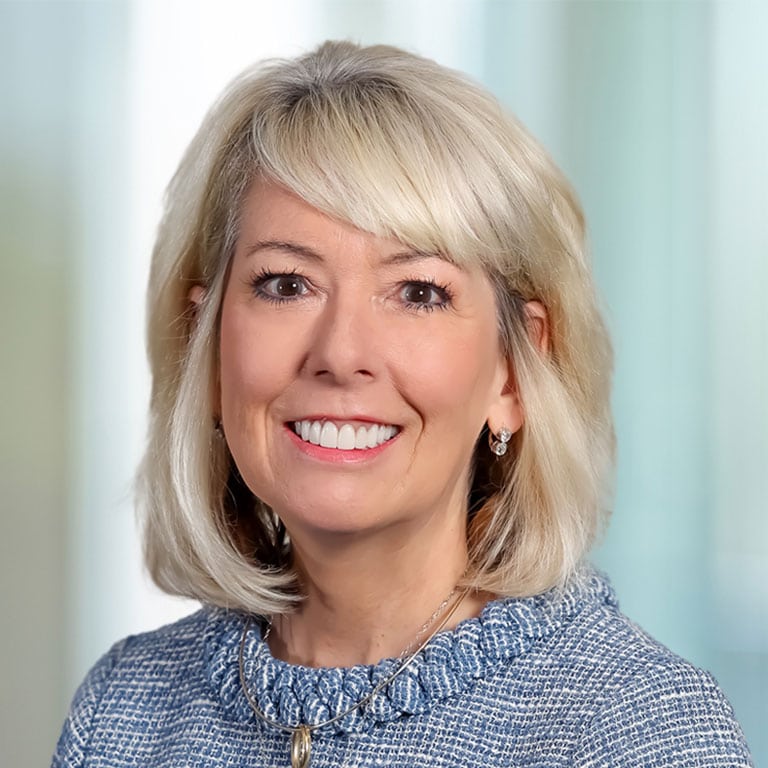
Betsy Palmer Makes Financial Action Feel Possible
From the Reagan White House to a newly independent financial brand, Betsy Palmer has built a career around one difficult craft: turning institutional complexity into a reason for people to act.
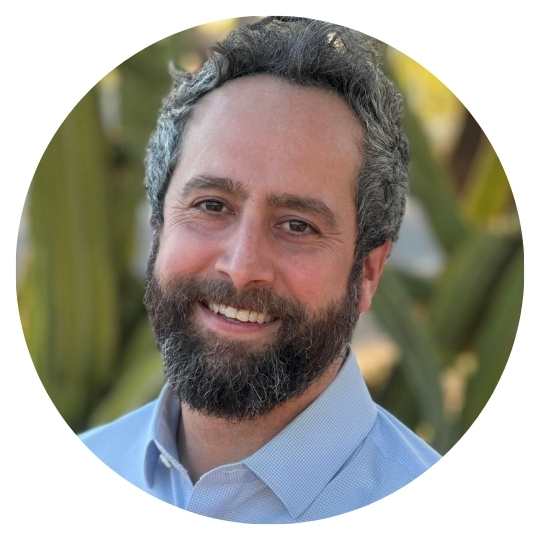
Raygar Khailany Is Turning the Financial Plan Into a Finished Product
After two decades helping advisors outsource the work around advice, the PlanScout co-founder made a sharper bet: the most useful planning software may arrive with people attached.
Manulife Had $1.3 Trillion - and One Missing Piece
The insurance-born money manager already had global reach, retirement distribution, and deep private-market roots. Its next act is a practical lesson in filling capability gaps without pretending scale solves everything.
Empire Life Spent 100 Years Selling Certainty. Now It Has to Sell Speed.
The Kingston insurer has C$20.8 billion in assets, a century of claims history and a fresh digital mandate. Its most interesting product is not another policy - it is the attempt to make old-fashioned reassurance feel fast.
Manulife Is Turning a 139-Year-Old Insurer Into a Health-and-Wealth Operating System
The Canadian insurer spent years untangling yesterday's promises. Now it is betting that the same customer needs protection, investing, banking and help living longer - and that one global balance sheet can serve them all.
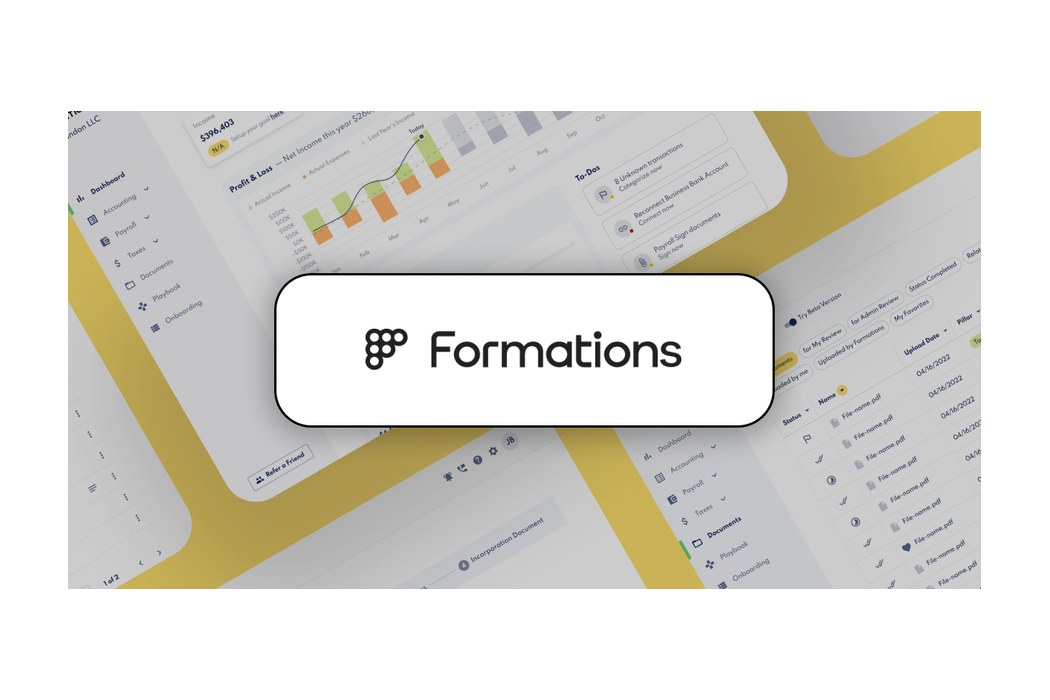
Formations Turns the Freelancer Tax Scramble Into a $350-a-Month Operating System
The Kirkland fintech bundles entity setup, bookkeeping, payroll and tax strategy into one annual commitment. For the right business of one, the prize is predictable taxes; for the wrong one, the cure can cost more than the headache.
The $1.7 Billion Wealth Firm That Sold the Plumbing - and Kept Its Name
US Financial Services spent three decades building a planning practice around life transitions. Then it made a counterintuitive succession move: join a larger platform, preserve the local brand, and turn the firm itself into a home for other advisers.

PlanScout Bought a 13-Year-Old Planning Engine - Then Turned 15 Hours of Advisor Work Into 3
Financial advisors have plenty of software and too little time. PlanScout's answer is a hybrid: buy the planning engine, add a human service layer, and return a client-ready plan in days.
The $4 Billion Freedom Bet: How XML Financial Group Built a Wealth Firm by Refusing to Build Alone
XML Financial Group escaped the big-bank playbook, then discovered that independence works better with infrastructure. Its repeatable trick is equal parts personal advice, succession planning and culture-first M&A.

The Startup That Chases Down America's $2.1 Trillion in Forgotten 401(k)s
Americans leave 401(k)s behind every time they switch jobs. Capitalize built a business on the phone calls, notaries and paperwork nobody wants to deal with.
The $160 Billion Middleman That Made Outsourcing Its Edge
Hartford Funds built a large investment business by deciding it did not need to do every job itself. Now Wellington Management plans to buy the platform it has helped power for four decades.

The $143,000 Bet That Turned a Basement IMO Into Advisors’ Back Office
Advisors Excel began with three friends, a dentist-office basement and their pooled savings. Two decades later, its real product is not an annuity - it is the machinery that lets an independent advisor run like a much larger firm.
The $1.7 Billion Reason Guardian Life Still Believes in an Old-Fashioned Idea
Guardian Life has spent 165 years selling protection against life’s worst timing. Its mutual structure now pairs a record policyholder payout with the less glamorous work of making benefits, claims and leave easier to use.

The Life Insurer That Would Rather You Stay Alive
At 164, John Hancock is recasting the oldest bargain in insurance: instead of waiting to pay after death, it rewards customers for living better now. The experiment links life insurance to wearables, cancer screening, longevity research and a growing stack of health technology.
The Discount Broker That Became Wall Street's $13 Trillion Operating System
Charles Schwab spent half a century making investing cheaper. Now its harder trick is making a brokerage, bank, adviser, custodian and trading machine feel like one calm place to keep a financial life.
IRA Financial
IRA Financial built its name helping retirement savers buy the things ordinary brokerage menus leave out. Now it is stitching real estate, crypto, private companies and public markets into one account - while asking customers to take on the judgment that freedom requires.
Advanta IRA
Advanta IRA gives retirement savers a way to put houses, private loans, gold and startup stakes inside tax-advantaged accounts. The freedom is real - and so is the paperwork.

Horace Mann
Horace Mann built an 80-year business by studying one customer more closely than most insurers study a market. Its wager is that understanding the financial life of a teacher - from the school parking lot to retirement - can still be a durable advantage.

Raymond James
A firm that started in a downtown St. Petersburg apartment now watches over $1.92 trillion - and it still measures itself one advisor and one client at a time.

Oppenheimer & Co. Inc.
A 140-year-old Wall Street house that never grew into a giant - and turned staying mid-sized into the whole pitch.
Mercer
Mercer built an 80-year business around decisions companies cannot afford to guess at - what to pay, which benefits to fund, how to redesign work and where to invest retirement money. Now its vast store of workforce data is becoming a product in its own right.
Equitable
Equitable has spent 167 years selling certainty. Now it is redesigning itself around advice, assets and a proposed merger that would put $1.5 trillion under one roof.

Principal Financial Group
Principal began by selling affordable life insurance to bankers in 1879. Today, its quiet advantage is a workplace-to-wealth pipeline that reaches millions of people before they ever choose a financial brand for themselves.
Vanguard
For fifty years, Vanguard turned a strange ownership structure and a suspicion of fees into an investing machine for ordinary savers. Its next act mixes index discipline with advice, AI tools and private markets - without losing the low-cost bargain that made it matter.

Sun Life
Sun Life spent 160 years learning how to price the future. Now it is turning that patience into a three-part business spanning protection, workplace health and global asset management.
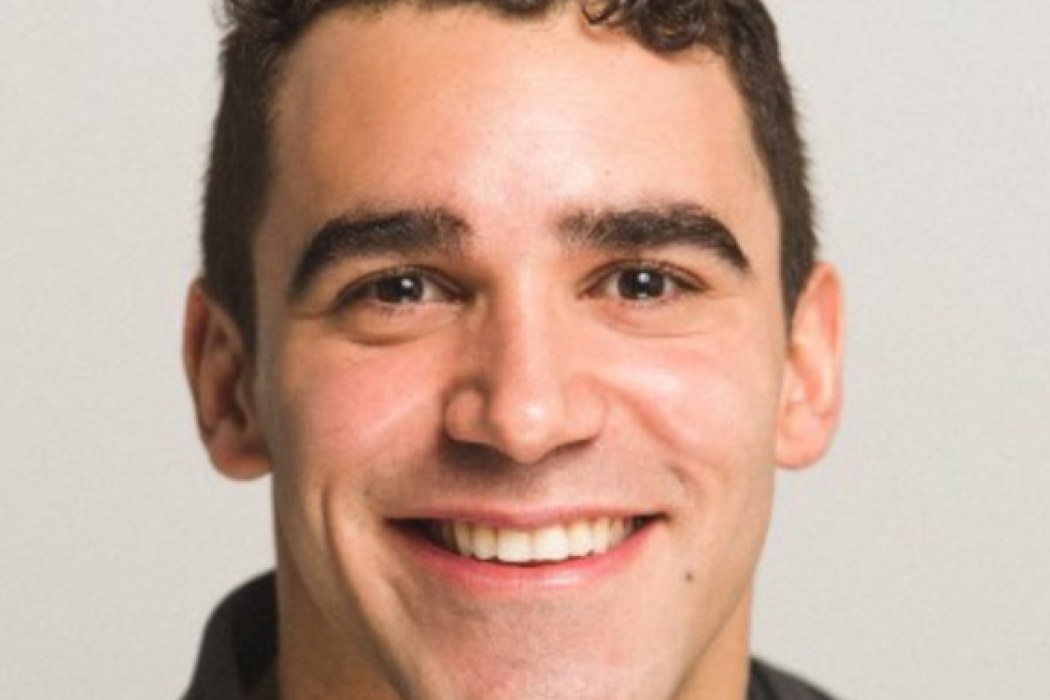
Trevor Gary
Trevor Gary is the founder and CEO of Micruity, a retirement-income infrastructure company that connects 401(k) recordkeepers, asset managers and insurers so plans can offer annuities and pension-style lifetime income. A former pension actuary at Deloitte Canada, Gary saw firsthand how the shift from defined-benefit pensions to 401(k) plans left millions of Americans without guaranteed income in retirement. He founded Micruity in 2017-2018 to build the data conduit that makes lifetime-income products work at scale. The company has raised roughly $27 million from a roster of insurance and financial heavyweights including Prudential, TIAA, State Street, Nationwide, J.P. Morgan Asset Management and Pacific Life.
Zoe Financial
Zoe Financial is a New York-based wealthtech company that connects individuals and families with vetted, independent fiduciary financial advisors while giving those advisors an all-in-one platform to run their practices. Founded in 2018 by former J.P. Morgan executive Andres Garcia-Amaya, Zoe pairs a rigorous advisor-matching service - it screens out roughly 95% of applicant advisors - with wealth-management software that handles account opening, funding, automated rebalancing, tax-efficient investing, direct indexing, and commission-free fractional trading. The company raised a $29.6M Series B in 2025 led by Sageview Capital, bringing total funding to about $45M.