remote-sensing
(10)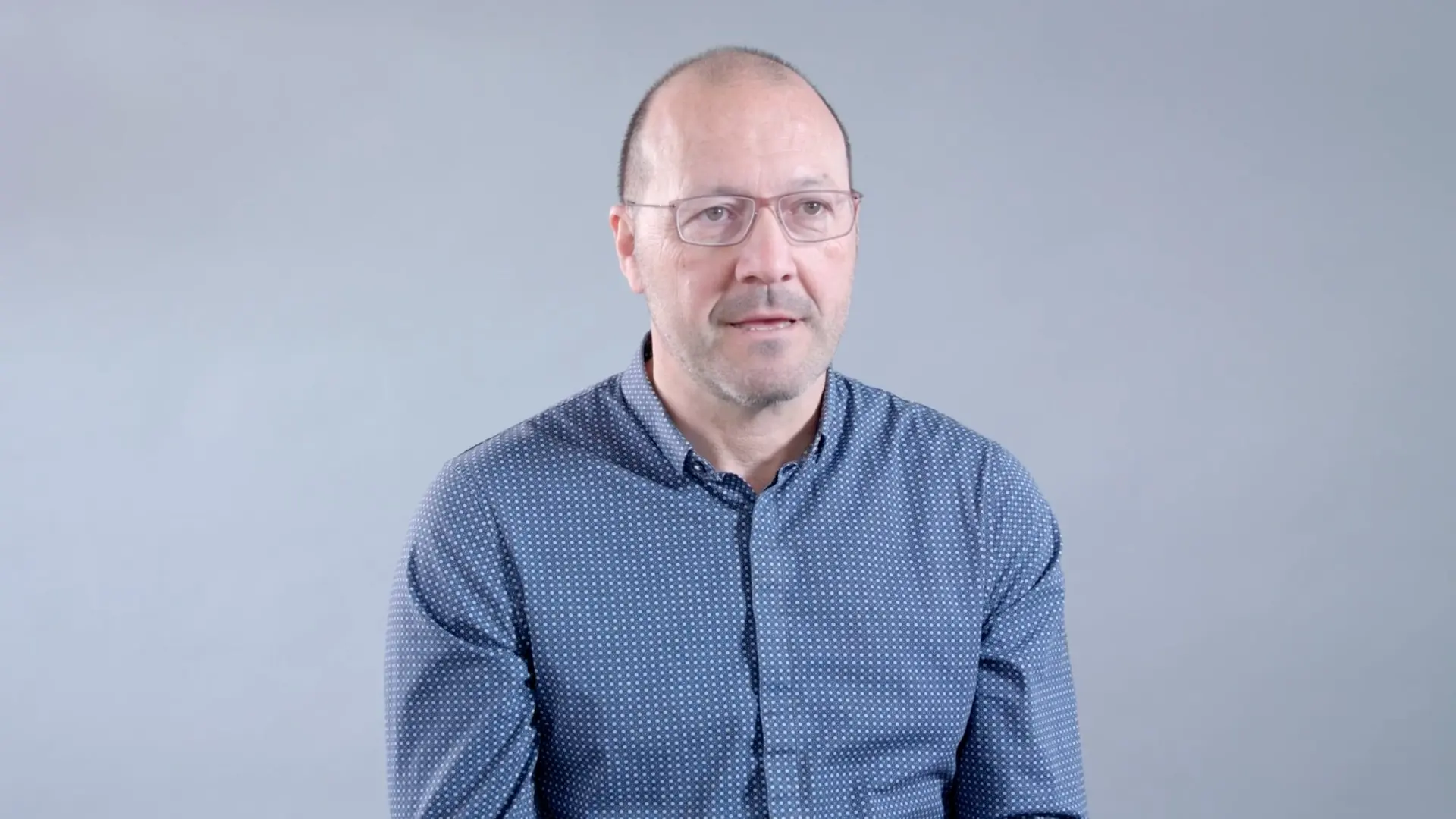
Javier Marti Wants to Build the Google Maps of Water
After satellites, a desert observatory and a continent-sized climate project, the Spanish engineer chose a harder map to draw: water in motion. His Boulder company, Divirod, is turning reflected navigation signals into an early-warning layer for a wetter, less predictable world.
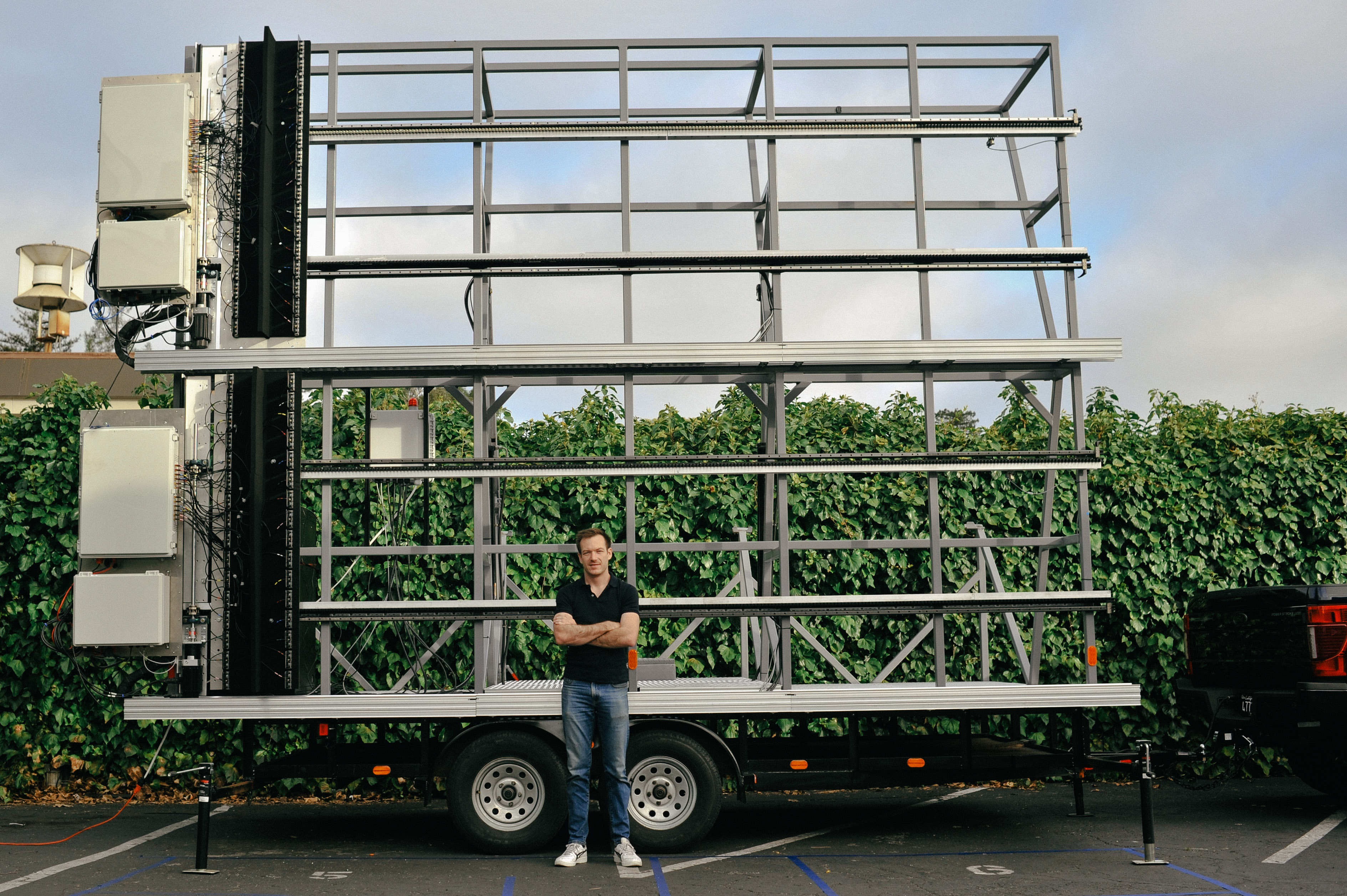
Andrew Peterson Is Turning Radar Satellites Into a Team Sport
The aerospace engineer behind Array Labs wants clusters of modest satellites to see more than one exquisite machine ever could. His bet is equal parts radar physics, manufacturing discipline and a founder’s reluctant conversion to sales.
Rema Matevosyan
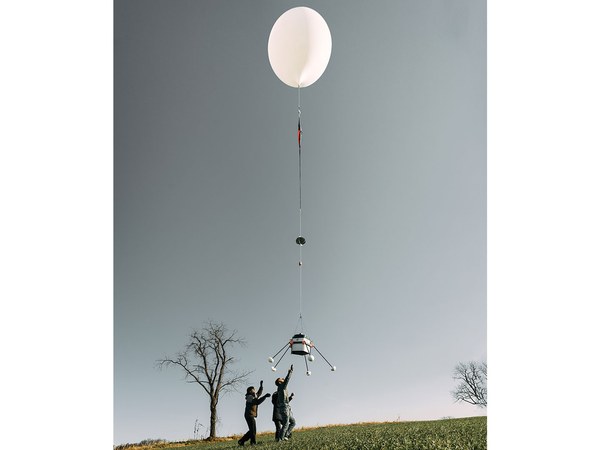
Rema (Hripsime) Matevosyan is the co-founder and CEO of Near Space Labs, a Brooklyn-based company that flies helium-lifted robotic aircraft called Swift into the stratosphere to photograph the Earth at 7-centimeter resolution. Born and educated in Armenia, trained as an applied mathematician in Moscow, she left a PhD program two weeks into an entrepreneurship class to build what she calls her own little space program. In April 2025 the company closed a $20M Series B led by Bold Capital Partners, bringing total funding above $40M, with insurance carriers as anchor customers using the imagery to model wildfire and hurricane damage.
Josiah Gruber
Josiah Gruber is the CEO of Scout Space, a Reston, Virginia company building sensors and software to detect, track and characterize objects in orbit. An optical and RF remote-sensing engineer with more than 15 years of hands-on experience, he joined Scout in 2023 as an engineer, rose to VP of Engineering and then CTO, and took the top job in late 2025. Under his leadership Scout raised an $18M Series A in May 2026 and is putting its Owl optical payload on the inaugural flight of Blue Origin's Blue Ring spacecraft.
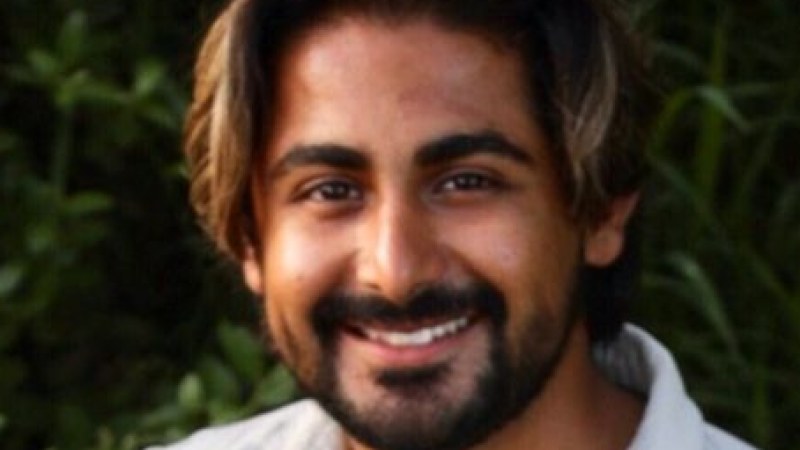
Saif Bhatti
Saif Bhatti is the founder and CEO of Renoster, an Austin-based carbon credit ratings agency that uses remote sensing and open science to grade nature-based carbon projects on whether they actually remove carbon. He started the company in 2019 as anti-poaching technology - a device that listens for gunshots on the African savanna to protect rhinos - and pivoted it into one of the sharpest, most independent watchdogs in the voluntary carbon market. A Northwestern-trained industrial engineer and philosopher turned data scientist, he has helped review hundreds of millions of credits and published deep-transparency reports that have rattled some of the world's largest carbon projects.
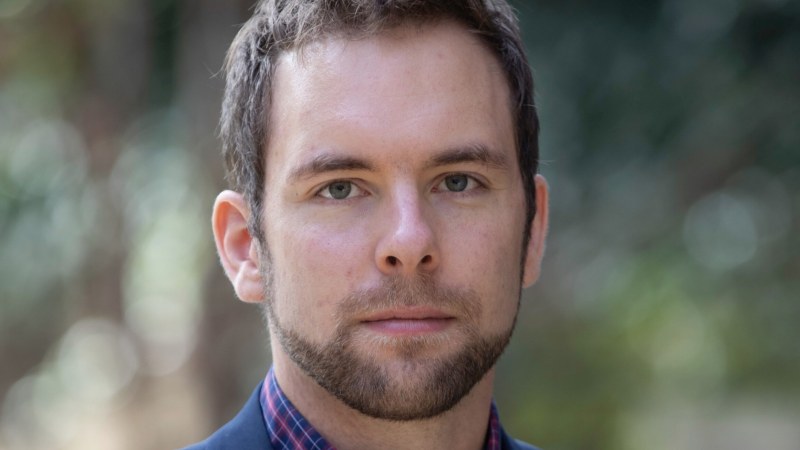
Max Nova
Max Nova is the co-founder of NCX (Natural Capital Exchange), a San Francisco climate-tech company that counts every tree in America with satellites and machine learning, then pays forest owners to keep them standing. A Louisville-born, Yale-trained computer scientist who once planned to be a radiologist, he started the company as SilviaTerra in 2010 with forester Zack Parisa, built the first high-resolution forest inventory of the entire United States with Microsoft, and turned that data into a marketplace for carbon, wildlife habitat, and fire risk. NCX has raised about $74 million, including a $50M Series B backed by Salesforce's Marc Benioff.
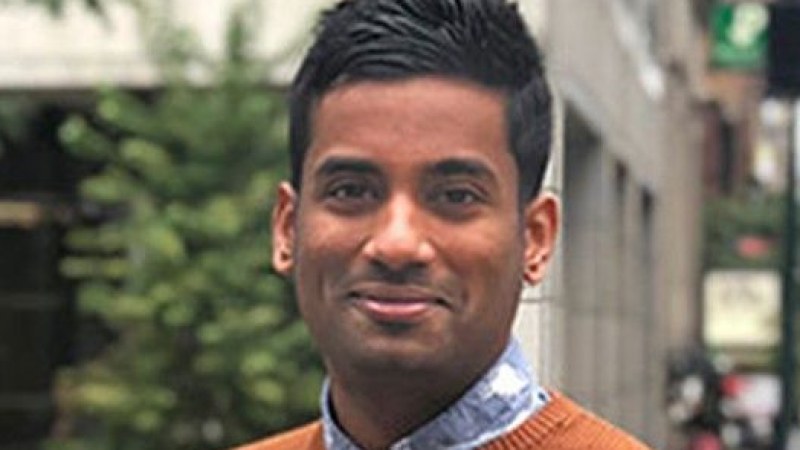
Vishnu Sridhar
Vishnu Sridhar is the Cofounder and CEO of Matter Intelligence, a deep-tech startup building ultraspectral satellite sensors and geospatial AI to map the planet at molecular resolution. A Queens-raised Indian American engineer, Sridhar spent years at NASA's Jet Propulsion Laboratory as Cognizant Engineer for the SuperCam instrument aboard the Mars Perseverance rover and as Flight Director for the Opportunity rover before pivoting to commercialize the same sensor physics for Earth. Matter Intelligence emerged from stealth in October 2024 with $12M in seed funding backed by Lowercarbon Capital, Toyota Ventures, and Mark Cuban, building toward EARTH-1, a satellite that will deliver more than 500x the information density of existing sensors.
Chris Biddy
Chris Biddy is the Co-Founder and CEO of Astro Digital, a California-founded aerospace company that has delivered 35+ satellites and operates 10+ missions in orbit. A mechanical engineer by training (M.S., Cal Poly San Luis Obispo), Biddy steered Astro Digital from an Earth observation startup into a full Mission-as-a-Service platform - cutting the cost, schedule risk, and complexity barrier for organizations wanting to put hardware in space. He previously led engineering at Canopus Systems, and has been active in the commercial smallsat movement since its early commercial days.
John Dean
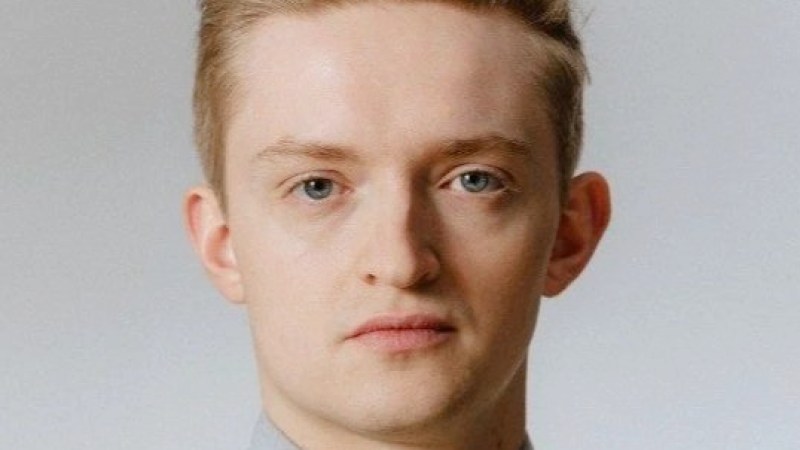
John Dean is the Cofounder and CEO of WindBorne Systems, a Redwood City, California-based company operating the world's largest constellation of autonomous long-duration weather balloons. A Stanford electrical engineering graduate and former intern at SpaceX, NASA, and Lyft, Dean co-founded WindBorne in 2019 out of Stanford's Student Space Initiative after breaking four world records as undergraduates. The company raised a $15 million Series A led by Khosla Ventures in 2024, and its WeatherMesh AI model surpassed Google DeepMind's GraphCast as the most accurate global weather forecasting model, running on a fraction of the compute power. WindBorne's balloons have flown into Hurricane Milton and have set a new benchmark for how atmospheric data is collected at scale.
Ramsey Masri
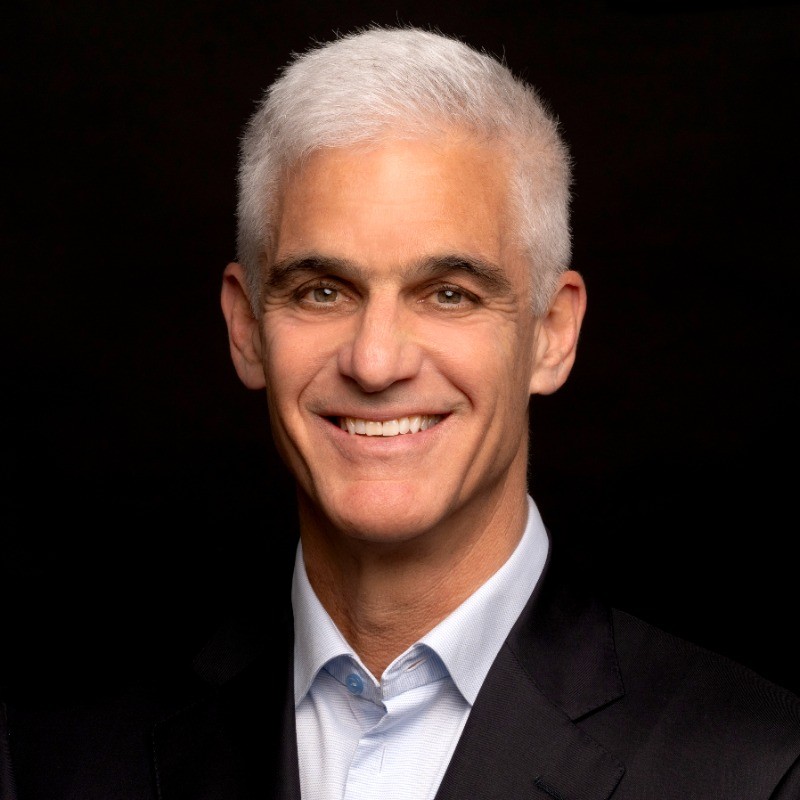
Ramsey Masri is the CEO of Ceres AI (formerly Ceres Imaging), an Oakland-based agricultural intelligence platform that has analyzed over 17 billion plant-level measurements across 32 million acres and 40+ crop types worldwide. A UC Berkeley graduate who grew up on a family farm in Peru and spent 20 years as a California grape grower in Napa Valley, Masri bridges the worlds of technology, data analytics, and hands-on farming. Before Ceres, he served as COO at Zendrive and spent his early career at Oracle working under Larry Ellison, Ray Lane, and Tom Siebel. Under his leadership, Ceres rebranded as Ceres AI, raised a $13M Series D round led by Remus Capital in 2024-2025, was named to TIME Magazine's 2024 Top GreenTech Companies list, and made history by appointing the first AI board member in the agriculture industry.