product-launches
(26)
The Agency That Makes Wolf Eyes Sell Dog Food
Brighton Agency built its reputation in categories where the product is complicated, the audience is skeptical and a clever slogan is not enough. Its best trick is not decoration. It is translation.
The Agency That Learned to Sell the Missing Photograph
MBE Group makes its best case in the moments when the usual marketing machinery breaks. No photographs, a dormant audience, a blog nobody reads - those constraints reveal what this Detroit-area agency actually sells: a better way to see the problem.

The Agency at the Edge of the Map Found the Center of the Sale
From a Mississippi River office, Red Letter turns awkward market evidence into campaigns for toolmakers, tourist towns and working brands. Its trick is less mystical than most agency talk: notice what customers are already telling you, then build the whole machine around it.

Rainier Communications Makes the Complicated Sound Inevitable
For three decades, a small Massachusetts agency has made a business of translating inventions before the market knows what to call them. Its trick is less about publicity than choosing the one idea everyone else will repeat.
The PR Firm That Learned to Outrun a Movie
A telecom founder named his accidental agency after a novel, watched Hollywood bury it in search, and built a durable business out of making complicated products easy to talk about.
JFK Communications Knows the Most Dangerous Word in Health PR Is ‘Breakthrough’
The boutique agency built a business around a hard editorial problem: making consequential science clear without making it careless.
Skyya and the Seven-Day Story Machine
A small communications agency found its lane where machines, markets and public policy collide. Its trick is to turn difficult technology into a story people can repeat - then concentrate attention into a very short window.
The Publicists Who Waited Nine Months for Launch Day
Cliffhanger sells attention, but its real product is sequence: the right reviewer, expert, headline and audience arriving in the right order.
BML Public Relations Built a Newsroom Out of Strange Ideas
A $300 press release became an agency that sells earned attention. Its best work starts with a peculiar question: what would make a reporter tell this story without being paid to?

The Hot Dog Nobody Wanted - and the PR Firm That Wouldn’t Stop Pitching It
Light Years Ahead spent months pitching a client’s worst-selling product. One article later, a two-person company had 7,500 orders - and a crash course in the dangerous difference between attention and readiness.
The PR Firm That Made an Old Town New by Giving It to the Dogs
Carmel-by-the-Sea had charm, rivals and almost nothing new to announce. Graham & Associates found the story hiding under the restaurant table - then built a 21-year award trail around the same discipline: make the familiar newly interesting.

The Quiet Machine Behind Technology's Loudest Moments
For 35 years, a compact Campbell agency has translated technical complexity into reviews, launches, headlines and trust. Its real product is not publicity. It is a reason for the market to care.

The PR Firm That Learned to Sell Cannabis Without Buying the Ad
Cannabis companies cannot reliably buy the same attention as ordinary consumer brands. Kip Morrison & Associates built a second act by turning that handicap into a newsroom problem - then pitching its way around it.
The PR Shop That Treats One Story Like Twenty
From an office near the Pacific, a former foreign correspondent built a small tech agency around a useful heresy: the press hit is not the finish line. It is raw material.
Bhava Found a Better Way to Launch Tech: Prove the Problem First
A small San Francisco agency has spent 15 years translating difficult technology into stories people can repeat. Its neatest trick is simple: before announcing the answer, prove the problem is real.
The PR Firm Named for a Woman and Her Chocolate Labrador
Brown + Dutch has spent three decades making unfamiliar products legible. Its method begins with a buyer, a vivid phrase and a stubborn belief that publicity should show its arithmetic.
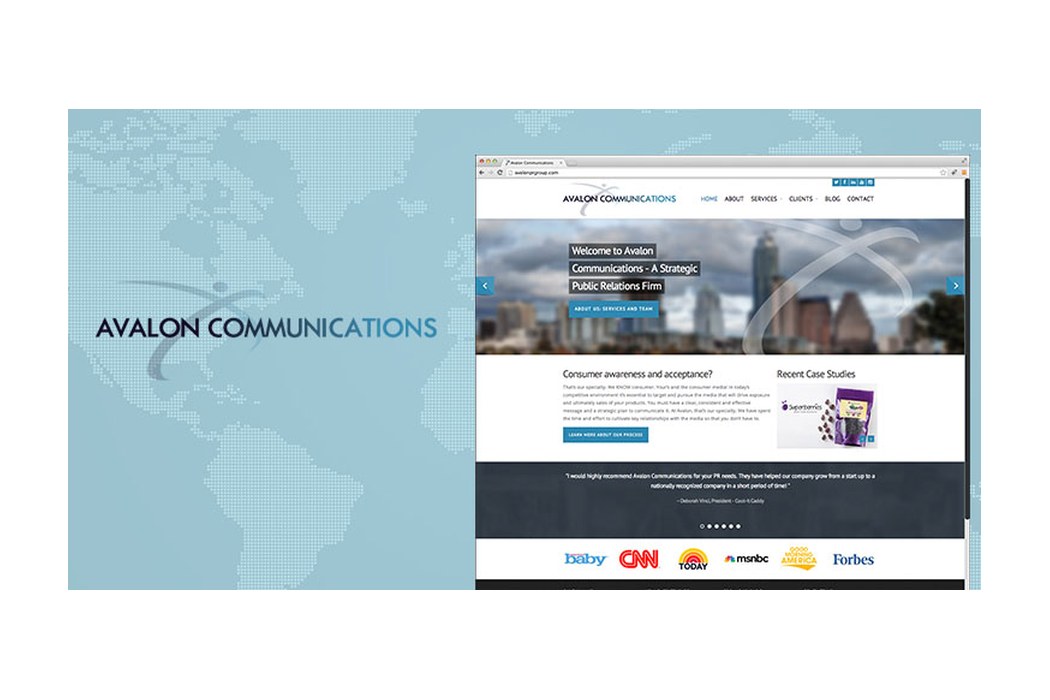
Avalon Communications and the art of making a bike lock interesting
A burrito-sized bike lock, bedtime products for dogs, and a better way to open a can. Avalon Communications’ public work shows how a useful product detail becomes a story someone might actually read.
The Concept Agency and the art of explaining a knuckle
A touchscreen that knew how you touched it. A camera with a summer-vacation pitch. The Concept Agency’s technology work offers a useful lesson in making unfamiliar products feel understandable.
JPR Communications makes the server room worth talking about
Storage arrays rarely sell themselves. JPR Communications has built a specialist PR business around explaining why the technology behind the scenes deserves a place in the buying conversation.
A game needs a launch. It also needs someone to explain the delay.
ONE PR Studio brings publisher-side experience to the business of getting games understood. Its work lives between the reveal, the review, and the awkward update nobody wanted to send.
Agency Guacamole knows beauty has to survive the shipping truck
Behind the creator posts and pink-lit parties is a surprisingly physical business. Agency Guacamole brings beauty PR, influencer relationships and the packing bench under one roof.
The Key PR knows your customers have the better story
A San Francisco agency finds its best material in the people already using a product. Its work for Discord, Shopkick and Descript shows what happens when publicity starts with evidence.
VenturePR knows how to get you noticed. Then comes the hard part.
From the rabbit r1 launch to years of legal analytics coverage, Venture Public Relations sells a scarce skill: finding the story a journalist can use. Its client work also reveals the distance between winning attention and earning lasting trust.

OrbitalSling gets the CEO out of the website
A B2B agency’s most revealing work happens behind the campaign: giving marketers the keys, untangling technical stories, and getting a launch out the door.
Innovative PR knows where beauty gets noticed
A Malibu beach house, a box in the mail, a hairstylist’s moment in the spotlight. Jennifer Betts’s agency builds beauty campaigns around the places and people that make a product worth talking about.
Kerala’s startup club puts a price on better conversation
Kerala Product Hunt grew from a college WhatsApp group into a community of more than 1,000 builders. Its wager: people will pay for a room where someone actually reads the product link.