point-of-care-diagnostics
(9)
Orange Biomed Bet Its A1C Test on One Weird Fact: Sugar Makes Blood Cells Stiff
A Duke-born startup turned the stiffness of red blood cells into a pocket-size diabetes test. The science is clever; the harder experiment is getting a regulated device from a five-minute demo into millions of homes.

The St. Louis Startup Giving Away Its Pandemic-Detecting Breakthrough
Two brothers, a sensor the size of a credit-card chip, and a $20 million bet from Vitalik Buterin - Varro wants to catch the next pandemic in 60 seconds, then hand the recipe to the world.

Semler Scientific
One company, two ledgers: a five-minute artery test that scans for hidden vascular disease, and a corporate treasury that traded idle cash for Bitcoin.

Digital Diagnostics
Digital Diagnostics is a Coralville, Iowa healthcare AI company that builds autonomous - not assistive - diagnostic systems that make a clinical decision without a physician reviewing the result. Its flagship product, LumineticsCore (formerly IDx-DR), was the first medical device of any kind to receive FDA authorization to make an autonomous diagnosis: it screens for diabetic retinopathy from retinal images at the point of care in primary care offices, no eye specialist required. Founded in 2010 by retina specialist and computer engineer Dr. Michael Abramoff, the company has raised more than $130 million to expand autonomous AI into new disease areas.

Craig Davis
Craig Davis is the President and CEO of NovaScan, a Chicago-based clinical-stage oncology company building a low-cost, point-of-care platform that uses bioimpedance and machine learning to detect and stratify cancer in real time. A medtech executive and investor with more than two decades of experience, he has raised over $20 million for NovaScan, secured a CPRIT grant, and helped steer clinical trials in skin, lung, breast, GI and pancreatic cancers. Earlier in his career he helped shape companies including New Aera (acquired by Inogen), Merge Healthcare (IPO; later acquired by IBM), and OrthoScan, and was a partner at healthcare investment bank Healthios.

Brianna Wronko-Stevens
Brianna Wronko-Stevens is a University of Pennsylvania-trained bioengineer who turned a senior design project into HueDx (formerly Group K Diagnostics), a Philadelphia diagnostics company that reads lab-grade results off a color-changing card and a smartphone camera - no lab, no reader, no waiting days. Inspired by an HIV clinic internship at 17, she built a platform to deliver fast, quantitative results to the patients who can least afford to wait. She founded the company in 2017, served as CEO through a 2023 rebrand and raised millions in funding, then stepped into the Chief Scientific Officer seat to focus on the science.
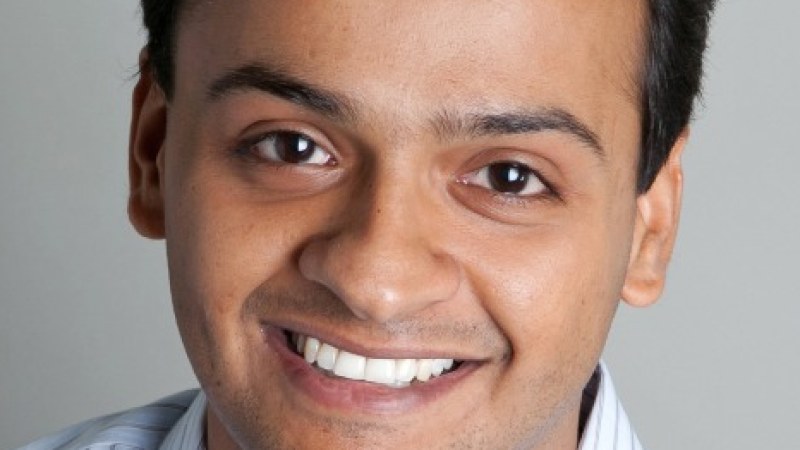
Abhishek Ramkumar
Abhishek Ramkumar is the founder and CEO of Abram Scientific, a Menlo Park medtech company building CoagCare, a handheld point-of-care platform that reads the full blood-clotting story from a single drop in under ten minutes. A biomedical engineer with a PhD from Cornell and a B.Tech from IIT Bombay, he spent years at PARC and Blue Highway inventing diagnostic and surgical devices before turning a hard physics problem - measuring blood viscoelasticity and density in a vibration-proof wireless meter - into 17 granted patents and an $11.75M Series A led by Octapharma in 2026. His pitch is simple and life-or-death: get the right transfusion to the right patient at the right time, whether that patient is on an operating table or in a MEDEVAC helicopter.
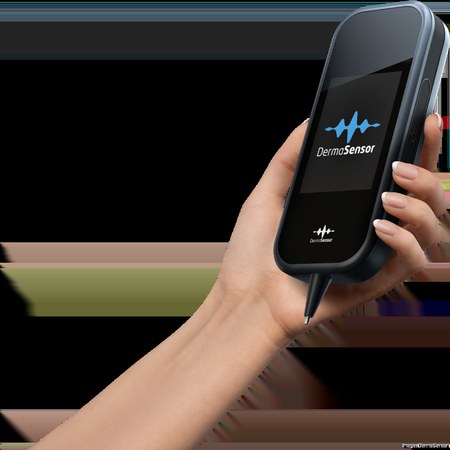
DermaSensor, Inc.
DermaSensor is a Miami-based medical device company that makes the first FDA-cleared, AI-powered handheld device for detecting all three common skin cancers - melanoma, basal cell carcinoma, and squamous cell carcinoma - at the point of care. Using elastic scattering spectroscopy and a machine learning algorithm trained on thousands of biopsy-confirmed lesions, the device gives primary care physicians a real-time, non-invasive read on whether a suspicious skin lesion warrants further evaluation, helping close the gap created by a shortage of dermatologists.
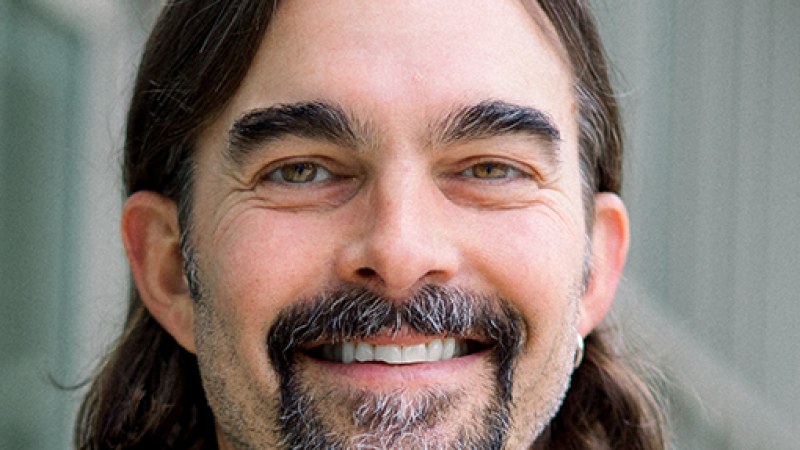
Michael McShane
Michael (Mike) J. McShane is a biomedical engineer who has spent close to 25 years trying to put readable chemistry under the skin. As James J. Cain Professor II and head of the Department of Biomedical Engineering at Texas A&M University, he builds injectable, biomaterials-based optical biosensors - often called 'smart tattoos' - that glow in response to glucose, oxygen and other body chemistries so doctors can monitor patients continuously and minimally invasively. A Fellow of IEEE, SPIE, BMES and AIMBE, past president of the IEEE Sensors Council and founding chair of the IEEE BioSensors conference, he won the 2012 NIH Director's Transformative Research Award and the 2023 IEEE Sensors Council Technical Achievement Award.