physician-founder
(13)
Henry Hsu Has Spent a Career Turning Small Molecules Into Big Decisions
The physician-founder behind Allysta learned biotech from the least glamorous end: protocols, partnerships and the long distance between a promising mechanism and a credible medicine.
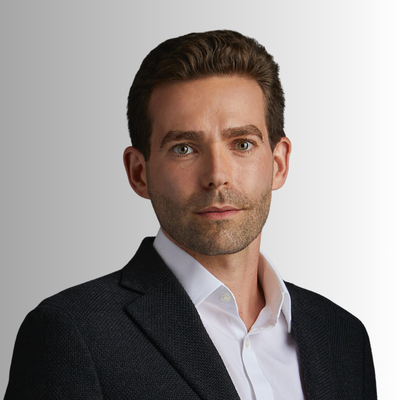
Oliver Keown Left the Balcony to Rebuild the Operating Room
After years studying surgery from the clinic, the policy room, and the venture fund, Oliver Keown made a costlier bet: own the centers, write the software, and make the system answer to outcomes.
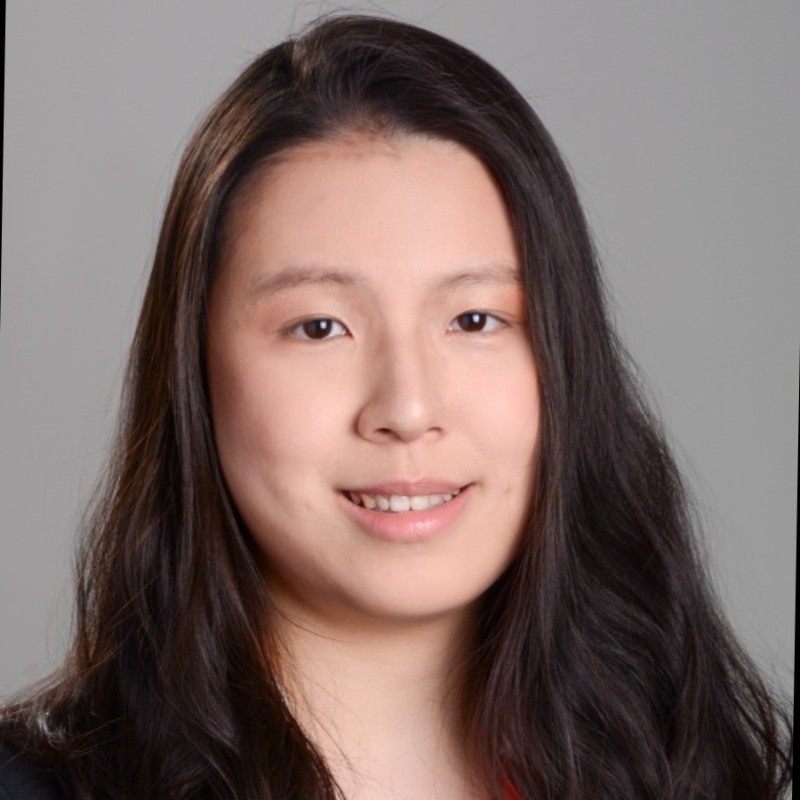
Cathleen Kuo Is Teaching Machines to Listen Before Hospitals Speak
A Taiwan-born physician with more than 200 research publications left the expected path to build Opalite Health. Her wager is simple: in a room full of medical technology, the most important tool may be the one that helps two people understand each other.
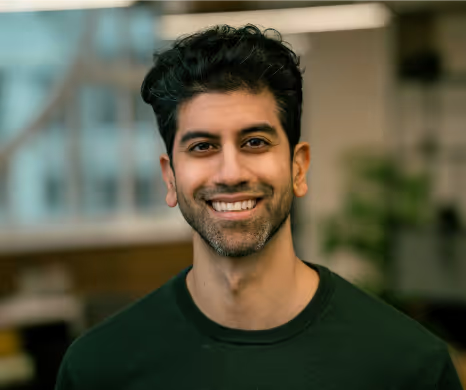
Ashish Mandavia Is Fixing the Six-Second Moment Before Care Begins
A physician left the ward, learned the machinery of growth, and found his company in healthcare's overlooked doorway. Now Sohar Health is turning insurance verification from a waiting game into infrastructure.

Roohi Jeelani Is Building the Clinic She Wishes the System Had Designed
The physician-scientist spent years studying the gaps between research, clinics and patients. At Onto Health, she is turning those observations into an operating model - one deliberate fix at a time.
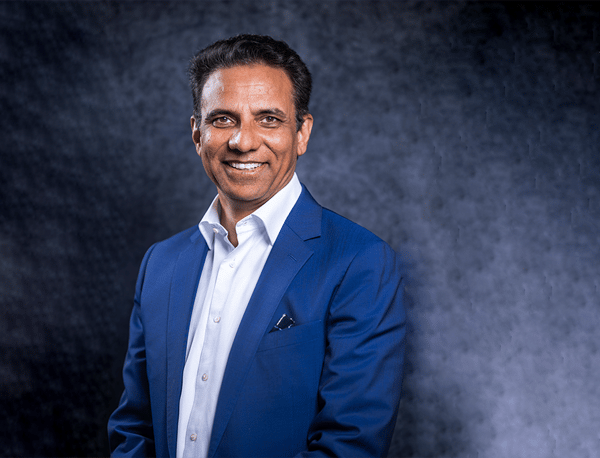
Sanjiv Lakhanpal Saw a Blind Spot. Then He Built 130 Clinics Around It.
A surgeon trained in India and the United States turned an overlooked corner of medicine into a national outpatient network. His playbook is equal parts specialization, repetition, physician leadership, and an insistence that the patient remains the core stakeholder.
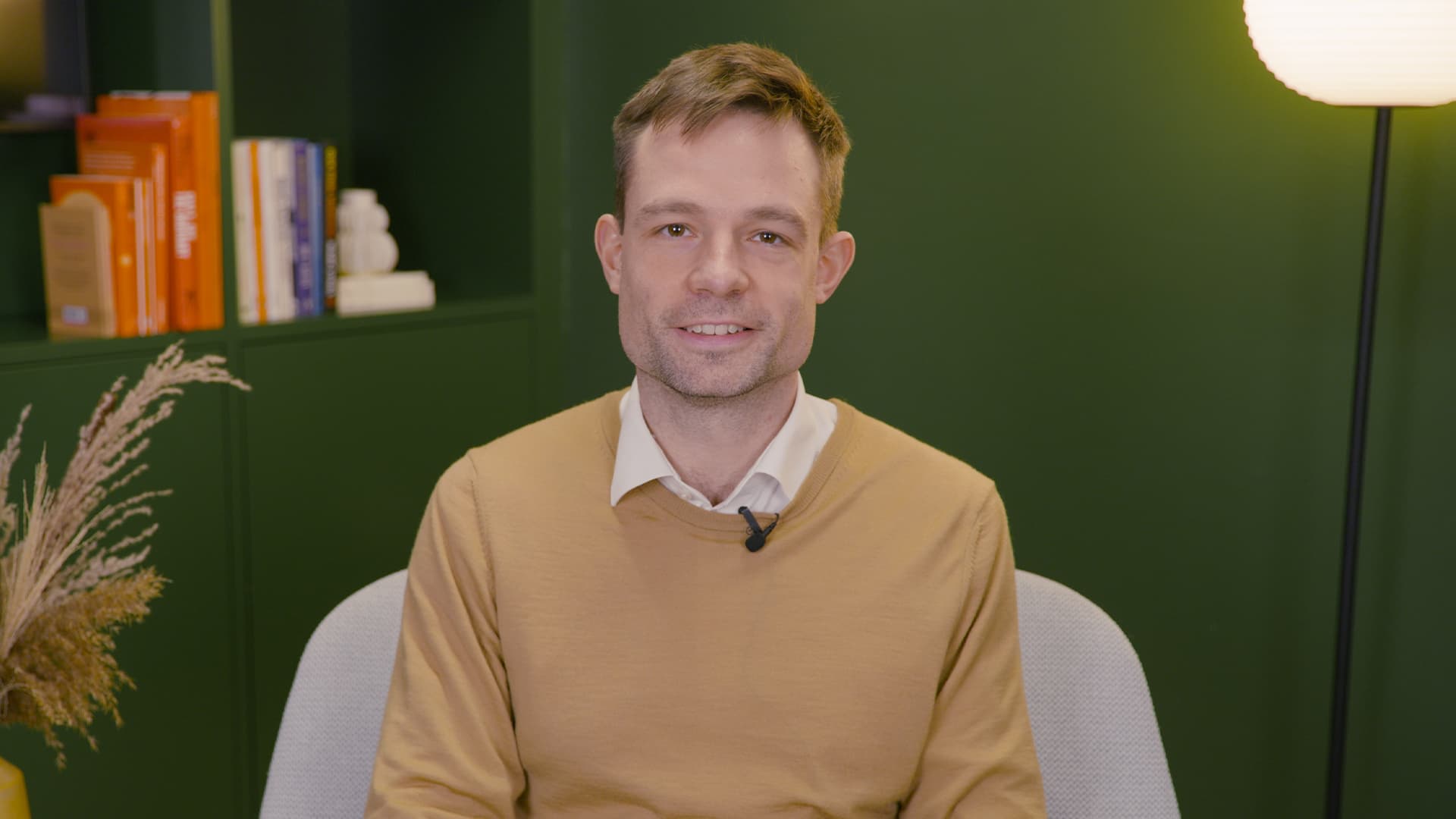
Nicholas Syhler Spent €1 Million Learning When to Change Course
The Danish doctor built carefully, watched the market reward shortcuts, and crossed an ocean to find a business model that fit. His useful lesson is not about persistence alone - it is about knowing what must stay fixed when everything else changes.
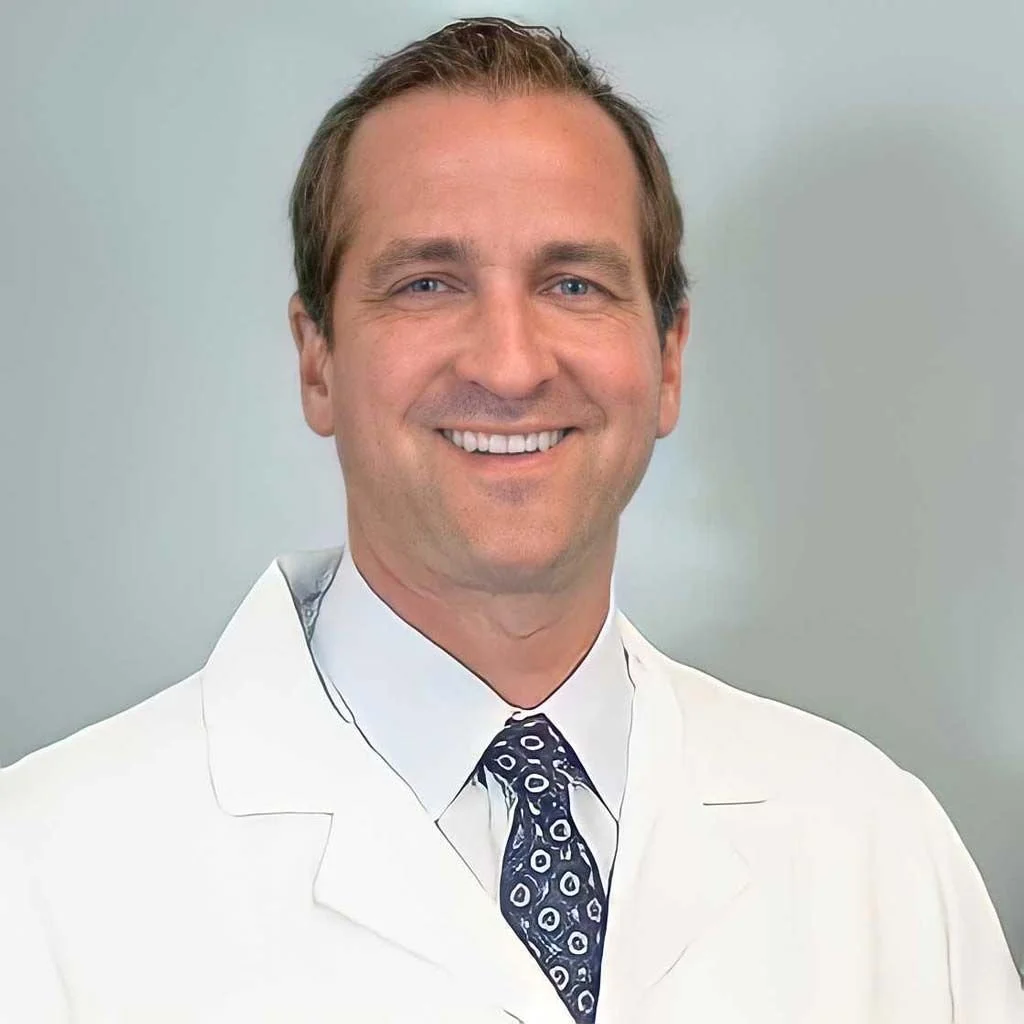
Michael Gardner Is Building a Second Operating System
After two decades inside academic medicine, the Stanford professor and MyBackHub CEO is applying a surgeon’s discipline to a founder’s problem: turning expertise into a system that can travel.
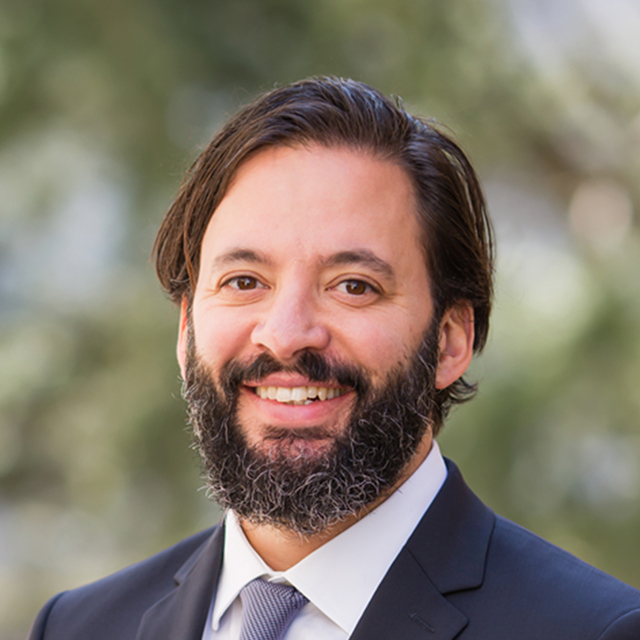
Adam Oskowitz Is Moving Medicine From the Operating Room to the Decision Loop
A vascular surgeon spent years making high-stakes decisions one patient at a time. Now he is building Doctronic around a harder question: how much good judgment can software deliver when the waiting room has no walls?
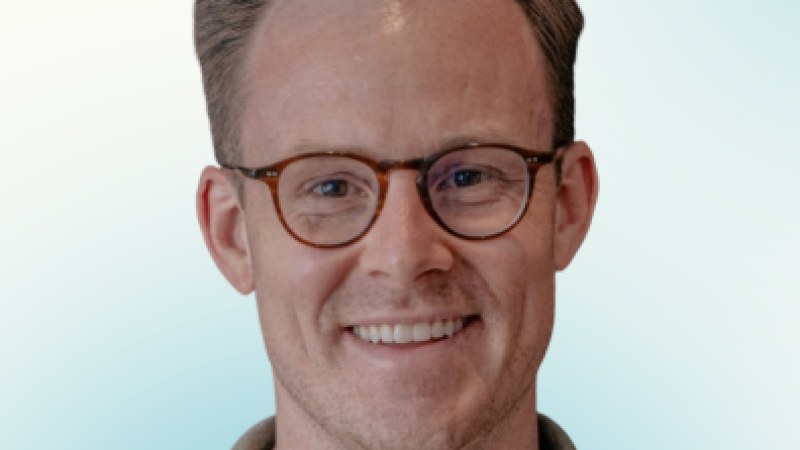
Ryan Gallagher
Ryan Gallagher is a Stanford- and Harvard-trained physician turned founder who runs Clarion, the AI communication layer for healthcare. After helping build two breakout digital-health companies, Two Chairs and Ophelia, to $100M+ valuations, he started Clarion in 2024 to fix the unglamorous problem that swallows clinics whole: the phone. Clarion's AI agents answer the calls, texts and web chats that overwhelm front desks, handling scheduling, billing, refills and referrals end to end across 84+ EHR systems. Backed by Accel, Y Combinator and Sequoia scouts, the New York company already serves tens of thousands of patients a month.
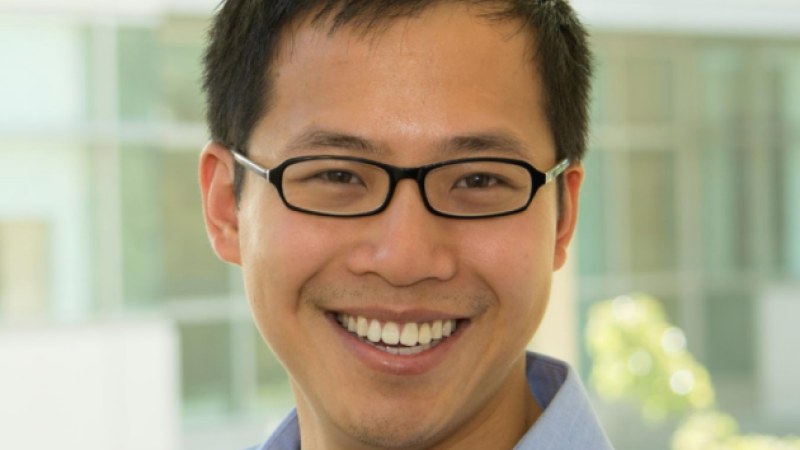
Aaron Sin
Aaron Sin is the co-founder and CEO of Develo, a startup building what it calls the first AI-native operating system for independent pediatric practices. A physician by training with an MD from Stanford and a biomedical engineering degree from Yale, he traded the exam room for the product roadmap after stints leading value-based care products at Innovaccer and healthcare engagements at McKinsey. Founded in 2022 with CTO Han Ke, Develo replaces the patchwork of clunky EMRs, intake tools, and billing systems that pediatricians juggle with one unified platform. In May 2026 the company raised a $14 million Series A led by Blueprint Equity, and its software is now deployed across hundreds of pediatric providers in more than two dozen states.
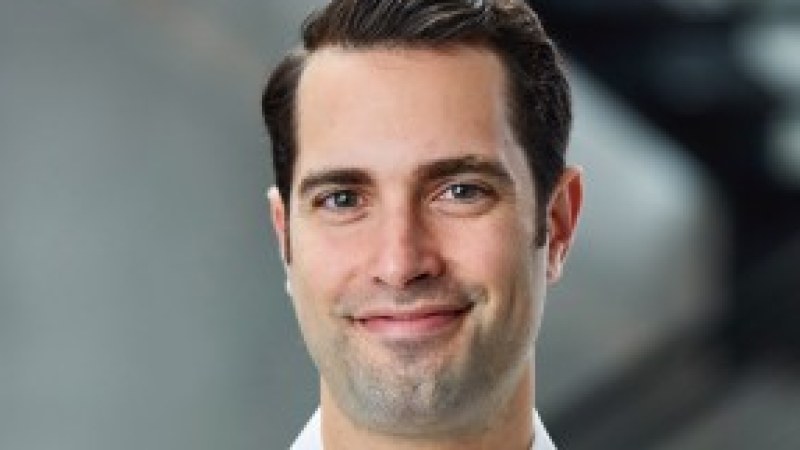
Joshua Reischer
Joshua Reischer is a board-certified internal medicine physician who walked out of the exam room to rebuild the most tedious part of a doctor's day. As CEO and founder of Health Note, he turned the pre-visit patient questionnaire into AI-generated clinical notes that drop straight into the chart, cutting documentation and intake time before the appointment even starts. Health Note now runs across clinics nationwide, processes millions of patient visits a year, and raised a $17M Series A led by SignalFire with backing from Cedars-Sinai, Northwell and UnityPoint Health.
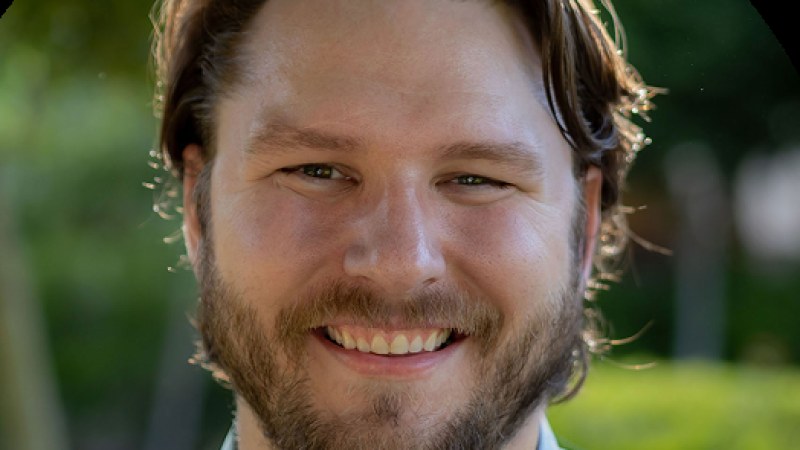
Victor Sadauskas
Victor Sadauskas is an emergency medicine physician turned entrepreneur and the Co-founder and CEO of Kivo Health, a San Francisco-based digital health company delivering AI-powered virtual pulmonary rehabilitation to COPD patients at home. A Y Combinator W23 alum, Sadauskas built Kivo from his firsthand clinical observation that only 3% of eligible COPD patients ever access pulmonary rehab - a gap he set out to close with a Medicare-covered, home-based program combining remote monitoring, respiratory therapy, and AI-driven coaching.