patient-access
(37)
Hello Patient bets on the call you almost missed
Patients kept calling, even when better portals were available. Hello Patient built its business around that stubborn habit - and is now following the paperwork behind the phone call.

Prosper AI takes the call your insurer keeps on hold
Booking the appointment is the easy part. Prosper AI sends voice agents into the insurance checks, billing questions and phone queues that decide whether a patient actually gets seen.
Kleer and Membersy: The dentist will subscribe you now
Now called Clerri, the merged company helps dentists sell care by membership. Its revealing trick is making a simple promise survive the complicated life of a dental office.

Relatient and the secret life of an empty appointment
A vacant slot can hide a surprisingly crowded problem. Relatient’s bet is that getting patients through the door begins with teaching software the rules people carry in their heads.
Jennifer Byrne Took the Wrong Job - Then Spent 30 Years Fixing the Right Problem
She arrived with a new briefcase, dressed for pharmaceutical sales, and discovered she had been hired to coordinate clinical trials. The misunderstanding became a vocation - and eventually a company built to bring research into everyday care.

The First Caller Hung Up. The Second Changed Healthcare’s Hold Music.
Infinitus began with a prankish test call, a hang-up, and one stubborn second attempt. Seven years later, its AI agents are doing the dull, consequential work between a prescription and the patient who needs it.

Hyro Bet the Future of Healthcare AI on the Least Glamorous Part: Answering the Phone
The Cornell Tech startup learned that a pleasant chatbot is worthless if it cannot touch the calendar. Eight years, $95 million and 100 million patient interactions later, Hyro is selling hospitals the decidedly unglamorous plumbing behind AI that can actually finish a job.
Jeffery Liu Put the Messiest Part of Healthcare on Speakerphone
A rejected demo, a borrowed Chicago workspace and one stubborn operating idea turned a former hospital volunteer into the product half of a $1.2 billion healthcare AI company.

Kshitij Gupta Built the Pipes for Live Video. Now He Is Rewiring the Healthcare Phone Call.
After two decades making live media feel effortless, the 100ms co-founder is applying the same instincts - low latency, careful handoffs, and relentless edge-case testing - to the conversations that move patients through care.

Oliver Kharraz Is Still Fixing the Waiting Room Before You Reach It
A doctor trained to study the brain. A philosopher trained to doubt his premises. A founder who spent nearly two decades making one mundane transaction - booking an appointment - reveal the hidden machinery of American healthcare.

The Outlook Guys Found a $100 Million Problem Hiding in Your Doctor's Phone Queue
Pretty Good AI is betting that the useful future of healthcare AI is not a robot doctor. It is a tireless operator that answers on the first ring, knows the scheduling rules and puts the result in the right athenaOne field.
Jean Ross Is Building the Missing Place Between the Portal and the Kitchen Table
A patient-finance manager became a critical-care nurse, then turned years of binders, portals and repeated explanations into a company. Jean Ross’s useful idea is simple: the record should travel with the family.
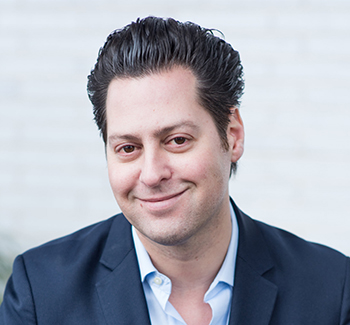
Eric Schweiger Built a 160-Office Practice by Fixing the Waiting Room
A New York dermatologist turned one small office and a consumer’s eye for friction into a multi-state practice. His useful idea was simple: access, administration and culture belong in the product.

Primary Record Started With a Medical Binder. Then It Found the Bigger Business Hiding Outside the Hospital.
A nurse and her software-veteran neighbor built an app to replace caregivers’ bursting binders. The harder lesson was that downloading records is only the first mile - the real business is helping families and community teams use them when care changes hands.

Chetan Reddy
Chetan Reddy is the co-founder and CEO of Confido Health, a New York based startup building AI voice and messaging agents that answer patient calls around the clock and complete routine front-office work like scheduling, refills, eligibility checks and reminders. He started the company after watching the administrative load of the US healthcare system firsthand when his wife had spine surgery, and has grown Confido to more than 1,000 clinical sites and millions of patient interactions. An engineer by training from BITS Pilani, he previously built AI systems for drone mapping and a fitness app before turning to healthcare operations.
BetterHealthcare
BetterHealthcare is a New York-based healthcare technology company that modernizes patient access through its BetterAccess platform, a HIPAA-compliant SaaS product for online self-scheduling, telehealth booking, automated reminders and bi-directional integration with practice management and EHR systems. Founded in 2016 as BetterPT - a booking app for physical therapy - the company broadened into a full patient-access platform used across the continuum of care and was acquired by HealthBus (TRCM Fund) in January 2025.

Confido Health
Confido Health builds AI voice and messaging agents that answer patient phone calls for healthcare providers around the clock. The agents pick up on the first ring, authenticate callers, check insurance eligibility, and resolve routine requests end-to-end - scheduling, refills, referrals, payments, intake and post-visit follow-up - writing every interaction back into the practice's EHR or practice-management system. Founded in 2023 and based in New York, the company raised a $10M Series A in September 2025 and provides access to more than 1 million patients.

Shorla Oncology
Shorla Oncology is a specialty pharmaceutical company based in Clonmel, Ireland, with a U.S. base in Cambridge, Massachusetts, that develops and commercializes innovative oncology drugs for orphan and pediatric cancers. Founded in 2018 by Sharon Cunningham and Orlaith Ryan, Shorla focuses on indications where existing treatments are limited, in shortage, or poorly suited to patients - reformulating and reinventing cancer therapies into easier-to-administer forms such as oral liquids and ready-to-dilute vials. The company markets four FDA-approved products in the U.S. and is advancing an early-stage pipeline addressing rare cancers.
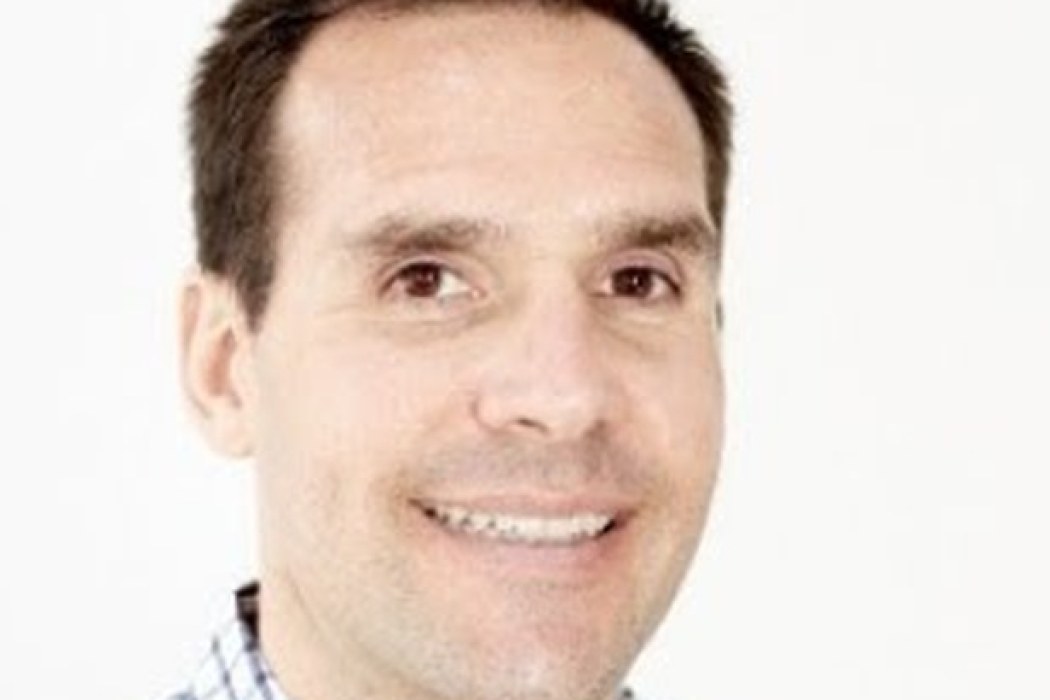
Greg Peters
Greg Peters is the co-founder and CEO of BetterHealthcare, a New York-based healthcare technology company that started as BetterPT in 2016 and grew into an interoperable patient-access and scheduling platform. A former Division I football player and New York fitness professional, he partnered with Hospital for Special Surgery surgeon Dr. Stephen Fealy to remove the friction in booking physical therapy and, later, broader care. BetterHealthcare was acquired by HealthBus in January 2025, where its BetterAccess platform now powers real-time appointment booking and provider matching across a national network.

100ms
100ms builds voice-first AI agents for U.S. healthcare operations. Founded in 2020 as a low-code live video and audio infrastructure platform, the company pivoted to healthcare, applying its real-time communications expertise to automate patient access workflows - benefits verification, prior authorization, referral intake, scheduling, and intake - so care teams spend less time on phones and patients start treatment faster. Its agents are built to be HIPAA-compliant, with clinical safety guardrails and human escalation.
PARx Solutions
PARx Solutions is a Burlington, Massachusetts healthcare technology and services company that untangles one of medicine's most frustrating chores: prior authorization. Its Prior Authorization Support System (PASS) pairs a secure web portal with a call center of healthcare and reimbursement specialists who handle the paperwork and back-and-forth with health plans on a prescriber's behalf. Because the service is sponsored by drug manufacturers, it is free to physician offices and pharmacies, and it helps patients actually get the medications their doctors prescribed rather than abandoning treatment in the administrative maze.
PrescriberPoint
PrescriberPoint is a Boston-based, AI-enabled point-of-care platform that supports clinicians at every step of the prescribing journey - from researching FDA-approved drug information to checking coverage and out-of-pocket costs, submitting prior authorizations, and enrolling patients in savings programs. Spun out of work with Eli Lilly and BCG, it consolidates fragmented prescribing resources for tens of thousands of medications into one portal, and in 2025 reached more than 5 million healthcare professionals - one of the largest active HCP networks in digital health.

WovenX Health
WovenX Health (formerly Telebelly Health) is a Chicago-based digital health company that weaves on-demand virtual specialty care into existing gastroenterology, hepatology, and urology practices. It pairs specialty-trained Advanced Practice Providers with real-time MD supervision and an AI-guided software platform to shrink wait times, speed patients to procedures like colonoscopy, and expand capacity for practices and health systems without adding staff or brick-and-mortar.
Dan Rubin
Dan Rubin is President and CEO of PARx Solutions, a Burlington, Massachusetts healthtech company that runs the Prior Authorization Support System (PASS), a service that helps physician offices push prescriptions past insurer prior-authorization roadblocks at no cost to the practice. A chemical engineer by training who switched to building businesses, Rubin co-founded medication-adherence pioneer Adheris in 1993, ran it for fifteen years, then took the helm at PARx in 2012. He has spent three decades on a single problem: the gap between a doctor writing a prescription and a patient actually getting the medicine.
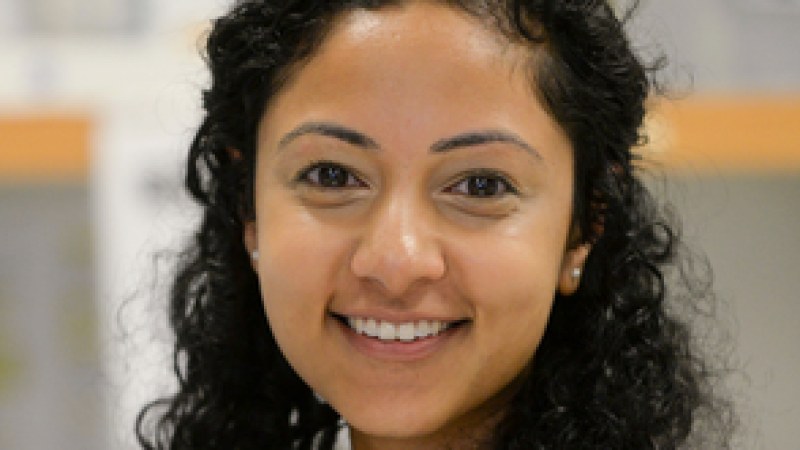
Eesha Sharma
Eesha Sharma is the founder and CEO of Lamar Health, a Y Combinator-backed (W21) startup that uses AI to automate the mountain of paperwork standing between patients and high-cost specialty drugs. A genetics PhD from the University of Toronto and former Stanford postdoc, she traded antisense-oligonucleotide research for the unglamorous fight against prior-authorization bureaucracy after watching a family member endure years of misdiagnosis. Lamar Health now serves specialty pharmacies, infusion clinics and hospitals, automating prior auths, document review and EHR connectivity for medications that average roughly $70,000 a year per patient.

Assort Health
Assort Health builds specialty-specific voice AI agents that answer patient phone calls for medical practices and health systems, resolving them rather than routing them. Trained on more than 150 million patient interactions and integrated directly into EHR and practice-management systems, its agentic platform schedules appointments, triages, verifies insurance, handles refills and follows up with patients across 20+ specialties. Founded in 2023 by Jeff Liu and Jon Wang, the San Francisco company raised a $76M Series B in 2025, bringing total funding to $102M.
Health Note
Health Note is a healthcare AI company that automates the administrative work surrounding a clinical visit. Founded by physician Joshua Reischer, MD, its platform collects patient information before an appointment through conversational texting and AI voice agents, then turns that data into structured EHR documentation and pre-written clinical notes. The goal is to cut the paperwork and phone-tag that drives physician burnout, shorten check-in times, and let care teams spend more time with patients and less with screens.
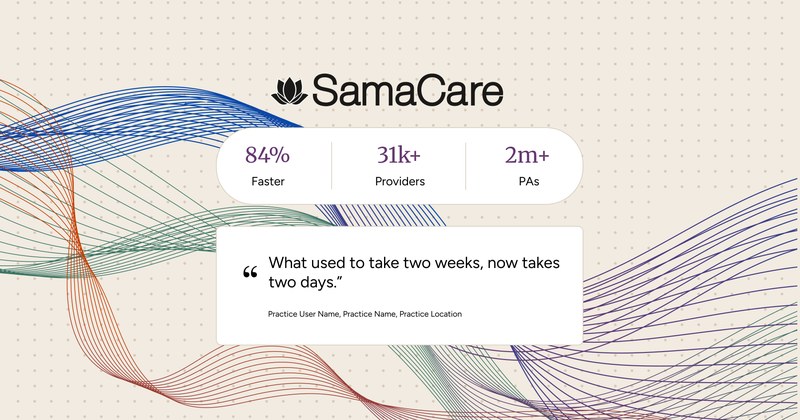
SamaCare
SamaCare is a San Francisco-based healthcare technology company that runs the leading medical-benefit prior authorization platform for specialty medications. Its cloud-based, AI-assisted software replaces the fax-and-phone paperwork that delays patients from receiving life-changing biologics, automating submission, tracking, benefit verification, and enrollment across major US payers. The platform serves specialty practices in retina, oncology, neurology, and rheumatology, plus pharmaceutical manufacturers who use SamaCare's real-time data to improve patient access.
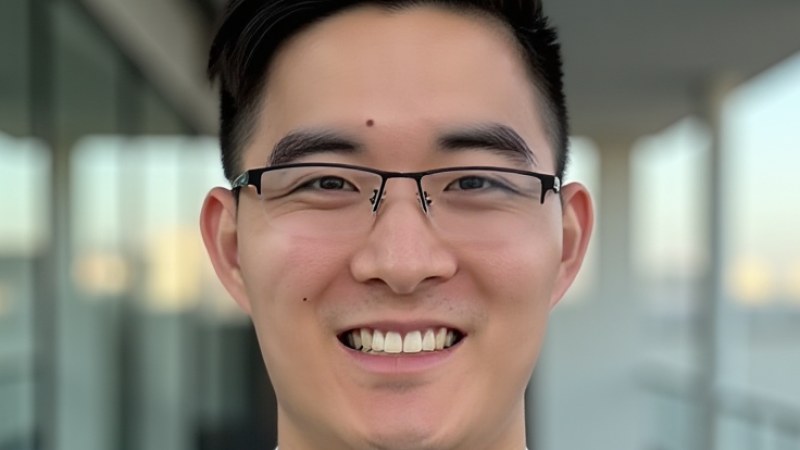
Jon Wang
Jon Wang is the co-founder and co-CEO of Assort Health, a San Francisco company building voice AI agents that answer the phone for doctors' offices. A Stanford bioinformatics graduate and Gates-Cambridge Scholar who walked away from UCSF medical school, Wang spent two years studying why patients wait on hold before launching Assort with Jeff Liu in 2023. The company has since handled more than 42 million patient interactions and raised $102 million, including a $76 million Series B led by Lightspeed in 2025.

SafeRide Health
SafeRide Health is a technology and services company rebuilding non-emergency medical transportation (NEMT) for Medicaid and Medicare Advantage populations. Founded in 2016 by brothers Robbins and Whit Schrader with Ben Salter, SafeRide pairs proprietary scheduling and dispatch software with a nationwide network of 600+ credentialed transport providers and rideshare partners to get vulnerable patients to the right care at the right time. The company now delivers more than one million rides per month across all 50 states and has been profitable since 2024.