openai
(10)
ChatGPT Pro Closes the Door on New Power Users
OpenAI has paused new subscriptions to its $200 Pro tier amid demand for Astra. Existing customers keep access, but leaving the plan could mean waiting to get back in.
Gradual Runs The Community Behind OpenAI And Perplexity
The startup collapsed events, courses, and forums into one branded platform - and quietly won over the AI labs everyone else is chasing. Founder Jerry Li built it out of a side-project mailing list for engineers.
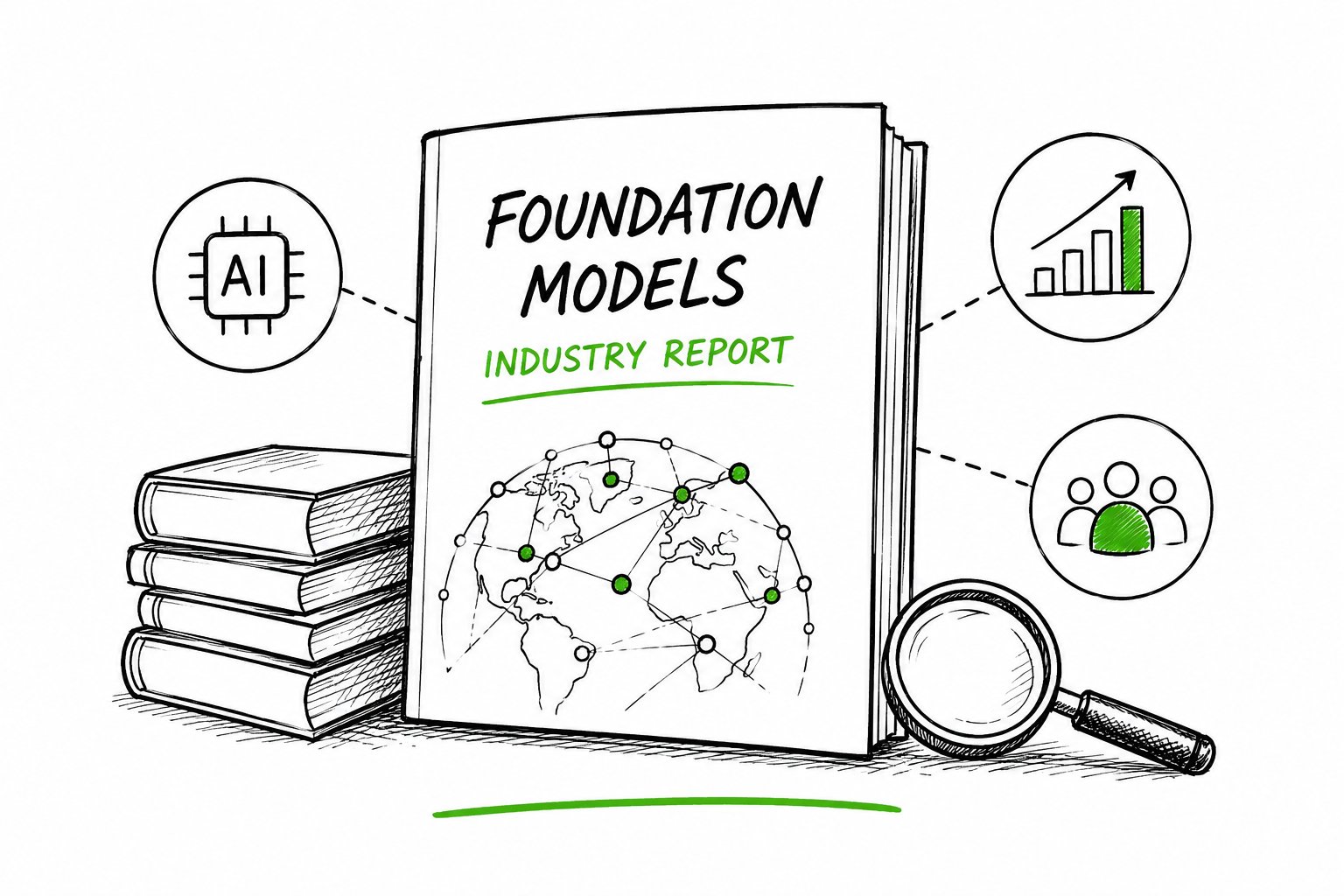
Foundation Models: The Industry Report
A deeply researched report on the foundation model industry as of mid-2026: a sector where two labs, OpenAI and Anthropic, capture roughly 89% of startup AI revenue; where hyperscaler capital spending has tripled to an estimated $725 billion a year; where inference has overtaken training as the dominant cost; and where open-weight Chinese models now trail the closed frontier by only months. The report maps market structure, competitive strategy, the economics of scale, regulation, and where value is migrating up the stack.

What ChatGPT Actually Knows About Your Company
When a customer asks ChatGPT about your company, the answer is not pulled from your website in real time. It is assembled from what the model absorbed during training - Common Crawl web pages, Wikipedia, news, reviews, Reddit threads, job postings and structured databases like Crunchbase and Wikidata - frozen at a knowledge cutoff months before the model shipped. This story explains where that knowledge comes from, why it drifts stale, how gaps and old narratives creep in, and what companies can actually do to correct the record.
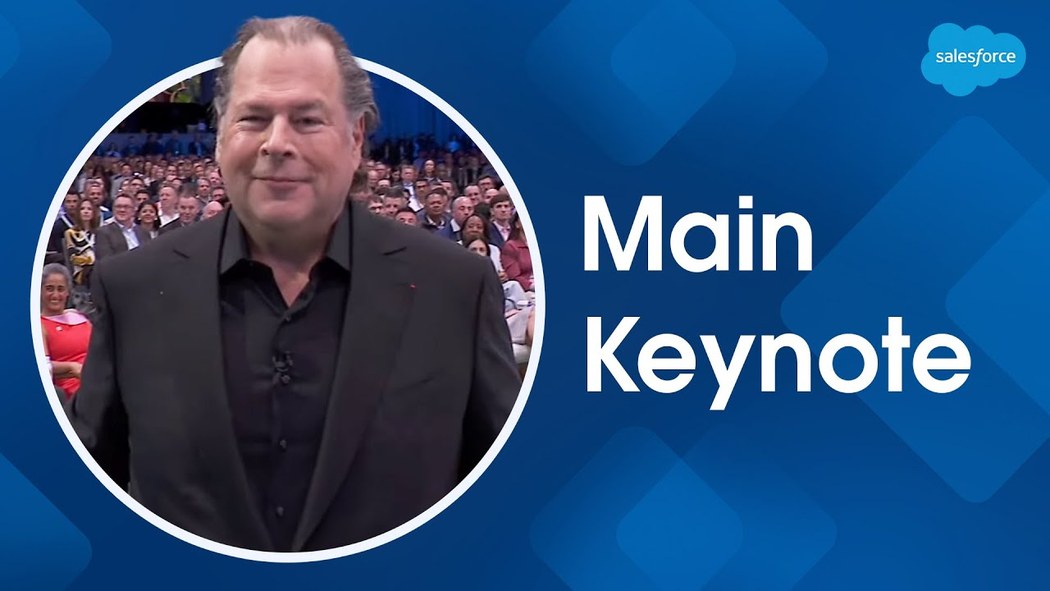
Dreamforce 2025 Keynote: The Agentic Enterprise
At Dreamforce 2025 in San Francisco, Salesforce CEO and Chair Mark Benioff unveiled the Agentforce 360 platform and declared the arrival of 'the agentic enterprise' — a new era where humans and AI agents drive customer success together. The keynote positioned Agentforce as the fastest-growing product in Salesforce history, having handled more than 1.5 million customer service conversations in nine months. Benioff framed the moment around a central choice: whether AI replaces people or elevates them, arguing that AI built on trust and deep data context amplifies human potential. The keynote featured new products including Agentforce Vibes (vibe-coding), Data 360, Agentforce Voice, and Agent Script, alongside five customer stories from Williams-Sonoma, Pandora, PepsiCo, FedEx, and Dell.
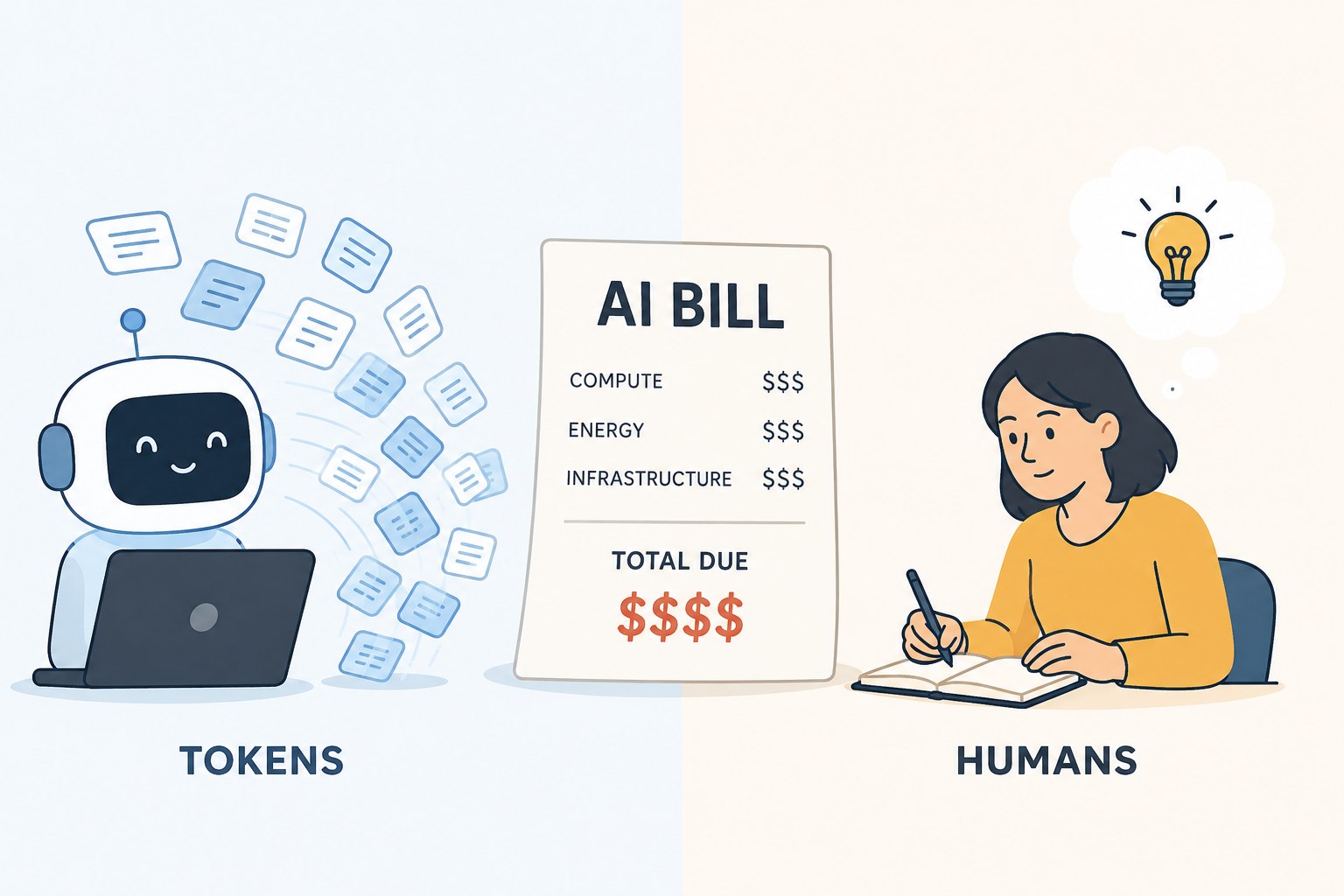
The AI Bill Has Come Due: Tokens vs. Humans
This documentary-style video traces how artificial intelligence went from a cheap labor-replacing miracle to a runaway cost center. After ChatGPT's 2022 launch, companies raced to adopt AI and cut tens of thousands of jobs across tech and fast food. But forced internal adoption, token-based performance metrics, and a status-driven culture of 'token maxing' inflated demand far beyond real need. Combined with data-center component shortages and canceled construction projects, token prices more than doubled between late 2025 and mid-2026. Giants like Microsoft, Meta, Uber and Nvidia are now confronting AI bills that rival or exceed the human labor they replaced, and with Anthropic and OpenAI expected to go public and raise prices, enterprises are being forced into an unprecedented choice: tokens or humans.
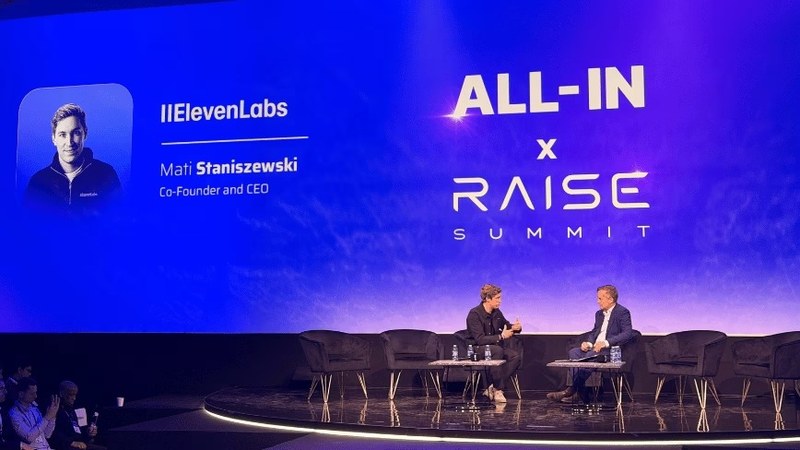
The AI-Native Empire: ElevenLabs and Legora on the All-In Stage
Recorded live at the RAISE Summit inside the Louvre, this two-part All-In Podcast conversation, hosted by Jason Calacanis, features ElevenLabs co-founder and CEO Mati Staniszewski and Legora founder and CEO Max Junestrand. Staniszewski details how ElevenLabs raced from a research project to roughly $600 million in annual revenue in under three years, why the company runs on small engineer-embedded teams with zero product managers, how it protects voices from impersonation while paying creators over $22 million, and how it out-competes frontier labs like OpenAI and Anthropic on voice. Junestrand explains how Legora is compressing the trillion-dollar legal-services market with AI agents, growing 50% quarter-over-quarter for seven straight quarters, deploying 'forward-deployed lawyers,' and disrupting legacy players like LexisNexis and Westlaw.
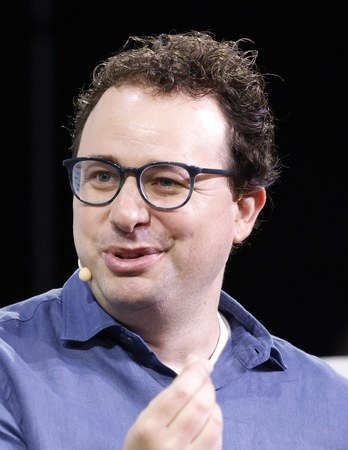
Dario Amodei
Anthropic co-founder and CEO Dario Amodei sits for a wide-ranging interview at what the host calls the center of the AI universe. He describes the felt experience of running the fastest-growing company in the industry as a 'smooth exponential' that feels like accelerating away from Earth at relativistic speed. Amodei explains why Anthropic bet on enterprise and coding over splashy consumer apps, recounts why he left OpenAI (a loss of trust, not merely a safety disagreement), and defends the company's controversial choices: working with the Department of Defense while drawing red lines against mass surveillance and autonomous weapons, warning about entry-level white-collar job loss, and holding back Mythos, a cyber model so capable that early testers called it a 'super weapon.' Throughout he returns to a single thesis: respond to AI's accelerating power rationally and steadily, never 'yo-yoing' between complacency and panic.
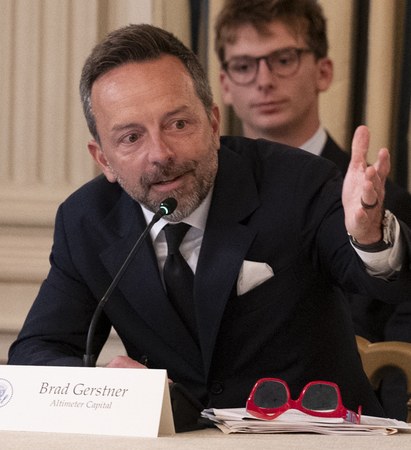
All-In Podcast E280: The Trillion-Dollar IPO Rush, AI Token Wars & Trump Accounts
In episode 280 of the All-In Podcast, hosts Jason Calacanis, Chamath Palihapitiya and David Sacks are joined by 'bestie' Brad Gerstner (David Friedberg is on vacation) to unpack a trillion-dollar rush to the IPO exits led by SpaceX and expected to be followed by Anthropic and OpenAI. The group debates the sustainability of exploding AI token spend, the tug-of-war between frontier labs and cheap open-source models, sovereign AI ambitions, and whether enterprises can actually prove ROI. The emotional centerpiece is the launch of 'Trump Accounts' (the Invest America Act), a $1,000-at-birth investment account for every American child that Gerstner championed for four years, now live as the number-one app in the App Store, with billionaire philanthropists like Michael Dell and Gwynne Shotwell seeding accounts for lower-income kids.
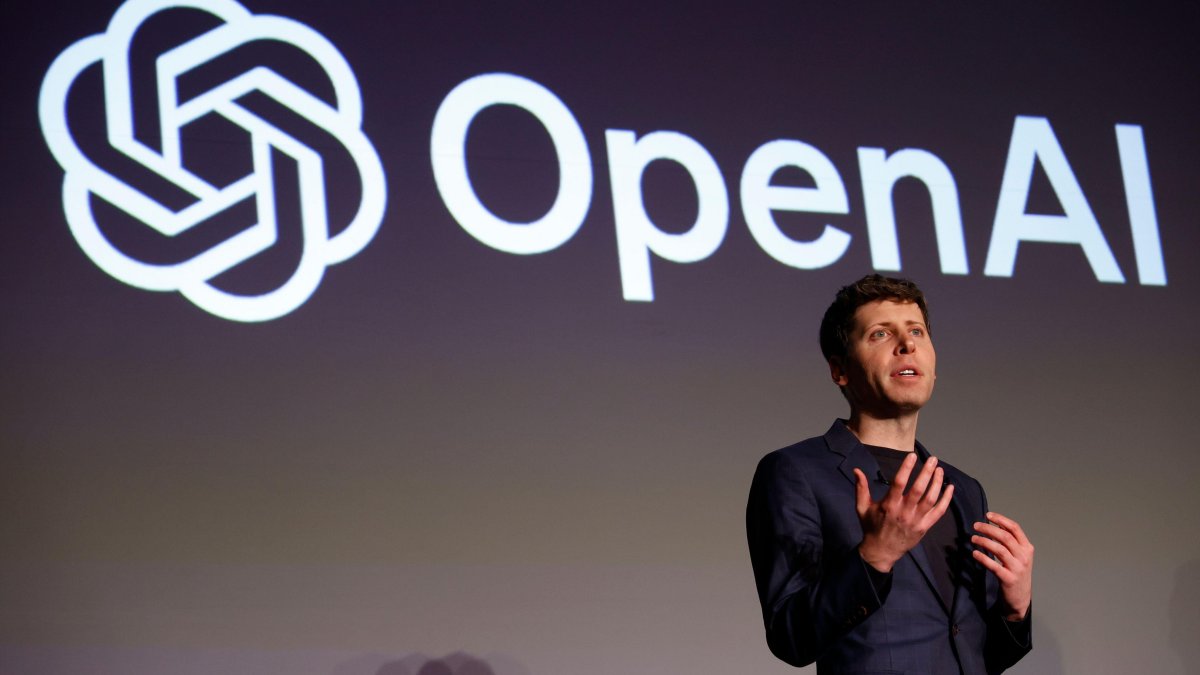
OpenAI's $122B Megaround Shows AI Funding Has Gone Nuclear
On March 31, 2026, OpenAI closed the largest private funding round in history — $122 billion in committed capital at a post-money valuation of $852 billion. Anchored by Amazon ($50B), Nvidia ($30B), and SoftBank ($30B), with continued participation from Microsoft and a sweeping syndicate of global institutions, the round dwarfs every prior private tech raise and cements OpenAI as the world's most valuable startup by a wide margin. The company is generating $2 billion in monthly revenue, counting 900 million weekly ChatGPT users, and is widely expected to pursue an IPO.