network-infrastructure
(19)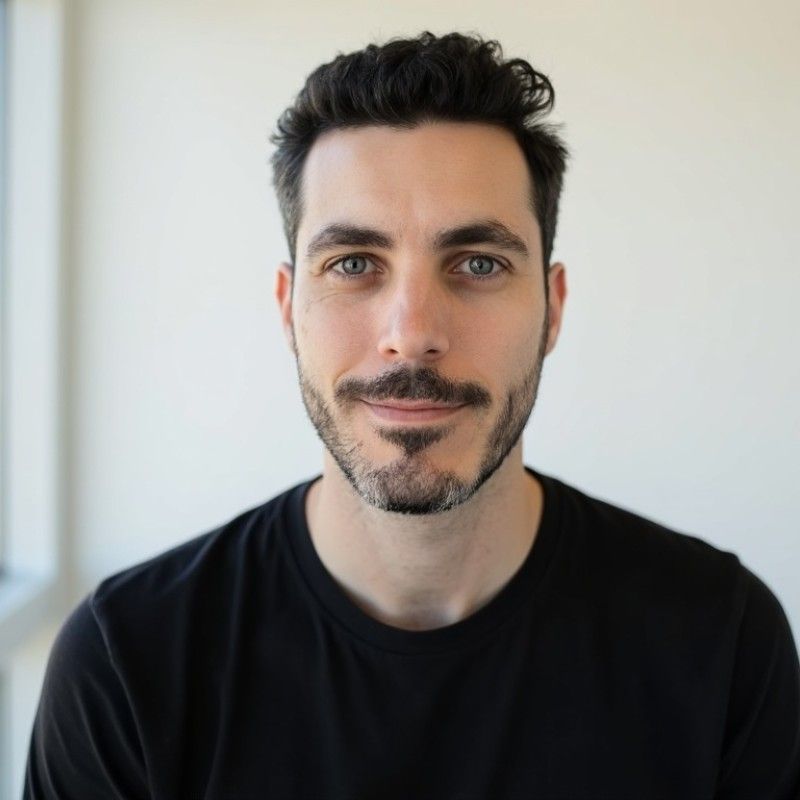
The Engineer Who Keeps AI on a Short Leash
Anton Bubna-Litic spent years turning mathematical models into working systems. At NetBox Labs, he is applying the same practical instinct to AI agents - testing the fashionable future until it becomes useful infrastructure.
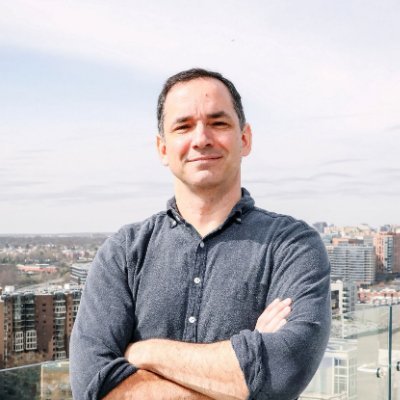
John Doyle Bet the Company on the Part of Your Phone You Never See
A Green Beret turned coder turned reluctant lawyer chose the hardest possible way to make a phone private: rebuild the cellular network beneath it.

The Chip That Tried to Borrow Time
Tabula spent twelve years teaching a flat chip to impersonate a stack of chips. The trick worked well enough to win Cisco, Intel, and more than $200 million - but not well enough to escape the oldest trap in programmable logic.
2degrees made calls cheaper. Staying a challenger costs more.
New Zealand’s third mobile network won attention with 44-cent calls. Its next act involves fibre, private 5G and a proposal to share infrastructure with an old rival.
Fibrecomm puts Malaysia’s power lines to a second job
Built around electricity infrastructure, Fibrecomm sells the connections other networks need. Its business offers a grounded view of digital growth: routes, rack space and the price of keeping traffic moving.

Eric Chen Put a Computer in the Ceiling - Then Waited for the Edge to Catch Up
After two decades inside networking companies, Eric Chen founded Relay2 around a practical provocation: the Wi-Fi access point already hangs where data is born, so why should every useful computation make a round trip to the cloud?
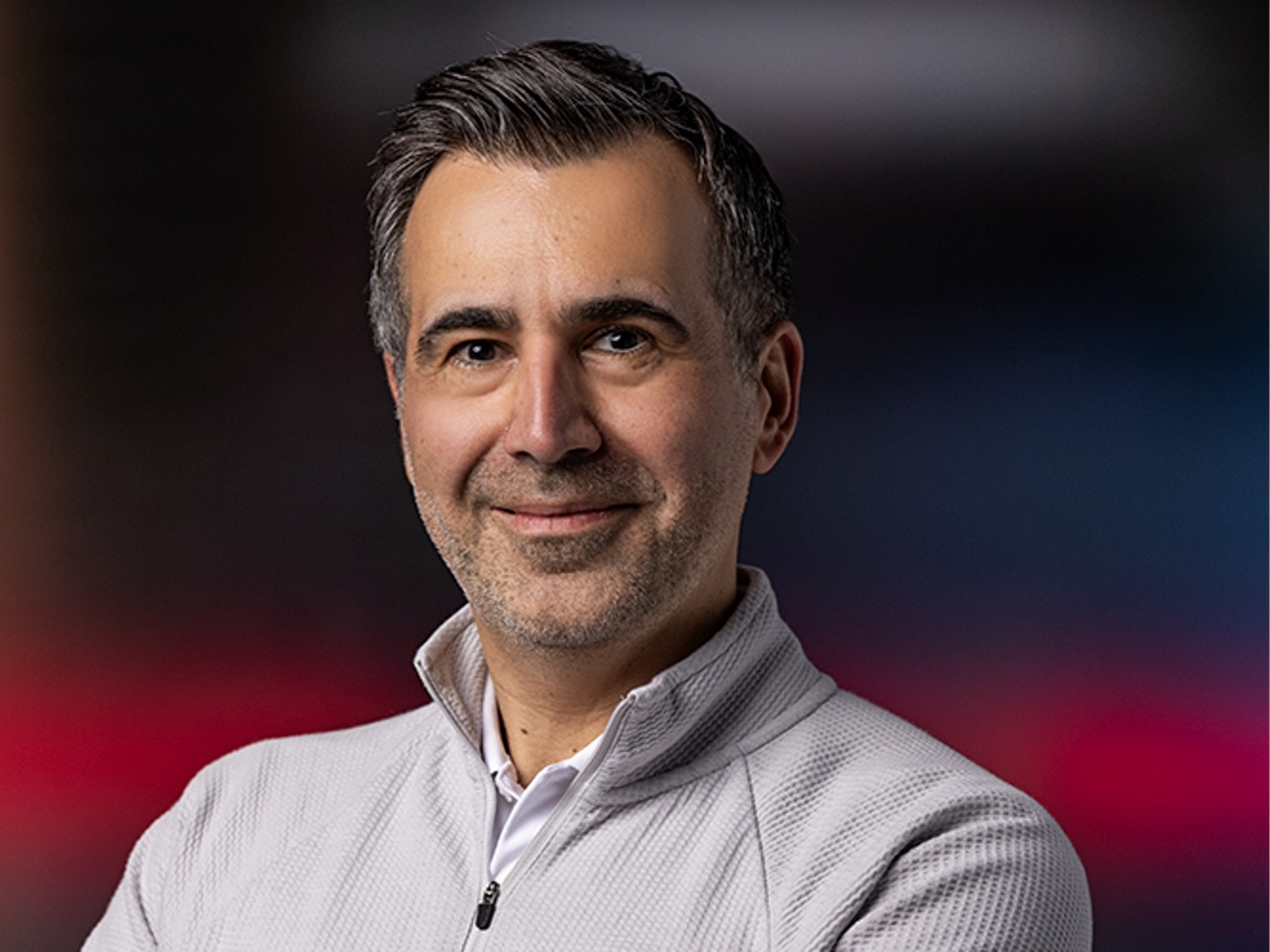
Mo Katibeh’s Quiet Operating System for the Loud Business of Connection
He has built networks, products and marketing engines at telecom scale. His quieter advantage is an executive habit anyone can borrow: listen closely, think alone, then translate technology into a problem someone actually needs solved.
Burwood Group Spent 29 Years Fixing Enterprise IT. Then It Sold the Whole Playbook.
The Oak Brook consultancy turned unglamorous infrastructure work into a durable enterprise business - then joined Sikich as AI made the plumbing more valuable, and more complicated, than ever.
Leviton Turned a Light Socket Into a 120-Year Hardware Empire - Here’s the Expansion Playbook
The family-owned manufacturer began with a part for gas lamps. Its real trick was learning when to abandon the product category - without abandoning the customer, the channel, or the wall.

AT&T Spent $134 Billion Chasing Hollywood. Its Comeback Runs Through Boring, Beautiful Fiber
The telecom giant’s costly media adventure ended in retreat. Now AT&T is making a simpler wager: own the pipes, bundle the connections, and make reliability interesting again.
The Little Carrier That Wired the Mountains for 35 Years - and Then Sold the Signal to Verizon
For 35 years a homegrown carrier from Wilkesboro put bars on the map where the big networks saw only blank terrain. In 2026 it agreed to hand the signal to Verizon - a small-carrier story about who actually pays to cover a mountain.

The Internet Company Digging Its Way Out of Cable's Past
Ziply Fiber inherited an old Northwest telephone network and made a blunt bet: keep digging until fiber reaches the places larger providers skipped. Now the same company selling home broadband is carrying 400-gigabit traffic between Seattle and Chicago.

The Company Enterprises Call When Their Tech Stack Stops Speaking English
Presidio has built a multibillion-dollar business translating a messy universe of clouds, networks, security tools and AI pilots into systems that companies can actually run. Its real product is accountability.
ComputerLand of Silicon Valley
ComputerLand of Silicon Valley (legally CCT Technologies Inc.) is a San Jose-based technology solutions provider and value-added reseller founded in 1991. Over three decades it grew from a storefront computer sales-and-service shop into a full-service IT partner delivering cloud, cybersecurity, managed services, network infrastructure, virtualization, unified communications and IT logistics to government agencies, K-12 and higher-education institutions, and commercial businesses across California and beyond. A longtime approved E-Rate and NASPO ValuePoint reseller and Microsoft authorized education reseller, the company was acquired by cloud and cybersecurity firm ISSQUARED Inc. on May 1, 2024.
TEECOM
TEECOM is a technology planning, design, and engineering firm that makes technology work in buildings. Founded in 1997 and led by founder David Marks, the remote-first company partners with architecture, engineering, and construction (AEC) teams to design the unseen layer of modern buildings - structured cabling, networks, audiovisual, acoustics, security, wireless, distributed antenna systems, and emergency responder radio. With 150-plus engineers, designers, and subject-matter experts, TEECOM has delivered integrated technology systems across more than 28 countries for clients like Salesforce.

Zayo Group
Zayo Group is a Denver-based communications infrastructure company that owns and operates one of North America and Europe's largest fiber-optic networks - over 150,000 route miles after its 2026 acquisition of Crown Castle's fiber business. It sells the physical layer of the internet: dark fiber, wavelengths, Ethernet, IP transit, dedicated internet access, colocation and managed edge services to wireless carriers, hyperscalers, enterprises, governments and ISPs. Founded in 2007 on a contrarian bet that bandwidth demand would only explode, Zayo has spent its life buying and building fiber, and is now positioning that network as the backbone for AI workloads moving data between data centers.

Verizon
Verizon Communications is one of the largest telecommunications carriers in the United States, delivering wireless service, fiber and broadband internet, and managed enterprise networking to consumers, businesses, and government. Formed in 2000 from the merger of Bell Atlantic and GTE, the company runs one of the country's most extensive 5G and fiber-optic networks and reported roughly $138 billion in revenue in 2025.
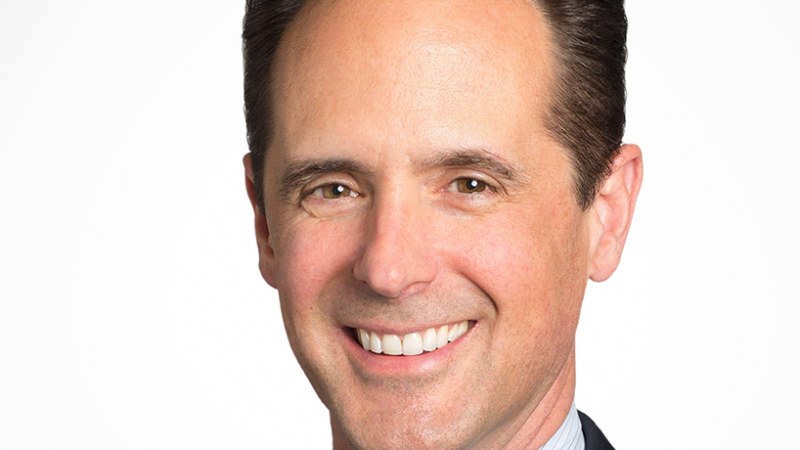
David Marks
David Marks is the founder, President, and CEO of TEECOM, a California-based technology design and engineering firm he built from a one-man operation into a 200+ person global consultancy over nearly three decades. Starting at the Moscone Convention Center expansion in San Francisco, he has since shaped the technology infrastructure of hospitals, Fortune 500 offices, universities, and civic institutions across the U.S., EMEA, and APAC. A licensed Professional Engineer with credentials in communications distribution, design technology, and LEED, Marks is known for his belief that buildings should work as hard as the people inside them - and that the best technology is the kind you never notice.

Steve Smith
Steve Smith is the Chief Executive Officer of Zayo Group, one of the world's largest independent fiber network and infrastructure companies. A West Point engineering graduate and former eight-year U.S. Army officer, Smith built his reputation scaling Equinix from a $2 billion company to a $34 billion global data center giant over 11 years as CEO. Appointed to lead Zayo in October 2020 after the company went private under EQT and Digital Colony, he is now steering the company through a massive AI-driven infrastructure buildout - securing over $1 billion in AI-related deals in 2024 alone, with a pipeline exceeding $3 billion. Under his leadership, Zayo operates 240,000+ route miles globally and 34 million fiber miles, serving customers across healthcare, finance, media, and enterprise sectors.