music-education
(14)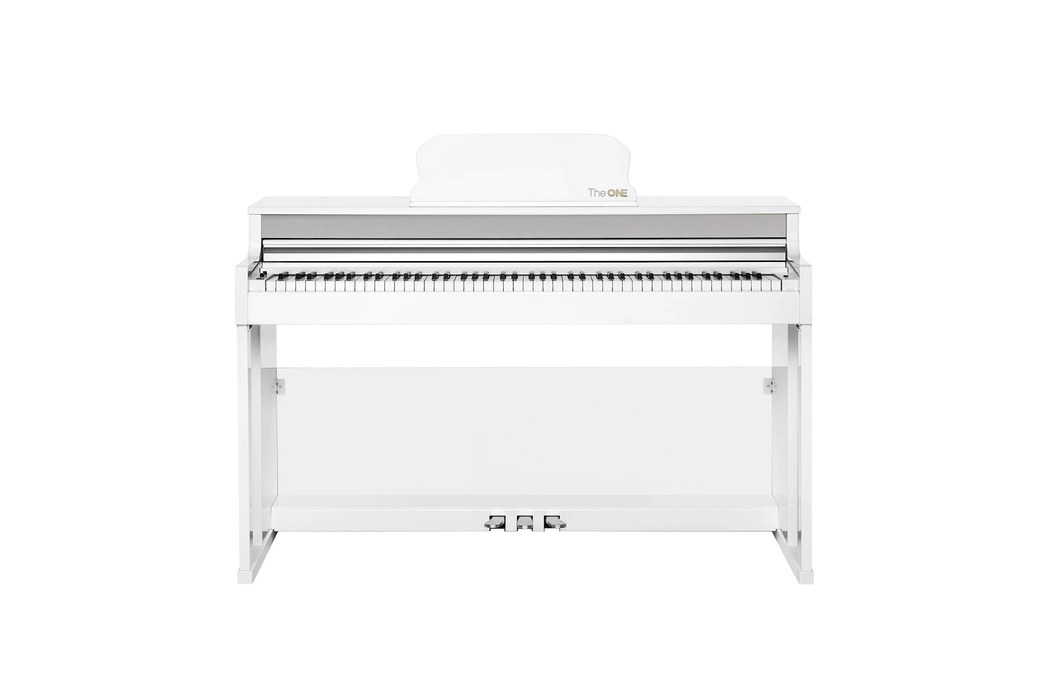
The Piano That Turned Practice Into a First Song
The ONE Music Group put lights on keys and lessons in an app to solve a small, stubborn problem: beginners want to play music before they have learned to read it. Its early sales, classroom reach and later move into drums show both the appeal and the limits of that bargain.
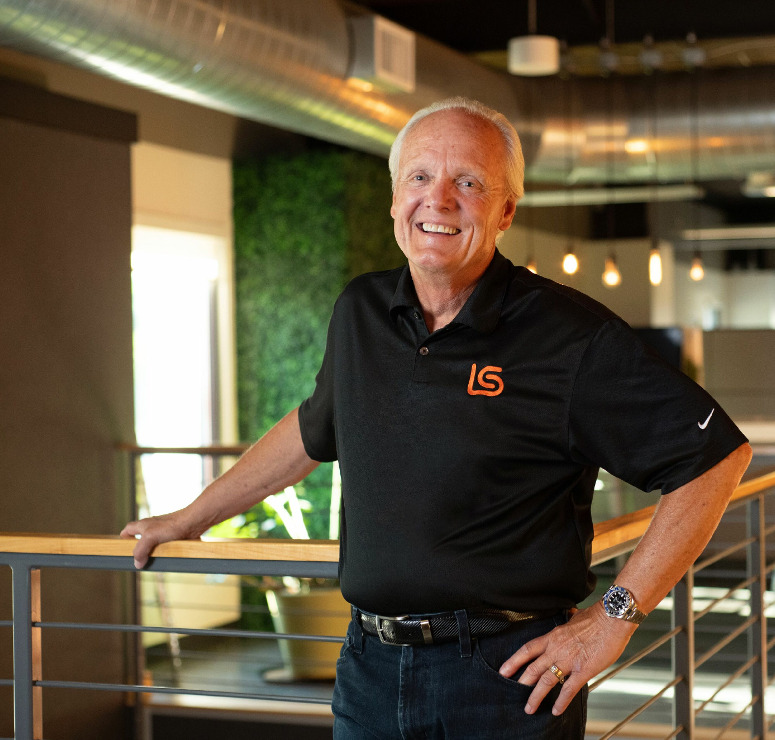
Scott Lawrence Conducted an Ad Agency Like a Band - Then Made Room for the Next Player
A former band director spent four decades turning rehearsal-room lessons into an agency philosophy. His final act as CEO was the least theatrical one: preparing other people to lead.

Ed Sheeran Built a Stadium Career One Loop at a Time
Before the stadiums, there were hundreds of small gigs, borrowed sofas and one stubbornly useful loop pedal. The same method still explains Ed Sheeran: write plainly, play anywhere, and make one voice sound like a roomful.

Gold Trail’s big education in a small school district
A children’s museum, fifth-grade band, and eighth graders who show younger pupils the ropes. In California’s Gold Country, Gold Trail is trying to keep a broad education within a small district’s means.
Simply wants you to quit quitting music
The company behind Simply Piano turned a familiar family argument into a subscription business. Its next bet: the same small victories can get you singing, drawing, and coming back tomorrow.

ROLI taught the keyboard to bend. Can it teach the rest of us to play?
The Seaboard made a piano-shaped instrument behave like something else entirely. Now ROLI is betting on light-up keys, hand tracking and an AI coach - while its business faces another financial test.
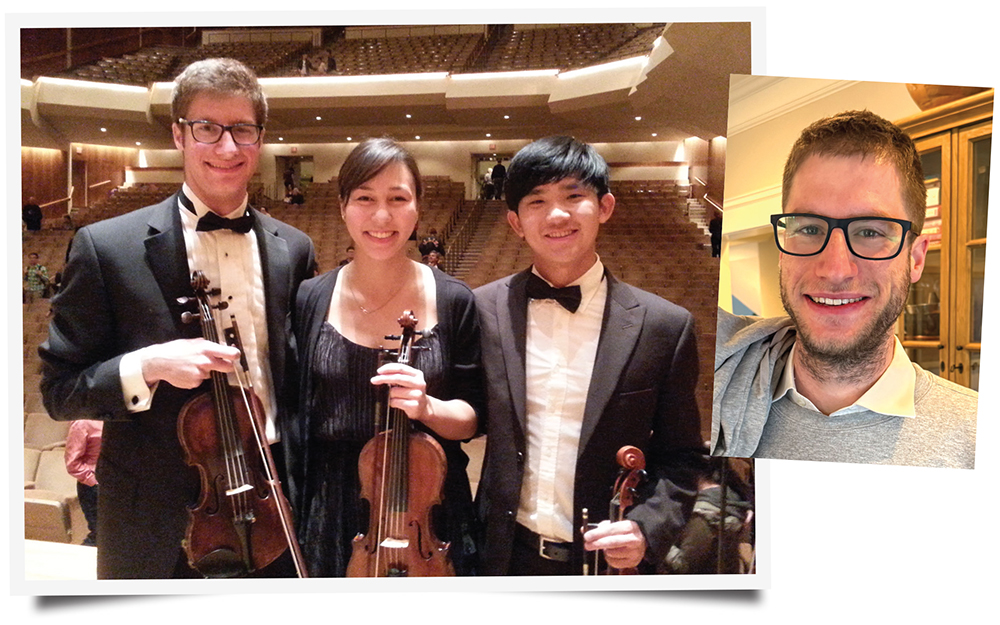
Sam Walder Put a Violin Teacher in Your Pocket - Then Gave the Company Away to Its Next Movement
A stressful childhood instrument, a creaky campus house, and 500 student phone calls became Trala - a music school built for people the old system overlooked.

Chad Kettner Is Marketing the Courage to Make Some Noise
At Musora, the product is a lesson. The real pitch is permission - to begin badly, return after years away, and keep playing long enough to surprise yourself.

Musora Bet the Farm on Free Drum Lessons. Now It Wants to Teach You Five Instruments.
A maxed-out credit card, a $9.99 domain and one counterintuitive bet built an online music school with more than 100,000 active students. Its next trick is making a five-instrument subscription feel personal enough to keep beginners practicing.
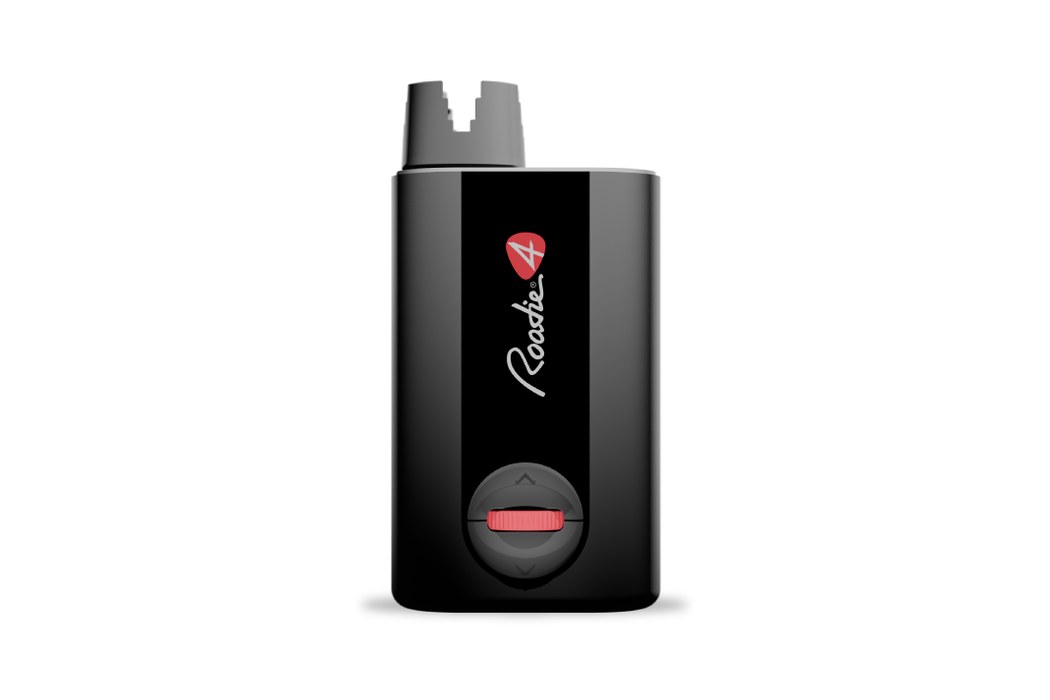
Roadie Built a Robot for the Most Annoying 60 Seconds in Music - Then Musicians Paid to Improve It
A 12-string oud created a tedious problem. Four generations, several crowdfunding campaigns and one stubborn hardware company later, Roadie has turned tuning pegs into a small but revealing consumer-tech business.
Trala Taught a Phone to Hear a Violin - and Learned Where Software Stops
The Chicago startup began with an algorithm and a bad assumption about its customer. Its pivot from grading violinists to teaching adult beginners is a useful playbook for any founder turning expert craft into software.
The Company That Taught a Reed Organ to Play the 1980s
A broken schoolhouse organ in 1887 became the world's largest instrument maker. How Yamaha turned tuning forks, FM chips and player pianos into a 3-billion-dollar sound empire.

The Family That Has Been Making Strings Since Before the Guitar
A 300-year-old Italian craft, a Long Island factory, and the strings on a very large share of the world's guitars. Inside how D'Addario turned a family trade into the industry's workhorse.

The Liberal-Arts College That Turned a Hill Into a Launchpad
St. Olaf's product is not simply a degree. It is a carefully wired four-year network of classrooms, choirs, mentors, global programs and career experiments - built to make a small college feel bigger than its map.