modular-data-centers
(8)
EPG Engineering System: AI’s next bottleneck has a hard hat
In Johor, EPG Engineering System sits inside a group moving data-center construction into the factory. Its wager is that AI infrastructure gets better when fewer things have to be improvised on site.

The Boat Was a Prototype. The Cooling Was the Product.
Nautilus Data Technologies put servers on a barge to test a radical cooling idea. Now it sells the machinery behind that idea to data centers that will never float.

Raion learned to charge. Now it wants to finance the machines.
A free startup platform taught Raion a costly lesson about attention. Its next bet pairs a private AI network with a plan to finance modular compute, one project at a time.

The AI Boom Has a Heat Problem. Vertiv Built the Plumbing.
AI chips get the headlines. Vertiv sells the power, liquid cooling and factory-built infrastructure that determines whether those chips can actually run - and its $15 billion backlog shows how physical the digital boom has become.

The Data Center That Fits Inside a Hydro Plant
A San Francisco startup led by an Alaskan energy trader is betting that the next wave of AI compute won't be built in Virginia. It will be built next to a waterfall in Cordova.
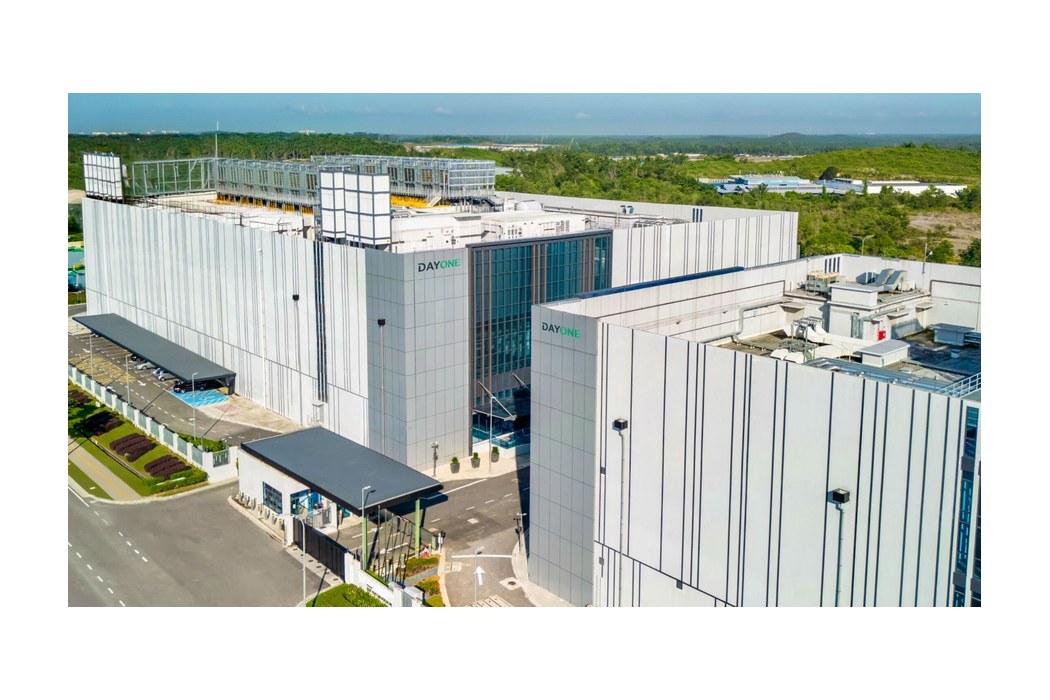
DayOne Is Turning Three Neighbors Into One Giant Data Center
The Singapore infrastructure company is stitching together land, power and fiber across borders - then exporting the playbook from Southeast Asia to Tokyo and Finland.

Digital Power Optimization, Inc.
Digital Power Optimization (DPO) is a New York-based energy services company that builds and operates 'power-first' flexible data centers at renewable power plants. Its on-site data centers - running bitcoin mining and AI workloads - consume electricity only when it is curtailed, wasted, or undervalued, then curtail during peak demand so power can be sold back to the grid. The model lets hydro, wind, and other generators capture over $100/MWh from otherwise stranded power while helping stabilize the grid.

Unblock
Unblock builds and operates mobile, modular data centers that plug directly into wasted energy - gas that would otherwise be flared at oil wells, methane venting off landfills, and renewable power that gets curtailed for lack of grid capacity. By converting that stranded energy into computing power on-site, the company turns an environmental liability into revenue for energy producers while cutting emissions. Founded in 2021 and led by CEO Tomas Ocampo, Unblock has scaled to roughly 15 MW of deployed capacity across Latin America, claims the world's second-largest computing fleet at oil-field facilities, and eliminates an estimated 142,000 tons of CO2 equivalent annually.