hybrid-work
(16)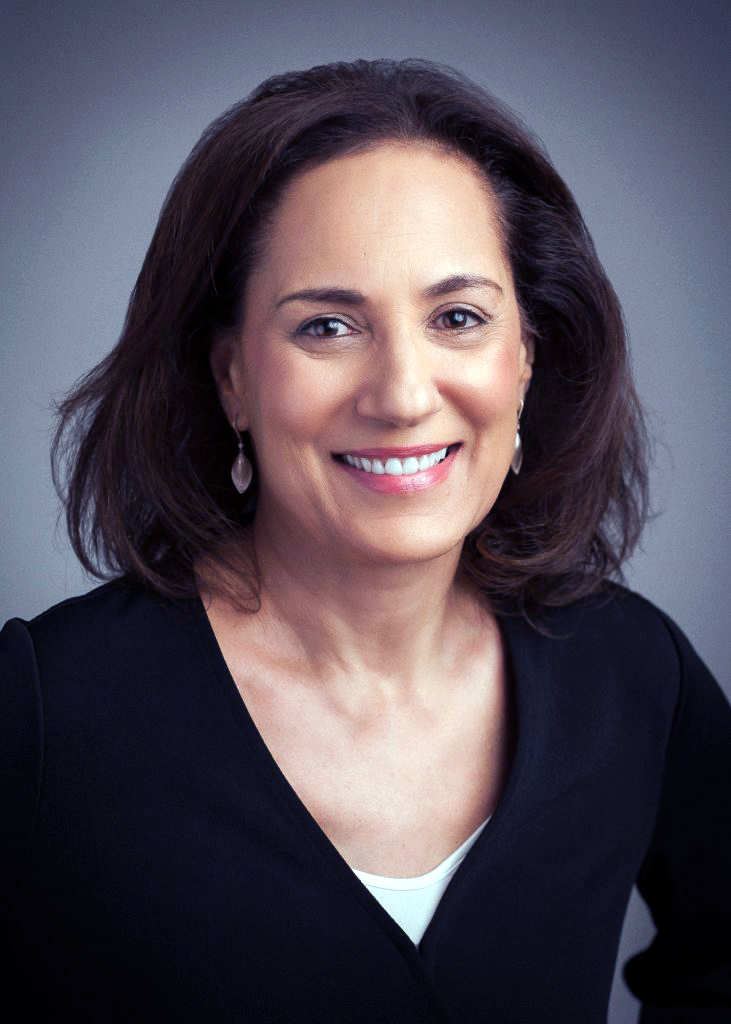
Julie Kantor and the Invisible Glue Holding Work Together
The New York business psychologist has spent more than two decades studying what makes people work well together. Her answer is less about office attendance than the human connections leaders can no longer leave to chance.
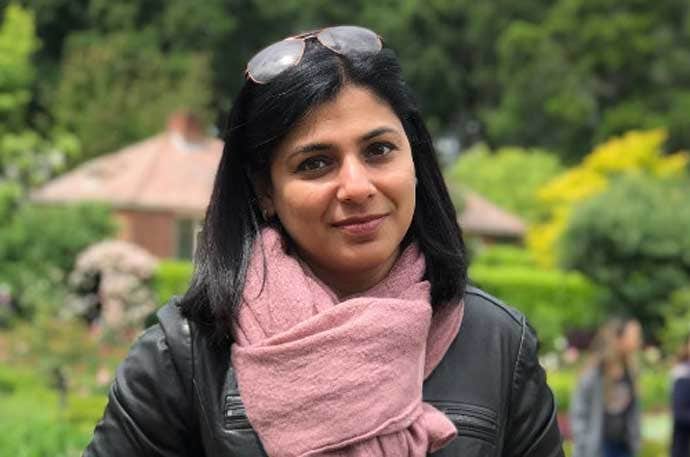
Renu Upadhyay Gave a 20-Year-Old Business a New Name - Then Built the Team to Make It Mean Something
When VMware's end-user computing business became independent, Renu Upadhyay had to make an unfamiliar name carry two decades of trust. Her method joins an engineer's appetite for systems with a marketer's insistence on listening.
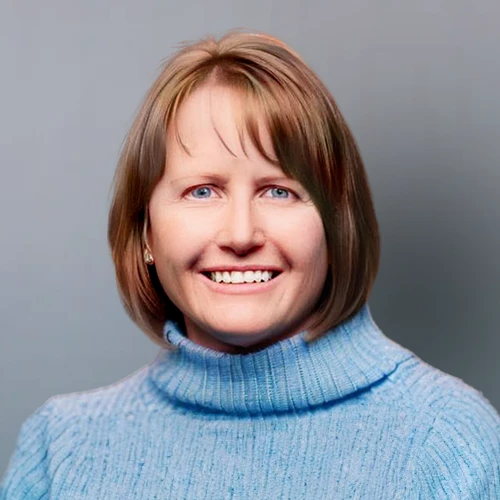
Kari Hanson Is Making the Messy Office Legible
Robin's CMO has spent her career turning complicated software into a problem buyers can recognize. Her latest puzzle is the hybrid office - part schedule, part system, and still full of human whims.
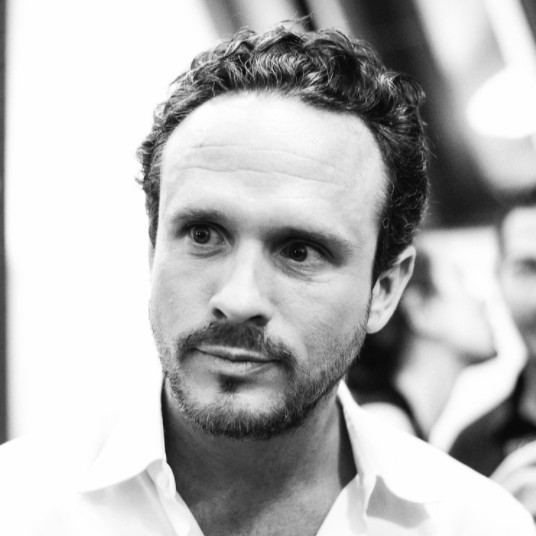
Christophe Garnier Wants to Delete the Empty-Desk Tax
After mobile ads, a bruising e-commerce collapse and a coworking detour, the Upflex co-founder found his durable idea in real estate’s least glamorous fact: paid-for desks sitting empty.
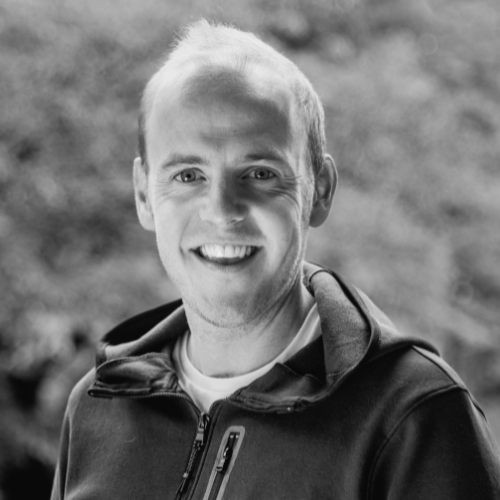
Dan Bladen Found a Better Office Inside a Broken Charger
A wireless-power founder watched his market disappear, rebuilt the company around a light ring, and came away with a sharper idea: the office should earn the commute.
Jim Carlton and the Work Behind Selling a Place to Work
At Regus, Jim Carlton's brief sits where real estate, hospitality and software meet. The product is not simply an office - it is the ability to choose how much workplace you need, where you need it and for how long.
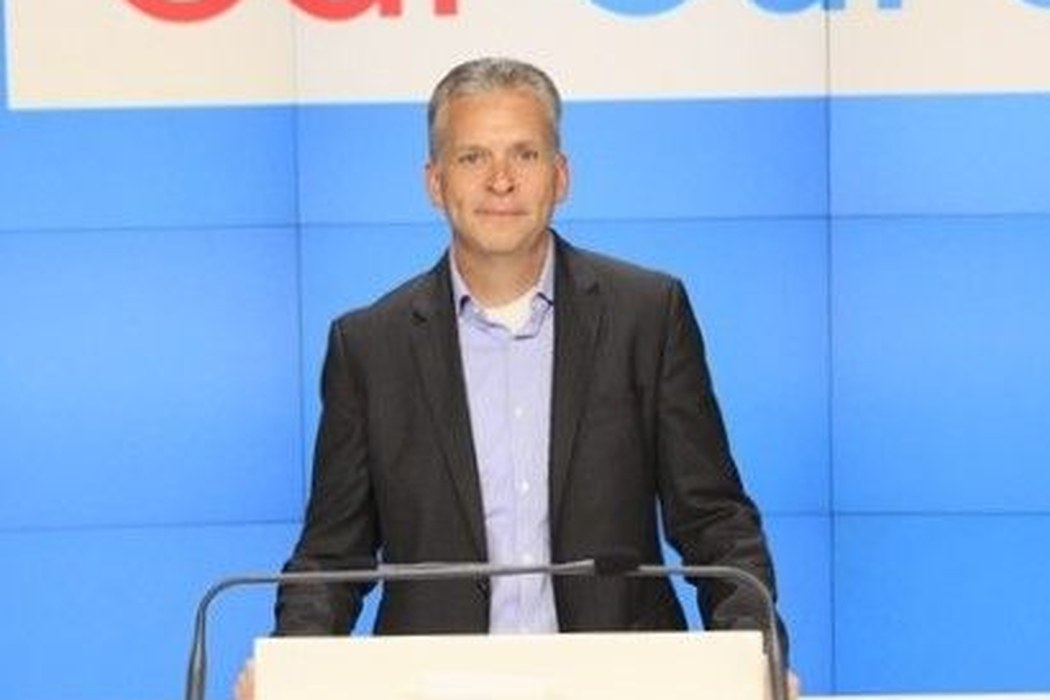
Frank Weishaupt
Frank Weishaupt is the CEO of Owl Labs, the Boston company behind the Meeting Owl, a 360-degree video conferencing device built for hybrid meetings. He joined in 2018 after two decades in sales and operations leadership at CarGurus, Criteo, Jumptap and Yahoo, and has since made Owl Labs a widely cited voice on the future of work through its annual State of Hybrid Work Report.
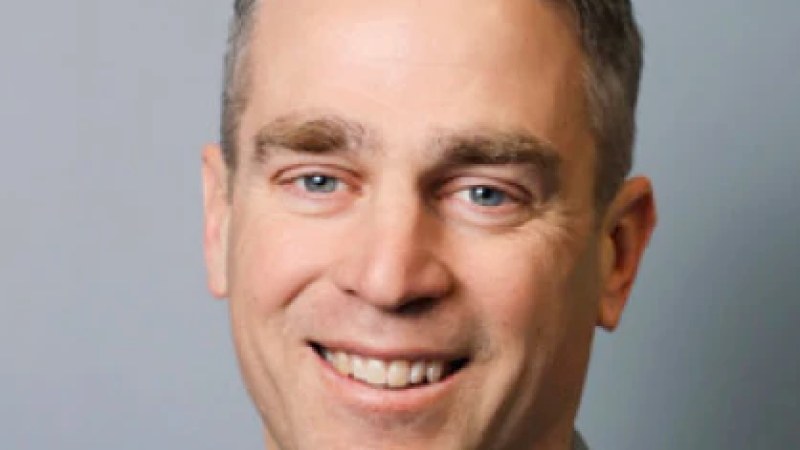
Micah Remley
Micah Remley is the CEO of Robin, a Boston-based workplace platform for hybrid offices - meeting room booking, desk hoteling, wayfinding, and space analytics. He took the top job in January 2022 after selling MineralTree to Global Payments, and previously helped scale energy-management software company EnerNOC from startup to Nasdaq. He is a Yale SOM MBA, a University of Maine ecology grad, and a member of the Forbes Technology Council.
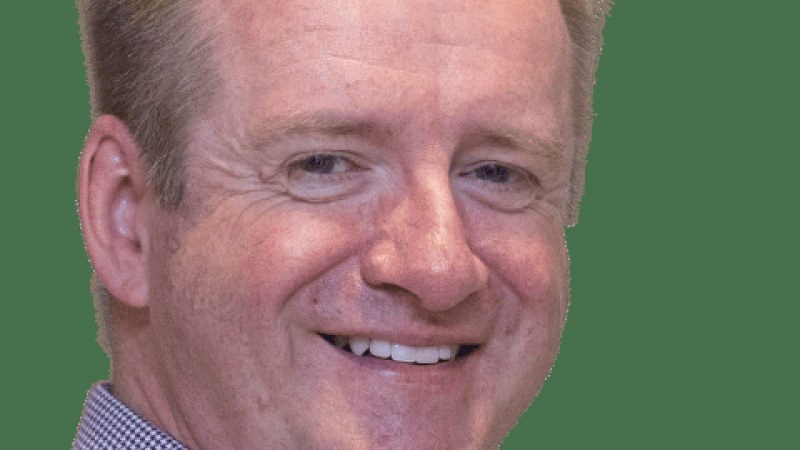
Richard Scannell
Richard Scannell is the CEO of Lambent (formerly Armored Things), a Boston-based SaaS company that turns Wi-Fi signals and building sensors into anonymous occupancy analytics for corporate and university campuses. He took over in July 2022 as the company pivoted from securing sports venues to helping facilities managers argue with executives about whether Tuesday is really the new Monday. Before Lambent he co-founded Glasshouse Technologies, which grew to more than $100 million in revenue, and led RiverMeadow Software and Login VSI's North American operations.
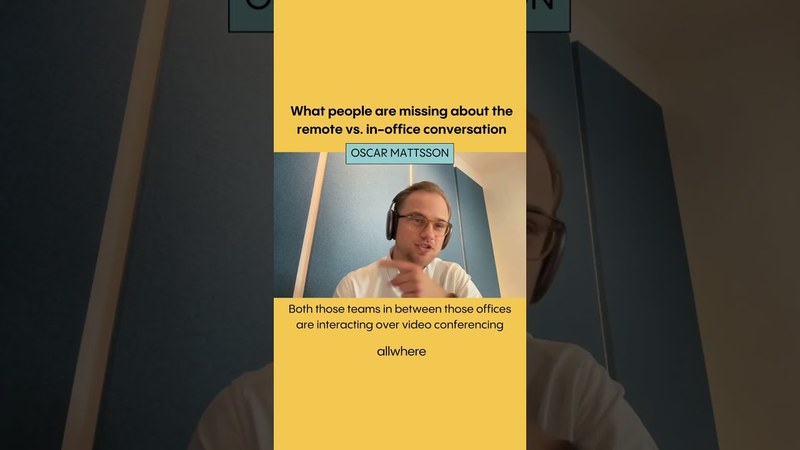
Oscar Mattsson
Oscar Mattsson is the founder and CEO of allwhere, a New York startup that handles the unglamorous physics of remote work: buying, shipping, tracking, and retrieving the laptops and gear that distributed teams scatter across the globe. A founding member of WeWork's enterprise business, he launched allwhere out of D.E. Shaw's venture studio in 2021 and brought it out of stealth in July 2022 with $9.5 million in seed funding. His bet is simple and stubborn - flexibility is permanent, and someone has to manage the hardware behind it.
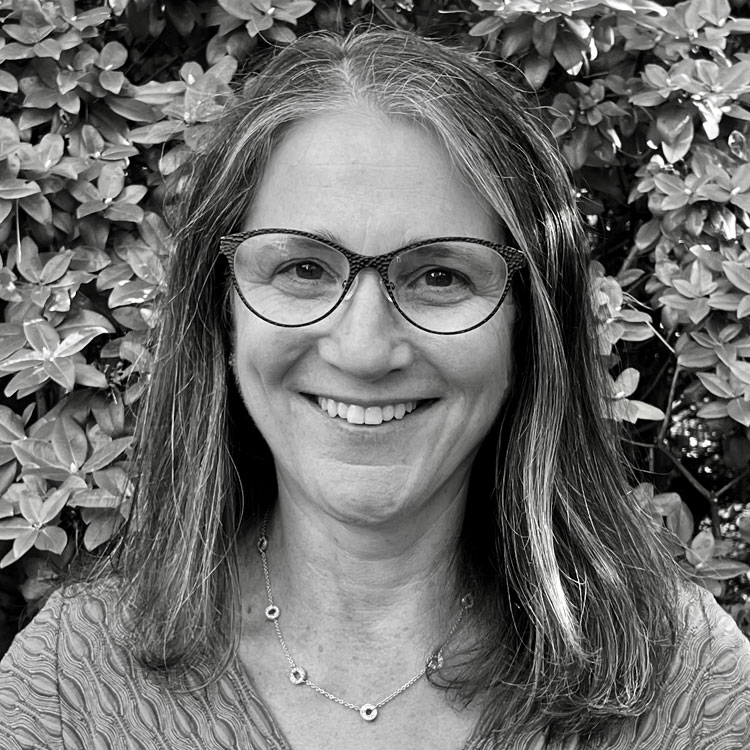
Dawn Klinghoffer
Dawn Klinghoffer is Vice President of HR Business Insights at Microsoft, where she leads people analytics for one of the world's largest technology companies. A mathematics major from Bucknell University who started as an actuary in Hartford, Connecticut, she joined Microsoft's fledgling people analytics team in 2003 and spent over 25 years turning HR data into strategic decisions. Her most recognized contribution: replacing the industry's standard 'employee engagement' metric with 'employee thriving' - a framework adopted by Microsoft in 2022 that has influenced HR practices globally and was published in Harvard Business Review.
Dan Ryan
Dan Ryan is the CEO and Co-Founder of VergeSense, the leading occupancy intelligence platform transforming how global enterprises manage their real estate. A serial entrepreneur with a track record in hardware-software integration, Ryan previously co-founded ByteLight (LED-based indoor positioning, acquired by Acuity Brands in 2015) before launching VergeSense in 2017 through Y Combinator. Under his leadership, VergeSense has grown to serve 200+ Fortune 500 companies across 140 million square feet in 50+ countries, raising $82.6 million including a $60M Series C in 2021. Ryan is based in the Miami-Fort Lauderdale area and is recognized as a pioneer at the intersection of physical and digital worlds, building AI-powered tools that help companies make data-driven decisions about office space, sustainability, and hybrid work strategy.
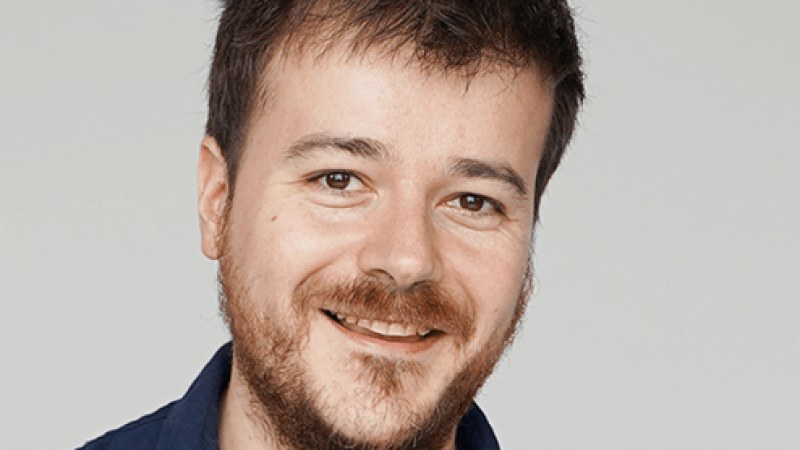
Larry Gadea
Larry Gadea is the founder and CEO of Envoy, the San Francisco-based workplace platform that turned the humble office sign-in book into a $1.4 billion unicorn. A Romanian refugee who was recruited by Google at 17, created Twitter's 'Murder' infrastructure tool as one of its first 50 employees, and spotted a market gap nobody else noticed: enterprise software had completely ignored the physical office. From smuggled out of communist Romania to building the software that runs 14,000+ workplaces in 70 countries, Gadea's story is one of relentless pattern recognition, resilience, and the stubborn conviction that the office deserves the same engineering love as everything else in tech.
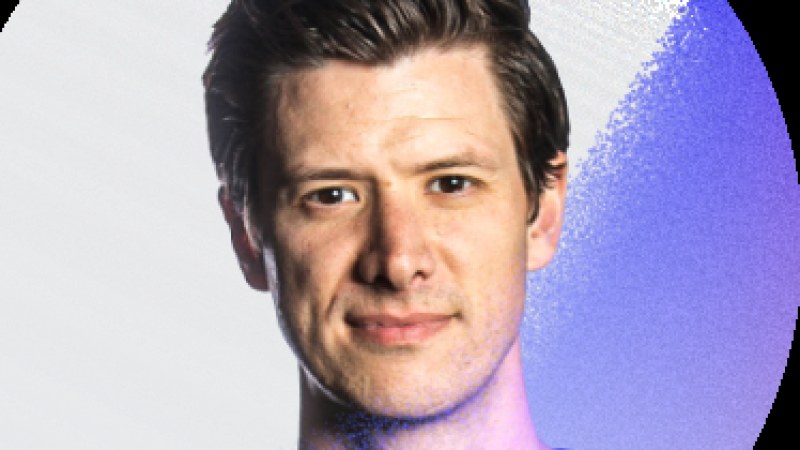
Andrew Farah
Andrew Farah is the CEO and co-founder of Density, a San Francisco-based company that builds anonymous, privacy-first sensors to measure how physical spaces are actually used. What started in 2014 as a fix for a coffee shop line problem in upstate New York has grown into a $1B+ enterprise used by Fortune 500 companies across 1.25 billion square feet globally. Farah has raised over $217 million from investors including Kleiner Perkins, Founders Fund, and Altimeter Capital, and has built Density into what he calls 'Google Analytics for the built world.'
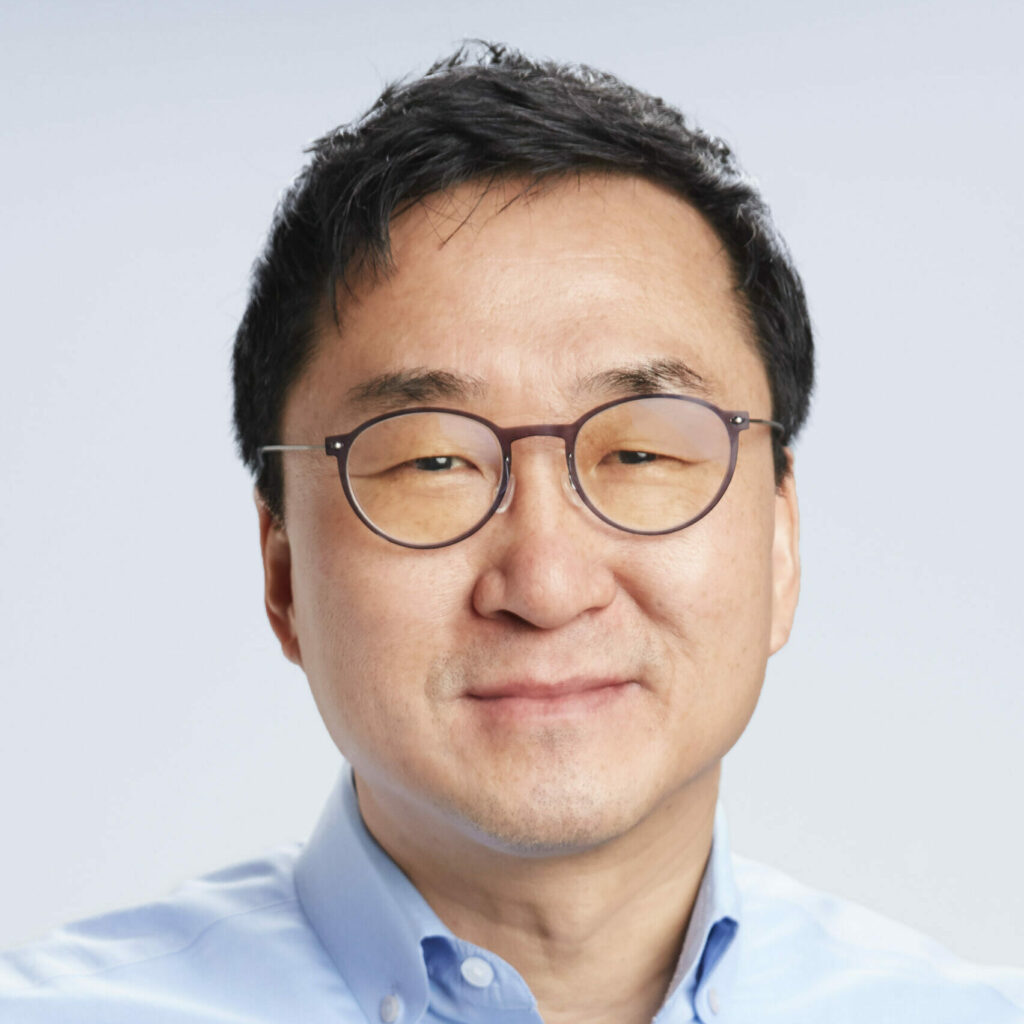
Sean Kae
Sean Kae is the Chief Executive Officer of Modo Labs, the Boston-based no-code platform that powers mobile campus and workplace apps for universities, hospitals, and enterprises. He joined as COO and was elevated to CEO in August 2022 to lead the company's next stage of growth, drawing on 16+ years at Samsung and time as an executive-in-residence at Storm Ventures.

Wei Liu
Wei Liu is the founder and CEO of DTEN Inc., a San Jose-based company he started in 2015 that has become a recognized leader in video conferencing hardware and collaboration technology. Drawing on his earlier experience scaling multi-touch hardware at PQ Labs, Liu built DTEN from a single 65-inch touchscreen device into a full portfolio of AI-powered, plug-and-play collaboration systems deployed across enterprise, education, and healthcare environments globally. DTEN's close partnership with Zoom - which made a strategic investment in the company in 2021 - and its expanding support for Microsoft Teams Rooms and other platforms reflects Liu's belief that seamless, equitable collaboration should be available to every participant, in every room.