high-performance-computing
(17)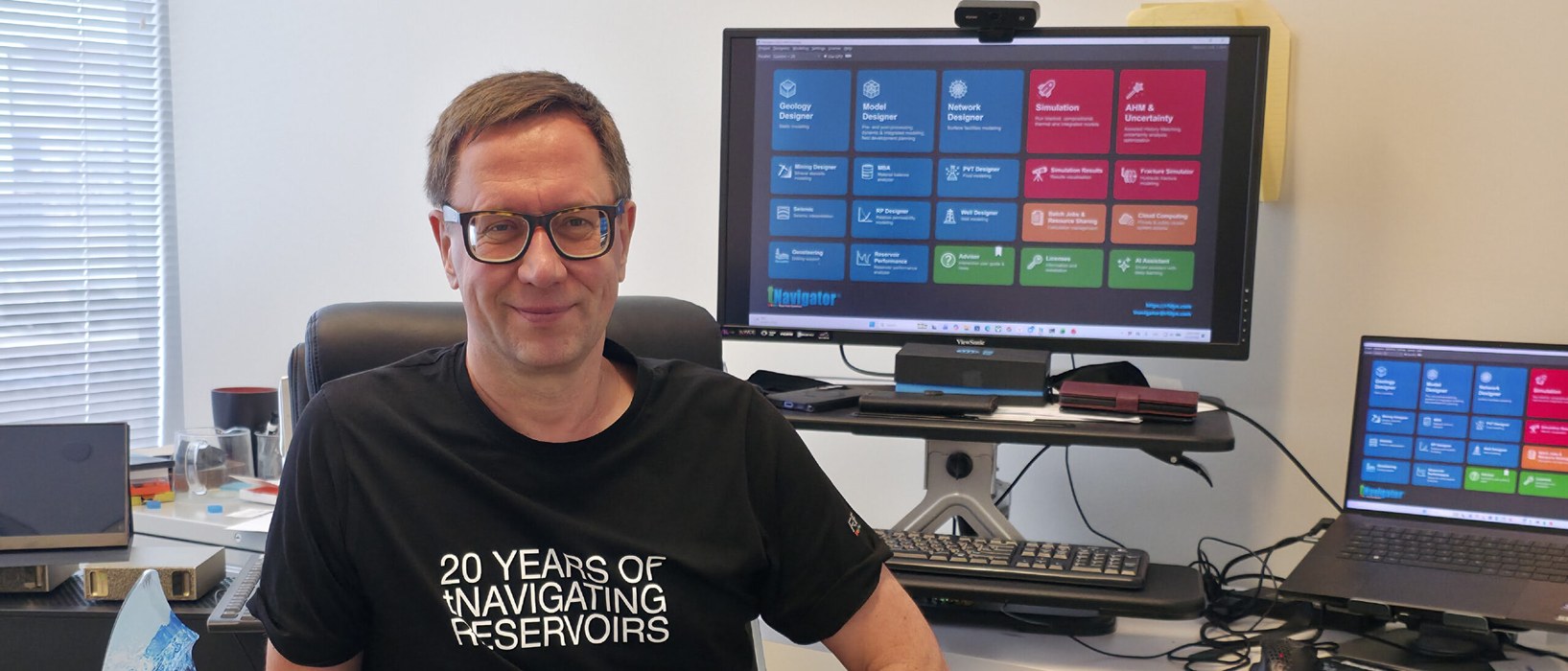
Vasilii Shelkov Took the Long Way Down
A physicist left the collider for the oil field, then spent two decades teaching computers to see underground. The curious part is how little his method changed.
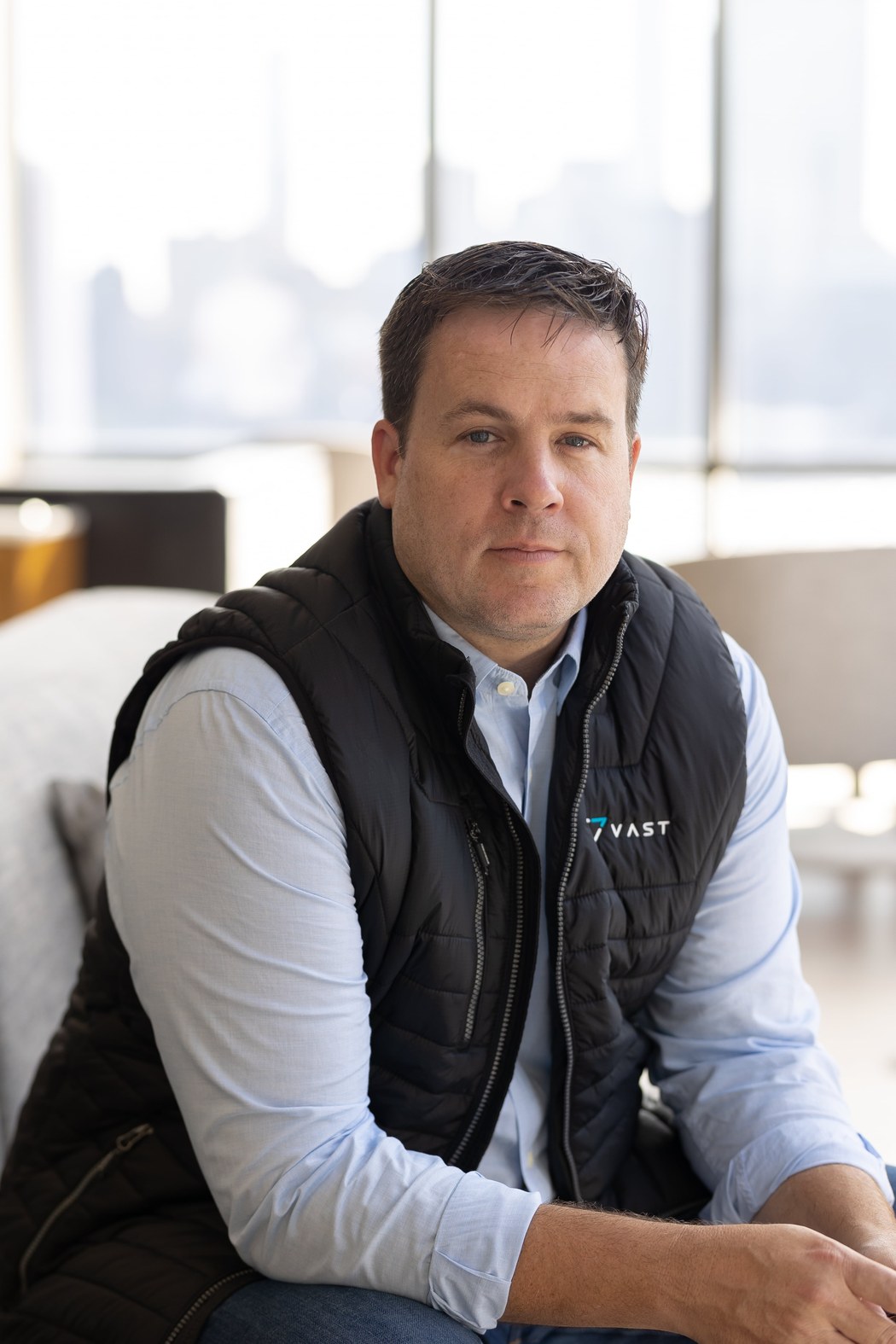
Jeff Denworth Spent Twenty Years Learning How to Sell the Invisible
Before VAST Data became a $30 billion company, its lone go-to-market founder spent three years asking hundreds of customers to imagine a machine he could not yet show them. Jeff Denworth’s real product has always been the bridge between difficult architecture and a reason to care.

Mark Wade Bet on Light Before AI Needed It
Silicon photonics was once an anti-buzzword. Mark Wade kept building anyway - from a CAD server in his Berkeley apartment to a $3.75 billion company preparing optical chiplets for the AI factory.

Burak Yenier Is Turning Simulation’s Hidden Chores Into Infrastructure
The Simr co-founder spent years keeping financial software available. Now he is applying the same operational discipline to the simulations behind physical products - and to the data that engineering AI needs.
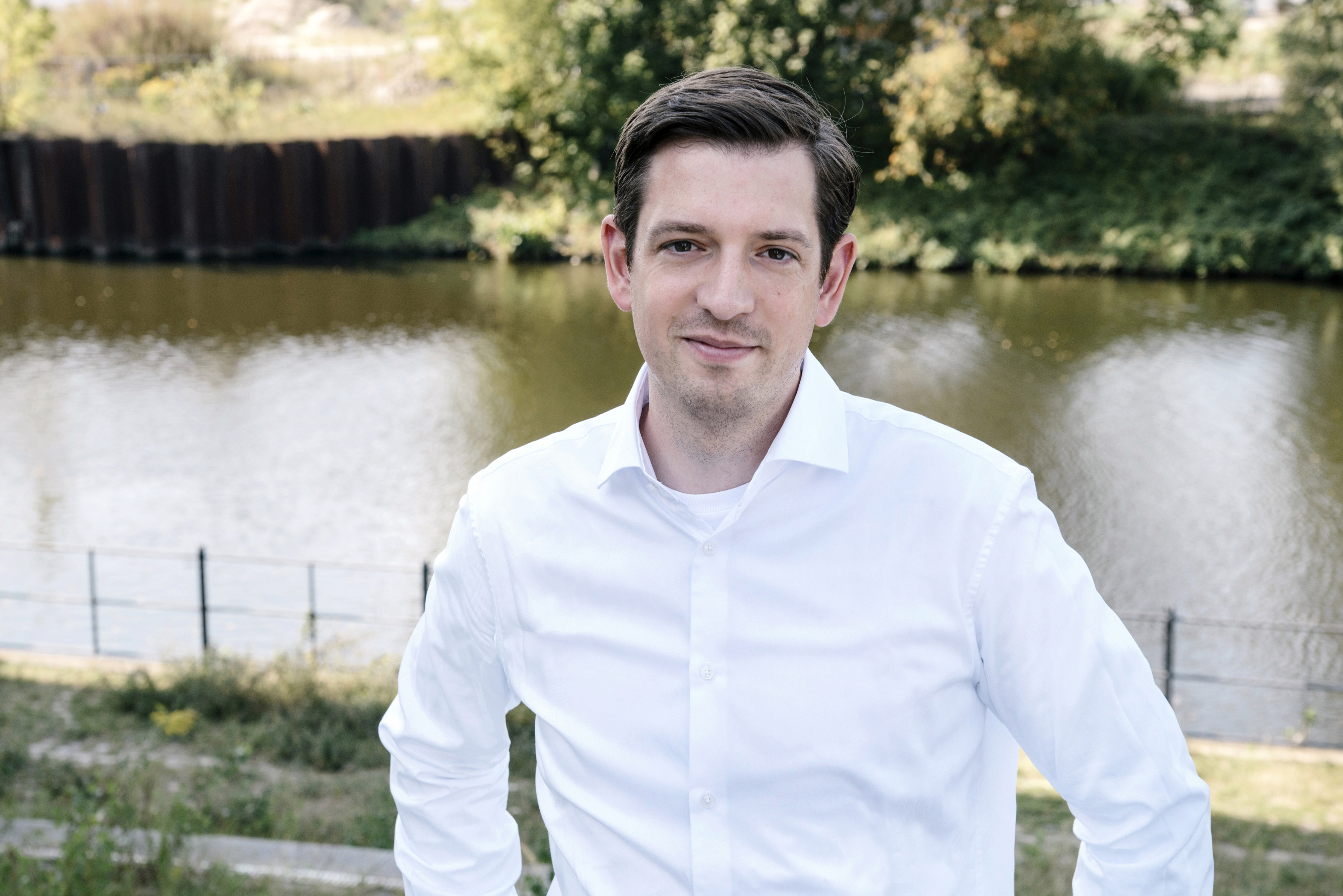
Björn Kolbeck Built for the Moment the Hardware Fails
A childhood programmer turned distributed-systems researcher learned at Google that small teams could run immense infrastructure. Quobyte is his decade-long attempt to bring that operating model to everyone else.

Arun Subramaniyan Built AI for the Room Where Errors Get Expensive
From jet-engine models to Intel’s GenAI spinout, Arun Subramaniyan has spent his career turning difficult data into decisions that engineers and enterprises can defend.
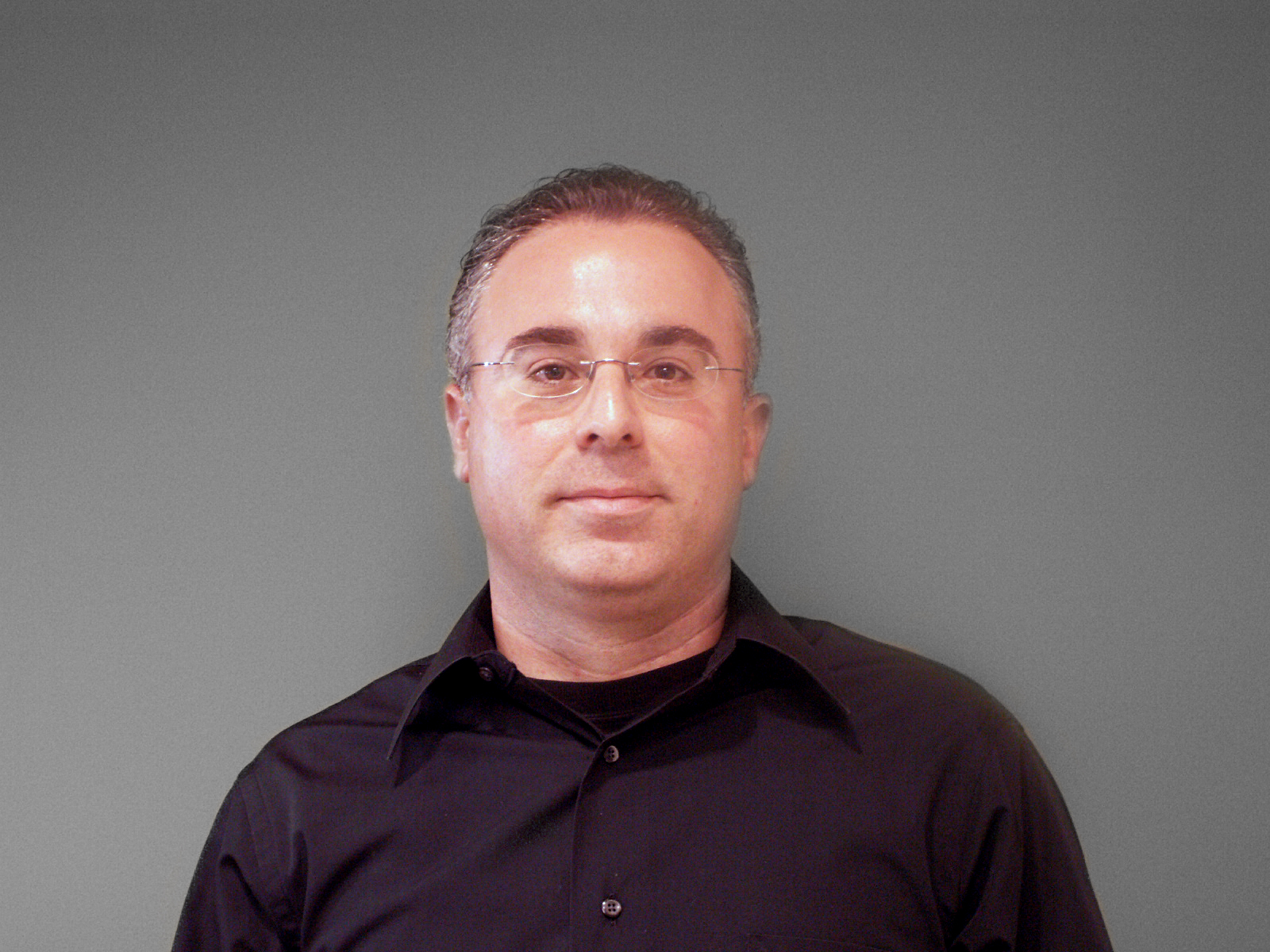
Gilad Shainer
Gilad Shainer is Senior Vice President of Networking at NVIDIA, where he leads the strategy, marketing, and ecosystem development for the company's networking portfolio — including InfiniBand, Ethernet, DPUs, and interconnect technologies that power more than half the world's top 500 supercomputers. A Technion-trained electrical engineer who graduated Cum Laude at both B.Sc. and M.Sc. levels, Shainer spent nearly two decades at Mellanox Technologies before joining NVIDIA via the $6.9 billion acquisition in 2020. He founded the HPC-AI Advisory Council in 2008, which now spans 400+ organizations globally, co-founded the ISC Student Cluster Competition, holds two R&D 100 Awards (2015 and 2019), and has authored or co-authored dozens of papers across IEEE, ACM, and Springer venues. At a moment when AI factories are rewriting the rules of data center design, Shainer is the person making sure the wires — and the protocols running through them — are ready.

Karen Gondoly
Karen Gondoly is the CEO of Leostream Corporation, the Boston-area company whose vendor-neutral connection broker and gateway software quietly runs the remote desktops of Hollywood studios, oil rigs, trading floors, and government agencies. An MIT-trained aeronautical engineer who once left tech to become a head pastry chef, she answered a Craigslist ad for a technical writing gig, was offered a product manager role instead, and rose to run the company by 2016. Under her leadership Leostream won a 2022 Engineering, Science & Technology Emmy and stayed cash-flow positive without new funding since 2008.

Matthew Shaxted
Matthew Shaxted is the founder and CEO of Parallel Works, a Chicago company that turns the headache of running heavy AI, machine learning, and simulation workloads across clouds and on-premises systems into a single control plane. A civil engineer who once wired 30 Linux desktops into a render farm to push building simulations, he met co-founder Michael Wilde at Argonne National Laboratory and spun the lab's parallel-workflow technology into a company in 2015. Bootstrapped and cash-flow positive, Parallel Works now powers hurricane risk models, cancer research, space-weather digital twins, and IL5-authorized defense workloads.

Sammy Sidhu
Sammy Sidhu is the co-founder and CEO of Eventual, the company behind Daft, an open-source, Python-native data engine built to wrangle messy multimodal data like images, video, audio and LiDAR at petabyte scale. A UC Berkeley EECS grad with a background in high-performance computing and deep learning, he cut his teeth on Wall Street high-frequency trading and then on the perception stacks of self-driving cars at DeepScale (acquired by Tesla), Lyft Level 5 and Woven Planet (Toyota). After repeatedly watching brilliant engineers burn 80% of their time fighting data plumbing instead of building, he and Jay Chia turned that frustration into Eventual. Daft now processes petabytes daily at Amazon, CloudKitchens, Together AI and Essential AI, and the company has raised roughly $30M from investors including CRV, Felicis, Microsoft's M12 and Citi.
Sampson Han
Sampson Han is Vice President of AI and Data Center Marketing at NVIDIA, the Santa Clara-based technology powerhouse behind the GPU revolution driving modern artificial intelligence. Operating at the intersection of cutting-edge silicon and the enterprise market, Han oversees marketing strategy for NVIDIA's data center and AI product portfolio - the very infrastructure powering the global AI buildout. He works within one of the most influential technology companies in history, helping define how hyperscalers, enterprises, and sovereign AI initiatives understand and adopt NVIDIA's data center solutions.
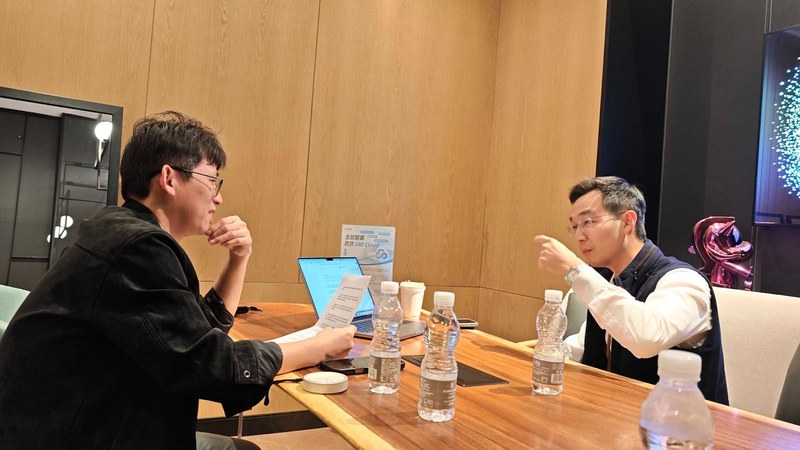
Alex Yeh
Alex Yeh is the Founder and CEO of GMI Cloud, a GPU-native AI cloud infrastructure company he built from Bitcoin mining data centers into a global AI infrastructure leader in just 30 days. GMI Cloud — one of only 6 NVIDIA Reference Platform Partners worldwide — raised $82M in Series A funding in 2024 and is behind a $12 billion sovereign AI infrastructure initiative in Japan. Yeh's mission: make building AI applications as simple as building a website on Shopify.

Benjamin Wagner
Benjamin Wagner is VP of Engineering (listed as CEO in some directories) at Firebolt, a cloud data warehouse built for speed. A computer scientist trained at Technical University of Munich, Wagner moved from academic database research and a Snowflake internship directly into building Firebolt's query engine from the ground up. He is the author of InkFuse, an experimental database runtime that unifies vectorized and compiled query execution, and a regular speaker at CMU's database seminar series. His work sits at the intersection of high-performance analytics and open standards, particularly around Apache Iceberg and PostgreSQL compliance.

Frank Ferrante
Frank Ferrante is the CEO of ForwardEdge ASIC, a Lockheed Martin subsidiary dedicated to advancing U.S. domestic semiconductor chip design. A 30-year veteran of the semiconductor industry, Ferrante has held leadership roles at Intel (Senior Director of Military, Aerospace and Government), Wolfspeed (VP of Worldwide Automotive Sales and Marketing), and Altera. He is a vocal advocate for U.S. advanced manufacturing policy, having advised policymakers on the CHIPS Act, SHIP, and RAMP-C initiatives. Under his leadership, ForwardEdge ASIC achieved U.S. Government Trusted IC Vendor Status in February 2026 and selected the MIPS S8200 for mission-critical autonomous platform ASICs.
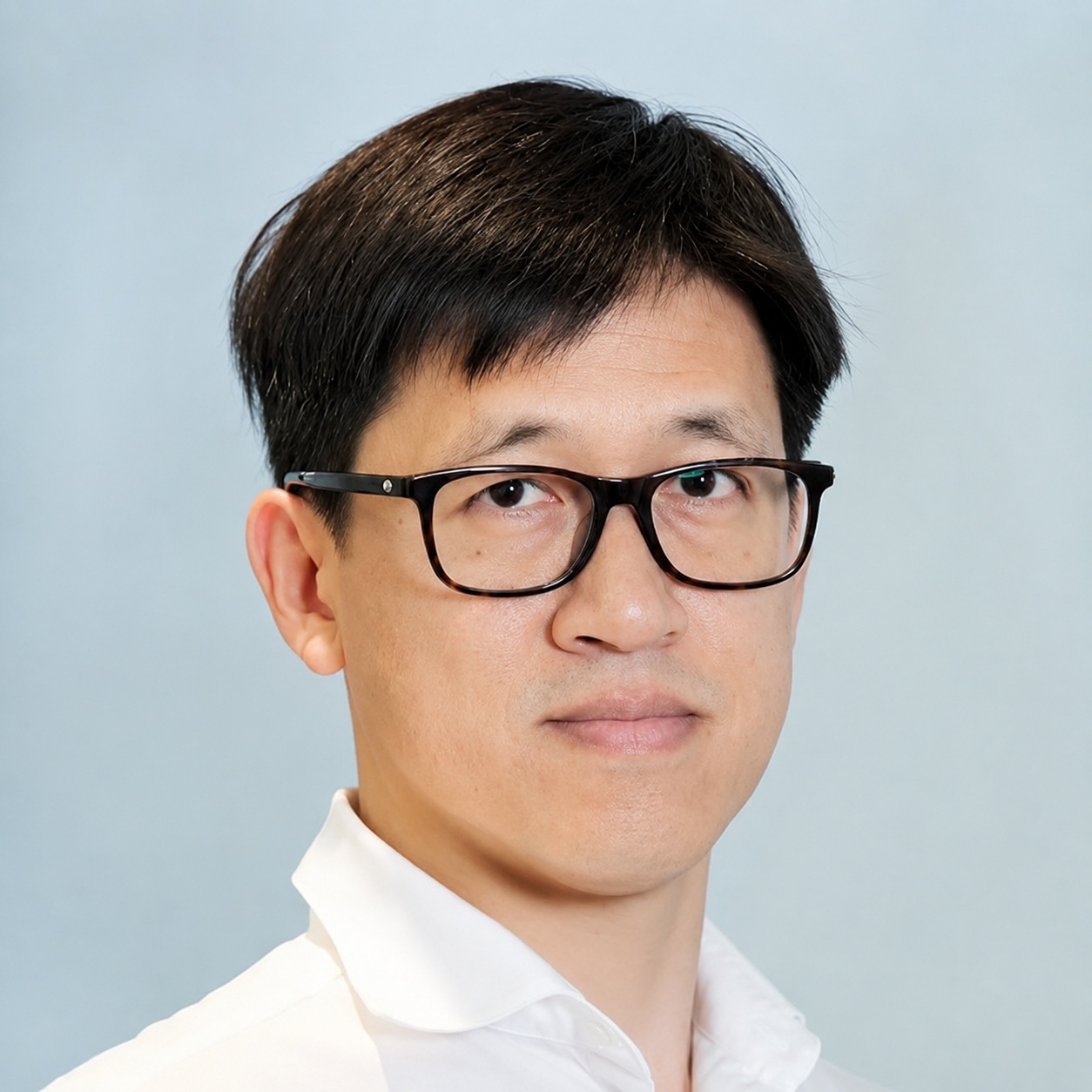
Leander Yu
Leander Yu is the founder and CEO of Graid Technology Inc., a Sunnyvale-based startup that invented the world's first GPU-accelerated RAID solution for NVMe SSDs - SupremeRAID. With over 25 years in the storage industry and a prior successful exit (Bigtera to Silicon Motion in 2017), Yu built Graid in 2019 to solve a fundamental bottleneck: traditional RAID controllers can't keep up with modern NVMe speeds. By offloading RAID computation to a GPU, SupremeRAID delivers up to 28 million IOPS and 260GB/s throughput from a single card. The company raised a $30M Series B in March 2025 led by Foxconn and CTBC joint venture, and signed a landmark licensing deal with Intel for VROC technology in late 2025.

Rounak Adhikary
Rounak Adhikary is a 23-year-old founder and CEO of ProjectX (YC X26), a San Francisco-based startup building Infinity - the first cloud-native distributed OS that lets users run GPU-intensive apps like Blender, DaVinci Resolve, and Unreal Engine from any browser, on any device, with under 20ms latency and no setup required. Born in Kalyani, West Bengal, India, he started his first tech consulting company at 19, won the World Trade Center Innovation Award at IIT Bombay's Eureka! competition against 17,000+ startups, and went on to represent India at Princeton's Tiger Launch. Backed by Google Cloud and Y Combinator, ProjectX aims to make infinite compute accessible to anyone, anywhere.

Rodrigo Liang
Rodrigo Liang is the co-founder and CEO of SambaNova Systems, an AI infrastructure company he built from the ground up in 2017 alongside Stanford professors Kunle Olukotun and Chris Ré. Born in Taipei, raised in Brazil, and trained in electrical engineering at Stanford, Liang spent two decades designing high-performance processors at Hewlett-Packard, Sun Microsystems, and Oracle before betting that the entire computing paradigm for AI needed to be reimagined. SambaNova's Reconfigurable Dataflow Unit (RDU) is the architectural expression of that conviction - chips designed around data movement rather than instructions - and in February 2026 the company announced the SN50, claiming it runs agentic AI 5x faster than competing chips at 3x lower cost, backed by $350M in Series E funding and a strategic partnership with Intel.