healthcare-startup
(14)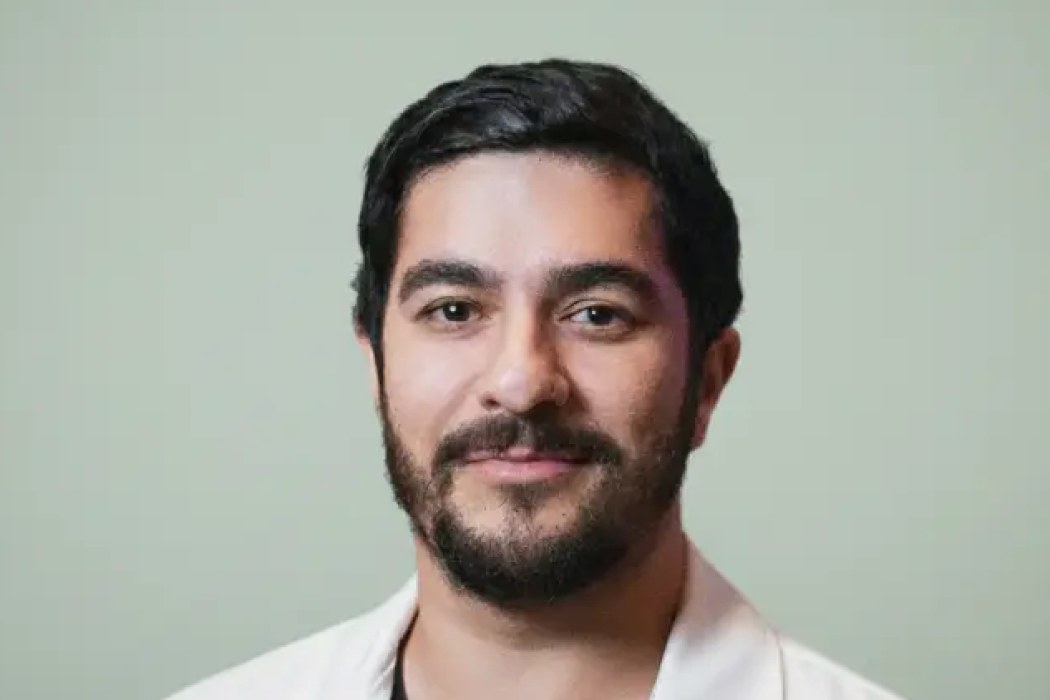
Usama Syed
Usama Syed is a board-certified dermatologist turned startup founder, and the co-founder and CEO of FutureClinic (YC F24), a platform that lets any licensed doctor open a chat-based digital clinic. Trained in medicine and business at Imperial College London, he moved from the UK to New York for a dermatology residency at the Icahn School of Medicine at Mount Sinai, where he became chief resident and later faculty. Alongside clinical work he built an audience of more than 300,000 followers as a science-first skincare creator, co-founded the education company Liberty Medics, and now runs a company describing itself as building digital clinics that are 99% AI and 1% doctor.

Myriam Barthes
Myriam Barthes is the co-founder and CEO of Journey Clinical, a New York-based telehealth platform that provides the medical infrastructure for licensed psychotherapists to offer ketamine-assisted psychotherapy. Starting in strategy consulting at EY and later working as an AI impact strategist at SparkBeyond, she launched Journey Clinical in 2020 with Jonathan Sabbagh and has grown it into the largest network of KAP-trained therapists in the United States.
Scott Kokones
Scott Kokones is co-founder and CEO of Enspire DBS Therapy, a Cleveland Clinic portfolio company building an implantable deep brain stimulation system paired with physical rehab to restore arm function in stroke survivors. He is running the RESTORE pivotal trial after the EDEN proof-of-concept study, having raised $27.9M total including a $17.6M Series B in 2023 and a $10.3M Series B1 in January 2026. Alongside Enspire he is a general partner at Guide Medical Ventures and a co-founder of Qr8 Health and CardioSolv Ablation Technologies. His earlier career runs through Intelect Medical, Boston Scientific, Enpath Medical, and Medtronic.
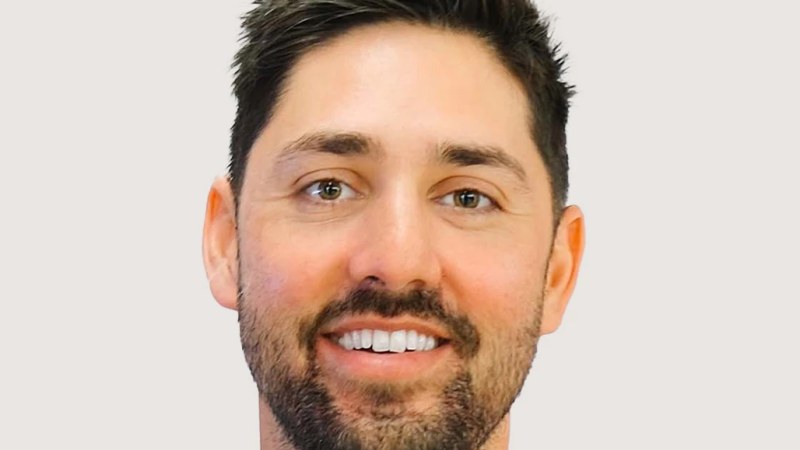
Matthew Loper
Matthew Loper is the co-founder and CEO of Wellth, a Los Angeles digital-health company that pays people small cash rewards for sticking to their care plans. A biological engineer from MIT turned healthcare banker and investor, he built Wellth around behavioral economics rather than technology - the idea that immediate, tangible incentives change what people actually do about their chronic conditions. Under his leadership Wellth has raised more than $73 million, including an oversubscribed $36 million Series C in 2025, and reports steep drops in hospital and emergency-room use among the high-need Medicare and Medicaid populations it serves.
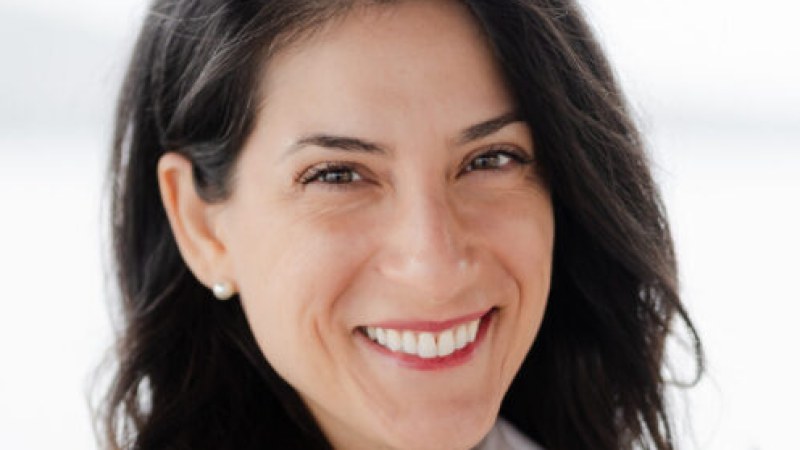
Catalina Gorla
Catalina Gorla is the co-founder and CEO of TruDataRx, a Vermont-based health technology company that helps self-insured employers cut pharmacy spend using objective clinical data and comparative-effectiveness analytics. A Dartmouth-educated former economist turned healthcare entrepreneur, she has spent over a decade attacking the hidden costs and conflicts of interest baked into American drug pricing. She previously co-founded Informulary, managed innovation programs at the Dartmouth Center for Healthcare Delivery Science, and delivered a TEDxBeaconStreet talk arguing the U.S. doesn't need a single payer so much as an informed one.

Chloe Harrouche
Chloe Harrouche is the co-founder and CEO of The Lanby, a New York membership practice that reimagines primary care as a hospitality-led, relationship-driven experience. A University of Pennsylvania bioengineering graduate and former Deloitte healthcare strategy consultant, she built The Lanby around a simple bet: that primary care should feel less like a waiting room and more like a team that actually knows you. Members get a dedicated care trio - a lead physician, a wellness advisor, and a care manager - working from one coordinated plan.
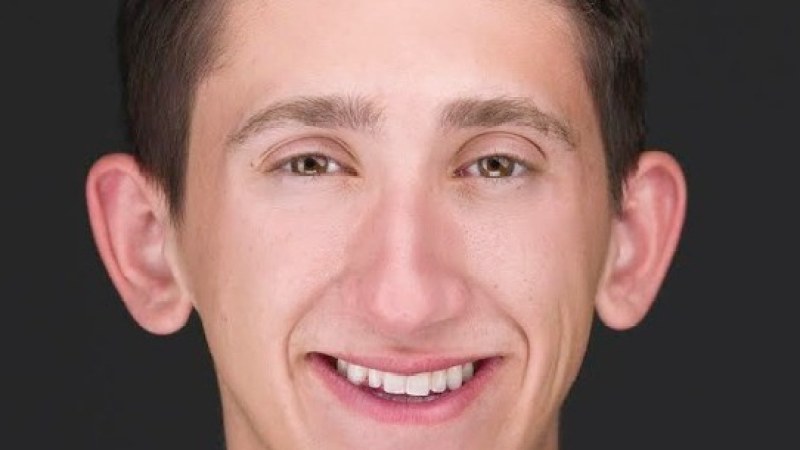
Christopher Gaeta
Christopher Gaeta is the founder and CEO of InSite Health, a venture-backed behavioral health company building what he calls a K-12 wellness operating system: one integrated platform that bundles mental health screenings, on-site therapy and psychiatric care for school districts that were otherwise stitching together six or more separate vendors. A 2023 Swarthmore College graduate and former co-captain of the golf team, he previously ran the campus-wellness company Grapefruit to 250,000 patients and worked as a healthcare venture investor before turning operator. Business Insider named him a top Gen Z venture capitalist, and he aims to build the nation's largest K-12 wellness platform by 2030.
Ian Koons
Ian Koons is the co-founder and CEO of Karoo Health, an Albuquerque-based startup building tech-enabled, value-based cardiovascular care. A former college tennis player who once did post-game radio for an NFL team, Koons turned a personal loss - a best friend's fatal heart attack in 2014 - into a company that pairs on-site and virtual care teams with software to help cardiologists move from volume to value. Since founding Karoo in 2021, he has grown it to dozens of employees, raised seed funding, partnered with cardiology networks across roughly a dozen states, and teamed with Heartbeat Health to assemble a national end-to-end cardiac care solution.
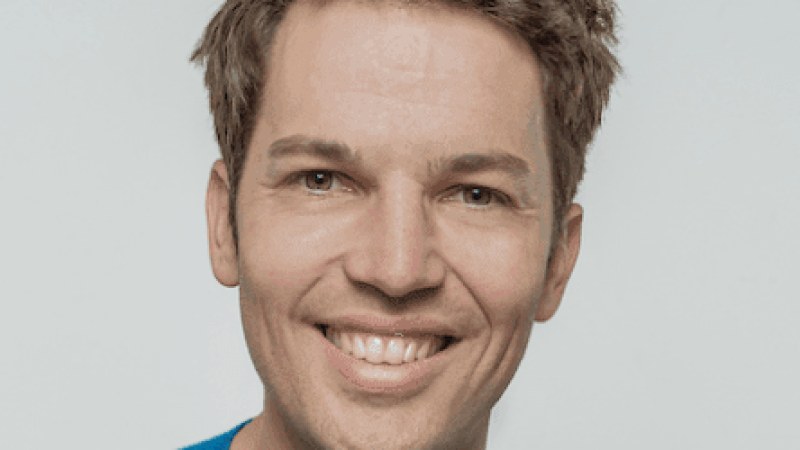
Jake Horowitz
Jake Horowitz is the co-founder and CEO of Offcall, a San Francisco company building financial and career tools by and for physicians, aiming to cut burnout by making doctor pay transparent. He learned to build audiences the hard way as the co-founder and editor-at-large of Mic, the millennial news outlet that grew from a basement project into a 30-million-reader brand and interviewed figures from Barack Obama to Bill Gates before its 2018 sale. A Stanford history graduate and 2014 Forbes 30 Under 30 honoree, he married an emergency room nurse and turned her world into his next company.
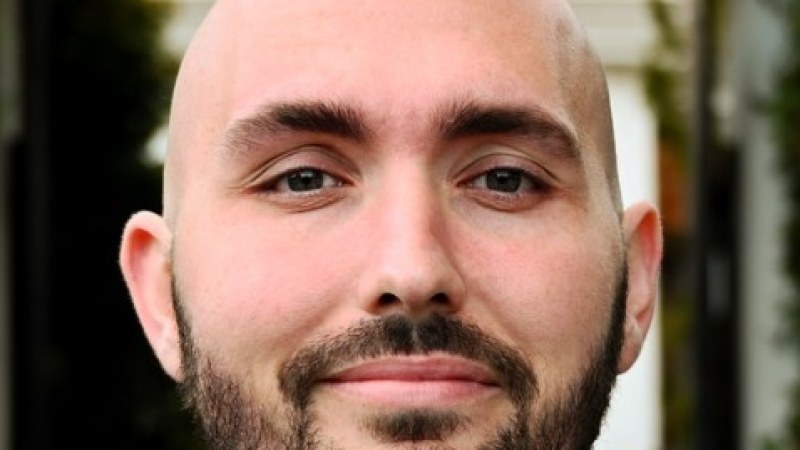
Nick Gulino
Nick Gulino is the founder and CEO of Recover (letsrecover.com), a Y Combinator-backed telehealth company that delivers evidence-based addiction treatment in partnership with state and local governments, at roughly a tenth of the cost of traditional rehab. A graduate of Yale Law School and UC Berkeley who started at a community college and a 'last chance' high school, he spent a decade in government and addiction services - leading work in McKinsey's government practice, advising governors, and serving in the White House - before building Recover to make recovery accessible to low-income and underserved people.

Santosh Vallabhaneni
Santosh Vallabhaneni is the co-founder and CEO of Rovi Health, a Y Combinator Fall 2025 startup building text-first, AI-enabled healthcare for employees. Patients get care over text or video while AI agents steer them to high-value, in-network providers and handle scheduling, cutting employer health spend by 10-20%. Before Rovi he was GM of Cedar's patient affordability products and an early go-to-market leader at AngelList, and he is a licensed health insurance broker. He founded the company with his brother Tarun, the CTO.
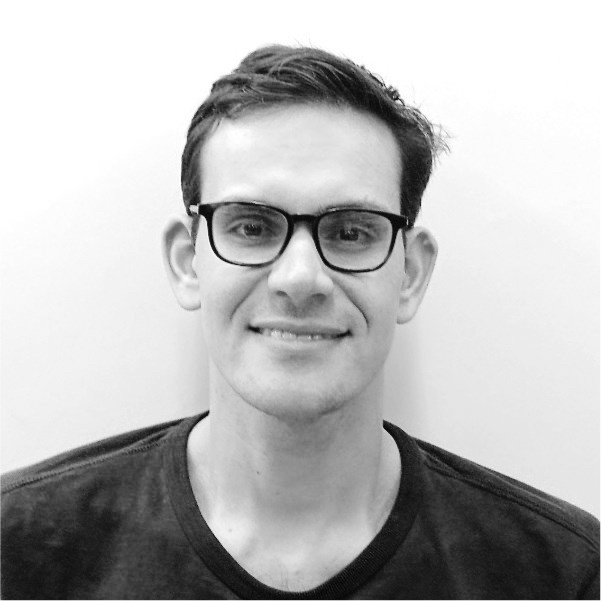
Elliott Rapaport
Elliott Rapaport is the founder and CEO of Birches Health, a national virtual clinic treating gambling, gaming and other behavioral addictions, covered by insurance and state funding. A lifelong New Yorker with an Amherst BA and a Cambridge MBA, he scaled healthcare marketplaces at Elemy before building Birches into a 50-state operation backed by $20M from AlleyCorp, General Catalyst and Will Ventures. He also serves as Vice President of the IPGGC board.
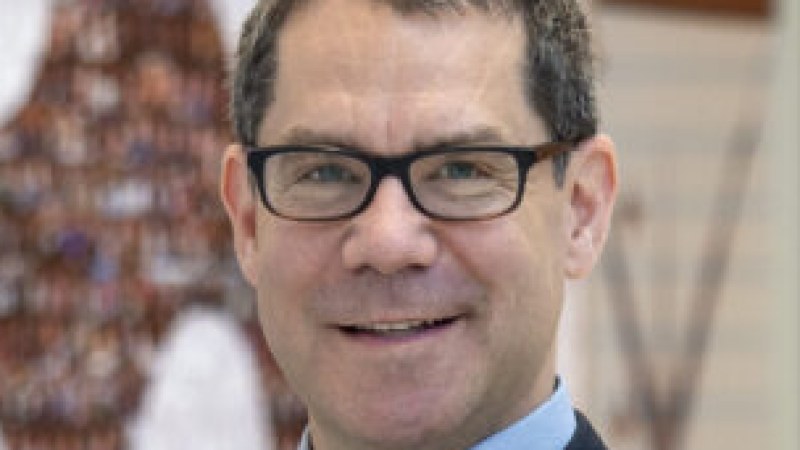
Justin Bekelman
Justin Bekelman is the co-founder and CEO of Daymark Health, a Philadelphia-based value-based oncology company building a tech-enabled medical group that wraps clinical, mental health, and social support around people facing cancer. A radiation oncologist with roughly 200 published research articles, he spent two decades at the University of Pennsylvania, where he founded the Penn Center for Cancer Care Innovation at the Abramson Cancer Center before leaving to build a company that contracts directly with health plans to take on total cost of care. Daymark launched publicly in 2025 with $11.5M in seed funding and closed a $20M Series A in September 2025.
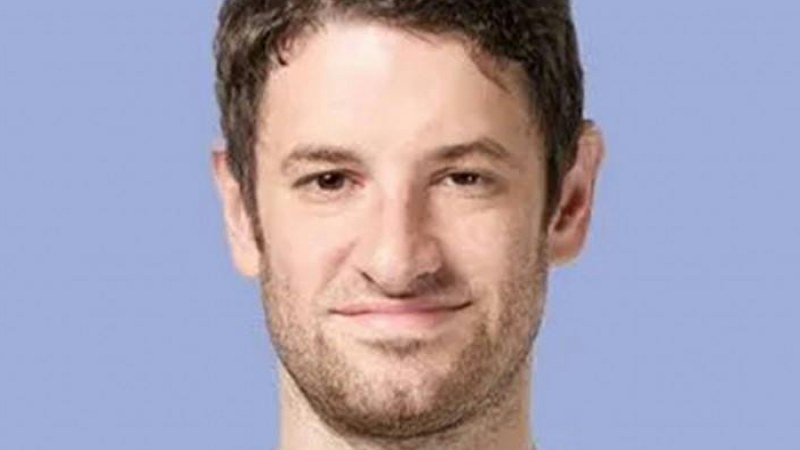
Zack Gray
Zack Gray is the co-founder and CEO of Ophelia, a New York-based telemedicine company he started in 2019 with Columbia Business School lecturer Mattan Griffel. A Columbia astrophysics-and-philosophy graduate turned Wharton MBA, Gray scaled a solar startup to $30M as employee number two before building Ophelia into a Y Combinator-backed, Tiger Global-funded company that has raised roughly $68M across Series A and B rounds.