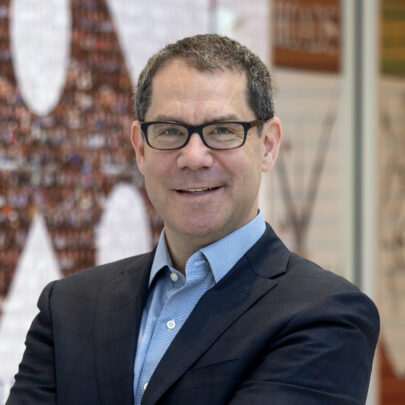
During the worst months of the pandemic, Justin Bekelman's team did something the system was never designed to do: they delivered chemotherapy to patients in their living rooms. Hundreds of them. Hospitals were overwhelmed, waiting rooms were dangerous, and the rules everyone treated as permanent suddenly bent. He watched a fragmented machine improvise something humane under pressure, and he could not unsee it.
That experience became Daymark Health. Bekelman is the co-founder and CEO of the Philadelphia company, which he describes plainly as "a medical group backed by a technology backbone that integrates with health plans and with oncologists and primary care providers." Translation: Daymark takes on the parts of cancer that a treatment plan ignores - the 2 a.m. symptom panic, the mental health toll, the rides that fall through, the calls that go unanswered - and it does so under contracts that put the company on the hook for total cost of care.
The credentials he walked away from were not small. Bekelman was the Marietta and Howard Stoeckel Professor at the University of Pennsylvania, holding appointments across Radiation Oncology, Medicine, and Medical Ethics and Health Policy at once. He founded and ran the Penn Center for Cancer Care Innovation at the Abramson Cancer Center. He has authored close to 200 research articles and was named to the National Cancer Policy Forum. He is, in the literal academic sense, an authority on how cancer care should be delivered.
Which is exactly why the decision to leave reads as a statement. A researcher who has spent two decades documenting a problem reaches a point where another paper feels like watching the same accident from the same window. Bekelman took the risk-bearing route instead. Daymark does not advise health plans on better care - it signs contracts and accepts the financial consequences if the care isn't better.
The market, it turns out, was ready. "We are seeing a tipping point in oncology, where payers feel the ongoing pressures of managing specialty risk and providers are seeking solutions that put patients first," he said. Daymark launched publicly in April 2025 with $11.5 million in seed funding co-led by Maverick Ventures and Yosemite. By September it had closed a $20 million Series A led by Healthier Capital and Blue Venture Fund. Inside its first year, it was already supporting more than 2,500 patients through a partnership with a Northeast health plan.