Who She Is Now
The CEO who put a concierge desk inside primary care
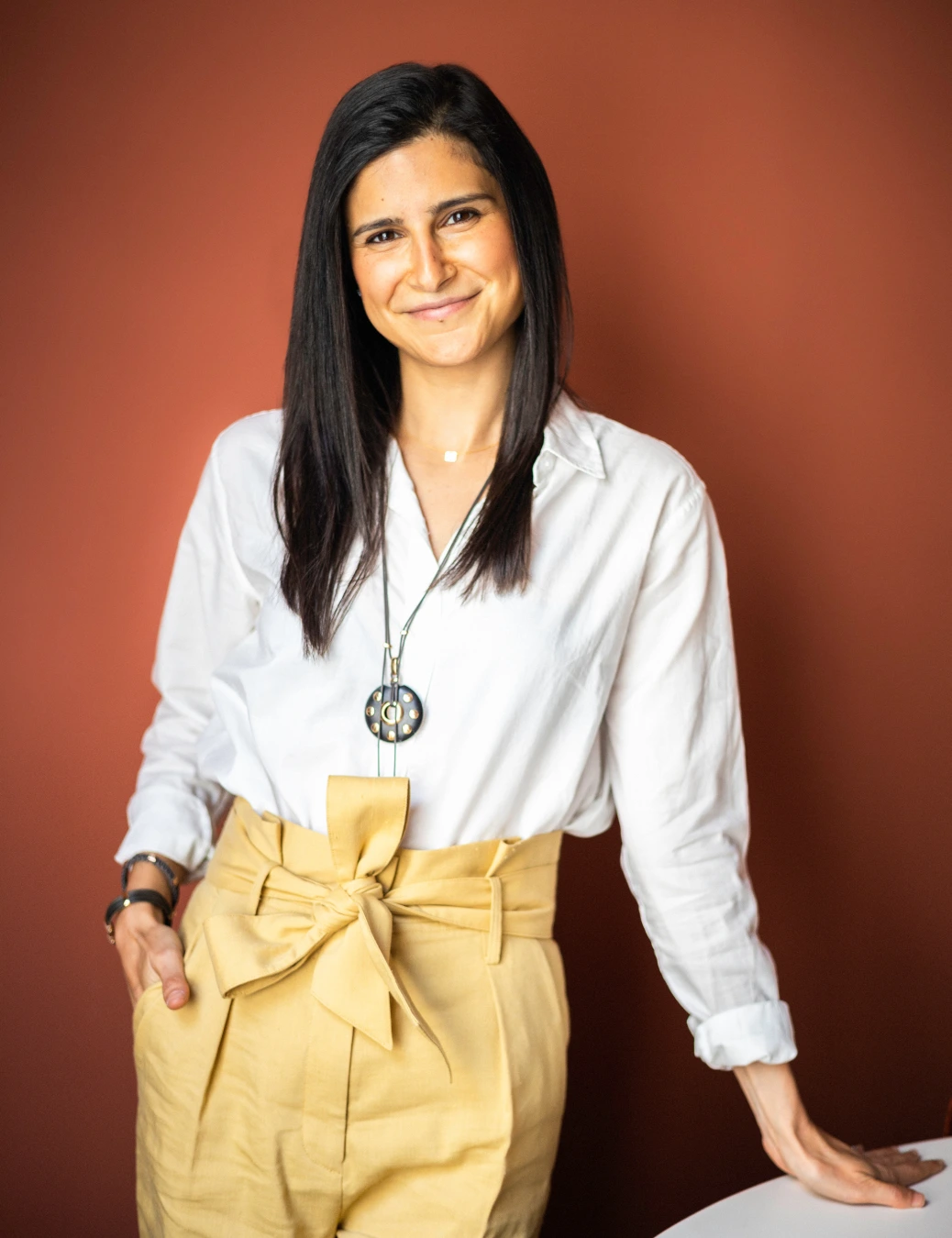
Walk into most doctor's offices and the message is unmistakable: you are an interruption. A clipboard, a fifteen-minute window, a referral handed over like a parting gift. Chloe Harrouche looked at that experience and asked a question most people only mutter in waiting rooms - who, exactly, is in charge of my health here? At The Lanby, the answer is a team, and she runs it.
The Lanby is a membership practice in New York that Harrouche co-founded and leads as CEO. The pitch is deceptively plain. Every member gets a dedicated trio - a lead physician, a wellness advisor, and a care manager - all working from a single plan instead of a stack of disconnected appointments. Borrow the language of hospitality, not the language of a queue. Members, not patients waiting to be processed.
It is the kind of idea that sounds obvious right up until you try to build it. Primary care is a famously low-margin, high-friction corner of medicine. Harrouche's wager is that people will pay for coordination, attention, and a phone that gets answered - and that doing primary care well up front beats catching problems late.
"Passion and perseverance are really what it takes to be a strong founder."Chloe Harrouche
The Route In
Bioengineering, then a detour through the consulting deck
Harrouche studied bioengineering at the University of Pennsylvania, where she graduated valedictorian. That is a credential that usually funnels people toward labs or medical school. She went a different direction - into strategy.
She worked in healthcare strategy and technology consulting at Deloitte, sitting close to the providers whose workflows she was trying to improve. Before that she advised at Fundacion CardioInfantil, and she spent time as Director of Development at myFace, a nonprofit serving people with craniofacial differences. The throughline is not glamorous, but it is consistent: she kept ending up at the seam where care delivery breaks down, and kept staring at it.
Consulting teaches you to diagnose other people's systems. Founding a company means you finally have to fix one with your own name on the door. The Lanby is what happened when Harrouche stopped writing recommendations and started building the practice she wanted to exist.
MDLead Physician
The clinical quarterback who actually knows your history.
RDWellness Advisor
Lifestyle and habits, treated as part of the plan, not an afterthought.
PA / NPCare Manager
Logistics and follow-through, so coordination isn't your part-time job.
The Operator's Notebook
What she learned raising money - the hard way
Harrouche is unusually candid about getting fundraising wrong before getting it right. Her sharpest lesson is a warning to every first-time founder tempted to perform for the term sheet.
"We invested in what we thought investors wanted to see instead of investing in what we needed to launch the business."On the early fundraising stumble
The correction was blunt: build what the business actually needs to launch, and let the traction make the argument. It is the kind of advice that only sounds simple after it has cost you something. Her other rules are cut from the same cloth - a tolerance for risk, a respect for staying close to the customer, and a refusal to confuse safe with good.
"You have to be willing to fail in order to launch something remarkable. A safe product is by nature boring."
"To succeed, you need to be persistent and gritty, but you also need to stay humble."
"Staying close to your customers is key to iterating your product quickly."
"Passion and perseverance are really what it takes to be a strong founder."
The Idea Behind It
You are the CEO of your own health
Harrouche has a favorite reframe, and it doubles as the company's worldview: the member is the CEO of their own health, and The Lanby is the executive team they hire to run it well. It is a tidy metaphor, but it carries a real argument. Most primary care is reactive by design - built to treat what's already gone wrong. She wanted the opposite: proactive, coordinated, and personal enough that nothing slips between the specialists.
That ambition is why the hospitality framing matters. Calling someone a member rather than a patient is not a branding flourish - it sets an expectation about who is serving whom. In an industry where the customer experience is usually an afterthought, Harrouche made it the product.
She also brings the message outward. She hosts The Lanby's own podcast, Get Well, Better, and turns up regularly in founder and health conversations to make the case that coordinated, relationship-driven care shouldn't be a luxury good. The Lanby is backed by the Female Founders Fund, part of a wave of investors betting that the experience of care is overdue for a redesign.
"A safe product is by nature boring."Chloe Harrouche, on building
What makes Harrouche worth watching isn't a single breakthrough - it's a posture. She took the most tolerated, least loved part of healthcare and refused to accept that tolerable was the ceiling. Penn valedictorian to Deloitte deck to the CEO chair, the question never really changed. Why is care so fragmented, and what would it take to make it feel like someone is actually paying attention? The Lanby is her answer, and she's still writing it.